







5 reasons Miami is a leading global trade hub
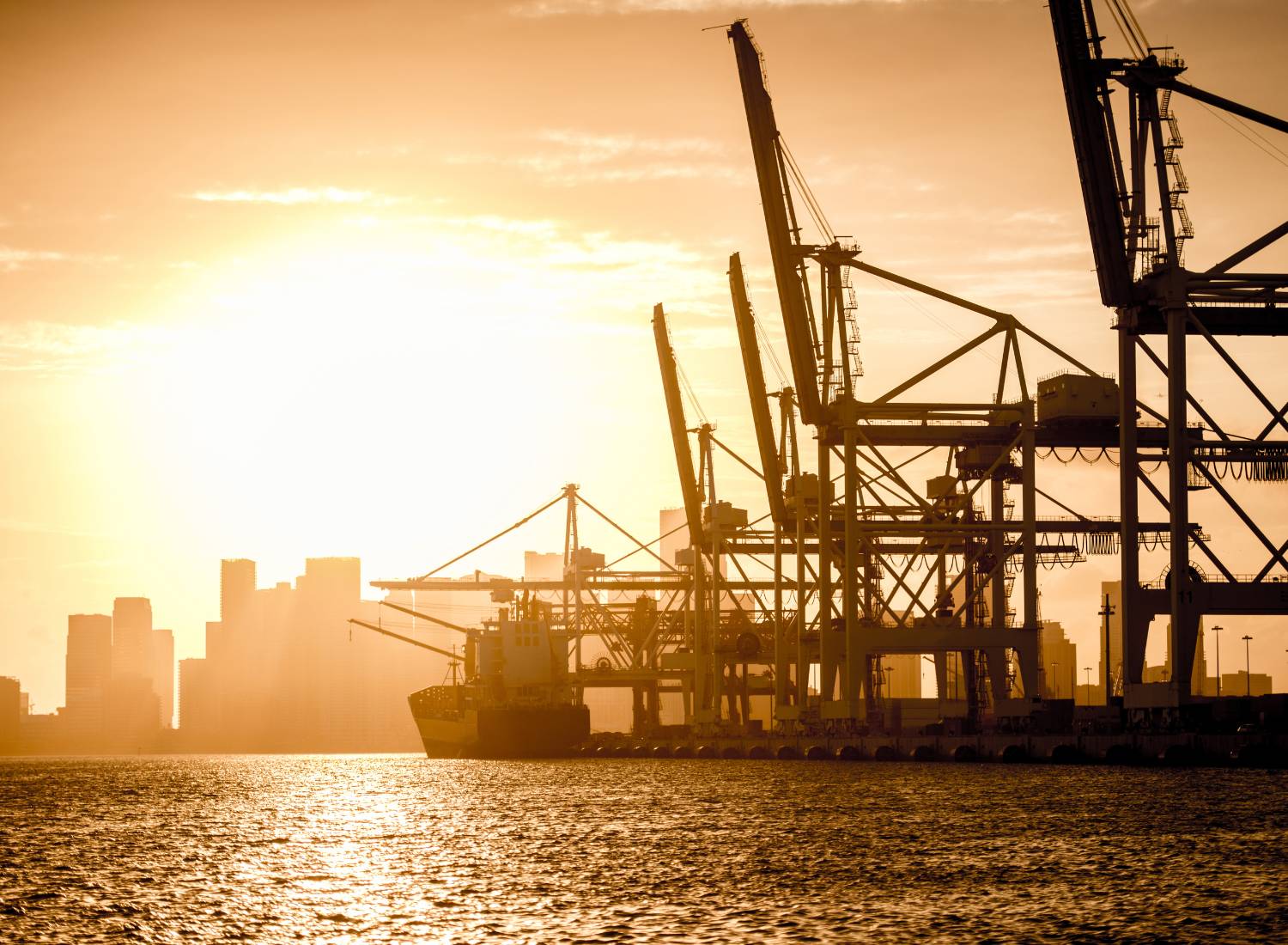 January 2026 — Miami serves as a vital international trade hub, particularly for the Americas, due to its strategic location, world-class logistics infrastructure (MIA airport & PortMiami), multicultural workforce, financial services, and Free Trade Zones. According to the Miami-Dade Beacon Council, the city acts as the primary gateway for U.S. commerce with Latin America and the Caribbean, handling significant air/sea freight and supporting diverse industries from fashion to electronics. Here are five reasons why Miami is recognized as a vital trade hub.
Join us at caa’s upcoming leadership summits! These premier events bring together hundreds of public and private sector leaders to discuss the challenges and opportunities for businesses and investors. Find the next summit in a city near you!
1. Gateway to the Americas
Miami holds the distinction of being the central entry point for U.S. exports to Latin America and the Caribbean. That strategic position allows it to handle a large volume of trade with key markets in South and Central America. The city’s proximity to these regions, combined with its efficient transportation links, ensures that Miami is the go-to location for businesses involved in transnational trade between the United States and the rest of the Western Hemisphere.
2. Unmatched Connectivity
Miami’s connectivity is unmatched in terms of air and sea links. Miami International Airport (MIA) is one of the busiest cargo airports in the United States, serving as a hub for international freight. MIA handles significant volumes of air cargo, particularly high-value and time-sensitive products such as electronics, pharmaceuticals, and perishables. With direct flights to over 150 destinations worldwide, the airport is a key player in global trade.
Similarly, PortMiami is a major container port with extensive facilities to handle both cargo and cruise ships. Its deep-water channels accommodate large vessels, making it one of the busiest ports in the U.S. in terms of trade with Latin America. This connectivity through both air and sea allows for seamless transportation and swift movement of goods across the globe.
3. Logistics Powerhouse & Free Trade Zones (FTZs)
Miami’s logistics infrastructure is robust and highly developed, offering everything from warehousing and distribution services to advanced transportation networks. According to BizWorth, the city boasts extensive highways, rail connections, and distribution centers that enable the efficient movement of goods throughout the region. With cutting-edge logistics technologies and strategic Free Trade Zones (FTZs), Miami’s infrastructure ensures that businesses can operate smoothly, optimizing their supply chains and reducing costs.
Miami’s FTZs are a key benefit for businesses seeking to minimize costs. These zones provide duty exemptions, streamlined customs procedures, and a variety of other incentives that attract multinational corporations. Companies operating in these zones can store, process, and re-export goods without incurring tariffs, making Miami an even more attractive location for businesses looking to optimize their supply chains.
4. Financial & Business Center
In addition to its physical infrastructure, Miami is also a key financial and business hub. The city hosts the second-largest banking center in the United States, attracting a wide range of financial institutions and services, including investment banks, international insurers, and hedge funds.
Miami is also home to a large consular corps, representing more than 100 nations across the globe, according to the board of county commissioners. This international presence, combined with specialized trade organizations and foreign chambers of commerce, fosters an environment where businesses from various industries can thrive and engage in global trade.
5. Multicultural Workforce
Miami’s multicultural workforce is one of the city’s standout features, playing a significant role in its development as a global business center. The city has long been a melting pot, with a large percentage of residents speaking Spanish and Portuguese, while also maintaining ties to cultures from around the world. This multilingual, diverse talent pool enhances Miami’s ability to connect businesses with Latin American, European, and other global markets. Miami’s unique position as a cultural and business crossroads fosters innovation and facilitates smooth trade between the United States and foreign countries.
Want more? Read the Invest: Miami report.
Subscribe to Our Newsletters