




Key points:
- • Southeast multifamily markets are stabilizing as new supply pressures occupancy and rent growth.
- • Renter preferences, affordability challenges, and retention strategies are reshaping operations.
- • Labor shortages, rising costs, and industry consolidation are driving long-term structural shifts.
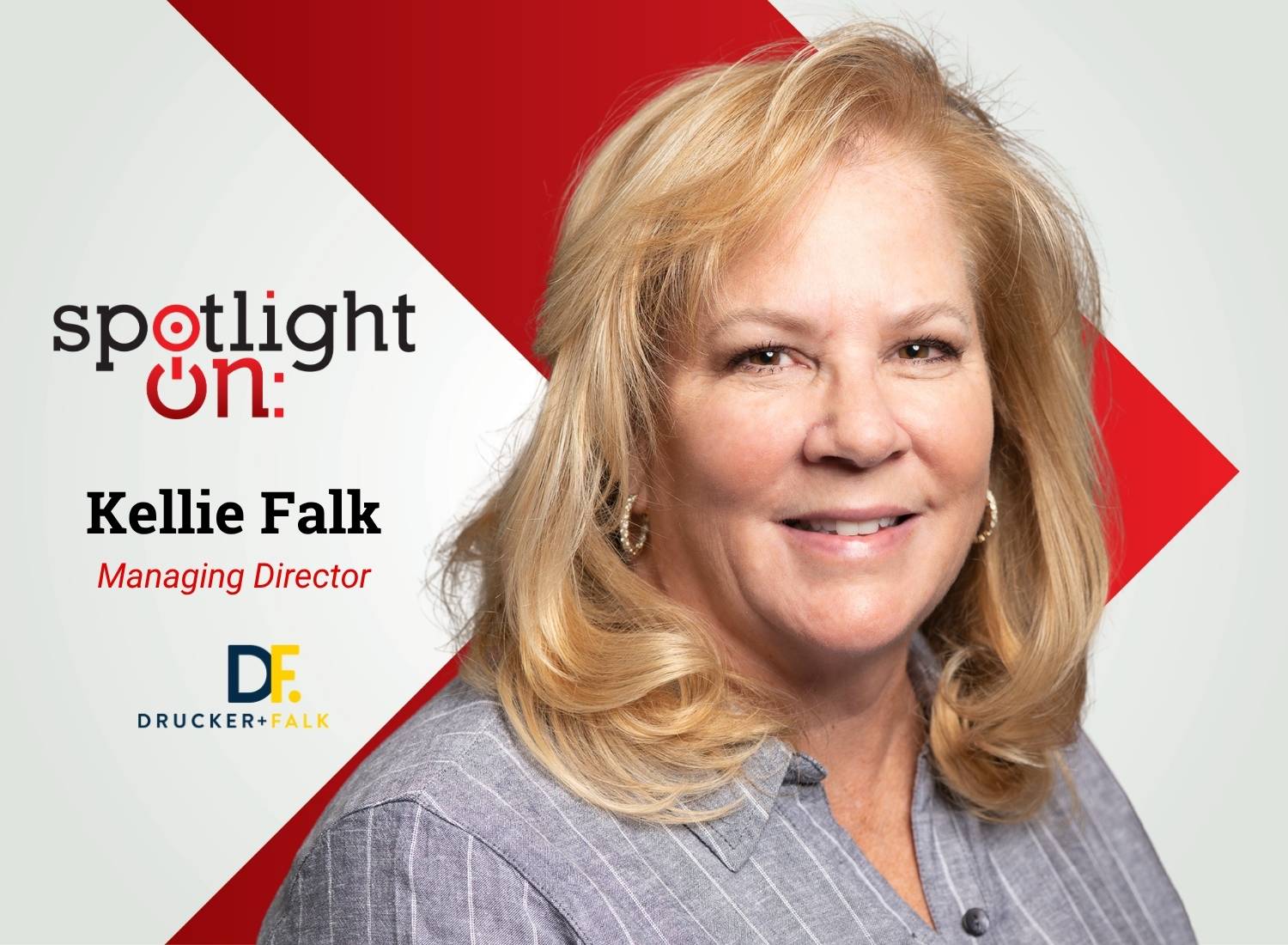 April 2026 — In an interview with Invest:, Kellie Falk, managing director of Drucker+Falk, discussed shifting dynamics in the Southeast multifamily market, from softening fundamentals driven by new supply to evolving renter preferences and workforce challenges. “The region is adding a significant number of residents daily, which supports long-term fundamentals,” Falk said.
Join us at caa’s upcoming leadership summits! These premier events bring together hundreds of public and private sector leaders to discuss the challenges and opportunities for businesses and investors. Find the next summit in a city near you!
How would you describe the current state of the multifamily market across the Southeast, particularly in terms of occupancy, rent growth, and new supply?
The Southeast is a broad region, so performance varies by market. In areas like North and South Carolina, we are seeing differences compared to Virginia, but overall, the market is somewhat soft right now. That softness is largely due to the significant amount of new supply that has come online. Absorption is taking longer than what we have historically experienced, though that is typical of cyclical patterns.
We are seeing concessions of three to four months in some cases, along with softer occupancy levels. However, this is not a declining market. It is more of a stabilization period, and we expect fundamentals to improve as supply is absorbed over time.
What are you seeing today in renter behavior and preferences, and how are those trends shaping property management strategies?
Renting has increasingly become a choice rather than a necessity. One notable trend is the growth of 55-plus communities, reflecting a shift toward older demographics opting to rent. That segment has expanded meaningfully compared to past years and is shaping how communities are designed and managed.
How are affordability challenges influencing both residents and owners, and what solutions are gaining traction in the market?
Affordability is widely discussed, but it is not always clearly defined. Typically, it is tied to a percentage of income, but there is inconsistency in how it is applied. While cities often require developers to include affordable units, there is limited infrastructure to monitor and enforce those requirements effectively.
If affordability remains a priority, municipalities need to collaborate more closely with developers. That includes addressing entitlement costs, offering tax incentives, and creating frameworks that make it financially viable to deliver housing at lower price points.
What trends are you seeing in capital improvements and renovations, and where are owners prioritizing investment today?
Value-add strategies have slowed in the current environment. With rents under pressure, owners are not achieving the premiums needed to justify large renovation investments. In many cases, renters can move into newer properties at comparable prices, reducing the appeal of upgrading older assets.
That said, long-term owners are still investing in necessary renovations to maintain the lifespan and competitiveness of their properties. We expect value-add activity to pick up again as market conditions improve.
What operational adjustments are property managers making to maintain performance in a more normalized or slow-growth environment?
Retention has become the top priority. Keeping existing residents in place is more cost-effective than turning units, particularly in a market with concessions and lower rent growth.
It makes more sense to keep that resident in that apartment instead of trying to re-rent it and pay all the costs to turn an apartment. As a result, property managers are focusing on resident satisfaction and lease renewals to stabilize performance.
How are you approaching cost management, particularly with rising expenses related to insurance, maintenance, and labor?
Cost pressures, especially insurance and property taxes, are difficult to control. One strategy we are using is consolidating properties under master insurance policies where possible, although that is not always feasible in high-risk areas like coastal markets.
We are also leveraging vendor consolidation and bulk purchasing to achieve economies of scale. Beyond that, there are limited levers available to offset rising fixed costs.
What role does technology play in improving property performance, resident experience, and operational efficiency?
Technology continues to evolve rapidly, but one area where we are seeing clear benefits is in maintenance platforms. These systems allow us to track work orders in detail, identify recurring issues, and improve response times.
They also enhance the resident experience by creating a seamless process from service request to completion, including feedback that feeds into online reviews. This end-to-end visibility has proven to be a valuable operational tool.
What are the biggest workforce challenges in property management today, and how is the industry adapting to attract and retain talent?
The most significant challenge is in maintenance staffing. There is a shortage of skilled tradespeople, driven in part by a long-standing preference for traditional college paths over trade education.
Efforts to promote technical education and apprenticeships are critical, but competition remains strong. Many skilled workers choose to operate independently, where they can earn higher incomes, making recruitment and retention more difficult for property management firms.
How do you see the relationship between property management and asset management evolving as owners seek stronger performance and reporting?
The role of asset management has expanded significantly. While this can improve oversight, it also introduces complexity, particularly when asset managers lack operational experience.
The dynamic often requires property managers to bridge knowledge gaps while aligning with ownership expectations, making collaboration and clear communication increasingly important.
How are regional economic factors, such as population growth, influencing demand for multifamily housing?
In high-growth areas like the Triangle, population increases are a major driver of demand. The region is adding a significant number of residents daily, which supports long-term fundamentals.
However, rapid growth can also lead to short-term oversupply, as developers respond quickly to demand signals. Over time, population growth should absorb excess inventory, but there can be temporary imbalances.
How are regulatory or policy changes affecting the multifamily sector, and what should owners and operators be watching closely?
Regulatory considerations vary by market, particularly landlord-tenant laws. Owners and operators need to be diligent in understanding local regulations.
There is also growing attention from municipalities on issues like rent control and housing policy. Any increased intervention can impact investment decisions, so staying informed at the local level is essential.
What are the top priorities for Drucker+Falk moving forward, and how do you see the multifamily sector evolving over the next couple of years?
A key development for Drucker+Falk has been its recent acquisition by a private equity firm. This reflects a broader trend toward consolidation in the industry, as firms seek the capital needed to invest in technology and infrastructure.
Access to larger financial platforms will allow companies to remain competitive, improve efficiency, and support continued growth in an evolving market.
Is there anything else you would like to add regarding development, investment, or the future of multifamily?
Investor perspectives on multifamily have shifted. Increasingly, properties are viewed as commodities rather than long-term assets, which changes how investments are evaluated.
This evolution reflects broader changes in the industry and highlights the importance of adapting strategies to align with new ownership models and expectations.
Want more? Read the Invest: Raleigh-Durham report.