George Recktenwald, County Manager, Volusia County

George RecktenwaldApril 2026 — Invest: spoke with George Recktenwald, county manager for Volusia County, about the region’s accelerating momentum in aerospace, manufacturing, and logistics; the workforce and planning strategies supporting that growth; and the collaborative environment shaping its long-term trajectory. “Volusia County has a robust and diverse economic ecosystem, and our partners consistently work toward shared goals,” Recktenwald said.

How would you describe the past 12 to 18 months for Volusia County, and what does that performance say about the broader Central Florida economy?

The past 18 months have been a period of significant activity. We’ve seen numerous additions to the economic landscape, including a new Boeing presence in Daytona Beach in partnership with Embry-Riddle Aeronautical University that is expected to bring more than 400 engineers into the market. We’ve also attracted the French aircraft manufacturer, AURA AERO, that will establish a U.S. manufacturing and research facility at Daytona Beach International Airport. Several major distribution companies have expanded here as well. Our position at the intersection of I-4 and I-95 makes us a strategic gateway to Central Florida, and that visibility is driving increased attention and project activity.

What recent successes best capture the economic momentum you are seeing on the ground?

Boeing’s expansion and partnership with Embry-Riddle represents a major milestone and highlights how our public, private, and academic sectors collaborate. Local investors contributed significantly to the new facility, with additional state support. The French hybrid-electric aircraft manufacturer choosing our airport as its U.S. base is another indicator of our momentum. Amazon continues to grow here, most recently opening a 3-million-square-foot, highly robotic facility, which is now the company’s fourth location in Volusia County. At the same time, many smaller supply-chain manufacturers tied to the space industry are locating in the county. We sit at the northern point of the region’s “space triangle,” connecting us to Cape Canaveral, Orlando and Melbourne, and that position continues to attract advanced industry investment.

How has the expansion of manufacturing, aerospace, and logistics translated into workforce opportunities for residents?

The demand for technical workers has increased notably in recent years. Talent with skills in computer science, electrical and mechanical engineering, welding, and aircraft-frame work is especially sought after. Daytona State College has developed new two-year programs to help build a pipeline for these roles, creating additional pathways for those who may not pursue a four-year degree. Long-standing employers like Sparton Electronics have consolidated operations in the county and added hundreds of workers, while companies such as B. Braun have expanded their medical manufacturing operations. Many employers provide substantial on-the-job training, so motivated workers can access high-quality manufacturing careers.

Which economic and demographic trends are having the greatest impact on business expansion and relocation to Volusia County?

A major trend is the renewed emphasis on manufacturing final products in the United States. As companies onshore or reposition production, strategically located regions like ours offer strong advantages. Florida’s pro-business environment, including the absence of a state income tax, also helps attract talent from across the country. People want to live here because of the climate and overall quality of life, and the cost of living remains competitive compared to many other growing regions. All of these factors position Volusia County as a compelling option for both companies and talent.

What progress has the county made on industrial parks, zoning and long-term land-use planning?

We have made considerable progress. The county implemented a space-industry overlay that streamlines permitting for aerospace-related companies. We also support local infrastructure through grants, such as for wastewater treatment projects, to help companies meet environmental requirements while managing costs. On the residential side, new communities are being developed in both urban and suburban areas, including attainable options for young professionals. Cities like New Smyrna Beach and Edgewater have private developers building industrial parks and speculative buildings, expanding the inventory available for incoming companies. We are also served by two rail lines, giving heavier industries important additional transportation options.

What challenges are local governments in Florida facing, and how has Volusia navigated issues like inflation, infrastructure pressure, and workforce needs?

Workforce challenges have been mitigated by our strong education ecosystem. With five colleges and universities and a school district of more than 65,000 students, we graduate thousands of people each year. Combined with steady in-migration, we have been able to meet workforce demand. Inflation remains a reality for any popular region, but we manage our budget very carefully. Our county tax rate has decreased every year for more than seven years while continuing to meet service and infrastructure needs, and Florida’s protections on tax growth help maintain a stable tax environment. The goal is always to remain fiscally conservative and ensure that growth is sustainable for residents and businesses.

Daytona Beach International Airport is emerging as a significant economic driver. How is it supporting growth today?

The airport is one of our foundational assets. We have more than 300 acres in active development planning around the airfield, supported by a master stormwater system that accelerates timelines while maintaining environmental standards. The focus is largely on aerospace and aviation-related uses. We’ve also invested about $30 million in terminal security and technology upgrades. Airline service is expanding: alongside Delta and American, we now have Avelo, Breeze and JetBlue, with daily flights to major markets like Boston and New York. The airport remains extremely convenient, which the business community appreciates, and interest in surrounding development continues to rise.

What role do innovation and small businesses play in Volusia’s broader economic strategy?

They play a critical role in ensuring resilience. When we absorbed the UCF-affiliated incubator, we re-launched it as the Innovation Hub at the airport. Located in a converted section of the terminal, it hosts startups, many of them emerging from Embry-Riddle and other local institutions. Daytona State College, which sits just steps away, is collaborating with us on training programs that will eventually be located directly on airport property to support aerospace manufacturers. Our goal is a balanced economic structure: major employers, midsized firms, and a strong base of smaller companies. Many businesses with 50 to 150 employees are doing innovative work in sectors like space technology, medical manufacturing, and insurance services, contributing to a diverse and stable economy.

Tourism and quality of life are also part of Volusia’s story. How do they complement your economic development efforts?

Tourism adds depth to our economic profile and supports our talent strategy. The Ocean Center, our convention and arena facility located steps from the Atlantic Ocean, continues to host a wide range of events, with a renewed emphasis on concerts and entertainment. The nearby Peabody Auditorium enhances the entertainment district and draws popular acts. We are seeing strong reinvestment along the beachfront as older hotels are rebuilt with modern designs and new brands, including international investment.

Special events remain a defining strength, from the Daytona 500 and other NASCAR races to Jeep Beach, Bike Week, major music festivals, and numerous cultural events. Combined with nearly 50 miles of beachfront offering everything from quiet residential stretches to vibrant resort areas, these assets help us attract both visitors and long-term residents seeking a balanced lifestyle.

Looking ahead three to five years, what is your outlook for Volusia County’s economy, particularly regarding investment, job creation, and infrastructure demand?

The outlook remains strong. Volusia County has a robust economic ecosystem, and our partners consistently work toward shared goals. Team Volusia brings together all 16 cities, the county, and more than 90 private-sector members to support recruitment and help companies navigate everything from financing to talent. Our CEO Business Alliance consists of leaders from Fortune 500 companies and major organizations like NASCAR and Brown & Brown, who actively assist new employers in understanding the community and its opportunities.

With a geographic footprint comparable to the size of Rhode Island, we have room to grow. Additionally, we remain one of the most fiscally conservative counties in Florida based on per-capita government spending, which helps ensure that resources stay in the hands of residents and businesses.

Want more? Read the Invest: Greater Orlando report.

Amanda Livermore, Founding President & CEO, Cristo Rey Orlando High School

Amanda LivermoreApril 2026 — In an interview with Invest:, Amanda Livermore, founding president and CEO of Cristo Rey Orlando High School, discussed the school’s growth since opening and its unique model that blends academics with real-world work experience. “When education is tailored to the individual student and connected to real opportunities, their potential truly comes alive,” Livermore said.

How would you describe the past year for Cristo Rey Orlando High School, and how does that reflect broader trends in education and workforce development?

This has truly been a year of growth for us. We began our feasibility study in April 2022, asking two key questions: Would the business community support our model, and would families want this unique opportunity for their students? Because all Cristo Rey students work while attending school, strong partnerships with businesses are essential. At the same time, we needed to understand whether families were looking for a different type of educational pathway.

Since that early stage, the focus has been on building relationships with both groups. When we opened our doors in July 2025 for our founding freshman class, we welcomed 122 students, which was a wonderful outcome for our first year. We are already seeing strong interest and applications for the next class, which signals that families recognize the value of combining college preparation with real-world work experience.

Community support has also grown tremendously. Early on, we were presenting the concept and pointing to the success of Cristo Rey schools around the country. Now, people can visit the campus, meet our students, and see the model in action. When corporate partners and philanthropic supporters interact with our freshmen, they often say they cannot believe these students are only in ninth grade because they already demonstrate such professionalism and confidence.

The most exciting growth has been among the students themselves. When they arrived in July, many were shy and did not know one another. Within just a few months, they have become confident young people who shake hands, look adults in the eye, and engage in meaningful conversations about their work. They are proud of their roles in partner companies and are beginning to understand that they belong in those professional environments. That shift in mindset changes how they approach their education and their future.

How has Orlando’s expanding business landscape influenced your program and model?

Our corporate work-study team stays in constant dialogue with our partner companies to understand what skills employers need most. We regularly ask questions such as: What skills do you wish employees had when they started with you? Where do you see gaps?

The Orlando Economic Partnership has also published valuable research about future workforce needs, which was extremely helpful during our feasibility study. That information highlighted industries such as technology, healthcare, tourism and hospitality, and construction and engineering as areas with significant workforce demand.

Today, we have partnerships with several major healthcare organizations including AdventHealth, Orlando Health, and Nemours, as well as smaller healthcare providers such as JMJ Pregnancy Center. Many of our students are already exploring healthcare careers through those placements.

We also have students working with architecture, engineering, and construction firms where they are gaining exposure to tools like CAD and assisting on projects. These experiences allow students to explore different career paths early. Sometimes they discover that a field excites them, and sometimes they realize it may not be the right fit. Both outcomes are valuable because they help students make more informed decisions about their futures.

At the same time, we are developing transferable skills on campus. Every student takes a leadership class daily where they learn practical workplace competencies such as presentation skills, professional communication, and how to manage calendars and emails. Many are also learning technical tools like Excel, and some have already earned QuickBooks certifications. These skills are applicable across industries and help prepare students for any career path they choose.

How are you exposing students to emerging industries such as aerospace and advanced technology?

We are continually expanding our partnerships to reach new industries that are growing in the region. In our first year, we relied heavily on the relationships of our founding team and board members to build our corporate partner network. Now that Cristo Rey Orlando is becoming more visible in the community, it is easier to connect with companies in additional sectors.

Even when students are not yet working directly in a particular industry, we bring professionals into the school to introduce them to those fields. For example, representatives from Lockheed Martin recently visited campus to speak with our students about aerospace careers and a team from Accenture offered an engaging presentation about utilizing AI in the workplace.

We also host hands-on learning opportunities. On Fridays, students can participate in programs within our Florida Blue Innovation Lab, where they explore emerging technologies. One popular activity has been drone piloting, where students learn the math and technical concepts behind operating drones. It is a practical way to connect classroom subjects like mathematics with real-world applications and potential career paths.

These experiences allow students to see how different industries operate and begin imagining themselves in those roles in the future.

How does Cristo Rey Orlando’s model address barriers to educational access while preparing students for long-term success?

Cristo Rey schools are specifically designed to serve under-resourced students and families. Our admissions process includes an income qualification to ensure we are reaching families who might not otherwise have access to a private college-preparatory education.

Beyond academics, we work to remove other barriers that could interfere with learning. We are partnering with AdventHealth and True Health to open a full-service clinic on campus that will provide dental, medical, and mental health services for our students and their families. Having those resources available on-site reduces the time and logistical challenges families face when seeking healthcare.

We are also addressing food insecurity. Through a partnership with Nemours, we operate a nutrition lab and market where families can select groceries through an app at no cost. Students take those groceries home at the end of the week, ensuring families have access to healthy food while maintaining dignity and choice.

Transportation is another major barrier. We provide daily bus service across a wide geographic area, across three counties of the Metro Orlando area, bringing students to school and to their workplaces. Students receive breakfast, lunch, and snacks at no cost while on campus. This comprehensive support allows them to focus on learning and professional development rather than worrying about basic needs.

What challenges are schools facing today, and how is Cristo Rey approaching them differently?

One of the biggest questions in education today is how people actually learn. Traditional systems often rely heavily on lecture-based instruction, yet research shows that students learn best when they are actively engaged and when learning is personalized.

At Cristo Rey Orlando, we begin by asking what success can look like for our students after graduation. We want them to have real options: the ability to succeed in college, enter the workforce, or pursue other professional pathways. Working backward from that goal allows us to design an educational experience that truly prepares them.

Our academic team meets weekly to review student performance and identify any gaps in learning immediately. If a student struggles with a concept, we address it right away rather than waiting until the end of a grading period. Our schedule includes a dedicated time block called “Hub,” where teachers can reteach concepts and reassess students who need additional support.

Our classrooms are intentionally designed to be active and collaborative. We use flexible furniture so teachers and students can move easily and work together in different configurations. Instead of long lectures, students participate in discussions, projects, and peer teaching.

Combined with the corporate work-study experience, this approach creates two complementary learning environments: the classroom and the workplace. Both reinforce each other, helping students connect academic knowledge with practical application.

It is demanding work, but the results are extraordinary. In just a short time, we have seen our students grow academically, professionally, and personally. When education is tailored to the individual student and connected to real opportunities, their potential truly comes alive.

Want more? Read the Invest: Greater Orlando report.
Shaun Germolus, Director of Aviation, Kissimmee Gateway Airport

Shaun GermolusApril 2026 — Invest: spoke with Shaun Germolus, director of aviation at Kissimmee Gateway Airport, to learn about how the airport is strengthening its role as a general aviation reliever to Orlando International. From workforce pipelines to airfield upgrades and advanced air mobility, Kissimmee is positioning itself to support Central Florida’s long-term mobility and economic growth. “We’re here as the economic engine for our community, our region,” said Germolus.

Over the past year, what operational or financial shifts at Kissimmee Gateway Airport stand out?

We’re considered a general aviation reliever airport to Orlando International, which means we don’t have scheduled commercial passenger or cargo service and we don’t host routine military operations. Instead, we accommodate the traffic that would otherwise congest Orlando International’s mission — private aircraft, corporate jets, helicopter activity, and a substantial volume of flight training.

Kissimmee stands out through its workforce development ecosystem. We have multiple flight schools providing pilot training, Aviator College for aircraft mechanics and Avionica for avionics technician training, supporting everything from wiring systems to modern glass cockpit instrumentation. With industry-wide shortages of pilots, mechanics and even air traffic controllers, our goal is to expand these programs and deepen our role in developing aviation talent.

What constraints are you seeing on the workforce front, and how are you turning them into opportunities?

Central Florida is an easy place to recruit people to, especially for those coming from colder northern climates. That natural advantage helps us attract aviation professionals, students, and instructors.

To keep up with growing demand, we’re expanding strategically. Along the corridor between Dyer and Thacker Boulevard — our Dyer–Thacker Commerce Park — we’re exploring new facilities for additional flight training simulators, expanded maintenance, avionics programs and more classroom and laboratory space. These additions are essential to sustaining and scaling our workforce development initiatives.

In the past, you highlighted the Airport Master Plan as a roadmap for future growth. What progress have you made toward implementing its priority projects?

The master plan focused on optimizing our use of land within the air operations area, since we cannot expand runways due to surrounding roads, rail lines, and nearby businesses. We are strategically planning to redevelop more than 200 acres to primarily support aeronautical uses, create jobs and further enhance the economy.

This past year, we completed a major taxiway rehabilitation project. With roughly 70% of our pavement surfaces at least 20 years old, we also have a long-term plan for pavement replacement, lighting upgrades, and efficiency improvements.

One of the most significant steps forward was signing a memorandum of understanding with the Kissimmee Airport Development Company to study the redevelopment of our former 18-hole municipal golf course. Closed in 2018, that land is now being evaluated for aeronautical uses and job-generating development. The group is assessing surveys, environmental conditions, stormwater plans, grading and utilities to bring the property to a “site-ready” condition for construction. We expect a full report, including financial considerations, by March 2026, which will guide discussions for a master development agreement.

What successes over the past 12 months best demonstrate the airport’s contribution to regional economic development?

Between 2020 and 2024, we nearly doubled our fuel sales — a 90% increase — and saw a 24% rise in operations. Each operation represents a takeoff or landing, and we average approximately 400 operations per day each year. Our proximity to the theme parks and the Orange County Convention Center reinforces our value, but our training programs are equally important in supporting Central Florida’s aviation ecosystem.

We’re also in active conversations with companies to construct additional hangars for storage, maintenance, and flight support, including charter services. These projects would bring new direct and indirect jobs to the region.

A statewide economic impact study released in 2022, using 2021 data, found that Kissimmee Gateway contributed $946 million annually to the economy — now clearly above $1 billion. Many people don’t realize how much activity flows through this airport until they learn about our training centers, high volume of operations and ability to support 135,000 takeoffs and landings per year. We’re here as the economic engine for our community, our region.

What emerging trends in aviation are you watching most closely, and how is Kissimmee Gateway positioning itself around them?

Advanced air mobility, particularly electric vertical takeoff and landing aircraft, or eVTOLs, is one of the most interesting trends. We’re working closely with the Greater Orlando Aviation Authority and statewide partners to ensure we’re part of the emerging network as these aircraft move toward commercial viability.

As part of the redevelopment of the former golf course, we’re exploring the installation of a VertiPort. This would allow Kissimmee Gateway to host a regional air taxi system, potentially enabling trips across the region and even coast to coast within Florida. Our role would focus on training, maintenance, and operational support. It’s an exciting topic to watch over the next several years.

How is technology influencing operations at the airport today?

We haven’t deployed AI in a significant way yet, at least not as a formal initiative. Where technology is crucial right now is in tracking operations — accurately counting takeoffs and landings, understanding traffic patterns and using that data to inform planning and funding needs.

As AI-based tools become more practical for forecasting, maintenance, or customer service, we’ll explore where they can complement our operations.

With all these projects and the economic growth expected across the region, how are you shaping your strategy for 2026 and beyond?

Infrastructure is the foundation of our long-term strategy. Airfield rehabilitation and lighting upgrades are improving safety and efficiency for aircraft movements.

Another major milestone is our new air traffic control tower. The design is complete, and it’s now moving through the city’s review and permitting process. We expect to advertise for bids at the start of 2026 and then apply for construction funding. This modern tower will dramatically improve the efficiency of both ground and air operations.

We’re also supporting our fixed base operators who manage fueling, concierge services and ground transportation by aligning infrastructure investments with their needs and capacity.

As demand for private and business travel grows, how are you adapting the passenger experience and modernizing facilities?

Customer service is essential because travelers and pilots have options. We want every experience at Kissimmee Gateway to stand out. That begins with a welcoming interaction with our air traffic controllers, followed by excellent service on the ground.

One of our FBOs plans to expand into a new arrivals and departures terminal because the current facility has outgrown its space. The new terminal will provide improved amenities and create a more seamless and elevated experience. Our goal is to ensure visits to Kissimmee are efficient, welcoming and memorable — supporting tourism, business travel, and long-term economic growth.

Want more? Read the Invest: Greater Orlando report.
Deborah German, Vice President for Health Affairs and Dean, University of Central Florida – College of Medicine

Deborah GermanApril 2026 — Invest: sat down with Deborah German, vice president for health affairs and dean of the University of Central Florida College of Medicine, to discuss how UCF is expanding healthcare talent pipelines, applying new technology responsibly, and building statewide training capacity amid tightening funding. “The point is not to build technology that looks good in theory, but to develop tools that clinicians can actually use,” German said.

How has the past year been for UCF’s College of Medicine, and how does that experience reflect the broader state of academic medicine and healthcare systems today?

The past year has been a year of great opportunity and great challenges. Every great challenge presents with it a great opportunity, and we have aggressively reached for those opportunities.

If I think about what has most impacted us, I would put it in three categories: human capital, technology, and capital. Human capital is our workforce and the mounting healthcare workforce needs. Technology includes AI, biotech, robotics and more. Capital is the actual dollars available for healthcare, education, and medical research. The world is moving very fast, and we have seen significant change in all three areas.

On the workforce side, we are all painfully aware of the need for an expanded healthcare workforce — doctors, nurses, physical therapists, social workers, you name it. That demand creates an opportunity, and at UCF we have seized it. We opened a new College of Nursing building on our Lake Nona campus, and nurses are now training right alongside doctors. We have built interprofessional education, and the College of Nursing has increased the number of students it can train by utilizing new space with new technology.

Training more physicians is harder because the infrastructure investment is so large, so we have focused on growing graduate medical education. When people graduate from medical school, they complete residencies and fellowships before they can practice. We partnered with HCA and created 46 residency and fellowship programs across Florida that are currently training more than 720 physicians. Those programs extend beyond one campus, and they help keep physicians in-state, because doctors are most likely to stay where they complete the final stage of training.

How are you approaching AI across education, research, and patient care?

We are using AI in all three missions of the academic health center: education, research, and patient care. We are using it to educate students, hospitals are using it for operational functions like scheduling, and scientists are using it for research. The question we ask is: how can AI make what we do better and less labor intensive, and how do we prevent AI from messing things up?

We cannot ignore AI and still prepare students for the world in which they will practice. If we graduate doctors who do not understand how to use AI or how it can fail, they will not function well in the future environment. So we teach it, we test it, and we use faculty and students to give feedback about what works and what does not.

What’s shifting in terms of research funding, and what does it mean for an academic health center?

We are in a critical moment for financial support, with changes in NIH funding affecting researchers. There will be fewer breakthrough treatments and fewer young men and women pursuing careers in research. Research is the foundation of academic medicine and without robust support, our progress will be slowed. 

Changes in clinical funding affect care. Patients in the affordable care network still need services. Academic health centers are often the safety net for those in need. Our students benefit from seeing the full spectrum of health and disease from patients across our community.

On the education side, federal loan limits for medical students mean many students will need to take on more private debt at higher interest. That changes how students make career decisions and how we support them. Across research, clinical care, and education, the pressure is real, and it requires constant problem-solving. UCF has been one of the least funded medical schools in the nation, so we have long been used to figuring out how to do more with less.

How does Orlando’s global connectivity shape the region’s role in preparedness for infectious disease research and pathogen surveillance?

Orlando’s connectivity makes preparedness especially important. We have visitors from all over the world, and that reality changes the stakes for surveillance and response. We believe that our city is the canary in the coal mine because the world comes to Orlando. If there is a pathogen somewhere in the world, it will come to Orlando.

That means we have to be prepared to recognize threats quickly and to know exactly what to do to prevent spread. We have a team invested in this work with some funding, but not enough to reach the full scale needed . If we detect issues early, we can help prevent them from moving elsewhere in the country, and we can reduce the likelihood of another crisis becoming widespread.

How does UCF’s partnership model show up across hospitals, industry, and emerging fields like aerospace medicine?

We are committed to partnership. Any hospital that wants to partner with us gets a seat at the table. That approach has helped us grow residency training across the state and build relationships that support education, research, and patient care.

Partnership also extends to industry. Our aerospace medicine group is working with NASA and private aerospace companies to improve the health of space travelers. We monitor astronauts’ health before and after flights, and we are working on a clinical model that supports pilots. We see the airport as part of the broader ecosystem around Lake Nona, and we talk about that area not just as a Medical City, but as an aerotropolis, a metropolis that includes an airport.

I have always said our goal is to build a medical school, an academic health sciences center, and a community that is regionally, nationally, and globally relevant. Aerospace medicine expands that ambition and forces us to think even bigger so we are galactically relevant!

How are interdisciplinary efforts with engineering, computer science, and optics translating into practical solutions?

We have medical and technology teams working together through our AI and innovation efforts. Our teaching hospital is an innovation hub within HCA, where new technologies are used, studied, and refined through real-world testing. If a tool succeeds in that environment, it can scale more confidently across the hospital system.

At the university level, we collaborate with optics and photonics, engineering and computer science, and simulation groups to develop new approaches in biomedical science, diagnostics, and care delivery. The point is not to build technology that looks good in theory, but to develop tools that clinicians can actually use.

As you scale and innovate, how do you protect quality in care delivery and education?

That is the most important question. If we create technology that makes life worse, we have wasted time and money and caused harm. The way to reduce that risk is to test technology in the environment where it will be used.

Too often, something is created outside the clinical setting, installed, and then it disrupts workflows, adds burden, and creates new problems. What we do is turn nurses, technicians, and physicians into partners in the testing process. We try new tools, they tell us what fails and what works, and then we refine. We apply the same mindset to education, including how we incorporate AI into training, so we can establish what is effective and what is not.

What would you want the broader business community to understand about Orlando’s healthcare and education trajectory?

Not long ago, there were thousands of acres of empty land near the airport. With the work of many people, we now have an emerging Medical City, an aerotropolis, that is building a reputation and putting Orlando on the map not only for tourism and agriculture, but for healthcare and education. The region has an opportunity to sustain this growth by investing in the workforce, research, and systems that translate innovation into better patient care.The future is ours, it’s real, it’s here, and it’s now.

Want more? Read the Invest: Greater Orlando report.
Mike Blake, Mayor, City of Cocoa

Mike BlakeApril 2026 — Invest: sat down with Mike Blake, mayor of the City of Cocoa, to discuss how strategic infrastructure investments, workforce housing, and regional connectivity are positioning the city for long-term growth. “Cocoa has positioned itself for transformational growth,” Blake said, pointing to transit expansion, water infrastructure, and public safety as pillars of the city’s momentum.

How do you define the City of Cocoa’s role within the broader Central Florida landscape, and what key initiatives have driven progress over the past year?

The City of Cocoa plays a very important role in Brevard County and across the Central Florida region. We are a focal point for the county, and we take that responsibility seriously. Over the past year, we have focused on strengthening infrastructure, promoting responsible growth, and making sure residents can see and feel progress in their day-to-day lives.

One of our most significant initiatives is the proposed Cocoa Multimodal Brightline Station. This project has generated statewide attention because of its potential to connect Cocoa and the Space Coast region more directly to major markets across Florida. It will support economic development, workforce mobility, and tourism while creating new opportunities for jobs, housing, and education. In practical terms, it is about giving residents and visitors a modern transportation option that makes it easier to move between major hubs, while also positioning Cocoa as a stronger destination and landing point for new investment.

Another major priority has been workforce housing, particularly in the Diamond Square community. As someone who grew up in that neighborhood, this is personal for me. We are focused on expanding homeownership opportunities for first-time buyers, including nurses, teachers, police officers, firefighters, and other essential workers. Homeownership creates stability, pride, and long-term investment in the community, and we see that as foundational to sustainable growth and neighborhood revitalization.

We have also invested in park redevelopment across Cocoa to support quality of life. Provost Park and Stradley Park are two major community assets, and we have enhanced them through grants and partnerships. For example, we worked with Orlando Health on a soccer mini-pitch that creates another safe, active space for youth and families. These improvements are not just amenities; they support public health, community cohesion, and the type of environment that attracts and retains talent.

How are investments in utilities and water systems shaping Cocoa’s future?

Water is one of Cocoa’s greatest assets. We are known for it, and we are proud of the responsibility that comes with managing it well. We recently made significant improvements to the Jerry Sellers Water Reclamation Plant, enhancing efficiency, compliance, and long-term reliability. This ensures we can continue serving residents while meeting advanced treatment standards and state requirements.

Cocoa is unique in that we provide water not only within city limits but also to surrounding municipalities. In total, our system serves more than just Cocoa, and that means our infrastructure decisions have regional impact. We take that seriously, because reliability is the baseline for growth, whether a new employer is evaluating a site or a family is deciding where to live.

We also treat stormwater management as essential infrastructure. Projects like the Fiske Boulevard Drainage Improvement project have addressed long-standing flooding issues through federal grants and engineering upgrades, including curbs, gutters, and better runoff control. These improvements protect homes, improve roadway safety, and reinforce confidence among residents that the city is investing wisely in resilience.

Public safety and quality of life are often tied directly to economic momentum. How are you strengthening those areas?

Public safety is one of our highest priorities. We have made targeted investments in our police and fire departments, improving staffing, response times, and resources. These efforts have contributed to steady improvements in safety outcomes and stronger insurance ratings for the city, which matters to both residents and businesses.

We have also invested in our future workforce through scholarship and training programs connected to Cocoa High School. Students can graduate with pathways into fire science or law enforcement careers and potentially stay in the community with stable careers. Investing in people is one of the strongest long-term strategies a city can pursue because it strengthens the talent pipeline while reinforcing trust in local institutions.

At the same time, we emphasize a welcoming environment that supports families and employers. A city can have strong projects on paper, but people decide where to live and invest based on whether they feel secure, supported, and proud of their community.

Cocoa has experienced population growth over the past decade. How is the city managing that growth while preserving its character?

Cocoa has grown by about 11% over the past decade, and that growth has been largely positive. Our approach is to be proactive instead of reactive. That means investing early in infrastructure, planning carefully, and staying engaged with residents so that growth strengthens the community instead of stressing it.

Transparency and accessibility are key. Local government works best when it is close to the people. We encourage involvement through boards, public meetings, and our Citizens Academy, which helps residents understand city operations, from utilities to public works and public safety. When people understand how the city works, they are more likely to participate constructively and support long-term solutions.

We have also modernized city operations through technology. Residents can access permits and public records online, and we have invested in stronger cybersecurity to protect city networks and community data. We secured support to enhance safeguards and expand training so that knowledge and access keep pace with the services residents expect from modern government.

Regional connectivity is becoming increasingly important across Florida. How does Cocoa fit into the statewide transportation conversation?

Connectivity is central to our vision. The Cocoa Multimodal Brightline Station represents a major opportunity to link the Space Coast with Orlando, South Florida, and beyond. This type of access changes how people think about where they live and work, and it expands the practical reach of employers and institutions.

We work closely with partners such as the Space Coast Transportation Planning Organization and FDOT to align transportation planning with development strategy. When we improve corridors and access points, we can open the door for responsible growth in areas that were not previously positioned for development, while also improving safety and mobility for existing residents.

Cocoa’s location gives us unique advantages. We are near major aerospace assets, including the Kennedy Space Center and Port Canaveral, and we continue to build relationships that support workforce needs, logistics, and tourism. Connectivity supports residents, but it also supports the industries that are shaping Florida’s future.

Which collaborations are most critical to Cocoa’s economic development goals?

Partnerships are essential. We work with regional transportation and planning organizations to move strategic projects forward, and we coordinate with county partners on parks and community amenities that help families thrive.

We also benefit from having major space industry players nearby, including Vaya Space and Blue Origin. Those relationships support workforce development, scholarships, and exposure for students to high-growth careers. When we connect young people to opportunity, we strengthen our local talent pipeline and create reasons for families to stay and build long-term roots in Cocoa.

On the housing side, partnerships matter as well. We have worked with builders such as Lennar Homes to expand workforce housing, including new homes in the Michael C. Blake subdivision within Diamond Square. We want growth that is attainable for working families, and that requires coordination between public priorities and private execution.

Looking ahead, what is your vision for Cocoa over the next three to five years?

Cocoa has positioned itself for transformational growth, and the Cocoa Multimodal Brightline Station represents a major opportunity to strengthen our economy, attract new investment, and expand mobility for residents and visitors throughout Florida.

As we plan for growth, our priority is ensuring that infrastructure keeps pace. That includes modernizing stormwater systems, improving roadways, strengthening utilities, and continuing targeted investment in public safety and housing. Our goal is to grow responsibly and strategically so that Cocoa remains resilient, well-served, and safe.

We want to ensure there are ample employment opportunities, housing options, and recreational amenities for everyone who calls Cocoa home. This is about long-term quality of life and building community.

Want more? Read the Invest: Greater Orlando report.
The Iran war’s ripple effects, sector by sector

Key points:

  • • Global conflict is driving oil volatility, supply chain disruption, and renewed inflationary pressure.
  • • Energy producers benefit, while industries and consumers face rising costs and tighter margins.
  • • Logistics, housing, and financial markets are adjusting to higher costs, delays, and uncertainty.

Iran warApril 2026 — The Iran war is testing the resilience of the global economy and, increasingly, that of regional markets across the United States. While geographically distant, the economic ripple effects are immediate and measurable: oil price volatility, shipping disruptions through critical trade routes, and renewed inflationary pressures are all feeding into local business conditions.


Join us at caa’s upcoming leadership summits! These premier events bring together hundreds of public and private sector leaders to discuss the challenges and opportunities for businesses and investors. Find the next summit in a city near you!


Recent instability has contributed to fluctuations in global crude benchmarks, with energy markets reacting quickly to supply uncertainty. At the same time, disruptions in the Strait of Hormuz — one of the world’s most critical oil export corridors — have forced rerouting of cargo, adding time and cost to already strained supply chains. For U.S. regional economies, the result is a complex mix of risk and opportunity, playing out across sectors from energy and logistics to real estate and financial services.

“As Middle East exports of oil and gas face significant disruption, countries in Asia and Europe will turn to other producers like the United States — creating a structural opportunity for domestic producers even as consumers bear the cost.” reported Deloitte.

Energy & utilities

Few sectors feel the immediate impact of Middle East instability as acutely as energy. For U.S. oil and gas producers, particularly in energy hubs like Houston, the price surge has been a direct revenue catalyst. Upstream companies with shale production capacity are reporting improved outlooks as Asian and European buyers pivot away from disrupted Middle Eastern supply toward U.S. LNG exporters. 

The numbers are significant. Dutch TTF natural gas futures rose over 60% following the outbreak of hostilities, while urea prices climbed approximately 50% since the war’s start, as of late March 2026, with the Middle East and Persian Gulf accounting for roughly 30% of globally traded fertilizer.

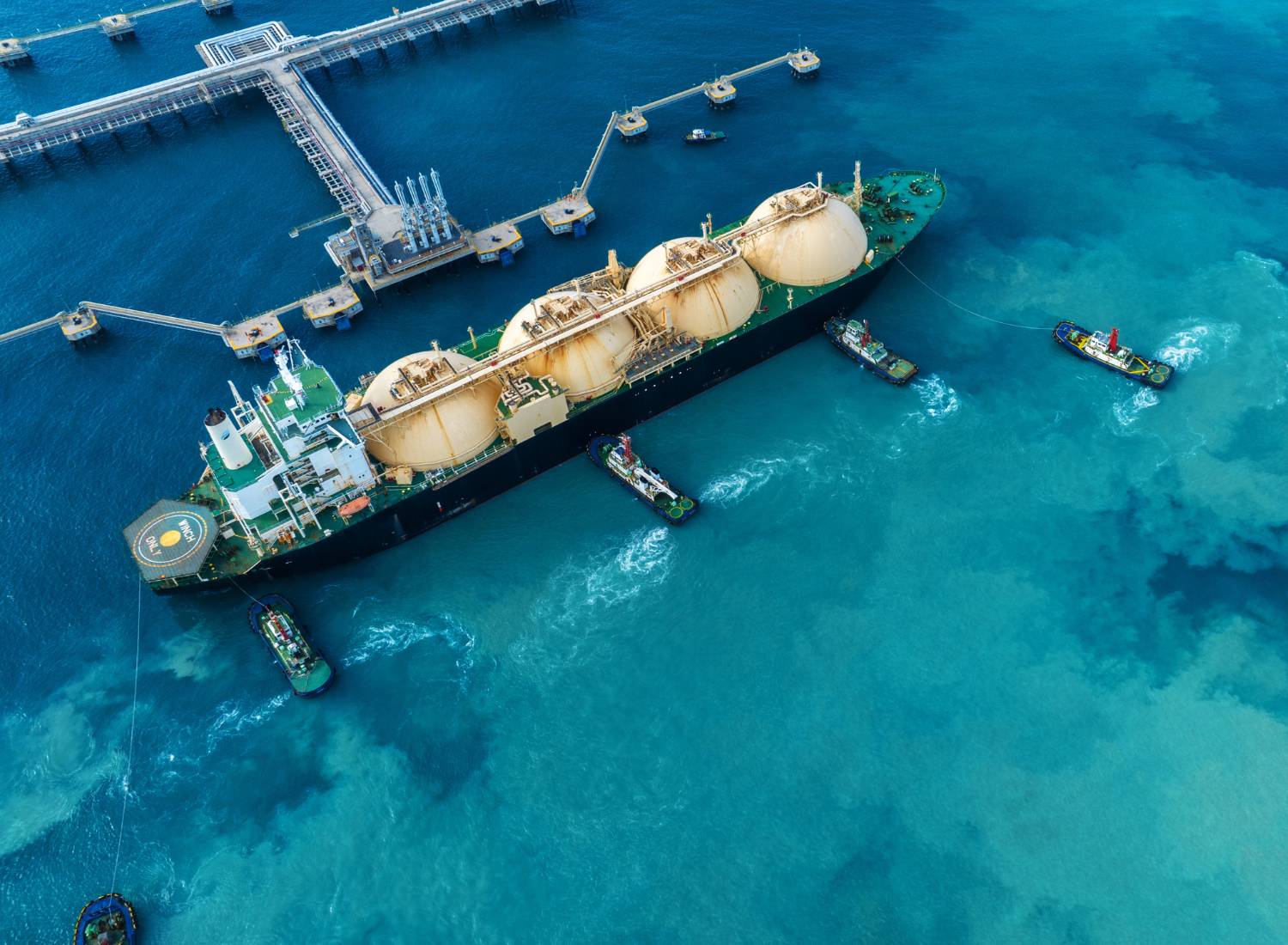
LNG export facilities along the U.S. Gulf Coast are capturing premium margins as European and Asian buyers compete for a shrinking pool of available cargoes — a dynamic accelerated by Qatar’s force majeure declaration and the shutdown of Ras Laffan, the world’s largest liquefaction facility.

The International Energy Agency responded with the largest coordinated emergency reserve release in its history — 400 million barrels across 32 member countries — which it described as a partial stop-gap measure.

However, the gains are not evenly distributed. Refiners face feedstock cost volatility squeezing downstream margins, and utilities are absorbing higher input costs that will ultimately filter through to households and commercial consumers.

Moody’s Analytics has warned that rising oil prices will “push up input, transportation and manufacturing costs at a time when demand remains fragile,” with chief economist Mark Zandi placing U.S. recession odds above 49% — noting a recession becomes “difficult to avoid” if elevated prices persist for even a few more weeks. For regional economies dependent on energy-intensive industries — chemicals, manufacturing, agriculture — this creates a compounding cost environment on top of already elevated tariff-driven input prices. Volatility, not just the price level, is the operative challenge for capital planning.

Logistics & supply chains

The disruption to shipping routes is not hypothetical — it is already registered in freight rates, transit times, and inventory buffers. Vessels rerouted around the Cape of Good Hope are adding 10–20 days to delivery times, while war-risk insurance surcharges, fuel surcharges, and emergency levies from carriers like MSC are making Gulf operations materially more expensive. Traffic through the Strait of Hormuz dropped by 90% in the first days of conflict versus the prior seven-day average, with Hapag-Lloyd, CMA CGM, and Maersk all suspending Gulf transits and rerouting around Africa. 

For U.S. markets reliant on port activity, including Gulf and Atlantic hubs, these disruptions translate into measurable cost inflation for imported goods and longer lead times that are forcing businesses to restructure inventory strategies. The World Economic Forum’s Global Value Chains Outlook 2026 found that nearly 3 in 4 business leaders now prioritize resilience investments, with 74% viewing resilience as a driver of growth rather than a cost — a mindset shift accelerated well before the Iran war but now dramatically validated by it. 

There is also an emerging semiconductor risk that warrants attention. Helium — a critical input for chip fabrication with no viable substitute — is sourced approximately one-third from Qatar, whose Ras Laffan facility was struck by Iranian drones on March 2. Helium spot prices have surged 40–100% since late February, and supply chain consultants estimate a minimum two-to-three-month production shutdown and four-to-six months before the supply chain returns to normal. Bromine — used in circuit formation — faces parallel risk, with approximately two-thirds of global supply originating from Israel and Jordan. Supply chain analysts have raised the prospect of a repeat of the 2021–2023 chip shortage, which cascaded through automotive, consumer electronics, and advanced manufacturing.

Real estate & construction

Construction and development — already navigating elevated interest rates and persistent labor shortages — are absorbing a new wave of material cost inflation driven by energy prices and shipping delays. Steel, imported components, and energy-intensive building materials are all subject to renewed upward pressure, compounding the affordability challenges that have defined U.S. housing markets for the past three years.

The transmission mechanism is direct. Goldman Sachs estimates that every sustained $10 increase in oil prices reduces U.S. GDP growth by roughly 0.1 percentage point, and Brent crude has surged from approximately $70 per barrel before the conflict to over $100 — a $30+ premium that compounds across energy and logistics inputs into construction costs. Moody’s Analytics has published a dedicated analysis on the conflict’s impact on U.S. regional economies, specifically flagging the oil price spike as the primary risk vector. For affordable housing projects where margins are thinnest, the cumulative drag on development economics is material. 

Financial Services

Financial markets have responded to the conflict with a clear flight-to-safety dynamic. The U.S. dollar has strengthened as global investors seek refuge. The dollar index gained 0.95% in the opening days of the war, trading at its highest level in five weeks in the first days of March, with analysts describing the move as a “classic flight to safety.”

Treasury yields have risen on inflation expectations, with the 10-year yield climbing from 3.96% just before the conflict to 4.39% on March 27 — nearly half a percentage point — as bond auctions showed weak demand.  Markets are pricing in the diminished probability of near-term Federal Reserve rate cuts, with Wall Street investors now seeing zero rate reductions this year per CME FedWatch, and 30-year mortgage rates rising to 6.22% from below 6% before the war began. 

The sector picture is not uniformly negative. Energy and defense companies are attracting increased capital flows as investors reposition portfolios.  

Tourism & hospitality

The travel sector is among the most immediately sensitive to geopolitical disruption, particularly given the impact of higher fuel prices. U.S. gasoline prices hit a national average of $4.018 per gallon as of late March — up more than 30% from pre-conflict levels around $2.92 — the highest since August 2022. Diesel crossed $5 per gallon and is more than 40% above pre-conflict levels, with broad implications for the freight and logistics costs embedded in food and consumer goods. Jet fuel, which typically comprises 20–25% of airline operating costs, is subject to the same crude price dynamics, and carriers are repricing forward bookings accordingly.

For U.S. destinations, including Florida markets, the near-term outlook is mixed but not uniformly negative. International inbound travel — already constrained by dollar strength — may soften further, while domestic tourism could see a relative boost as travelers substitute shorter-haul, drive-to destinations for international itineraries. Florida’s ability to capture this domestic reallocation will depend on whether fuel costs escalate to the point of suppressing overall leisure spending, or remain high enough only to redirect it.

Defense, cybersecurity & technology

Periods of sustained geopolitical tension have historically accelerated both government and private-sector investment in defense and security infrastructure, and the 2026 conflict is following that pattern. Defense appropriations, already elevated entering the fiscal year, are likely to be revised upward as the conflict extends. Companies operating at the intersection of technology and national security — cybersecurity, drone systems, satellite communications, and AI-driven threat analysis — are seeing expanded pipeline activity.

Critically, the Iran war has produced what analysts describe as the first confirmed military strikes on hyperscale cloud infrastructure: Iranian drones struck three AWS data centers in the UAE and Bahrain on March 1, taking down two of three availability zones in AWS’s UAE cloud region and disrupting banking, payments, and consumer services across the region. This has materially changed how companies assess geopolitical risk in infrastructure planning.

CNBC reported in March that the conflict is already impacting hyperscalers’ AI buildout plans in the Middle East — with companies slowing new capital deployments, pausing planned partnerships, and beginning to evaluate alternative regional hubs in Northern Europe, India, and Southeast Asia. This shift directly benefits U.S. data center development and cloud infrastructure investment. 

The defense technology opportunity is not limited to prime contractors. Smaller companies with specialized capabilities in autonomous systems, electronic warfare, and resilient communications are increasingly attractive acquisition and partnership targets, a dynamic that is stimulating M&A activity and venture investment in tech-adjacent defense markets.

Want more? Read the Invest: reports.

Spotlight On: Rebecca Bolton, General Manager, Durham Convention Center

Key points:
  • • Demand is shifting toward experience-driven events, with organizers prioritizing dynamic, walkable destinations.
  • • Partnerships across venues and downtown stakeholders expand capacity and competitiveness.
  • • Smaller convention centers compete through flexibility, service, and seamless execution.

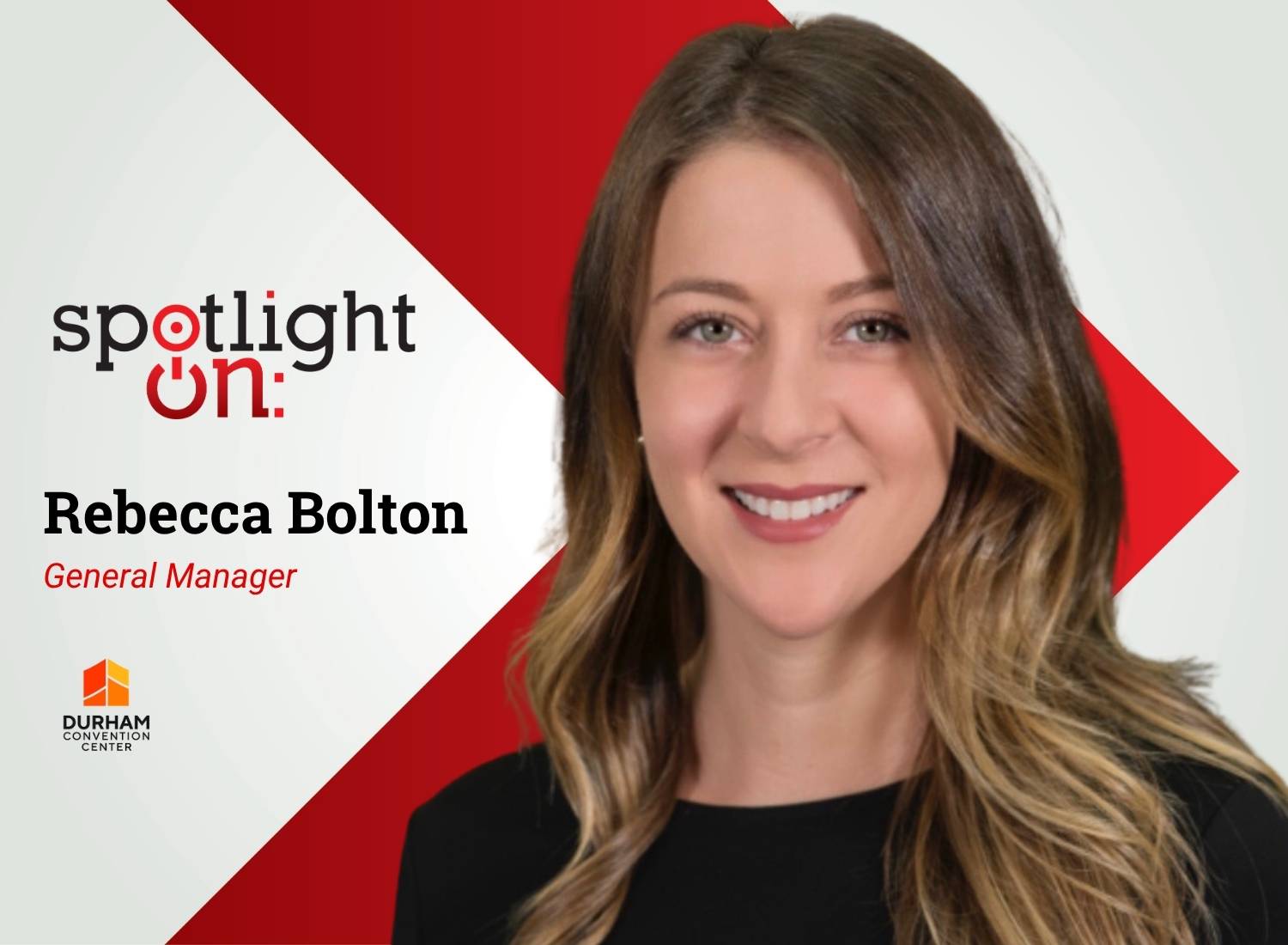
Rebecca Bolton Spotlight onApril 2026 — Invest: spoke with Rebecca Bolton, general manager of Durham Convention Center, about shifts in the meetings and events industry, the growing importance of experience-driven programming, and how downtown partnerships are helping Durham compete for group business. “Attendees want an experience, not just a meeting, and organizers are responding to that demand,” Bolton said.
How would you describe the current outlook for the meetings and events industry, and how is this shaping demand for venues like Durham Convention Center?

The industry has softened over the last couple of years. Coming out of COVID, there was a real ramp-up in demand, and in many ways an overcompensation for the time people spent apart. Since then, activity has leveled off, and the outlook for live events has remained relatively flat. That means venues have to be more thoughtful and strategic about how they fill their calendars.

For us, that starts with diversification. We always try to maintain a balanced mix of events so we can adjust as market conditions change. Some seasons are naturally stronger than others, and when softer periods emerge, we have to become more nimble and more creative in how we respond. That has definitely been the case recently. The challenge is real, but we accept it and enjoy finding solutions.

How has demand evolved, and are event organizers expecting something different from venues today?

Yes, expectations are changing. More and more, people are looking for something beyond a standard conference format. In many cases, people are looking to move away from the turnkey template of conferences. Attendees want an experience, not just a meeting, and organizers are responding to that demand.

That trend works in Durham’s favor. Downtown is highly walkable, the venues are distinctive, and the hotel package is compelling. Within just a few blocks, attendees can find restaurants, entertainment, and a range of settings that make an event feel more dynamic. Instead of having to manufacture an experience inside a blank box, organizers can plug into a destination that already offers character and energy. That is a strong value proposition for groups that want their attendees to commit to their programming annually. 

How does the Durham Convention Center work with partners across downtown to create a more complete destination for conferences and events?

Partnership is central to how we operate. We work closely with Discover Durham, our Durham-based destination marketing organization, along with hotels and other key stakeholders downtown, to position the city as a compelling event destination. One example is DPlex, a partnership among four venues on the same general downtown block.

That collaboration allows us to combine our unique spaces and pursue larger groups than any one venue could likely attract on its own. Durham Convention Center is relatively small, so having the ability to extend the offering through nearby partner venues makes a real difference. It expands the type and scale of business we can pursue while also reinforcing the idea that downtown Durham is a connected event ecosystem rather than a collection of separate properties.

How does that partnership model expand the types of events that can be hosted in the city?

At this stage, the biggest factor is size. Inside the Durham Convention Center, we can provide the same kinds of services that a larger convention center would offer, including the operational support planners need to execute successfully. Through partnership, we can extend those services into nearby properties when a client needs additional space or a more varied footprint.

That effectively broadens the city’s event capacity and creates a more interesting product for organizers. Instead of relying entirely on one traditional space, planners can design something that feels layered and unique. That can elevate the attendee experience and help events stand out.

How do conventions and large events contribute to hotel occupancy, restaurant activity, and overall economic activity in Durham?

The impact is significant, especially for small businesses downtown. We hear directly from them about what it means when visitors are in the district, walking around with conference badges, staying overnight, dining locally, and spending time in the area before and after events. That kind of activity matters.

A major focus for us is attracting groups that generate that kind of economic impact. We want visitors who stay in local hotels to experience downtown Durham and support restaurants and entertainment venues while they are here. Over the last several years, many small businesses have faced real challenges, and meetings and events have helped bring that energy back into the district. That is one of the reasons this work matters so much.

How are convention centers adapting to changing technology needs, including hybrid events and new production demands?

Hybrid events have gone from being a special request to being an expected capability. There was a period when planners were still figuring out how to execute them effectively, and venues had to meet them where they were. Today, the question is less about whether hybrid is possible and more about how it fits the goals of a specific event.

That decision usually comes down to the meeting planner. If the goal is in-person attendance and team engagement, then physical presence may be the priority. If the goal is broader reach, visibility, or brand amplification across a national or international audience, hybrid is an important tool. Our role is to be prepared to support either direction and provide those services efficiently, sometimes on the fly.

What strategies are helping smaller convention centers compete in a highly competitive national market?

Smaller centers have to deliver at the same level as larger ones. When a client arrives, the question is whether everything they need is ready and easy or whether they are going to spend valuable time managing rentals, food and beverage, equipment, and audio-visual support themselves. That is where smaller centers can differentiate.

We work hard to make the experience seamless. If the planner walks in and everything is prepared, that changes how they feel about the venue and the destination. For convention centers like ours, that is particularly important because we do not have hotel room revenue as part of our business model. We have to create value through service, flexibility, and execution. Small centers that do this well can be incredibly effective. They are small but mighty, and they depend on strong teams where people wear multiple hats and perform at a high level.

As cities compete to attract visitors, investment, and business activity, how do you see the role of conventions and events evolving?

A lot of destinations are trying to expand their venue offerings right now, but the economics of those projects are difficult in the current climate. That means many cities are having to get creative rather than simply building their way into growth. The competition is no longer just about size or price. It is increasingly about experience and value.

Organizers want to know what makes an event special, what makes a city worth visiting, and why attendees will remember the experience. Price always matters, but when the market is tight, the stronger value proposition tends to win. Durham has an advantage because it already offers a distinctive environment, and that gives us something meaningful to build upon.

Looking ahead, what opportunities do you see for the Durham Convention Center and downtown Durham’s event ecosystem over the next few years?

There is a lot of opportunity around festivals, events, and continued activation of the downtown ecosystem. There is clear interest from city leaders and partners in looking at event spaces, thinking about how they can be optimized, and building a stronger platform for future growth that creates room for new ideas and stronger collaboration.

On a more personal level, I am also focused on the hospitality workforce and the long-term health of the industry. Hospitality was hit hard during COVID, and we are still rebuilding interest and momentum in some areas. I would like to continue showing young people and emerging professionals that there is a path in this business and that it is a rewarding one. It is a dynamic industry where no two days are the same. Once people get into it and feel that energy, they often stay. That is an important part of building the future, not just for the Durham Convention Center, but for the broader hospitality community.

Want more? Read the Invest: Raleigh-Durham report.

All eyes on Miami as CoMotion tackles urban mobility in the age of AI

Key points:

  • • CoMotion Miami brings together leaders to address growing pressure on urban mobility systems.
  • • Cities are shifting from innovation to practical, outcome-driven transit solutions.
  • • Congestion and accessibility challenges are pushing new investment in multimodal and smart mobility.

April 2026 — Urban mobility is having a moment. From expanding light rail networks to public-private transit-oriented development deals, cities across the U.S. are racing to move people more efficiently, and the pressure is mounting.


Join us at caa’s upcoming leadership summits! These premier events bring together hundreds of public and private sector leaders to discuss the challenges and opportunities for businesses and investors. Find the next summit in a city near you!


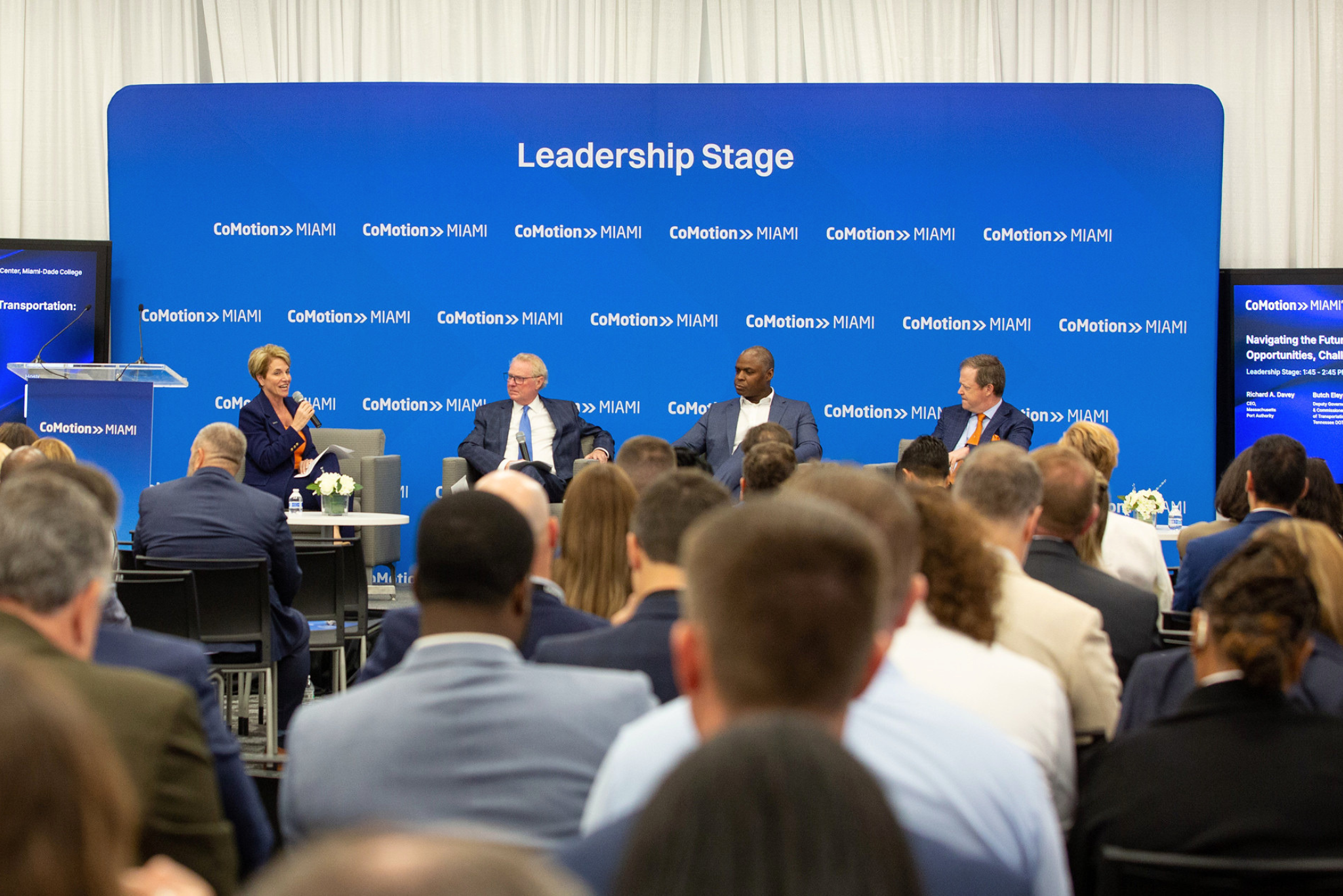
CoMotion Miami, now in its seventh year, brings together the public officials, industry leaders, and innovators shifting gears. Taking place April 28–29 at Miami Dade College, the two-day conference features meaningful networking, panel discussions, workshops, and programming at the intersection of urban mobility and AI.

caa Founder and CEO Abby Lindenberg will moderate a panel on the latest mobility trends. “Every city in America is trying to understand what moves residents and visitors around as frictionlessly as possible,” Lindenberg said. “CoMotion is the perfect platform to highlight the transport and mobility solutions being implemented around the world, and what’s at stake if we don’t adapt.”

The stakes are real. Miami and the broader Tri-County area, encompassing Broward and Palm Beach counties, rank among the most traffic-congested regions in the country. Consumer Affairs ranked Miami the third-worst U.S. city for traffic in 2025, with average daily commutes approaching 30 minutes. And with more than one-third of Americans unable to rely on a personal vehicle, car-centric infrastructure alone can no longer carry the load.

Those dynamics affect how business leaders think about mobility. In a recent Invest: Greater Fort Lauderdale interview, Circuit Co-founder and CEO Alexander Esposito noted a meaningful shift in how cities and developers approach transit investment. “Years ago, the conversation was often innovation for the sake of innovation,” Esposito said. “Now, we see cities and properties spending more time on use cases and outcomes.” Esposito will speak on Wednesday about modern mobility partnerships and where Circuit’s city partnerships serve as a live case study in micro-transit and last-mile service.

CoMotion Miami draws global mayors, innovative policymakers, public transport agencies, technology founders, and VC investors — all focused on how people and goods move on land, sea, and air. For anyone tracking where infrastructure investment, smart city technology, and mobility policy are headed, these are the rooms to be in.

Image via CoMotion/Flicker

Register now and save 30%.

Want more? Read the Invest: reports.

eMerge Americas connects capital, policy, and innovation leaders

Key points:

  • • eMerge Americas 2026 will convene global leaders to focus on AI, innovation, and cross-sector collaboration.
  • • The agenda reflects a shift from experimentation to execution, with applied AI and quantum computing taking center stage.
  • • Miami’s growth as a tech hub continues, though talent and startup depth remain key challenges.

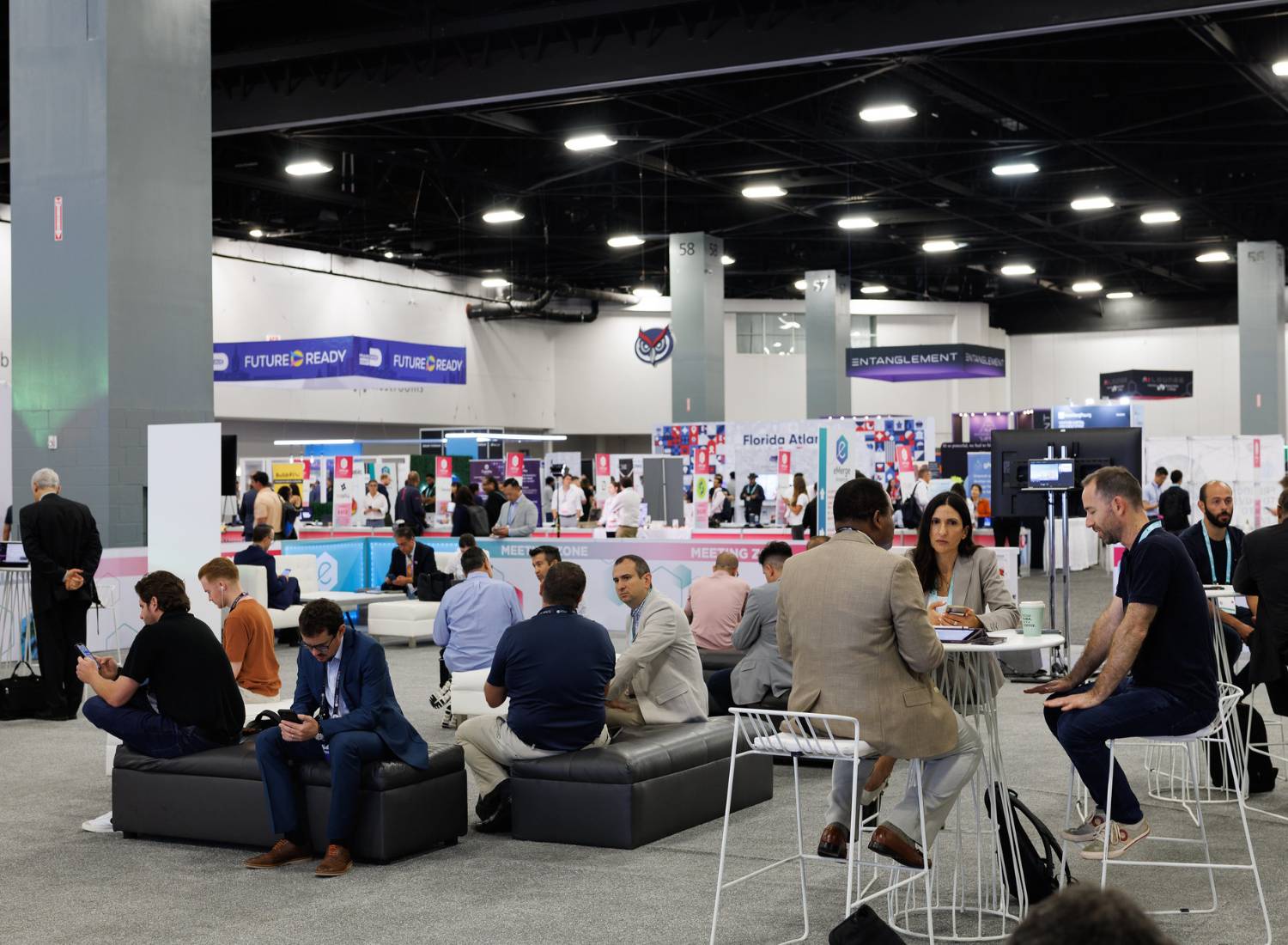
eMerge Americas 2026April 2026 — eMerge Americas will return to the Miami Beach Convention Center from April 22–24, 2026, convening more than 20,000 global leaders from over 60 countries at a pivotal moment for enterprise innovation, capital deployment, and national security strategy.


Join us at caa’s upcoming leadership summits! These premier events bring together hundreds of public and private sector leaders to discuss the challenges and opportunities for businesses and investors. Find the next summit in a city near you!


Now in its 12th year — and its largest gathering to date — the conference has evolved into a critical platform for C-suite executives, policymakers, investors, and founders navigating the rapid acceleration of artificial intelligence and advanced technologies across industries.

A central highlight of this year’s program is a keynote conversation featuring Under Secretary of War for Research and Engineering at the Department of War Emil Michael, alongside Francis Suarez, former Mayor of Miami and President of eMerge Americas. The discussion will provide an inside look at how the Department is scaling AI from pilot initiatives to enterprise-wide, mission-critical systems — offering valuable insights into public-private collaboration, capital flows, and the infrastructure required to operationalize emerging technologies at scale.

The speaker lineup reflects the conference’s cross-industry reach, featuring leaders from technology, finance, healthcare, and media, including Tim Tebow, Jamie Siminoff (Founder of Ring), Alex Oshmyansky (CEO, Mark Cuban Cost Plus Drug Company), Ali Dasdan (CTO, Dropbox), Nicole Baer (CMO, Carta), Adam Fletcher (CSO, Blackstone), and Manish Goyal (IBM Consulting), among others.

Abby Lindenberg, caa founder and CEO, will serve as a panel moderator for the conference, which underscores caa’s commitment to engaging in cross-sector dialogue that shapes strategic decision-making at the highest levels.

“We have partnered with eMerge for the past few years, and we have seen firsthand how important this meeting of the minds is to growth and innovation,” Lindenberg said. “eMerge is shepherding the future of technology for all businesses and industries.”

The 2026 program reflects a broader shift from experimentation to execution. For the first time, eMerge Americas will introduce a dedicated pre-conference day focused on applied AI and quantum computing workshops — designed for leaders seeking practical frameworks for implementation. Across six content stages, executives will engage with topics spanning AI and Deep Tech, National Security, HealthTech, FinTech, and beyond, supported by curated networking environments and direct access to emerging companies and capital sources. 

According to a 2025 Brookings report on AI, most U.S. cities are not equipped for the next tech wave. ‘Star’ hub Miami, while one of the fastest-growing areas for AI job postings, still lags behind San Francisco and San Jose, the only two U.S. markets that made the list of “Superstar” hubs. According to the report, South Florida needs to work on the talent pipeline, increase startups that tackle big, technical issues, and continue to adopt AI into everyday practice.

As organizations increasingly operate at the intersection of technology, policy, and global competition, eMerge Americas 2026 offers a timely forum for executives to gain strategic insight, build partnerships, and position their organizations for the next phase of growth. 

“We’re in a renaissance moment,” Rebecca Fishman Lipsey, president and CEO of The Miami Foundation, told Invest: Miami. “Some people have believed in Miami for a long time, long before it was considered a global hub. Now that momentum is real, and the opportunity is enormous.” 

eMerge Americas registration is now open, with multiple access tiers available for attendees.

Image via eMerge Americas/Flicker

Want more? Read the Invest: reports.

How Atlanta leaders are building a city that outlasts the World Cup

Key points:

  • • Infrastructure and development are aligning to support Atlanta’s growth ahead of global events like the World Cup.
  • • Housing affordability and access near job centers are emerging as critical challenges.
  • • Downtown is shifting toward mixed-use density, with mobility seen as a key constraint on future growth.

AtlantaApril 2026 — Infrastructure and large-scale development are converging to reshape how Atlanta grows, both in preparation for global events and in defining the long-term future of its urban core. As investment accelerates across the region, public and private leaders are increasingly aligned around how to support growth while ensuring it remains accessible and economically sustainable.


Join us at caa’s upcoming leadership summits! These premier events bring together hundreds of public and private sector leaders to discuss the challenges and opportunities for businesses and investors. Find the next summit in a city near you!


“Atlanta is not a rookie city when it comes to hosting events,” said Michael Russel, CEO of H.J. Russell & Companies, during the Focus: Atlanta Leadership Summit in March. “From an infrastructure point of view, not just physical assets but public safety, technology, and transit, we are working to make sure the city is ready.”

That preparation is already influencing development decisions across the metro. With the FIFA World Cup approaching, infrastructure investments are being treated as long-term assets that will determine how residents and businesses move through the city.

At the airport, the region’s primary entry point, the focus has shifted toward filling specific gaps in how workers get around. Gerald McDowell, executive director of the ATL Airport Community Improvement Districts, pointed to microtransit as one example with the launch of Shift On Demand last year.

“Instead of waiting 30 to 40 minutes for a bus, you can request a ride through an app and get to your destination much faster,” McDowell said. “That is a life-changing solution.” 

Since its launch, the pilot has already exceeded expectations, signaling that demand for flexible transit exists and that leaders must rethink how mobility systems support major employment centers.

The connection between transportation and access is also pushing housing conversations in a new direction. As job centers expand and workers travel farther to reach them, where people live relative to where they work is carrying more weight in development decisions across the metro.

“The average first-time homebuyer in Atlanta is now 40 years old,” said Booker Washington, founder and CEO of Techie Homes. “That changes how we think about affordability, access, and the path to building wealth through housing.”

For many developers and housing providers, those challenges are compounded by rising costs and regulatory constraints.

“There is a shortage of roughly 100,000 affordable units across the region,” said Larry Padilla, CEO of Decatur Housing. “At the same time, development costs continue to rise, making it harder to deliver housing that working families can actually afford.”

A broader mix of housing types, from micro homes to condos to single-family, is needed near employment hubs like the airport, where much of the workforce still rents and has few paths to building equity.

From global readiness to downtown transformation

These same pressures are redefining Atlanta’s urban core. What might look like preparation for global events are also decisions that will define the region for years to come, rethinking how downtown gets built, activated, and tied to the neighborhoods around it.

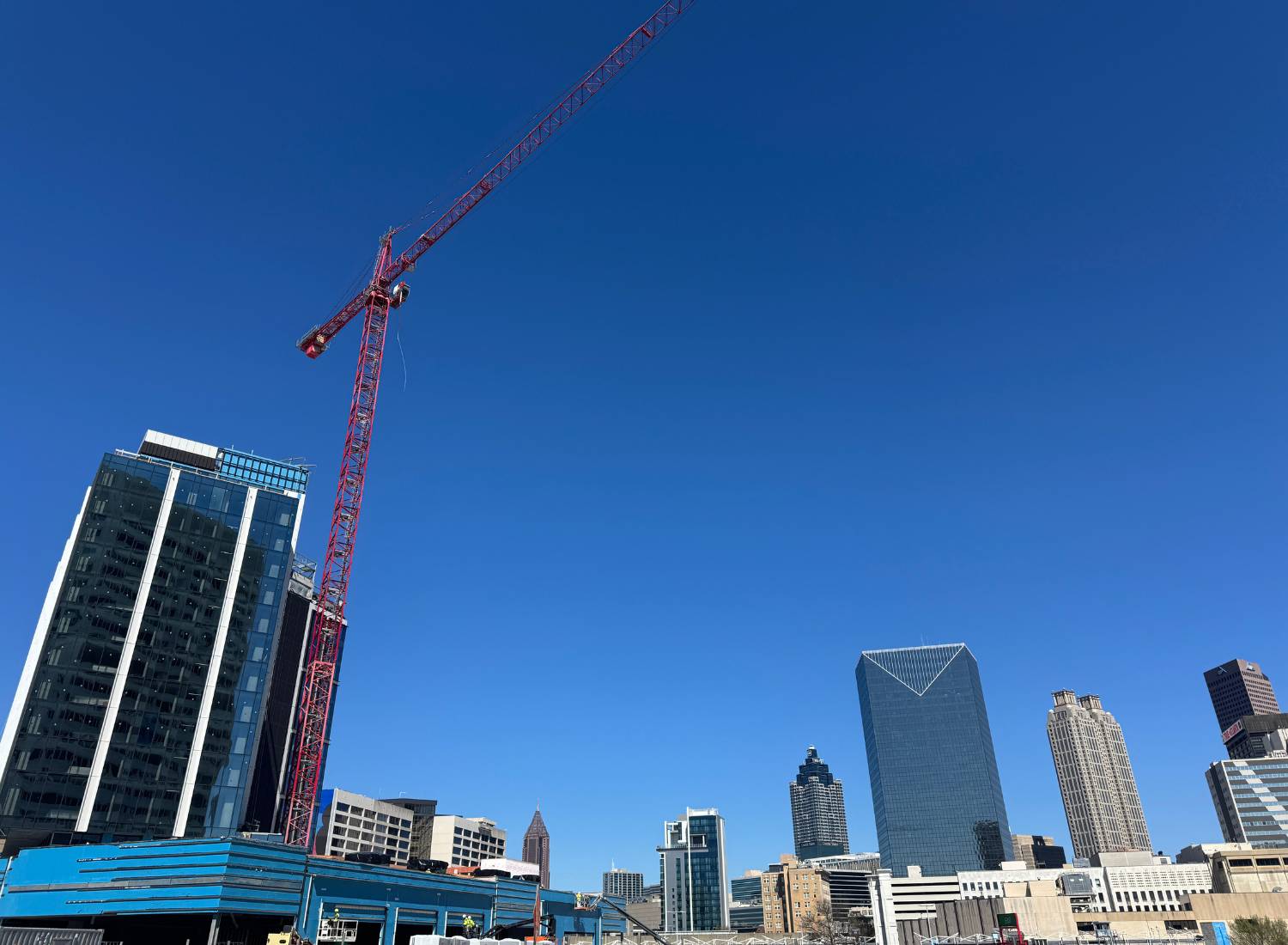
“You’re seeing construction cranes in downtown Atlanta again. That hadn’t happened in decades,” said Brian McGowan, CEO of Centennial Yards. “We’re moving from a place that was largely inactive outside of major events to one that is being built as a true mixed-use district.”

That shift is being driven in part by Centennial Yards, a $5 billion redevelopment transforming a long-underutilized stretch of downtown into a dense, mixed-use district. Early phases are already taking form. The Mitchell, a 300-plus-unit residential tower that opened in 2025, brought new density to an area previously dominated by surface parking, while ground-floor retail and restaurant space are beginning to activate the street level.

Across the street, Hotel Phoenix has opened close to Mercedes-Benz Stadium and State Farm Arena, adding nearly 300 rooms and a bar-driven hospitality concept to the district. The hotel, which hosted the Focus: Atlanta Leadership Summit, reflects a wider push to create destinations that draw people downtown outside of major events.

It’s part of a longer transition, as downtown Atlanta moves from an event-driven environment toward something closer to a functioning neighborhood.

That push toward activation is also visible at the street level, particularly in projects like Underground Atlanta. Shaneel Lalani, CEO of Lalani Ventures, said one of the biggest gaps in downtown has been the lack of a consistent residential base.

“What’s missing is people living downtown,” Lalani said. “Historically, people have come for events and then left.”

Lalani noted that Underground Atlanta alone has already drawn more than 2 million visitors over the past year, a signal of growing interest in the area. The next phase, he said, is converting that activity into a more permanent presence, supported by housing, retail, and everyday amenities.

Running parallel to it is continued investment along the Atlanta Beltline, which has become one of the city’s biggest economic drivers. Roughly $900 million in public investment has helped generate more than $9 billion in private development, according to Clyde Higgs, president and CEO of Atlanta Beltline. 

“When you look at the return on public investment, it is significant,” Higgs said, pointing to the project’s role in driving job creation and new development.

Leaders were clear, though, that growth at this scale must be paired with deliberate thinking about who benefits. “It is not about balancing growth and affordability,” Higgs said. “If you approach affordability proactively, it actually fuels growth rather than constraining it.”

That view is gaining ground among both public agencies and private developers, especially across downtown and surrounding districts where several major projects are moving at once. Invest Atlanta is guiding more than $3 billion in potential development, spanning projects like the conversion of 2 Peachtree Street into residential units and the revitalization of Underground Atlanta, alongside the continued buildout of Centennial Yards. Together, they are expected to add thousands of residential units and hotel rooms to the urban core, much of it timed around the 2026 World Cup but designed to outlast it.

“What we see today is not going to be the downtown of the future,” said Eloisa Klementich, president and CEO of Invest Atlanta. 

Pointing to a pipeline of projects already funded or underway, she emphasized that the scale of investment will change Atlanta over the coming years, bringing new housing, retail, and public space into areas that have historically lacked consistent activity.

“These are not projects sitting on a shelf,” Klementich said. “They are already moving forward and will change how downtown functions.”

Mobility as a lever for growth

As Atlanta looks toward 2030 and beyond, mobility stands as a potential constraint on regional growth. With Metro Atlanta expected to add close to 2 million residents over the next two decades, transportation systems will need to expand in both capacity and reach to keep pace.

“You cannot grow your economy if you cannot move people, goods, and information,” said McGowan. “Mobility is going to be a natural growth restrictor if we don’t address it.”
That challenge is already visible in how people move in and out of downtown, where much of the existing infrastructure was designed long before the scale of development now underway.

“The freeway system that connects downtown was built in the ’60s and ’70s,” McGowan said. “It wasn’t designed for the level of activity we’re adding today.”

No single fix will be enough. Higgs pointed to trails, transit, and regional coordination as pieces of a larger puzzle, arguing that connectivity between districts and access to alternative modes of transportation are just as important as expanding roads or adding capacity.

“The ability to move through the city is going to require more than one solution,” Higgs said.

Interested in reading the Focus: Atlanta report? Sign up today!

For complete conference panel discussions, tune in to our YouTube Channel.