
Brett Atkinson, President South Florida, Moss & Associates
In an interview with Invest:, Brett Atkinson, president of South Florida at Moss, discussed the company’s recent milestones, the evolving construction landscape, market trends, and industry challenges. He also shared insights on technology’s role in construction and Moss’ priorities for the years ahead.
What have been the most significant milestones and achievements for Moss in South Florida over the last year?
I always start internally. At the end of the day, if you focus on your people, your strategy, and your structure, and do it for the right reasons, you attract great talent. Great people can transform any business.
Looking back at the last 12 to 18 months, I couldn’t be more proud of our team and how they collaborate. When they work together, not for themselves but as a unit, they accomplish extraordinary things.
South Florida is a dynamic and growing market. At Moss, we operate across Palm Beach, Broward, and Miami-Dade counties, each of which functions differently. I don’t measure success by a single project in a given year, I look at the bigger picture. Right now, we have 27 active projects, the most we’ve ever managed in a single year.
Our revenue stands at around $1 billion, and the market itself is at about $1.2 billion. We’re growing into that space while ensuring we do it for the right reasons. I’m incredibly proud of our team.
How has the construction landscape evolved in South Florida over the past year, and what key trends are shaping the industry?
I think the landscape evolves over a five-year period, but I’ve seen noticeable shifts over the past year. I was born and raised here, so I’ve watched the region change significantly.
What’s become more pronounced is that South Florida is no longer just a tourist and hospitality hub, it has evolved into a sustainable business environment. In the past, people came here for vacations or spring break. Now, we’re seeing real jobs, high-skilled positions, and major companies relocating here. That kind of economic shift fuels growth across all sectors — public, private, and midsized projects.
COVID was a turning point. Everyone was uncertain about what would happen, but it ultimately accelerated growth in this region. The influx of wealth and businesses, coupled with evolving workplace dynamics, has changed how companies operate. South Florida benefited tremendously from this shift, and over the last year, we’ve seen projects become larger in scale.
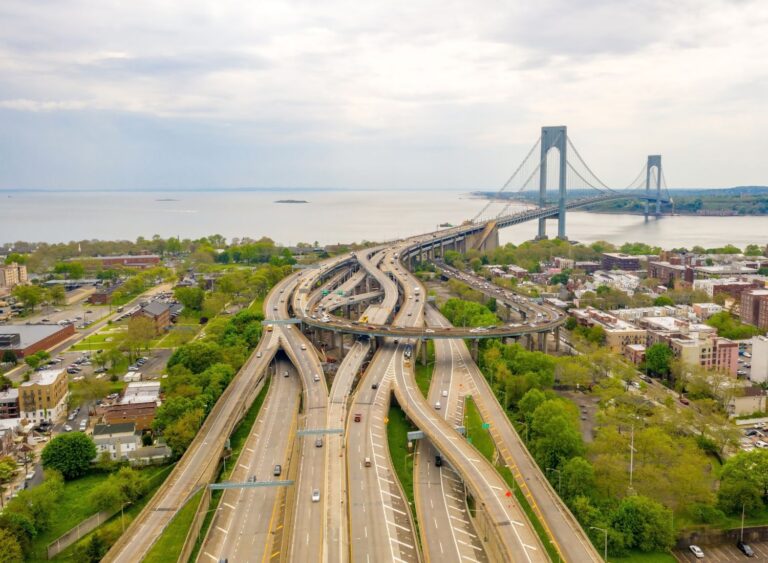
This is a great place to live, especially if you thrive in a growing environment. Some people complain about traffic, but I always say traffic is a sign of demand, so celebrate it. The more people there are here, the more economic activity we have. Each of the three counties is working hard to keep up with the pace of growth, whether it’s through infrastructure, ports, or airports. It’s an exciting time.
What types of projects are in the highest demand, and what fundamentals are driving that demand?
People drive everything — they shape both the economy and our business. In the short term, commercial construction follows money and financing. Over the past two to three years, for-sale condos have been a major driver of growth.
This sector represents about 50–60% of our work. The market has shifted toward high-end luxury, largely due to the influx of wealth into the area. Condominiums are getting larger, more luxurious, and significantly more expensive.
Beyond residential, we’re also seeing an uptick in other sectors. The rise in population is increasing the need for infrastructure, such as public safety buildings. We’re currently constructing two new police stations in Hollywood and Fort Lauderdale, replacing buildings that have been in place for 40–50 years. These are major upgrades for both cities.
Miami, in particular, has seen a shift. A significant portion of our revenue has moved toward Miami and Palm Beach, with both markets evolving faster than Broward in terms of new construction. That said, I believe Broward will soon follow suit. The momentum we’re seeing in these regions is remarkable.
What challenges is the industry facing, and what strategies do you have in place to navigate potential headwinds?
You have to move with the times. One of Moss’ strengths is diversification. We take on small, midsize, and large projects across both the public and private sectors. I like to say we do anything and everything except single-family homes and federally contracted work—that too can change with the times.
Diversification is key. Large-scale projects require significant investment, with both debt and equity playing major roles. When interest rates rise, financing becomes more difficult. The apartment sector was a steady driver for 12 years, but it has slowed dramatically unless projects have subsidies. Rising interest rates, insurance costs, and construction expenses, combined with flat rental rates, have stalled new apartment developments.
Conversely, the influx of wealth into South Florida has fueled demand for high-end condos. While rental projects have slowed, luxury condos have surged. We’re currently working on the Ritz-Carlton in Pompano, Cipriani in Miami, and the Paragon in Miami Beach, and we just completed Five Park in South Beach.
Markets change, and we’re seeing shifts now. Interest rates are starting to drop, construction pricing has stabilized, and consumer confidence is improving. Rental vacancies are also getting absorbed as more people move in. I expect the apartment sector to rebound strongly in the next 12 to 18 months.
A major challenge is the impact of rising wealth on workers and affordable housing. South Florida is a great place to live, but it can’t be exclusively for the wealthy. Affordability is a risk not just for construction but for the region as a whole. Encouragingly, there’s momentum in public-private partnerships bringing more affordable housing projects to life, and that’s something everyone needs to rally around.
How is technology shaping the construction industry, and how is Moss leveraging it?
Construction has long been seen as slow to change, but technology is now making a real impact. AI is a major topic, but technology in construction varies by sector. Moss operates in four regions — South Florida, Tampa, Dallas, and Hawaii — focused on vertical construction. That’s completely different from our national solar division, which has 3,000 hourly workers. In vertical construction, we primarily manage trade contractors with salaried employees, so technology solutions must be tailored accordingly.
For our decentralized solar business, technology is critical for safety, training, and standardizing best practices. At our Fort Lauderdale headquarters, we have 72 technology innovators working on data analytics and decision-making dashboards. We also have a small AI team, but we’re taking a cautious, strategic approach, investing in education and gradual implementation rather than rushing in.
The key question is whether to be bleeding edge or leading edge. We aim to be leading-edge, adopting AI and other innovations in practical, secure ways. We’ve already developed an internal AI system that uses only our proprietary data. AI’s role will become clearer in the next three years, and companies will increasingly adopt tailored secure AI solutions.
What are your top priorities for Moss in South Florida over the next few years?
Success comes from doing the right things for the right reasons: understanding your markets, engaging with your community, and prioritizing your people.
Moss is in a strong position as a reputable contractor. We’re not looking to be the biggest, but we are committed to creating an environment where employees are inspired, feel safe — physically, personally, and mentally — and leave each day feeling fulfilled.
Growth isn’t about size; it’s about opportunity. We want to provide personal and professional growth for those who invest in Moss every day. That’s why we focus on building a strong internal community.
South Florida is a growing market with plenty of opportunities. Our priority is to stay focused on what we do best, understand the landscape, and capitalize on the right opportunities. At the end of the day, you can only control your own game, and that’s what we’ll continue to do.