Lock‑in effect reshapes Sun Belt housing strategy
Key points:
• The mortgage lock-in effect is easing as more homeowners take on market-rate loans, slowly restoring housing mobility.
• Affordability challenges now stem more from wage-home price gaps than interest rates, shrinking options for median earners.
• Sun Belt markets remain relatively attractive, but rapid price growth is eroding their historic affordability advantage.
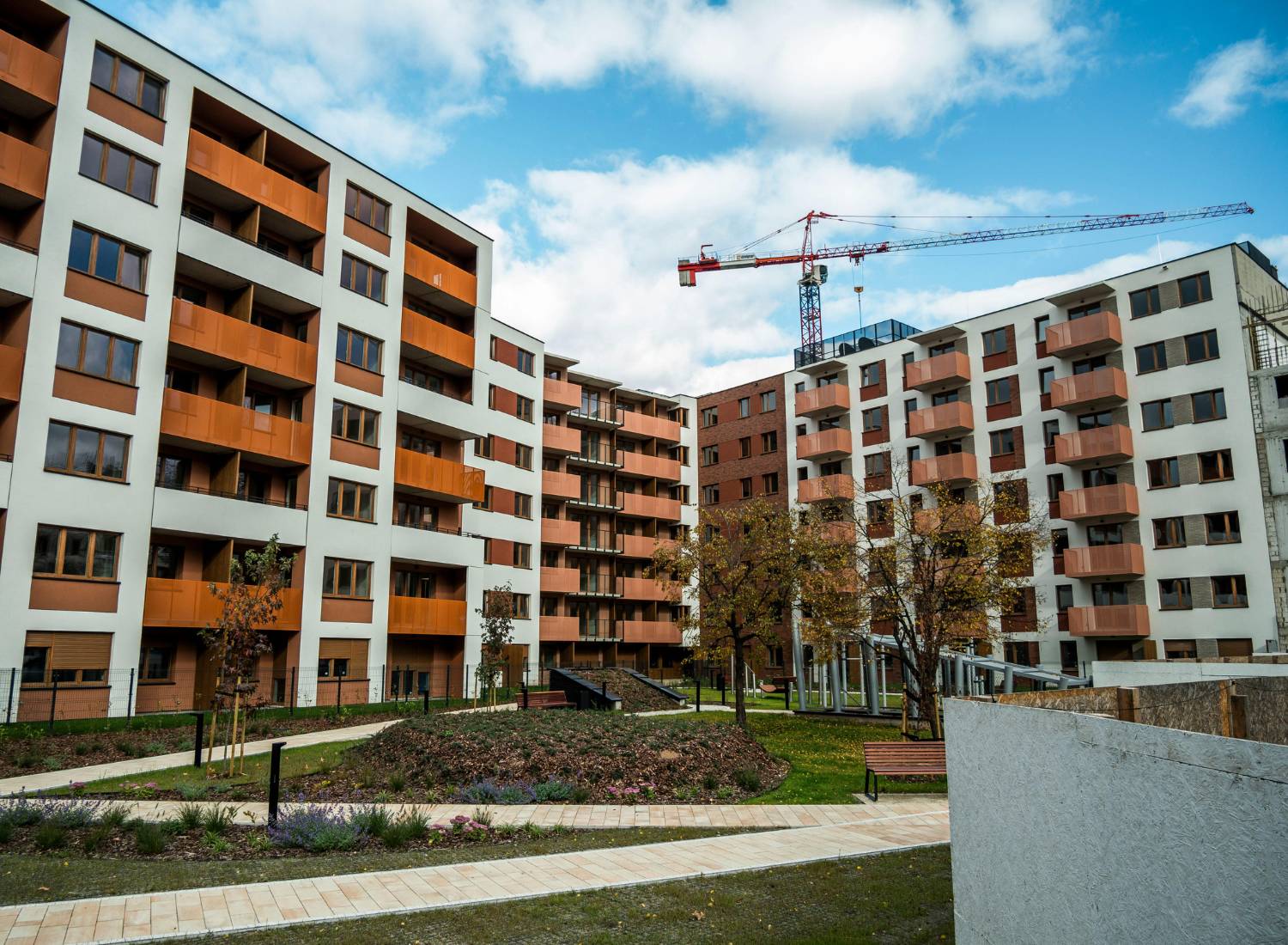 January 2026 — The mortgage rate lock-in effect has long defined the U.S. housing market. During the pandemic, millions of homeowners secured loans below 3%, according to Fortune. That cheap debt discouraged selling, since moving often meant doubling mortgage costs.
Join us at caa’s upcoming leadership summits! These premier events bring together hundreds of public and private sector leaders to discuss the challenges and opportunities for businesses and investors. Find the next summit in a city near you!
That dynamic is beginning to shift. According to Fannie Mae’s mortgage database, 20% of U.S. mortgages now carry rates above 6%, surpassing the share of sub-3% loans for the first time since 2020. This change reflects a steady stream of new originations — not a surge in sales. Even during sluggish years, five to six million mortgages are issued annually, most at current rates.
As more borrowers take on market-rate loans, mobility is gradually returning. That’s a modest but meaningful sign of normalization heading into 2026.
“We’re seeing the most balanced market in years,” said Jessica Averbuch, CEO of Zeitlin Sotheby’s International Realty in Nashville, in an interview with Invest:.
“Buyers now have more choices and leverage,” she added. “But they’re also more informed and cautious.”
Affordability gaps widen
Mortgage rates may stabilize, but home prices remain out of sync with incomes
Affordability challenges now stem less from interest rates and more from structural imbalances between wages and home values. Even as borrowing costs level off, the number of homes priced within reach of median earners is shrinking.
A recent Axios study found that only 11 of the 34 largest U.S. metros have at least 30% of homes affordable to households earning about $80,000 annually. Realtor.com’s 2025 index echoed this trend, showing just 3 of the top 50 metros meet the 30% income-to-housing cost benchmark.
“It’s a tale of two cities, and both perspectives are true,” Averbuch said.
“Interest rates are higher than what many are locked into, but they are still historically reasonable.”
See how Real Estate impacts regional businesses:
Spotlight On: Jason Pierson, President, Pierson Commercial Real Estate
Federal Reserve interest rate policy ushers in strategic development
Face Off: How innovation districts and housing demand are holding up
Sun Belt pricing diverges
Even within the Sun Belt, affordability varies significantly. Regional price disparities highlight growing gaps even within fast-growing states. A 2026 pricing snapshot from shows:
– Dallas: ~$415,000
– Houston: ~$335,000
– Austin: ~$525,000
– Fort Worth: ~$365,000
These price points create meaningful differences in the cost of living. Houston, for instance, remains one of the more affordable large metros in Texas — not only in housing but also in essentials like groceries and transportation.
Yet even in cities like Houston, affordability is eroding. According to the Houston Chronicle, there has been a steep decline in homes priced below key income thresholds since 2019, reflecting a broader squeeze on entry-level buyers.
Power of the dollar
Real purchasing power weakens as appreciation outpaces wages.
Even where base costs remain low, the gap between income and home values continues to widen. The Houston Chronicle found affordability dropped sharply from 2019 to 2025, with fewer homes accessible to median earners.
Price-to-income ratios have stretched in most metros. At the same time, real purchasing power differs by region. Tax Foundation, with data provided by The Bureau of Economic Analysis, showed that the value of $100 varies significantly by metro, translating to meaningful shifts in lifestyle and housing access. While some Sun Belt cities still outperform coastal markets, appreciation is rapidly narrowing the difference.
“People want their next move to make sense and be a smart long-term decision,” Averbuch said. “Today, they’re focused on finding homes that feel like sanctuaries — places of stability amid global uncertainty.”
Migration into the Sun Belt remains strong, fueled by job growth and relative cost advantages. But according to a Zillow press release, for many first-time buyers and newcomers, the region’s historic affordability edge is slipping — creating tighter constraints even where income metrics look favorable.
Want more? Read the Invest: reports.
Subscribe to Our Newsletters