






Adapting care models to rising pressures in Philadelphia
 November 2025 — Greater Philadelphia’s health systems are adapting to rising costs, shifting patient expectations, and workforce pressures. Providers are expanding community-based access, modernizing care sites, and leveraging technology to stay efficient while keeping quality and affordability at the forefront.
Join us at the Invest: Philadelphia 6th Edition Leadership Summit! This premier event brings together hundreds of Southeast Pennsylvania and South Jersey’s regional leaders to discuss the challenges and opportunities for businesses and investors. This year’s theme centers on the regional strengths of the eds and meds. Click here to learn more.
The move toward smaller, more flexible care environments is accelerating nationwide. The ambulatory surgery center market is projected to increase to $155 billion by 2034, up from $105 billion today, as outpatient services continue to expand into diverse settings driven by demand for lower-cost and community-based care.
Meanwhile, hospital finances remain strained. Median hospital operating margins, at 3.3% earlier this year, remain below pre-pandemic levels. Hospital performance is improving modestly. The National Hospital Flash Report shows that adjusted discharges, ED visits, and operating room minutes all increased in April 2025 compared to the same period in 2024, but the gains are driven largely by larger hospitals. Facilities with 300 to 499 beds saw margin growth of more than 30%, while the smallest hospitals, those with fewer than 25 beds, experienced continued financial declines. The Northeast and Mid-Atlantic region recorded a 6% and 7% year-over-year margin decrease, signaling persistent structural pressure in this market.
Affordability remains a major concern for both patients and providers. National out-of-pocket health spending averaged $1,514 per person in 2023, in a market where even insured consumers are bearing increasing financial burdens. Employers expect healthcare costs to rise by 6.7% in 2025, driven by wage inflation and higher care volumes. Delivering care that is closer, faster, and less expensive is becoming a competitive necessity.
Join us at the Philadelphia 6th Edition Leadership Summit! This premier event brings together hundreds of Southeast Pennsylvania and South Jersey’s regional leaders to discuss the challenges and opportunities for businesses and investors. This year’s theme centers on the regional strengths of the eds and meds. Click here to learn more.
Health-system leaders are turning to digital tools and artificial intelligence to bridge the gap. Grant Thornton’s State of Work in America survey found that 93% of respondents in healthcare organizations reported that technology has a positive or slightly positive impact on their day-to-day roles.
Healthcare providers are stepping up efforts to improve efficiency and patient access amid pressures. According to Philips’ 2025 Future Health Index survey, 84% of healthcare professionals believe AI can reduce administrative burden by automating repetitive tasks, 78% see it expanding capacity to serve more patients, and 84% believe it can improve access to clinical research.
Invest: spoke with regional leaders in healthcare delivery to hear insights on how institutions are responding to costs and workforce challenges while innovating care models and operational efficiency.
 Kert Anzilotti, chief physician executive of ChristianaCare and president of ChristianaCare Medical Group
We are thoughtful about creating a healthcare ecosystem that is sustainable. The two most important things are creating access points closer to where patients live and work and making healthcare affordable. We recently opened a neighborhood hospital, a small-footprint inpatient facility with ancillaries and diagnostics, with only 10 inpatient and 10 emergency department beds. Patients don’t have to travel to a large hospital to get the care they need. This is a sustainable model that becomes part of the community, and we think this is the future of creating health care access points.
We have a large initiative around ambulatory surgery centers. Our operating rooms at our main hospital are in high demand, and a number of those surgeries can be performed at a lower cost, and in a more sustainable way, at a smaller location convenient to where people live and work. We have significantly increased our urgent care footprint, up to 14 locations, spanning across Delaware, Maryland and Pennsylvania. All these access points are less congested, easier to access, and provide care at a lower cost and in a more sustainable way.
 Shelly Buck, president of Riddle Hospital
Over the past year, there have been significant changes in the region’s healthcare landscape. A local healthcare system closed its doors, and about two years ago it had already begun to decrease access. In response, we started preparing for a possible closure, even as we moved forward with a master campus modernization plan that aimed to transition care into our newer facilities. As part of that plan, we built a new pavilion with 78 private acuity-adaptable beds, 10 new operating rooms, a new labor and delivery suite, and two new C-section rooms.
The future of healthcare is changing. Sites of care will continue to evolve and move outside of acute care hospitals. As care delivery and processes improve, I believe it is important to keep finding ways to help people heal in spaces outside of the hospital. At the same time, we need to advance care for higher-acuity and sicker patients, particularly in community hospitals.
As I look across the healthcare sector and the many opportunities we have to do things differently, I get really excited. People want to heal at home, and most of them don’t want to come to the hospital. There is real value there that has yet to be fully tapped into.
 Marc Miller, president & CEO of Universal Health Services
For us, it’s about meeting patients where they are or where they want to be. We are actively pursuing various expansion opportunities, particularly in outpatient settings.
We are also expanding our inpatient care offerings due to continued growth and demand. UHS recently opened a new hospital (West Henderson Hospital) in southern Nevada, its largest U.S. market, which has had a strong start. Another hospital (Cedar Hill Regional Medical Center GW Health), the first new one in Washington, D.C. in 25 years, is also performing well and meeting a significant community need. UHS plans to open its latest acute care hospital (Alan B. Miller Medical Center) in Palm Beach Gardens, Florida, in April 2026. This expansion reflects a commitment to meeting inpatient consumer needs and demand in various locations.
On the behavioral health side, UHS is not only adding new beds in some of its 200+ U.S. facilities and over 100 U.K. facilities but also expanding outpatient programs. These programs include various types of group therapies, intensive outpatient programs, and substance use disorder treatments. There is a continuous need for increased services, and UHS is committed to enhancing its long-standing presence and offerings in this area.
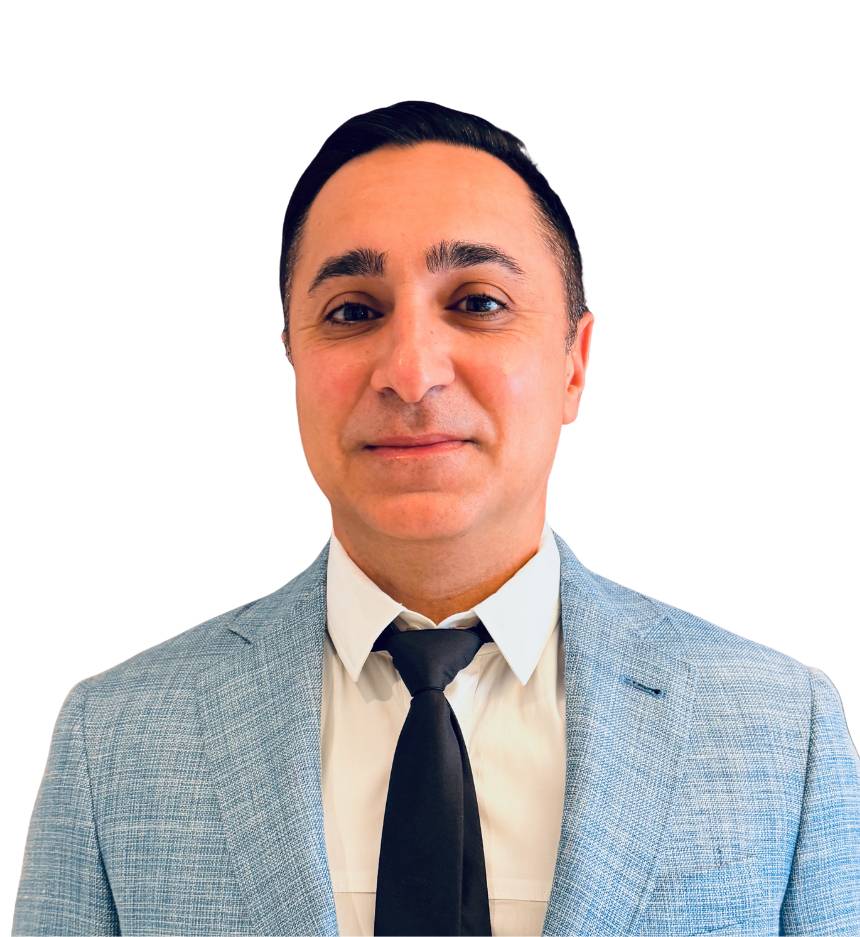 Arsen Ustayev, CEO of CareChoice
One of the biggest challenges is funding. The rates we are reimbursed by insurance companies have barely changed over the past 10 years, while the cost of living keeps rising. We want to pay caregivers more, offer strong health insurance, retirement plans, dental coverage, paid time off, and sick time. All of that creates a significant overhead burden, and shrinking margins make it harder to run a high-quality business.
Pennsylvania faces an additional issue. Reimbursement rates here are roughly 20–30% lower than in neighboring states like New Jersey, New York, and Ohio. That puts companies like ours at a disadvantage and makes it more challenging to sustain a strong caregiver workforce. Through state associations, we have been pushing for rate increases so we can continue to invest in our teams and maintain quality care.
We are leaning into technology to respond to these pressures. We have moved to electronic onboarding so caregivers no longer have to come into the office to complete stacks of paperwork. Training and orientations are increasingly remote and digital, which speeds things up. We are also implementing AI for after-hours call answering so our staff can go home at the end of the day and spend time with their families, while clients still receive support around the clock. These tools help us stay resilient and efficient despite the economic and workforce challenges.
Want more? Read the latest Invest: Philadelphia report.
Subscribe to Our Newsletters