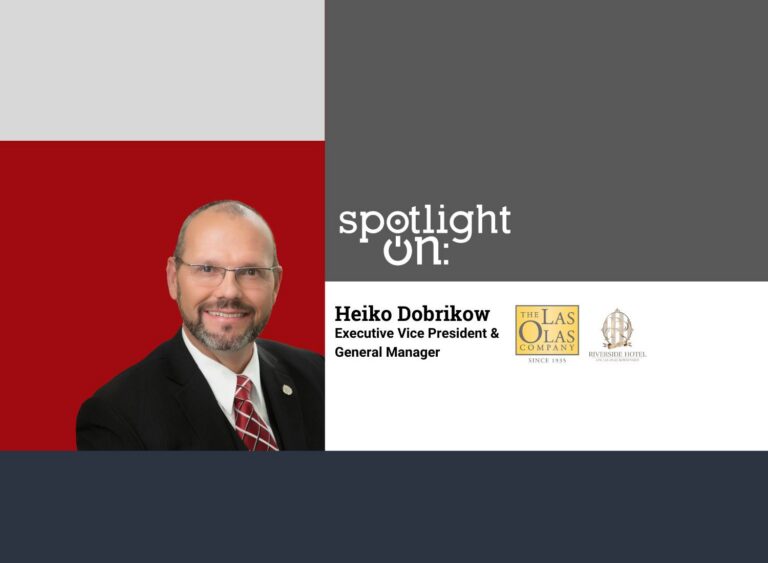






Al Stauffacher, President & CEO, Twin Cities Gateway
Al Stauffacher, president and CEO of Twin Cities Gateway, talked with Invest: about the myriad activities and entertainment options present in the Greater Twin Cities area, especially in regard to national and international sporting events and cultural festivals. He also provided insight into how the TCG promotes these events to generate tourism and investment in the Twin Cities.
What have been the key milestones for the Twin Cities Gateway over the last 12 months?
While occupancy leveled out, our revenue numbers continued to climb, and we hope this will continue into the next year. Sporting events are our bread and butter, but we can’t live on sports alone. We’ve delved into wedding fairs, business and small conferences, and are putting more resources into these areas.
Our website’s new AI chatbot is receiving positive reviews, as we continue navigating the complexities of this new technology. The last year has seen growth and increased visitation to our cities.
What other main entertainment activities do the Twin Cities offer?
The Target USA Cup is the largest soccer tournament in the Northern Hemisphere with over 1,200 teams participating this year, and this competition takes place at the MSC National Sports Center. The 10-day event is massive for our community. Taking place right after the Target USA Cup, we also host the PGA 3M Open in Blaine.
The city of Anoka is considered the Halloween capital of the world. From parades and races to decorations and cemetery tours, the town’s celebrations have attracted international visitors for over a century.
What strategies are being implemented by TCG to attract and retain tourism and investment in the Twin Cities?
Digital marketing is vital, and our recent implementation of AI has been integral to attracting visitors. This year, we took out ads on the back of trucks owned by The Minnesota Star Tribune, which provided an opportunity for people across Minnesota to learn about Twin Cities Gateway.
How do you collaborate with the hospitality and lodging industries to host and accommodate visitors to the area?
We obtain RFPs for many of the larger events and prioritize sharing information with our hotels through quarterly meetings and open communication between our board and local hospitality establishments. There are five local hoteliers on our board, so they have a lot of input and are able to offer ideas, like displaying team jerseys during sporting events.
How do you guarantee year-round interest in the Twin Cities to ensure a constant flow of activities and visitors?
We call November through March a “shoulder season.” We have many indoor activities available, especially for children, including Urban Air and Zero Gravity, indoor trampoline areas. There are ax throwing facilities for adults. The Ballpark Cafe recently opened, where you can hit baseballs off a pitching machine and use baseball or golf VR simulators. Crooners Supper Club was just voted the top jazz bar. Twin Cities has four breweries and a winery, five bowling alleys that boast other activities like laser tag, so there is plenty to do indoors during the winter.
In what ways does Twin Cities Gateway promote the local food and drink culture?
Our local breweries and wineries are fantastic. Some have outdoor patios, and they are always hosting different types of events, like trivia nights, to draw new customers. Willow Tree Winery also cultivates seasonal wines, like pumpkin wine.
What are the primary challenges involved with attracting tourists, and what are the region’s competitive advantages?
The toughest part with promoting the Twin Cities Gateway would be the weather. The struggle is determining how to compete with locations like Florida when Minnesota’s climate isn’t necessarily as attractive. We’ve decided to instead embrace our winters and celebrate our unique home with festivals, like for snow and ice sculptures. Surprisingly, last year’s weather was too warm, so we lost many events and our numbers dipped due to the cancellations. Filling hotel rooms from November to March is a challenge.
In terms of advantages, we are perfectly located, because while we are not downtown, we are close enough that you can either quickly attend a Twins or Vikings game or access our trails, parks and lakes to enjoy the outdoors. We heavily push our outdoor activities, which differentiates us from urban destination areas. There are great theaters and sports facilities, but our outdoor options are away from the noise of the city with minimal traffic while still being able to access the amenities of the Twin Cities.
Is the Twin Cities planning to expand into new areas or sub-industries of tourism, arts or culture?
Anoka has a great theater, and some other cities are beginning to expand into that area, like with Banfill Art Center in Fridley. We are interested in growing in this direction, even as we continue expanding into sports. A new baseball stadium for our minor league team is currently in the works for 2026.
What goals does Twin Cities Gateway have for the next two to three years?
We are trying to stay within a two-county area, even though there are cities we are looking at potentially adding to the Gateway. The TCG always wants to brag about our place on the national sports stage and capitalize on our status as the sports mecca of the United States. Many people don’t know about the National Sports Center, but our other cities also have phenomenal facilities. We intend to continue pushing sports harder on an international level, especially in Canada. Strengthening our ties to Chicago and Milwaukee are key to our expansion goals, along with possibly widening our circle out to Denver or Omaha.