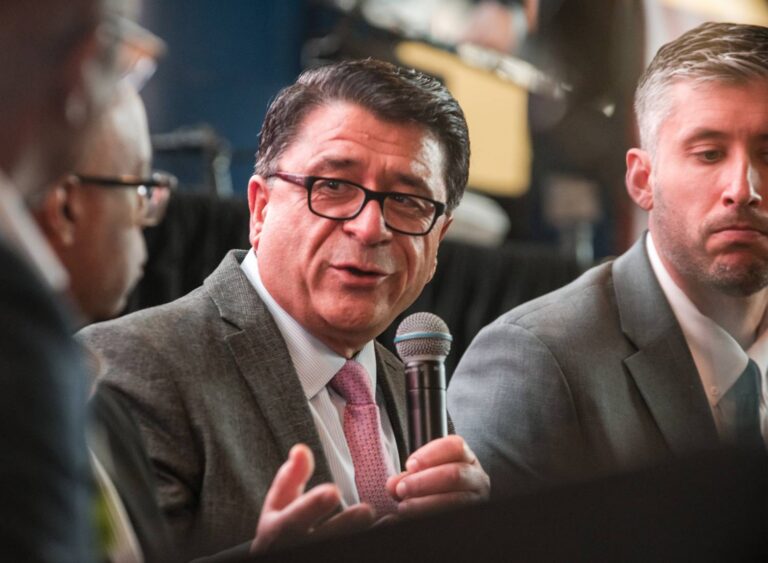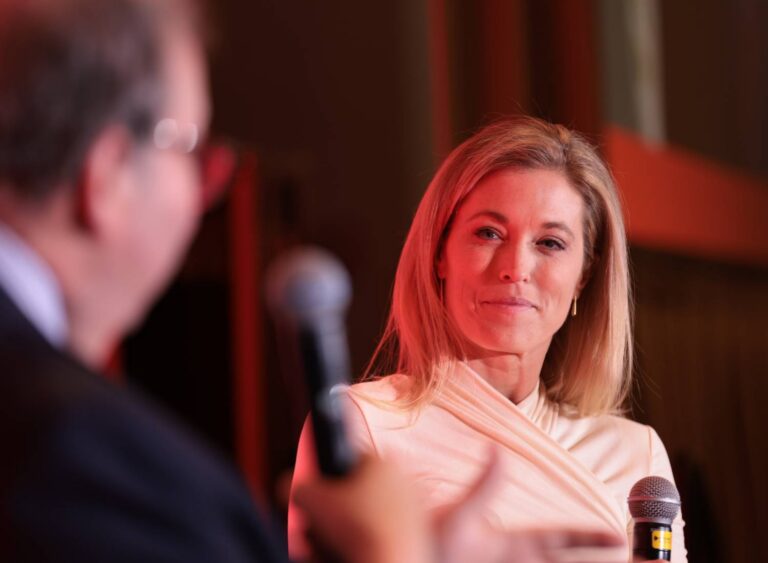







Al Taylor, Interim Superintendent, Gwinnett County Public Schools
 In an interview with Focus:, Al Taylor, interim superintendent of Gwinnett County Public Schools, discussed moving beyond the pre-pandemic level of student achievement through increasing teacher retention and literacy levels. “We want to make sure that the work we do is actually having a meaningful impact on the experiences of our 180,000 kids,” Taylor said.
What recent initiatives have most influenced your goals as interim superintendent?
Gwinnett is very diverse, and we’ve always prided ourselves on having stable leadership as well as dynamic student achievement, which we’ve been able to enjoy for a number of years. The shift in the superintendent position, which resulted in me taking the interim role, had a considerable impact on the morale and stability of our district. The primary focus, then, was to stabilize the district. Thinking about long-term trajectory, we didn’t want this to create a ripple effect of continuous destabilization. While we were able to achieve stabilization this year, we didn’t want to just be in a space of stabilization, though. For some, stabilization means stagnation, and that’s just not in Gwinnett’s DNA. We’re always trying to get better. We want to make sure that the work we do is actually having a meaningful impact on the experiences of our 180,000 kids. In the past six months, we’ve come back to a trajectory that we’re accustomed to. We’re back in that space of moving forward.
Which recent successes best capture GCPS’s innovation and academic progress?
During the pandemic, we saw significant decreases in our student achievement, largely attributed to the fact that during that window, we had a number of students who were detached from education spaces. Our most recent graduation rate, which is the second consecutive year of the highest in 10 years, and our end-of-year assessment data show signs that we’re actually returning to pre-pandemic levels of student achievement in some areas. There is a laser focus on literacy and acceleration, particularly for our English learner students, who continue to be our fastest growing population. We focus on accelerating language acquisition for students who are new to our country, and on improving literacy achievement for all our students. High-level literacy is the bedrock foundation of all academic success, and accelerates AI and STEM integrations. It creates better opportunities to engage students in STEM, artificial intelligence, and computer science as early as elementary school.
How does GCPS cultivate long-term professional development as it relates to recruitment and retention?
Our human resources department has diversified how they’re recruiting staff, but we’ve seen the biggest benefit in our retention strategies. We didn’t experience a teacher shortage this year. We have about 14,000 teachers, and we started this year with less than five vacancies for over 142 schools. That speaks to the work that our human resources department was doing. We’ve recognized that the antidote to the teacher shortage is keeping the teachers we have. So, we’ve invested heavily in professional learning, as well as building positive school cultures where teachers feel connected. When teachers feel like they belong, they can create environments where that’s reciprocated for students. Those retention efforts are where we will keep investing heavily over the next few years.
How does the district align its curriculum with emerging trends?
Georgia has consistently been recognized as a top state to do business, and that has trickled down to workforce development. We have a role and a responsibility in that ecosystem of workforce development. We have partnered extensively, not only with our local chamber of commerce but also with the state, to look at where the opportunities are. We can then integrate career pathways around high demand, high skill, and high wage professions into schools, which are pervasive in our CTE programs. Whether it be STEM-related, or skilled trades, we’ve invested heavily to create those opportunities for students in all of our schools, but primarily in high schools because of the proximity to graduation and career readiness. We’ve also been intentional about the lower grades. We’ve built out some of those same CTE pathways in middle schools, all the way down to the elementary levels, with robotics, STEM, and giving kids an opportunity to see what possibilities may exist beyond their K-12 experience.
How do you turn recent challenges for GCPS into opportunities for improvement?
Safety and security in schools was a top concern. It became even more so a deeper concern with the tragic school shooting in a neighboring district last year. We thought about how to fortify schools and improve safety without creating prison-like environments. That would counter the positive school culture that is important for not only teacher retention, but also for the students. Another point under safety and security is thinking about the impact the pandemic had on mental health, and how there’s still a lot of residue permeating our schools. We need to create more engaging environments where staff feel comfortable thinking about where their mental health is, and how we can provide those supports for students.
There’s always the challenge of how to improve student achievement with significant external forces that impact our ability to do so. We’ve seen some challenges with whether we were going to receive funding in various areas from the federal government. Gwinnett did see a little bit of an impact with immigration policies, and reductions in enrollment, as a result. Those external challenges are out of the control of the local school system. Keeping the schools focused on teaching and learning at high levels has helped mitigating some of the noise, but it is always a challenge.
What are your key priorities for the next few years?
Whatever role I serve, I want to make sure that I’m positioning the district for long-term success. I see a responsibility to move beyond pre-pandemic spaces, not just return to the previous levels of achievement. We definitely want to return to the top of all the rankings from the state, the metro area, and the nation. There’s certainly a dedicated and very talented workforce in Gwinnett who genuinely believes in the success of the students. Regardless of who serves in the role of superintendent, there are certain cultural pieces, so deeply ingrained in those who have been here for so long, that we won’t compromise on them. We’ll continue to take the responsibility of being a state and national leader in education.