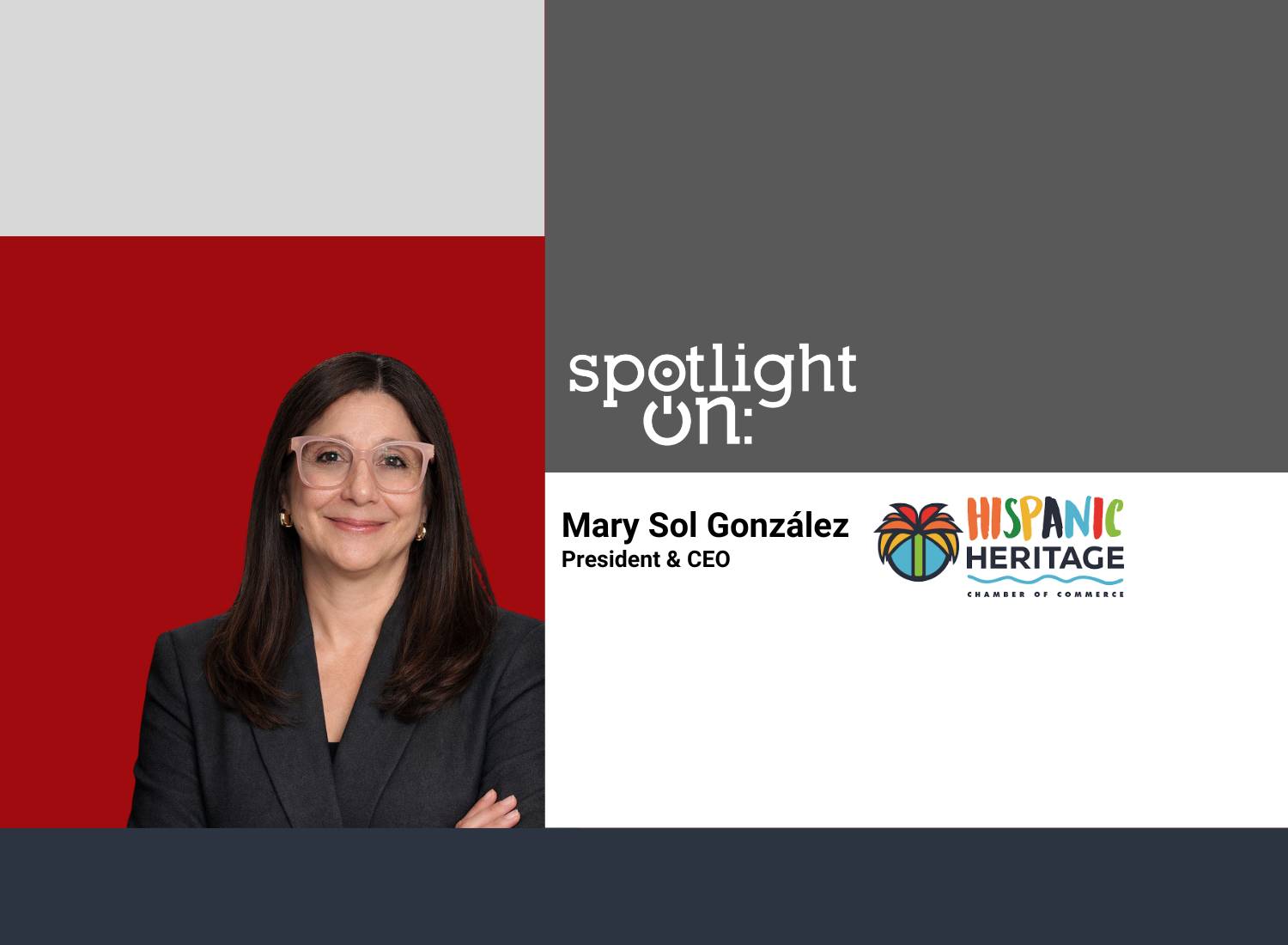







Amy Murtha, Dean, Rutgers Robert Wood Johnson Medical School
Amy Murtha, dean of the Rutgers Robert Wood Johnson Medical School, spoke with Invest: about developing a new academic health system in New Jersey. “We are creating an environment for students to succeed while learning the latest and greatest.”
How does the Rutgers Robert Wood Johnson Medical School contribute to the city of New Brunswick in terms of societal and economic benefits?
In addition to being the current dean of Rutgers Robert Wood Johnson Medical School, I am the founding dean of the future Rutgers School of Medicine, which will merge the New Jersey Medical School and RWJ Medical School into a single medical school. I am an OBGYN by training and a maternal-fetal medicine specialist. As I learned more about what was going on in New Jersey and Rutgers, the more intrigued I was by the opportunity that was extended to me. New Jersey is one of the most densely populated and diverse states in the country, but it has never had its own premier academic health system. Patients in New Jersey are going out of state for healthcare, and we want to be able to provide the most complex care to our New Jersey patients in their state. At the medical school in Rutgers, we have the support of the state and partners to build a new HELIX Building. The medical school will have four floors and state-of-the-art education facilities nestled within translational laboratory floors. Our students will have the opportunity to be exposed to science across the courtyard at Nokia Bell Labs. This proximity creates an opportunity for discovery, to go from the lab to the bedside and back again. This proximity also positions us to be leaders in our partnership and be able to advance discovery and healthcare innovation in substantive ways. Mayor Jim Cahill in New Brunswick has been a terrific partner. The support and partnership with the RWJ Barnabas Health system and its investment in Rutgers Health are a necessary ingredient to be able to accomplish our goals. The New Brunswick community is incredible, and the faculty, staff, students, and trainees are exceptional. We are doing excellent work recruiting people who are doing innovative clinical care and helping elevate everything we do. Our new Ambulatory Medical Pavilion and new Jack & Sheryl Morris Cancer Center help us along our amazing trajectory. It’s an attractive place to recruit leaders from across the country who want to be in a place where we are building something new.
Another unique aspect of our medical school is that we are responsible for running the Eric B. Chandler Health Center, a federally qualified health center, serving the community in a meaningful way. The physicians who work there are faculty. Service to the community is a core value and isn’t just something we say. It is demonstrated in our actions.
How does RWJMS foster interdisciplinary collaboration among its departments and with other institutions, for example, with RWJ Barnabas Health?
We recruit physicians and faculty in partnership with RWJ Barnabas Health to provide care to people in New Jersey. We have become a hub for complex care delivery. This is the academic medical center here in New Brunswick. Academic healthcare is different; we are equipped to provide the most complex care to our patients, and we couldn’t do this work separately. I can’t recruit a physician-scientist if I don’t have the clinical volume to support their research interests. They have been an incredible partner and have invested in ways that allow us to advance science in meaningful ways.
In what ways does RWJMS collaborate with the New Brunswick community to address local healthcare challenges?
Understanding and partnering with our community is a critical part of the educational experience for our medical students. When our students arrive, they get a tour of New Brunswick with a community leader to show them where their patients are coming from and help them understand their needs. We are also implementing a community engagement service requirement for our medical students as we focus our work on health equity as a framing for the new medical school. The students run a HIPHOP Promise Clinic where they take care of patients and get a real opportunity to engage with the community. The RWJ Medical School partners with the community in a variety of ways that include managing the Eric B. Chandler Health Center.
How relevant is it for the school to foster relationships with other organizations to give continuity to research through grants and fundraising?
We work closely with the New Jersey Health Foundation in the grant space and leverage their expertise to ensure we are doing the work they hold most important. Another funding entity is the National Institutes of Health, which is going through some transition right now, but is still going well for us. Fostering strong and empathic relationships is foundational to our school. Our screening process for medical student applicants evaluates academic performance to determine if the students will be successful. Once we know they can be successful academically, we screen them with a personality inventory that includes MMI empathy scenarios. We want innately empathetic doctors.
How will the HELIX project enhance RWJMS’s capabilities and its role in New Brunswick?
We will be able to innovate in the way we train new doctors. We will have upgraded facilities with state-of-the-art technology, including a simulation space that will virtually simulate scenarios in the operating room, emergency room, labor and delivery, and other emergencies. This will allow students to practice and learn from mistakes in a safe environment. We will have an entire suite called the Clinical Skills Space. It will have 20 exam rooms wired with cameras and audio so the students can treat standardized patients. They will interview, examine, and develop treatments while being recorded and monitored by faculty. It creates a technological space to improve learning in an active way outside of classrooms. The HELIX Building space will sit our students in the middle of science and technology development. It puts our students in a position to leverage resources to help advance research. The younger generation is incredibly innovative. They are the future.
What incentives does RWJMS offer to encourage recent graduates to stay and contribute to the healthcare workforce in New Brunswick and New Jersey?
Students graduating with enormous debt is an issue. Students can choose specialties that pay more money so they can pay their debt, which leaves us with fewer graduates going into primary care specialties – a problem for New Jersey. They also leave New Jersey because it is expensive to live and practice here. We’re committed to finding ways to reduce student debt to help drive retention in our state. We want to inspire students to stay here and work with leaders in their fields. We are creating an environment for students to succeed while learning the latest and greatest.