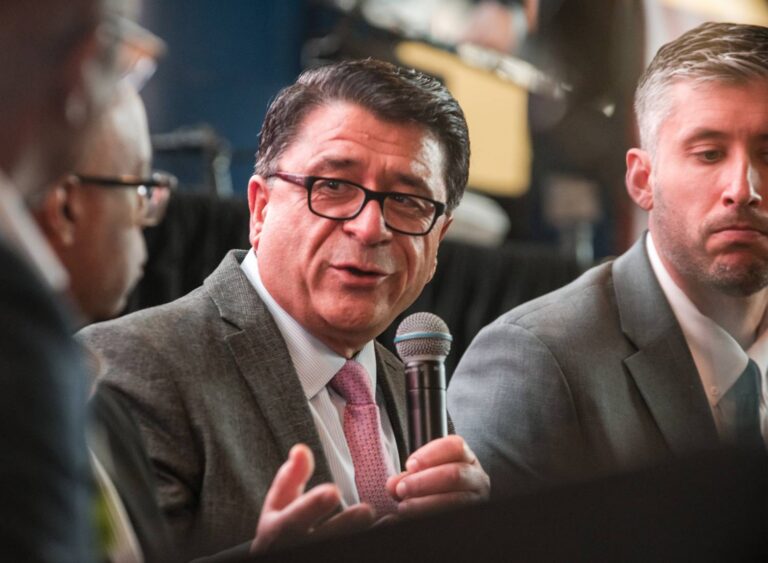







Art Vanden Houten, Vice President of Academic Affairs & Dean of Faculty, Flagler College
In an interview with Invest:, Art Vanden Houten, vice president of academic affairs at Flagler College, discussed the college’s milestones and achievements over the past year, including major renovations, the launch of a transformative core curriculum, and the successful progression of the FlagSHIP program.
What have been the most significant milestones and achievements for Flagler College over the past year?
I would focus on three main achievements. First, we completed significant renovations of the Ponce de Leon required due to the flood and water damage in the summer of 2022. These renovations were in the east wing of our dormitory, which is part of the main hotel building serving as the administrative wing, dining hall and event spaces like the solarium and the Flagler Room. These renovations were completed in time for the fall of 2023, allowing students to move in with upgraded facilities that match the beauty of the exterior. This was a significant milestone for us, and the improvements have been extraordinary. The west wing renovations have also begun and will be offline for an entire year, with plans to reopen in the fall of 2025. This work is crucial because students spend a lot of time in their dormitories, and having an exceptional living experience is important. This project required significant investment, supported by both state funds and donor contributions, marking it as one of our main accomplishments.
On the academic side, we have two significant initiatives. We are now in the second year of our core education program, a transformative approach to general education that aims to develop students’ skills and literacies for success at Flagler and beyond. This shift required substantial effort from our faculty, who have created over 140 courses. This change is a major accomplishment for our small school. Connected to this is our FlagSHIP program, which stands for Flagler Sophomore High Impact Practice. It’s a course required for all sophomores as part of their general education experience. It includes study abroad or study away opportunities, with about a third of students participating on campus. Now in its second year, the program has seen tremendous enthusiasm from both students and faculty.
Lastly, we are in the midst of our first capital campaign, which has rapidly exceeded its initial goal of $50 million and is now $100 million. This is a substantial achievement for a small school like Flagler, which is only 55 years old and does not have a large alumni base. The Advancement Office has done an outstanding job, and under President Delaney’s leadership, we’ve launched significant initiatives and built real momentum despite challenges like the building damage.
How have students and faculty received the launch of the core curriculum, and what are its key benefits?
Initially, the proposal for the core curriculum was met with caution. Faculty, who tend to be conservative about changes to their teaching methods, were understandably hesitant about a radical shift. However, after extensive discussions and input from the faculty, there was significant buy-in. Faculty created nearly 150 new courses in about 18 months, which is an extraordinary effort for a group of 70 to 80 faculty members teaching in the core program. Students often approach general education with hesitation, questioning its relevance to their major and career goals. However, as the core curriculum has become more integrated into our identity, we’ve seen growing student enthusiasm. The program includes innovative courses like “The Literature of Surfing,” which combines beach activities with serious academic study. This approach has helped make the core curriculum more engaging and relevant to students.
The key benefits of the core curriculum include fostering skills and literacies essential for success at Flagler and beyond. The program emphasizes abilities such as writing, scientific reasoning, quantitative reasoning, ethical reasoning and historical and creative understanding. It prepares students not only for their time at Flagler but also for their roles as citizens and professionals. The most significant impact has been the enthusiastic commitment from faculty and the shift in how we communicate the value of general education to students, parents and new faculty. This commitment helps students see these courses as foundational for a fulfilling life and career.
How does the FlagSHIP program foster conversations about citizenship and democracy among students?
It aims to encourage students to engage in conversations — sometimes uncomfortable or challenging — about citizenship and democracy. At Flagler, professors are not expected to push any ideological agenda but rather to teach students how to think critically. The course places students in small groups with a strong sense of community, exposing them to diverse perspectives and experiences. The program is designed to be non-political, focusing on fostering dialogue and engagement with different viewpoints. This approach helps students develop a deeper understanding of citizenship and democracy. The FlagSHIP program is particularly intense and compressed, allowing students to spend significant time together, which builds a strong sense of community and bonding. This intensive experience is mirrored in our core classes but is uniquely highlighted in the FlagSHIP program.
How do you collaborate with local employers to support student learning?
We are fortunate to have strong relationships with various organizations in the St. Augustine area. For example, our coastal environmental science major benefits greatly from our coastal location. Students have opportunities to engage with the environment through local companies that provide eco tours and scientific studies. Research shows that developing close mentoring relationships during college can have a lifelong impact. These mentors can be professors, coaches, or local business professionals. We know the payoffs of these relationships are significant.
Our strong hospitality and tourism major benefits from St. Augustine’s thriving tourism industry. We collaborate with local providers like the St. Augustine Alligator Farm, hotels, restaurants and other businesses. This collaboration extends beyond the classroom, allowing students to gain practical experience through scientific research and community partnerships. Moreover, our students in accounting, business, communication, politics and history also benefit from these local relationships. The historical attractions in town provide valuable learning opportunities, enhancing their educational experience.
How is the economic landscape impacting Flagler College?
One significant aspect of the economic landscape in Northeastern Florida, particularly in St. Augustine, is the skyrocketing housing and rental prices. This trend started before the pandemic but accelerated during it, significantly raising housing costs. As a result, more students now prefer to live on campus due to its affordability compared to off-campus housing. The rise of Airbnb has also impacted the housing market, as property owners now prefer renting to short-term visitors for higher premiums, further limiting affordable options for students. This economic shift affects not only students but also our efforts to recruit and retain faculty and staff. Housing affordability in downtown St. Augustine and beach areas has declined significantly over the past decade, making it challenging for new hires. We have tried to address these issues by increasing salaries to match inflation and the high cost of living. We are exploring various solutions, but it’s an ongoing issue that we have not yet fully resolved.
What are your top priorities for the college over the next few years?
Our top priorities for the next few years include several significant projects and initiatives. First, we are focused on the continued renovation of The Ponce St. Augustine Hotel and the west wing of the dormitory, which is scheduled for completion in the fall of 2025. The building is a majestic and historical part of our campus, and these renovations are crucial. We are also in the midst of a major IT system upgrade, which began in July 2023 and will continue through at least September 2025. This comprehensive update involves every office on campus and represents a significant investment in our infrastructure. On the academic side, we are committed to the continued success of our core and FlagSHIP programs. These initiatives are settling in, and we are focused on ensuring their long-term success. Additionally, we launched a new biology major this summer, complementing our coastal environmental science program. We plan to bring in a temporary modular lab in July, with the eventual goal of constructing a new science building, which will be our next major academic facility.