






Booker Washington, Founder & CEO, Techie Homes
 In an interview with Focus:, Techie Homes CEO Booker Washington highlighted the company’s efforts to create choice for consumers with its innovative cottage homes and its reimagining of what the future of homeownership may look like. “Five years from now, someone who bought a microhome can sell the home with some equity and they can look at other options without starting from scratch. They start from a position of choice,” Washington said.
What key changes across the past year have most impacted the company’s plans and priorities?
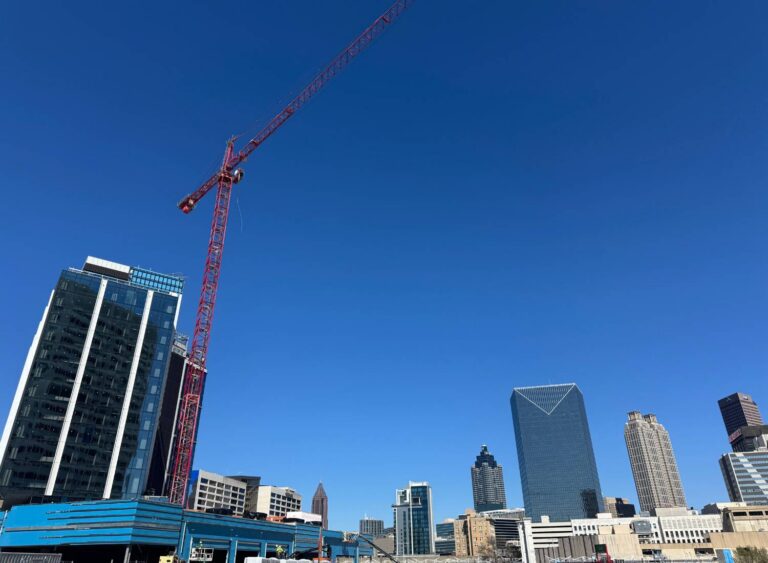
There are many factors that influence real estate development and particularly homebuilding. As a driver over the past decade, Atlanta has seen more and more industries coming into the market. This increase in industries drives the growth in population that is happening in the market. Over the past decade, evaluating the growth of business and the local economy, you can see the push in housing prices and population growth. Hence, now there is a race to get to more city-centered live-work-play areas. You can see this in developments such as Centennial Yards and the Beltline expansion. All of these factors influence my decision-making around development and how to drive more innovative options for people starting out in real estate or people who want to transition.
Looking at a post-COVID world, people are more intentional about decisions related to how and where they live, and family size as well. Following this push for industry growth, it seems that the market is now tracking back to handling the population growth. Local leadership has committed to approximately 20,000 units of affordable housing. With these plans, there are market segments that get left behind, such as the young professionals who are starting out in real estate. There are almost no developments of single-family homes geared toward them as the medium price in the market is approximately $440,000. All in all this is a good problem to have but we need to control some of the economic leakage regarding housing and housing choice and keep in mind that the basis of all economies still revolves around homeownership and a loyalty to the communities that drive the cities forward.
What trends are you watching closely both nationally and regionally?
A key trend is related to first-time homebuyers. The average age of first-time homebuyers has increased to approximately 40 years old, per the New York Times, when a few years ago was 32 years old. This means that college graduates and young professionals spent close to two decades renting. The average person has spent close to $300,000 renting, which means they have missed out on creating any equitable value for themselves. As a result of this, the push for rental units has increased, evidenced by the “rent forever” term. People are being strategically forced into a model that features no available homes that could be purchased. The only option is a lifestyle of renting. In this renting lifestyle model, people are paying into something that does not have a return economically, only experientially. As the industry pushes into enhancing the experience for the renters, it comes at the sake of people’s personal economic development. This is why the age of the first-time homebuyer has increased. The trend we have around city centers creating more experiential and more expensive places to live has pushed out discretionary income and the ability to save. As such, people save less. The finish line to purchase a home has moved farther out. The more this line is pushed back, the more it impacts local municipalities because they rely on the related tax revenue. As a result, having less homeownership impacts municipalities over time, especially when it comes to infrastructure and service offerings, which in turn impact all residents no matter where they live.
What motivated your plans to develop microhomes?
People need to operate within the options that are provided to them. If you live in one of these major city centers, your available choices are tied to what the developers made for the market. We chose to build microhomes in an effort to match up the size and square footage of an apartment or condo that a person is currently renting and reverse it into an option for them to have something to purchase around that same equitable amount. In today’s age, the mortgage will be more expensive than rent. People choose to rent because of the lack of available options. We want to drive the comparison of your average rent to an average mortgage on a less than median value home. For example, in the Atlanta area, our microhomes are priced between $250,000 and $275,000. The average rent is $2,100 a month, but a 30-year mortgage on $250,000 is approximately $1,700 a month. This is the biggest impact we have when developing our microhomes, which is to allow people to have the same experiences by living in the city centers, but also have an opportunity to grow equity while they grow their families.
We want to grow our unit count in the Atlanta market to provide options to residents. Five years from now, someone who bought a microhome can sell the home with some equity and they can look at other options without starting from scratch. They start from a position of choice.
What are your top priorities in the next three to five years?
We want to grow our development of cottage homes by 300 units. We are focused in the Atlanta metro but have plans for the Texas and South Florida markets. We will be breaking ground in at least three communities in the Atlanta market. We want to bring housing affordability and home ownership to the downtown area. We want people to see the options that can be developed. We are joining with landowners and creating strategic partnerships. The different entities in the development sector are starting to see that we are running out of room in terms of consumers being able to enter the real estate realm. It is not a healthy factor when you box out large segments of people from being involved in real estate. Our goal is to expand the canopy and bring in 300 more homes into the metro communities across different markets. We want to bring a product that is less than the median home price in those areas while offering a luxurious feel to small-home living. We expect to develop more than $60 million worth of cottage homes and bring them to the mainstream.