Brady Lessard, Economic Development Director, City of Sanford
 April 2026 — Invest: spoke with Brady Lessard, Sanford’s economic development director, about the city’s role in Seminole County’s growth, its industrial and manufacturing momentum, and the opportunities created by redevelopment. “We have both the 150-year-old portion of Sanford, but we’ve got the new, up-and-coming, high-tech areas as well,” Lessard said.
What sectors are currently driving the most activity in Sanford, and how do they align with Seminole County’s long-term economic vision?
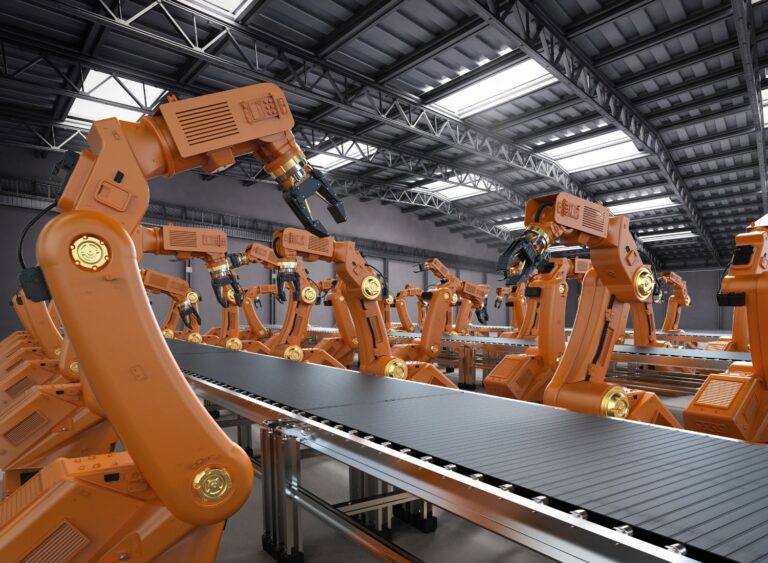
Right now, we are seeing incredible demand for manufacturing and light industrial warehouse space. That has been one of the strongest areas of activity, and we have a number of projects already moving forward. It is exciting because those projects bring clean, good-paying jobs and strengthen the tax base.
Retail is also a major story here. While people often question the future of retail, Sanford is seeing the redevelopment of Seminole Town Center Mall, which is becoming the largest commercial property redevelopment into a retail project in Seminole County’s history. Of course, this is Florida, so there is always demand for residential as well, but the two areas I would emphasize most are manufacturing and industrial growth, along with retail redevelopment.
One important distinction is that Sanford is not just seeing new development. We are a very old city, so much of our activity is redevelopment. That sets us apart from some other areas in Seminole County. We have the opportunity to build on a historic foundation while also positioning ourselves for economic growth.
How is Sanford balancing its historic character while becoming a forward-looking logistics and employment hub?
That balance is central to who we are. Our downtown is predominantly our historic district, so there are architectural guidelines and programs in place to make sure we preserve and celebrate that history. That part of Sanford is a core part of our identity.
But out toward the airport and our industrial parks, we are seeing high-tech manufacturing and more advanced industries take shape. That is where a lot of the cutting-edge activity is happening. So, in a very real way, Sanford operates in two worlds at once. We have both the 150-year-old portion of Sanford, but we’ve got the new, up-and-coming, high-tech areas as well.
That dual identity is one of our strengths. It allows us to honor our roots while continuing to grow in ways that make sense for today’s economy.
What advantages does Sanford offer in terms of connectivity and transportation access for businesses and investors?
Sanford is uniquely positioned because we truly have a full range of transportation assets. We have air, rail and highway access, and we also have a major river running through the state, which adds an additional dimension from a tourism and recreation standpoint.
Our airport is a major advantage. It is successful not only on the passenger side, but on the cargo side as well. That matters for businesses that depend on efficient logistics and distribution. We also have a very successful rail system, and our highway infrastructure connects Sanford to the broader region in a meaningful way.
A lot of the regional transportation systems come together here in the Sanford area, so businesses benefit from that connectivity. When you combine those assets with the city’s location in the greater Orlando metro, it creates a compelling environment for investment, particularly for industrial and logistics-related uses.
How have infrastructure upgrades supported Sanford’s development and business recruitment efforts?
Infrastructure has been a major focus for us, especially because of Sanford’s age. Unlike some newer communities, we have infrastructure that in some cases is 100 to 150 years old. That presents challenges, but it also means we have had to be very intentional about investment.
There are countless public works projects underway involving water, sewer and roads. Because Sanford has experienced significant growth, we have the funds to keep moving those projects forward. That is making a real difference for the development community, which understands how important reliable infrastructure is to long-term success.
The temporary inconvenience that comes with construction is more than worth it. These are foundational investments that will serve the city well for decades to come and support not just development activity, but also residents’ quality of life.
How does Sanford compete as a place to live, work and play within the greater Orlando region?
Sanford benefits from being just north of the greater Orlando area while still being very much part of that metro region. One of our biggest advantages is affordability. Housing here tends to be more affordable than in the downtown Orlando corridors, which makes Sanford especially attractive to young families, young professionals and working residents.
Beyond housing, the quality-of-life assets here are strong. The schools have an A rating, the park system is phenomenal across Seminole County and in Sanford, and we offer opportunities that simply do not exist in other parts of the region. That combination matters when people are deciding where to put down roots.
Sanford is a place where people can realistically live, work and play. That phrase gets used often, but in our case it reflects something tangible, being a community with strong amenities, access to jobs, a historic downtown, recreation and a more attainable cost of living.
How are redevelopment and adaptive reuse helping define new opportunities in Sanford?
Redevelopment is a major part of Sanford’s identity and one of the areas where we see enormous opportunity. Because of our historic roots, we celebrate redevelopment rather than relying only on greenfield development. We certainly welcome both, but there is something special about taking existing buildings and giving them a new purpose.
Right now, I am looking at opportunities involving a courthouse, a former hospital and another school building, all of which have served their original purpose for decades but have become obsolete for those uses. We are exploring ways to repurpose them into residential uses and other community-serving functions.
In one case, we are even considering the possibility of a satellite college campus. Those kinds of projects create economic value, but also educational and community value. Adaptive reuse allows us to preserve the physical character of the city while addressing current needs such as housing, learning opportunities, and neighborhood revitalization.
That mindset is part of what makes Sanford distinct. Instead of just growing outward, we are reimagining what already exists and finding ways to make it relevant for the future.
What is next for Sanford as it contributes to Seminole County’s growth in the region and state?
The most promising area for Sanford’s is the continued expansion of its industrial and manufacturing base. We already have companies manufacturing pharmaceuticals here, and many people do not realize the level of activity taking place in our industrial and manufacturing parks.
These projects matter because they bring very good-paying jobs, often well above the regional average. They also strengthen the tax base and bring capital into the city, which helps support infrastructure, parks, trails and educational assets. Over the next 18 months, we will see another million square feet of warehouse space opening, and that is going to have a meaningful impact.
This is especially important when we think about talent retention. The Orlando region has tremendous educational assets, including the University of Central Florida, which produces a large number of engineering graduates. We want to keep those young people here in the communities where they grew up rather than losing them to other markets such as Texas or the Space Coast.
Our goal is to create the kind of opportunities that allow homegrown talent to stay, build careers and contribute to the region’s future. When you combine that focus on jobs with Sanford’s infrastructure investments, redevelopment strategy and quality of life, the city is in a strong position to help lead growth for Seminole County and the greater Orlando region.
Want more? Read the Invest: Greater Orlando report.