






Caroline Whaley, Executive Director, Gateway Marietta Community Improvement District
 Caroline Whaley, executive director of the Gateway Marietta Community Improvement District (CID), spoke with Invest: about creating a welcome gateway to both the district and city of Marietta. “When our partners bring businesses into the area, they know it’s an area that is being taken care of, one where those businesses will be successful.”
What is the mission of Gateway Marietta CID, and what are some of the infrastructure upgrades or projects that have been prioritized over the last year?
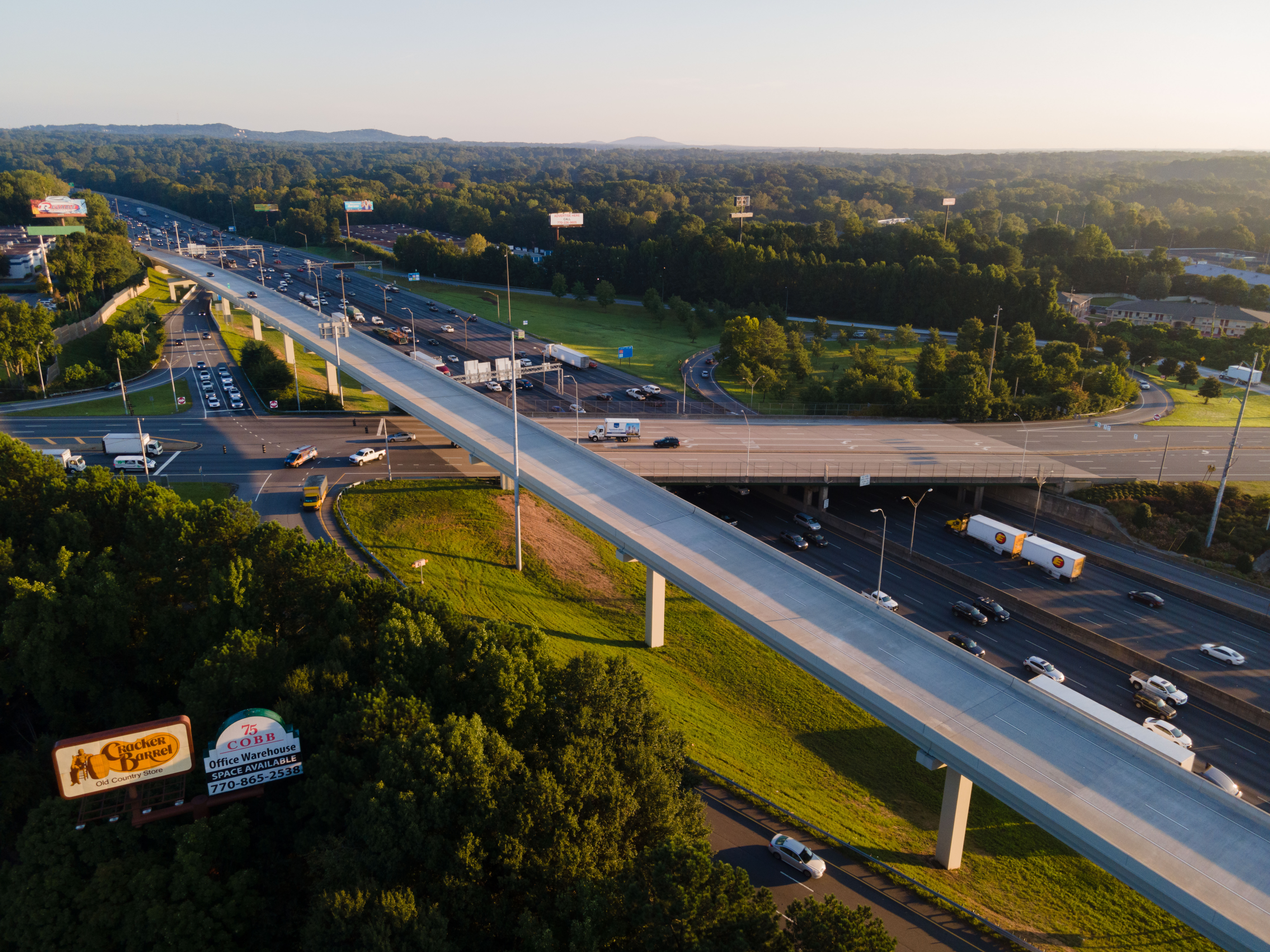
Established in 2014, the Gateway Marietta CID’s goal is to encourage revitalization and redevelopment of Delk Road, South Marietta Parkway, and Franklin Gateway. Gateway Marietta CID is a coming together of commercial property owners in a set, defined area who agree to invest their own money back in the area by levying an additional tax on themselves to be spent on projects that benefit the entire community. The revenue generated is used to make improvements in a specific area pertaining to infrastructure, beautification, and public safety. There are three CIDs in Cobb County, and even more throughout the state of Georgia. Gateway Marietta CID is relatively young, just over 10 years old. We are very small in size, a 1.2-square-mile area with 76 commercial properties that contribute. This year’s contributions will amount to over $600,000 in revenue. We are smaller in comparison to other CIDs, but we like to say we are “the little CID that can.” We aren’t taking on major infrastructure projects, but the things we have done are making a big impact on our area. We develop ideas and bring partners together to make them happen. Beautification efforts include landscaping enhancements at I-75 and the corridors along Delk Road and South Marietta Parkway. The landscaping enhancements create a boulevard-type feel as you come into Franklin Gateway. We started these projects in 2014 and have been slowly working on them. This past year, GMCID invested approximately $700,000 in landscape enhancements in partnership with the City of Marietta and GDOT. The South Marietta Parkway Interchange Project was funded in partnership by a GDOT Roadside Enhancement Beautification Council (REBC) grant.
Public safety is often a priority for CIDs. How does Gateway Marietta collaborate with local law enforcement or other agencies to enhance safety in the district?
GMCID works closely with the Marietta City Police to best understand how we can offer support regarding public safety. In 2019, GMCID was one of the first CIDs to install Flock Safety mobile license plate readers. The cameras capture the license plate number, make, and model of the car as it passes by. This information is used by law enforcement to help their investigative efforts. The cameras are linked into the regional law enforcement network to help public safety efforts more broadly. GMCID’s pool of cameras has grown from four solar-powered cameras to 13, and this past summer GMCID added four hardwired Condor 360 cameras.
What are some recent projects to enhance the district’s aesthetics or overall appeal? How do these plans fit within the CID’s Master Plan goals and objectives?
We are wrapping up a major landscape installation at I-75 and Delk Road, transforming this key gateway into a more welcoming and visually appealing entrance to the district. This project has transformed the area into a landscaped “welcome mat” for visitors entering from the interstate — and then proceeding along Delk Road, creating a parkway-like feel that aids in calming traffic.
Later this fall, we’ll be breaking ground on the Blanche Underpass beautification project, which will further enhance connectivity and aesthetics in the area. This project builds on recommendations from the 2020 Atlanta Regional Commission (ARC) study that focused on beautification and placemaking within our corridor. The Blanche Underpass Project will feature enhanced landscaping and design elements that create a sense of arrival and belonging.
All of the beautification efforts align with the CID’s Master Plan goals of fostering a cohesive and attractive environment that supports economic vitality, safety, and quality of life. Together, these projects support our broader vision of shaping Franklin Gateway into a vibrant, well-connected, and visually distinctive corridor that reflects the city’s commitment to progress and community pride.
What role does Gateway Marietta CID play in attracting and retaining businesses in the district, and how do you support local businesses through your initiatives?
Gateway Marietta CID plays a vital role in creating an environment where businesses can thrive. Our district includes 76 commercial properties. Through an active Board of Directors, composed of property owners and key stakeholders, their insight ensures that our projects align with the real needs and priorities of the business community.
We work closely with the City of Marietta, our primary economic development partner, as well as with Select Cobb and the Cobb Chamber of Commerce to attract and retain quality businesses. Our goal is to enhance the overall appeal and functionality of the district through strategic investments in infrastructure, beautification, and connectivity.
By maintaining an attractive, well-managed area, we help create a positive first impression for prospective businesses and a strong sense of pride for those already here. When our partners bring businesses into the area, they know it’s an area that is being taken care of, one where those businesses will be successful.
How does Gateway Marietta CID handle parking and traffic challenges, particularly in busy areas?
While the City of Marietta manages most parking and traffic operations, Gateway Marietta CID actively supports projects that make the district more efficient, pedestrian-friendly, and connected. Our focus is on creating a balanced, multimodal environment that works for drivers, cyclists, and pedestrians alike.
In January 2026, the city of Marietta will break ground on the Rottenwood Creek Trail, a transformative project that will include a trailhead along Franklin Gateway within our CID. This trail will provide new options for recreation and commuting, enhancing connectivity throughout the area. Phase One will link Franklin Gateway to Life University, Kennesaw State University, and the Marietta Square, while Phase Two will extend along Delk Road, cross I-75, and connect to the Bob Callan Trail within the Cumberland CID.
By investing in projects like this, we’re not only improving mobility but also helping to create a more vibrant, accessible, and sustainable community for businesses and residents.
How does Gateway Marietta CID work with the city of Marietta to align its initiatives with the city’s broader growth plans?
GMCID works closely with the City of Marietta to understand the vision of the City and how the CID can play a role in furthering these initiatives. One example is that GMCID partners with the city of Marietta on public safety efforts. In 2019, in partnership with the Marietta City Police, GMCID installed the first Flock Safety Cameras. This partnership has been beneficial in assisting the city and its efforts to grow their network of cameras. As GMCID is working through our first Master Plan, we are working closely with the city staff, and council members to align our vision with that of the city.
What upcoming or ongoing public-private or other partnerships within Gateway Marietta CID are particularly promising or have had significant success?
One particularly successful partnership has been the Blanche Drive Underpass project, a collaboration between the Atlanta Regional Commission (ARC) and the Gateway Marietta CID. Through this effort, we secured an $80,000 grant to advance placemaking and beautification initiatives that enhance connectivity and visual appeal in the district.
Another promising collaboration is our REBC grant through GDOT, which demonstrates how we’re able to leverage CID resources with external funding to make larger, more impactful projects possible. These partnerships exemplify how we maximize public and private investment to create visible, long-term improvements within the Gateway Marietta area.
Gateway Marietta CID is involved in enhancing the overall experience for visitors. What initiatives are in place to attract tourists or encourage foot traffic to the district?
Visit Marietta serves as the hospitality arm for the City of Marietta, with Cobb Travel & Tourism supporting the broader Cobb County area. The Gateway Marietta CID complements these efforts by focusing on beautification, safety, and connectivity improvements that make the district more inviting for visitors. Through enhanced public spaces, improved walkability, and coordinated placemaking projects, we’re helping to create an environment that encourages people to explore and spend time in the area, ultimately strengthening its appeal as a destination.
How does Gateway Marietta CID measure the long-term impact of its projects on the local economy?
CIDs evaluate economic impact through job creation, business growth, investment activity, and other factors. Within the Gateway Marietta CID, business activity generates an estimated $703 million in annual economic impact, underscoring the district’s vital role in the regional economy. Our master plan is focused on understanding and supporting that continued growth.
Within our compact 1.2-square-mile area, we have over 4 million square feet of commercial space, much of which is active and thriving. Parkway Place, a Class A office development, is fully leased, one building is owned by Wellstar Health System, while the other houses a new nursing college, further strengthening our healthcare and education presence. As employers continue to bring their teams back to the office and visitors return to the area, we’re seeing renewed energy and occupancy throughout the district.