

Christi Fraga, Mayor, City of Doral
In an interview with Invest:, Doral Mayor Christi Farga talked about achieving a balance between commercial and residential development in the city to ensure smart growth. She also discussed an amendment that will enable the city to reinvest some taxpayer revenue back into the local economy, and about the benefits that the city’s new Doral City Park will bring to residents.
What were the most important milestones for the City of Doral in the past year?
Our greatest achievement was opening the Doral Central Park, which is an 84-care facility in the heart of our city. The county gave us that land when we first became a city, but it had not been developed. The city of Doral went out for bond in 2018 and $150 million was granted by residents and voters for that project. Nevertheless, the park was closed and without construction for four years because of a lot of issues.
As I came back as mayor in 2022, one of my pledges was to build and open the park, which I did in less than two years. We opened the first phase of Doral Central Park in 2024. There is another phase comprising the community center and aquatics facility that will open in January 2025.
How did your city administration advance the development of Doral Central Park?
The park was one of my biggest priorities and commitments. The permitting and plans for it had been done, but construction had not started. We got that going quickly, so the park will be completed soon. I also added another feature for water procurement. We have a big water tank that supports the irrigation system for the park. I am now working to make that water tank a focal community art piece. We are commissioning a local artist to paint it and give it life. We will also involve the community in that.
How will the Doral Central Park project create value for the city’s residents?
The park is a beautiful facility and amenity for our community and a great space for people to gather. The first phase has all kinds of amenities, from an amphitheater that holds 5,000 people to two playgrounds, a skate park, a pump track, a volleyball court, and spaces for kayaking and paddling. There is also a huge green space where people can play a multitude of sports.
The second phase will have an 80,000-square-foot community center with a gym, several multipurpose rooms, a teaching kitchen, a Child Watch center, a café, an indoor track, a basketball-volleyball gym, an indoor playground for parties, and a teen room where we are looking at adding esports. The second phase will have an aquatic center with a 25-meter Olympic swimming pool and a recreational area with two slides, kids splash pad, zero-entry pool, gazebos for rental, and a beautiful courtyard where people can sit outside and oversee the lake while having lunch.
What are some of the key initiatives or projects that you are most excited to implement in the coming year?
There will be a lot of continuation of our current work. We have grown as a city, so it is important that we keep a balance between the residential and commercial sides. We need to find opportunities to invest more into our commercial and business community. We are one of the largest tax contributors to the county but none of that is reinvested back into our community, so we do not benefit from those funds. With many investments benefiting the tourism industry and our community, it is time that some of that funding stays local so we can reinvest in the businesses that generate it through grants and incentives as well as in public safety and in more services and specialized units.
Our city contributes about $20 million per year but does not get any tourism-development tax or food-and-beverage taxes. Therefore, I took an amendment to Tallahassee that may hit the floor this year that will allow cities like ours that have over 50 hotels, an amphitheater, and a cultural center, and that keep both a low millage rate and a fiscally conservative, tight budget, to qualify to keep 50% of the tourism-development tax. That represents around $5.5 million for the city that we can reinvest back into local businesses producing that income. By pumping that money back into those businesses, they will produce more.
There is great benefit in ensuring that those funds stay in our local economy. For instance, when there is less crime and businesses have a good relationship with law enforcement, they can continue to grow and invest. We can also attract new businesses with those statistics.
What are the most important challenges that commercial real estate faces in Doral?
Some state bills have passed that threaten the industrial sector of our community. With housing becoming so expensive in Miami-Dade County, there has been some incentive to convert industrial and commercial areas to low-income, affordable, and workforce housing. That threatens our commercial areas since developers coming from other states can find it inexpensive to purchase an industrially zoned property and use state statutes to change the zoning without having to come to the city government or build the highest-density units.
The industrial section is one of the main revenue sources and economic engines of Doral, so maintaining a balance between commercial and residential is extremely important. I am concerned that we need to advocate for the protection of our local economy and local boards so that the legislature does not take more authority away from local bodies.
What role will mixed-use developments play in Doral’s growth strategy?
To have more density, planners focus on mixed-use so that people do not need a car and can circulate within their neighborhoods. While that sounds great, it does not always work in South Florida because everyone is used to having a vehicle. Nevertheless, more families are choosing to live close to where they work instead of living in the suburbs and working downtown as previously. That shift should happen transitionally because an abrupt change could really impact quality of life. We need to be mindful of building the future while protecting today’s quality of life.
The formulas of architects and engineers sound beautiful, but I have never seen a plan that will cause less traffic. Mixed-use is not the perfect solution, so we are facing a major challenge in that area as our community evolves. As a young city that has only been incorporated for 21 years, we do not want to stop growth but to ensure that we are protecting our charm and making responsible decisions for the coming growth.
What sectors or industries is the city aiming to attract or expand within the city?
Doral has always been a business-tourism market because of our proximity to the airport and the number of logistics businesses here. Nevertheless, everybody is looking at technology with AI becoming a part of every sector and profession and everyone looking at how to be more efficient and automate processes. Technology is a growing sector that every city aims to attract because of the high-paying jobs and young families, which goes well with the dynamic city that we are.
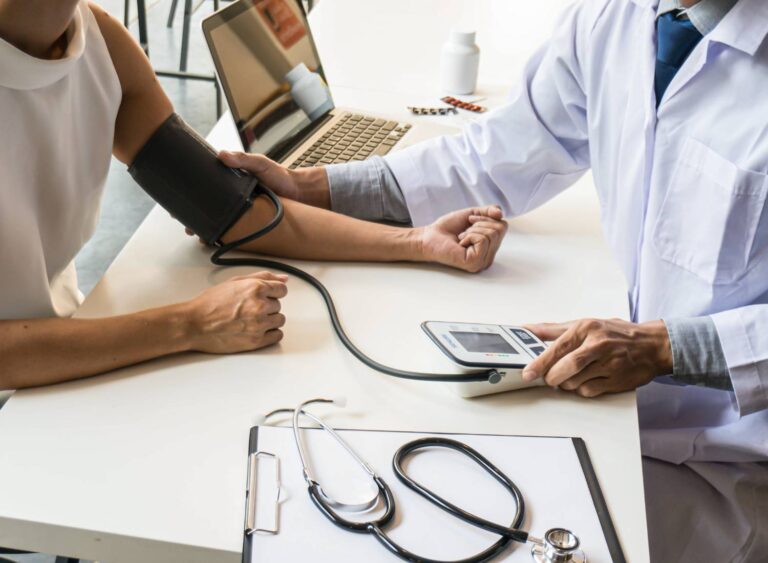
The medical field has also become huge here with the Jackson Health System hospital opening. That is an outpatient facility that will soon offer cancer treatments. Bascom Palmer Eye Institute is also coming. Doral is a central community for the county with all the major highways surrounding us, which makes our city attractive for the medical industry because everyone can get here.
What are the most important developments that will impact the growth of Doral in the coming years?
Several properties are being redeveloped. For instance, the Seritage building at International Mall was recently purchased and will undergo a major redevelopment. Similarly, Carnival Cruise Lines is selling its building, and the Trump property has an application to build a high-end condo building on the corner of 87th Ave. and 41st St. That project was originally 2,900 units, but I got them to bring it down to 1,400 units. Nevertheless, it is still a huge impact that will change the whole look of our city.