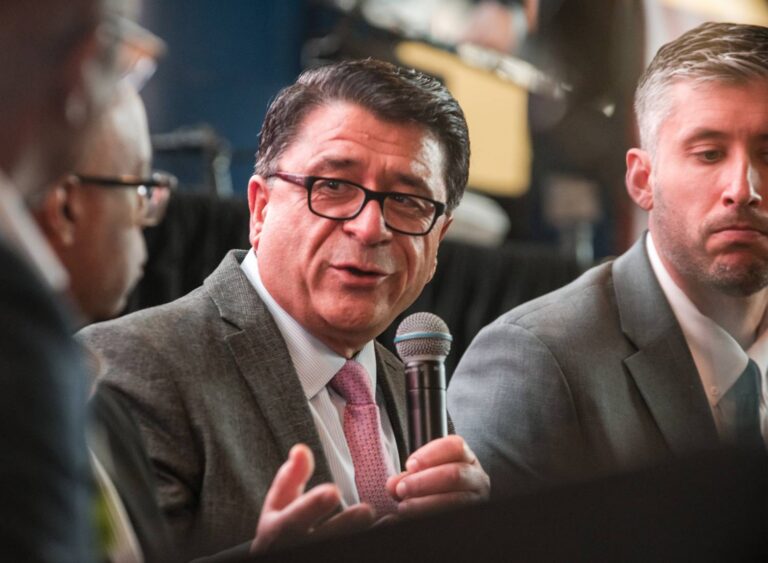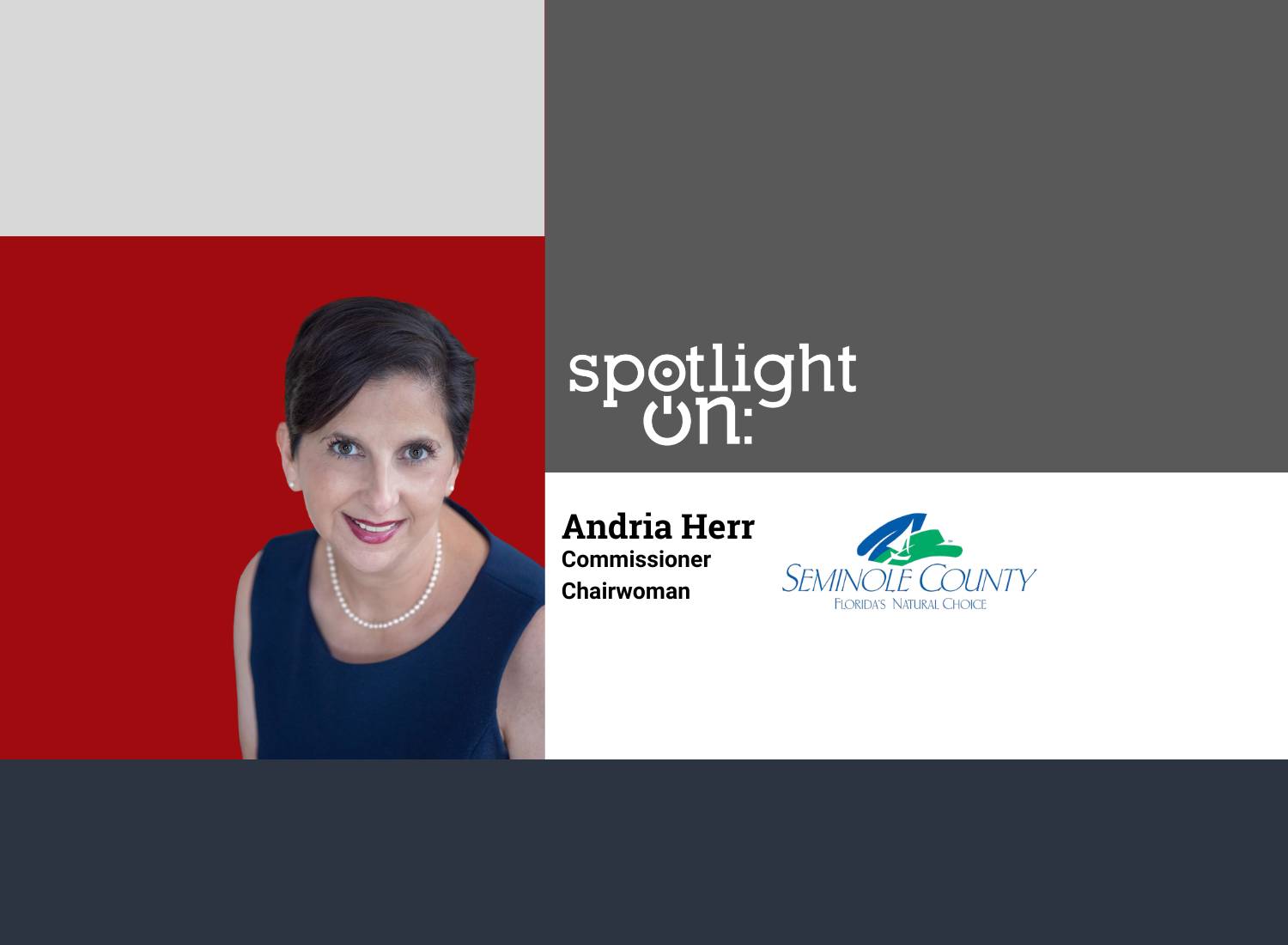







Eric Silagy, Vice Chairman, Related Ross
 In an interview with Invest:, Eric Silagy, vice chairman of Related Ross, discussed the company’s role in shaping South Florida’s growth through sustainable development, collaboration, and long-term planning. “Progress is the objective,” he said.
What recent projects are helping shape the region’s long-term growth?
It has been an incredibly busy time. West Palm, Palm Beach County, and the entire Gold Coast region are booming, which is the result of years of work by many people, not just Related Ross. It also reflects Florida’s growing recognition as a great place to do business, where companies can thrive beyond traditional sectors like tourism, agriculture, and services for retirees. Tourism remains a key pillar of the state’s economy and one reason Florida has no state income tax, a major business advantage. But it is only part of a broader success story. The Gold Coast and Palm Beach County are well-positioned for long-term prosperity, and Related Ross aims to contribute by developing the community thoughtfully and sustainably. Growth brings opportunity, but also challenges. We are addressing both by going beyond construction to consider how development affects the broader community. For example, ServiceNow, a leading California-based tech company, is establishing a second headquarters in downtown West Palm Beach.
It is leasing about 250,000 square feet, or half of one of two new towers that together total 1 million square feet and are already more than 60% pre-leased, a strong sign of the market’s appeal. We are also focused on what surrounds those offices: housing, retail, and recreation.
Nearly 5,000 people will work in those towers, so nearby living options are essential, from high-end condos to affordable workforce housing.
What trends are influencing Florida’s real estate and business environment?
Florida’s market is dynamic, driven by its structural advantages such as low taxes, a stable pro-business climate, and predictable regulation. Companies can invest here with confidence that they will be treated fairly. The state’s AAA credit rating reinforces that stability, signaling that Florida will not resort to sudden tax hikes caused by population or revenue declines. We also have a diverse, highly educated workforce
supported by one of the best university systems in the nation. Florida’s 12 public universities, with 440,000 students, have ranked first nationally for 10 consecutive years, producing skilled graduates in engineering, technology, and healthcare. These tier-one research institutions create a deep talent pipeline. Most graduates stay in Florida, which means companies can hire locally rather than recruiting from out of state. That retention, combined with cultural and linguistic diversity, with more than 80 languages spoken as a first language, gives Florida a global advantage. Adaptability is key. Companies want well-trained talent and communities that support a balanced life. A happier workforce is a more productive one. Florida delivers
that balance with beaches, sports, culture, and outdoor recreation. Professionals can engage with global industries from Palm Beach to Miami while enjoying a vibrant lifestyle. If someone cannot have fun on the Gold Coast, it is certainly not for lack of opportunity.
What role do public-private partnerships play in Related Ross’s work?
Public-private partnerships are essential because they bring together the strengths of both sectors to solve shared challenges. We are collaborating with planners on transportation in West Palm Beach, improving connectivity along major corridors and between
waterfronts. The goal is to move people efficiently through smart traffic systems, better transit, and expanded use of Brightline’s rail service. Infrastructure requires constant investment; it is a marathon, not a sprint.
Growing regions like ours must maintain and expand systems that support productivity and quality of life. Education is equally critical. Florida’s K–12 system ranks among the nation’s best, and our universities are thriving, but sustained investment is vital.