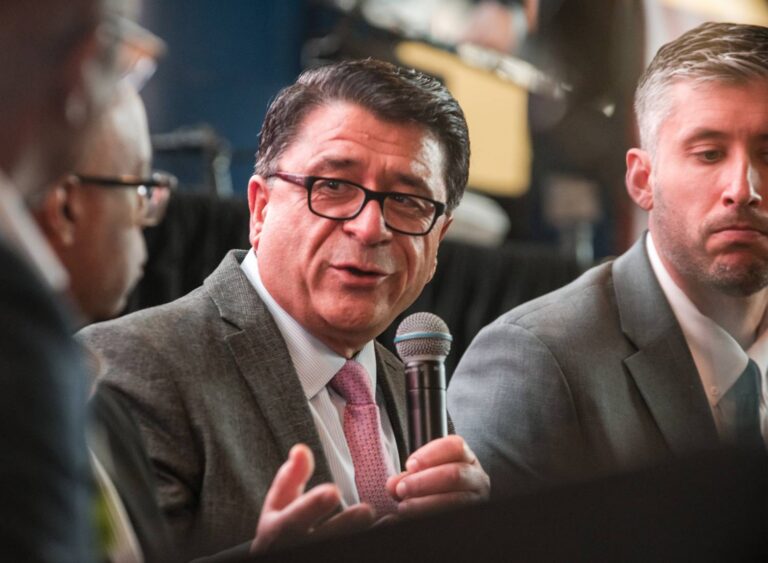
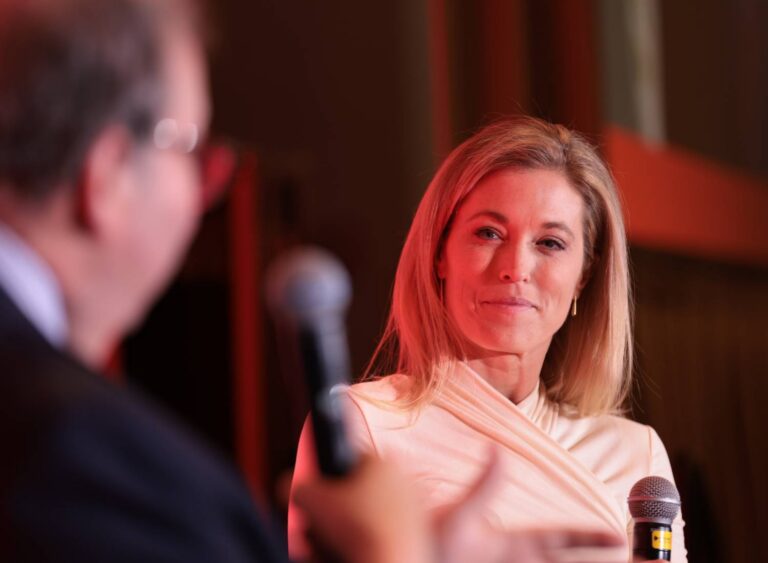
Evelyn Smalls, President & CEO, United Bank of Philadelphia
 For small business owners, a strong relationship with their local bank matters just as much as a solid business plan and availability of other resources. In an interview with Invest: United Bank of Philadelphia President and CEO Evelyn Smalls highlighted the importance of strong client relationships and the bank’s role in assisting small-business owners in the community. “The transactional aspect of banking will always be there, but it is about how you deliver it. It is about having genuine conversations with clients,” Smalls noted.
What have been some key lessons learned from your expansive banking career?
United Bank of Philadelphia was founded by a courageous lady, Dr. Emma C. Chappell in 1992, and she also served as the first President and CEO. I was named CEO in 2000, and it has been an exciting journey. Like many banks when they first opened, we initially tried to do everything.
Around 2008, I realized that we were beginning to mirror other community banks, however, I believed our strength should lie in embracing our identity as a minority bank. We also recognized that many residents in our community were not being properly served by traditional banking institutions. I did not think we needed to replicate what other community banks were doing. Instead, we chose to focus on supporting small businesses.
There are many banks in the region capable of offering a wide range of services, but I felt we should concentrate on what we do best. As a small bank ourselves, we can truly relate to the challenges small businesses face, as we experience the same ebbs and flows. That alignment has guided our efforts. We also maintain a strong focus on serving the church community.
When we first started, many other banks were hesitant to extend loans to urban churches. For banks like ours, the key is to find a niche, to identify where growth is possible and how to sustain it. The journey has not been without challenges, particularly during the pandemic years, but we are still here and continuing to adapt. We constantly reevaluate our strategies, and collaboration remains essential to our success. We value the exchange of ideas, especially since many leaders believe the art of collaboration was lost during the pandemic. Our bank is built on relationships, and maintaining those connections is fundamental to who we are.
What is the bank’s role in supporting small businesses in today’s economic landscape?
Generally, with small businesses, you want them to be in operation for at least two to three years. This allows them to refine their business plan and gain a clear understanding of the strategies needed to achieve their goals. Most importantly, if they need to borrow, they have the capacity to repay the debt. In addition, small business owners must align with people who will support them to create a strong foundation. They need to have a solid team in their corner, such as an accountant or financial advisor, and ensure they have the right people in the right roles. We have been successful with most of the small businesses we work with because we encourage them to come to us with a clear business plan.
We complete many of our loans using the Small Business Administration (“SBA”), which provides a safeguard by the way the program is designed with a guarantee. This process works well for us as it requires small business owners to be organized and disciplined during the application process, which again highlights the importance of business leaders to have the proper resources around them. Another key reason it is important to support small businesses is that they are the ones who hire and retain employees, helping to keep the economy strong.
What common barriers do business leaders face when trying to access capital?
Some of the barriers small businesses face can include credit challenges. We advise our lenders to take a step back and have a genuine conversation when meeting with clients. Let the clients tell their story rather than jumping straight into the transaction. Ask about the origin of their business, their goals, and their expectations. Through this process, clients often share valuable insights that help lenders piece together a complete picture and determine the best approach, as well as what additional support may be needed as part of a holistic relationship. It is important not to rush into a transaction without truly getting to know the client. Banking is built on relationships. This approach ensures everyone understands expectations so we can collaborate on a solid plan regarding loan type, terms, and rate.
We also encourage clients to open an account with us, as deposits help our bank grow and strengthen our ability to serve. A broader relationship makes it easier to manage accounts and gain a clearer sense of how the business is performing. Strong relationships also mean business leaders are more likely to reach out when challenges arise. Setting the right tone early in the relationship helps prevent potential issues later on, which is vital for long-term success.
What role do community banks play in strengthening the local business environment?
When we first started, many people in Philadelphia were outside of the traditional banking system. There were a few check-cashing services available, but most people kept their money at home. This was largely because they felt the banking system was not welcoming to them.
That became the driving force behind founding our bank. We wanted people to know they could safely come into a bank and deposit their money with confidence. We also launched a program to help parents save for their children’s education, allowing them to build equity in those funds to ensure the money would be available when needed. Much of what we do focuses on making people feel welcome and helping them find answers to their financial questions. It is essential to create an environment where clients feel comfortable and supported. The transactional aspect of banking will always exist, but what truly matters is how it is delivered. It is about having genuine, meaningful conversations with clients. Our bank is located in the heart of downtown Philadelphia, and it has been a wonderful home for us over the past few years. We are now evaluating our options as branches no longer need to be as large. With the advancement of technology, long teller lines are no longer necessary, and customers can deposit funds in many convenient ways. This evolution has transformed the industry. Still, there are many who prefer to visit the branch and handle their transactions in person, particularly our senior customers, and it is truly delightful to see them come in when, at one time, they kept their money at home.
How are you leveraging technology at United Bank of Philadelphia?
The push toward digital banking has become an essential priority for institutions like ours. As a small bank, we continue to invest in technology to improve efficiency, security, and fraud prevention. We partner with Fiserv to advance our digital capabilities while maintaining our commitment to personal service and community connection.
We recognize that smaller banks face unique challenges in adapting to rapid technological change, but the banking landscape has evolved significantly since our opening in 1992. United Bank is implementing updates to remain competitive and responsive to our clients’ needs. Our vision is clear: technology will not replace our values; it will amplify them. By aligning innovation with our mission, we will continue to drive equitable economic opportunities for small businesses, individuals, and communities across the region.