






Face Off: How Florida credit unions are rethinking lending in 2026
Key points:
- • Credit unions are adapting to higher rates and affordability pressures by expanding digital capabilities and member-focused lending strategies.
- • Mergers, business banking expansion, and fintech partnerships are reshaping how institutions scale and compete.
- • Financial education and community partnerships are central to long-term growth, building stronger and more financially resilient members.
 March 2026 — As the past year was marked by elevated interest rates and ongoing affordability challenges, 2026 has been a major adjustment for the financial sector. Credit Unions see this window changing lending activity while also redefining how institutions support their members, particularly as households face increasing pressure around higher costs and debt management.
Broader economic trends including slower growth and continued digital disruption are pushing credit unions to rethink their strategies. Institutions are increasingly focused on balancing operational efficiency with member-centric services, while also leveraging technology such as automation and AI to remain competitive in a rapidly evolving financial landscape.
Credit unions are also expanding their role in long-term community development through financial education and workforce readiness initiatives. Partnerships with schools and local organizations are becoming a key strategy to improve financial literacy early on, helping build stronger, more resilient communities while creating future generations of financially confident consumers.
Across Central Florida, credit unions are navigating the challenge of scaling their impact in a competitive market while preserving the trust and community focus. To explore how institutions are approaching this balance, Invest: Greater Orlando sat down with Miriam Mitchell, chief lending officer of Addition Financial Credit Union, and Shane Hoyle, president and CEO of Space Coast Credit Union.
What were some of your major milestones or decisions over the past year that helped shape your direction?
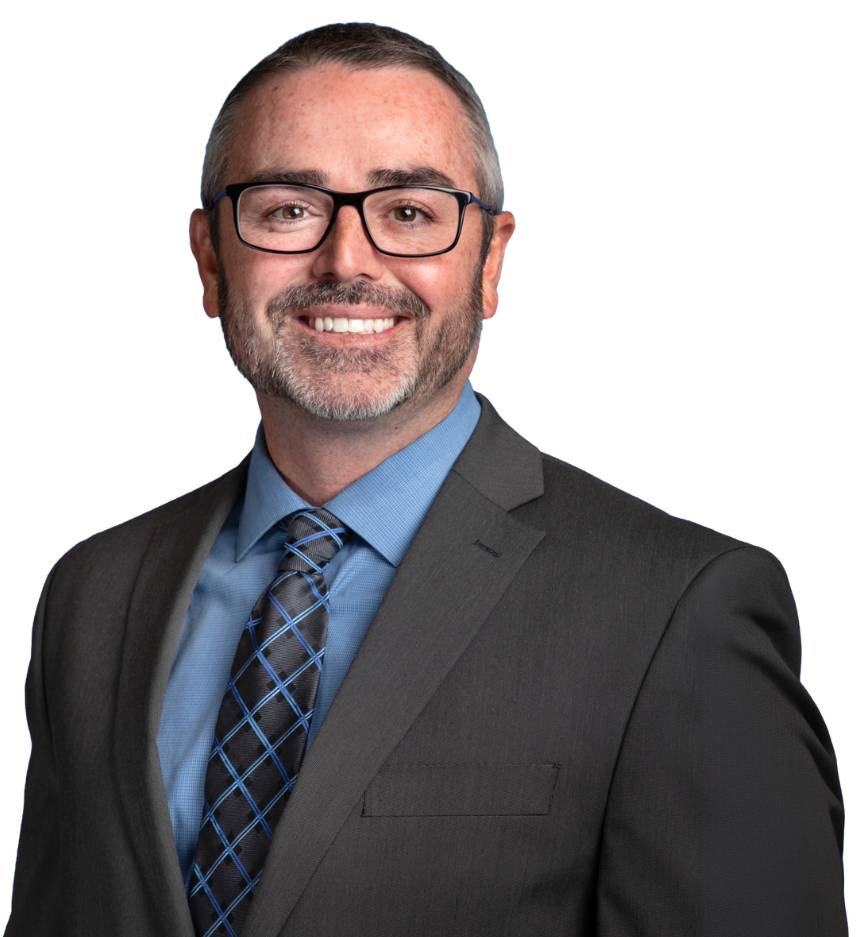 Shane Hoyle: We had a leadership change last year, and I stepped into an interim position in January 2025 and stayed there for about eight months. During that period, we made targeted, incremental changes focused on culture, internal support, and retention. Once the permanent decision was made, we moved into a broader restructure, aligning the organization more intentionally around areas where we heard we needed to improve.
One of the most important shifts was becoming more focused on technology and our digital platform. “Digital transformation” is a phrase people use constantly, but the reality is that it’s critical, both for internal teams and for members. That includes improving internal systems so they connect better, and improving external communication so we can connect with members more effectively. We created more specialized roles centered on those priorities.
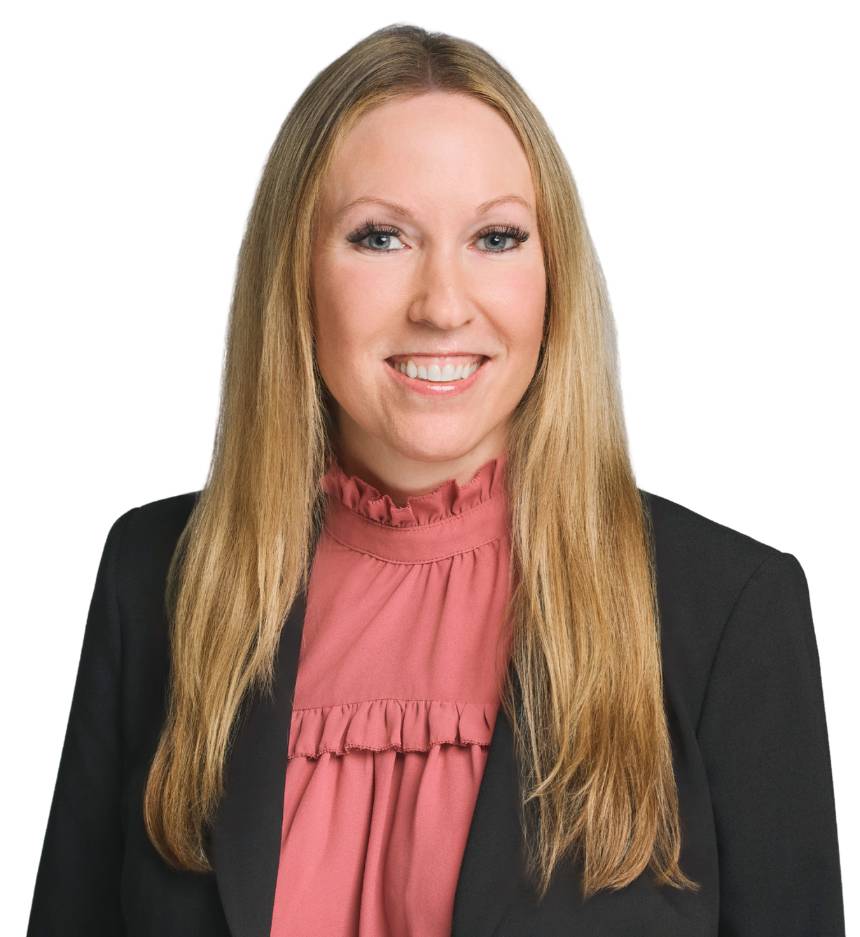 Miriam Mitchell: This year, one of our major projects and accomplishments was completing a merger with a credit union in the Tallahassee area in North Florida. That was a huge focus for us. We put a lot of effort into partnering with another credit union that is very like-minded, with a similar mission and history, so we could expand our reach across the state and help more communities and families.
In addition to that, we’ve put a lot of focus on business banking and building partnerships with business members throughout the community and developing products and services that really meet their needs. We’ve always offered business and commercial products, but it wasn’t a major focus before. We were much more consumer-driven, so this has been a big pivot as we look at where we’ve been and where we want to go in the market, especially around reaching small businesses and helping them with financing and account management.
How does digital transformation factor into staying competitive in today’s environment?
Mitchell: Fintechs, automation, and artificial intelligence are huge factors. The way we lend today is very different than it was just a few years ago. We have to be much more agile and responsive because people expect decisions 24/7. That means we have to make sure our processes can accommodate that level of speed and convenience. We’ve taken a strong focus on automating where it makes sense and partnering with fintechs that offer AI-driven solutions for lending and account opening so we can remain relevant and competitive. We’re also seeing more physical banks and credit unions coming into our market.
Historically, credit unions tended to have defined markets and you didn’t see as much overlap, but that has changed. Your territory is no longer just your territory; you should expect other banks and credit unions to move in, sometimes right across the street. We have to be prepared to compete at that level on both service and product.
Hoyle: It’s essential for staying relevant. Competition is coming from everywhere, especially fintechs. I actually welcome some of that competition because it pushes us to elevate our game.
To stay top of wallet and top of mind for members, we have to keep innovating. We don’t have the budget of the very largest institutions, but we do have the trust and loyalty of members, and that matters. We’re also large enough to scale, but not so large that bureaucracy slows every decision. That gives us agility, and we want to use it.
The other major factor is operational efficiency. Every dollar we spend is our members’ money, so we’re mindful about how we invest. We’ve strengthened internal capability around operational discipline and making sure the tools we implement are actually used to their highest potential.
We’re going to meet you where you want to be met, and that means continuing to invest in the digital experience while protecting the human touch that members expect from a credit union.
Which macroeconomic pressures are having the greatest impact on lending demand in Central Florida?
Hoyle: It’s constantly shifting. Consumer demand changes, the regulatory environment changes, and the economy feels different depending on who you ask. As a credit union, we also serve underserved members, and they can feel financial pressure in a different way. That makes it even more important that our pricing is fair, our fees stay low, and our products clearly bring value.
We try to listen closely to what members are experiencing, not just from a service standpoint but financially. We also provide tools and products that encourage savings and help members build better habits.
Auto lending is one area where we’re very active, and it requires a careful balance. We work hard to keep pricing competitive for members while still managing risk and maintaining profitability. We also look for opportunities to offer better value on savings products when we can.
Mitchell: We’re seeing several pressures, particularly in Central Florida. We have about 1,500 people moving into the region each week, and it has been difficult to keep up with that pace when it comes to housing and affordability. There isn’t enough new home construction to account for the number of people who need to purchase homes, which is driving prices up. When you combine that with higher interest rates — even though they’ve come down slightly over the past year — it still hasn’t been enough to motivate many would-be sellers to put their homes on the market. Affordability is a major issue, and qualifying for a mortgage is challenging when prices are so high. Your average first-time homebuyer isn’t looking for a $350,000 home, but that’s often what the market looks like. We’re also still seeing lagging effects from the pandemic in the vehicle market. During that period, borrowers were purchasing vehicles at overinflated prices because there wasn’t enough inventory. Now that inventory has normalized, many borrowers are very upside down in their vehicles. Trying to get out of those loans and into something more affordable has been difficult, and we’re seeing more people turning in cars and becoming credit-challenged as a result.
How are you approaching challenges like housing affordability and access to quality lending options?
Hoyle: Housing affordability is one of the biggest challenges people are dealing with. Fees and closing costs can be a real barrier, on top of the down payment and the broader cost of living.
We created products designed to reduce that friction, including our HERO loan, which is built to support specific groups with competitive pricing and reduced costs. That product ties back to our roots. We started at Patrick Air Force Base (now Patrick Space Force Base), and serving military families and first responders is part of our DNA. We want to understand the challenges members face and build products that meet those needs.
We also strengthened internal roles focused on gathering market information and understanding what competitors are offering. The goal is to ensure we’re offering the right products, at the right price, and that we’re doing the research needed to earn trust.
One of our core values is trusted products. Members should feel confident that we’ve done our homework, that the pricing is competitive, and that what we’re offering is built for their benefit.
What trends are you seeing in consolidation and M&A activity across the banking sector?
Mitchell: There has definitely been a shift. We’re seeing a lot of smaller credit unions having a harder time staying afloat as regulation and costs increase. It’s more difficult for smaller institutions to remain relevant and keep up with technology investments and compliance demands. As a result, we’ve seen more mergers where smaller credit unions partner with larger ones so they can continue to serve their membership base.
Another trend is credit unions purchasing banks. Years ago, that wasn’t something you saw, but over the last five years there have been more credit unions buying community banks. They often share a similar philosophy in how they serve their customers and communities, so it can be a natural fit. It has also helped credit unions that have not historically been in the commercial lending space.
By partnering with or acquiring a community bank that has that expertise and bringing it in-house, we gain more ability to serve more businesses and members with the level of expertise they deserve.
Looking ahead, how are education partnerships shaping access to credit and financial literacy, and how does that support your credit union’s long-term competitiveness?
Hoyle: It comes back to balance. One top priority is continuing digital transformation while staying true to a member-first approach. That will not change. We want to keep improving how members engage with us, while protecting the personal service that defines a credit union.
Another priority is continuing to invest in our communities. They’re the reason we exist. That includes financial literacy efforts and broader community engagement, because we want people to know we’re committed to supporting the places we serve.
Mitchell: One of the key things that came out of our partnerships with local colleges is improving access to credit for students who have never had it before. We pair that with a broader financial literacy strategy that starts as early as pre-K. We partner with organizations to help young children understand basic concepts about money, then build on that at each stage. We even have high school branches that are fully run by students, where they learn money management skills in a real-world environment.
At every phase, from early childhood through retirement, we’re focused on helping people use credit wisely. We don’t want young people to start out by maxing out a $2,000 credit card and only making minimum payments, then carry that burden into vehicle loans and eventually into the mortgage process. Our goal is to equip them with the knowledge and tools to make sound decisions so credit becomes a powerful tool, not a long-term obstacle.
Want more? Read the Invest: Greater Orlando report.