






Face Off: Legal leaders on protecting Pittsburgh’s workforce
Writer: Melis Turku Topa
 August 2025 — In Pennsylvania, workplace hazards remain an ongoing concern. BLS data shows a 13% increase in workplace fatalities from 2021 to 2022, alongside nearly 140,000 nonfatal injuries and illnesses. In 2023, private employers reported 115,200 nonfatal injury and illness cases, about 2.6 cases per 100 full-time workers and slightly above the national average.
Manufacturing, construction, and utilities — sectors central to Pittsburgh’s economy — rank among the highest-risk industries. The recent explosion at U.S. Steel’s Clairton Coke Works plant, which killed two workers and injured at least 10 more, puts in perspective the risks workers continue to face.
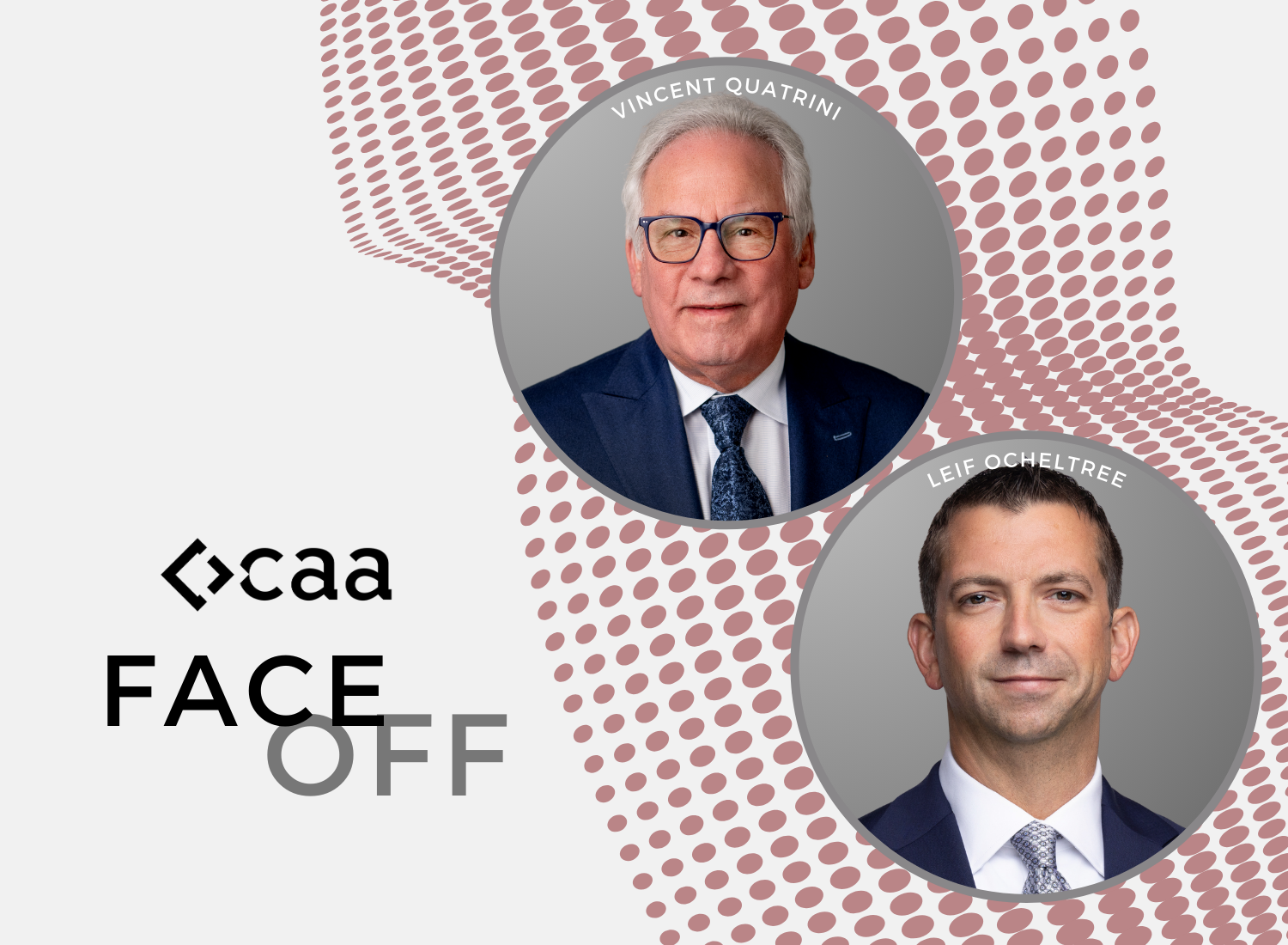
Two long-standing firms, Quatrini Law Group and Goldberg, Persky & White, P.C., have built their reputations on advocating for workers harmed on the job, from coal miners and workers with disabilities to victims of asbestos exposure.
As Pittsburgh’s economy grows, Invest: spoke with Vincent Quatrini, founding partner of Quatrini Law Group, and Leif Ocheltree, shareholder at Goldberg, Persky & White, P.C., about how their work continues to shape the protection of employee rights and deliver workplace justice.
How has your firm evolved its legal strategies to better protect workers who have been injured or exposed to occupational hazards?
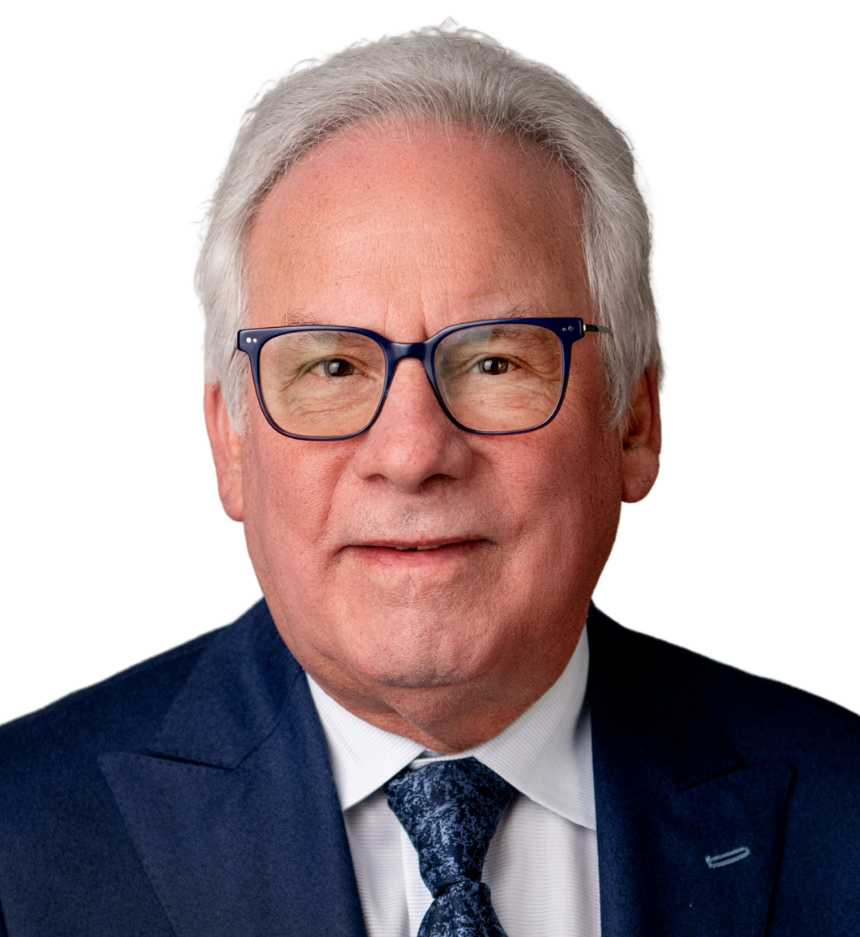 Vincent Quatrini:
Our firm has been in existence for more than 40 years, and we have focused on workers’ rights from the start. Throughout this time, we have been consolidating our skills so we can be as good as anyone in protecting individuals. We have expanded by adding different practice areas that cover injury, disability, and employment. We look at long-term trends. Over the last couple of years, we have added employment rights attorneys to the firm because we have found that when you are injured or disabled as a worker, your employer may not do what they are supposed to do in letting you continue to work. They may retaliate against you because of your injuries, or fail to provide accommodations because of an injured worker’s restrictions. The American with Disabilities Act requires employers to provide reasonable accommodation for injured employees. Many employers are not aware of this obligation or do not carry it out properly, and that is where our employment lawyers come into the picture and hold the employer accountable. This is also true when a worker gets hurt and employers decide they do not want the employee any longer and fire them. If an employee is fired for illegitimate reasons, we can file for damages for retaliating against a hurt employee.
We also represent people who have served in the armed forces who have been injured during their service. We have a total of 20 attorneys and we are expanding our presence in Allegheny County.
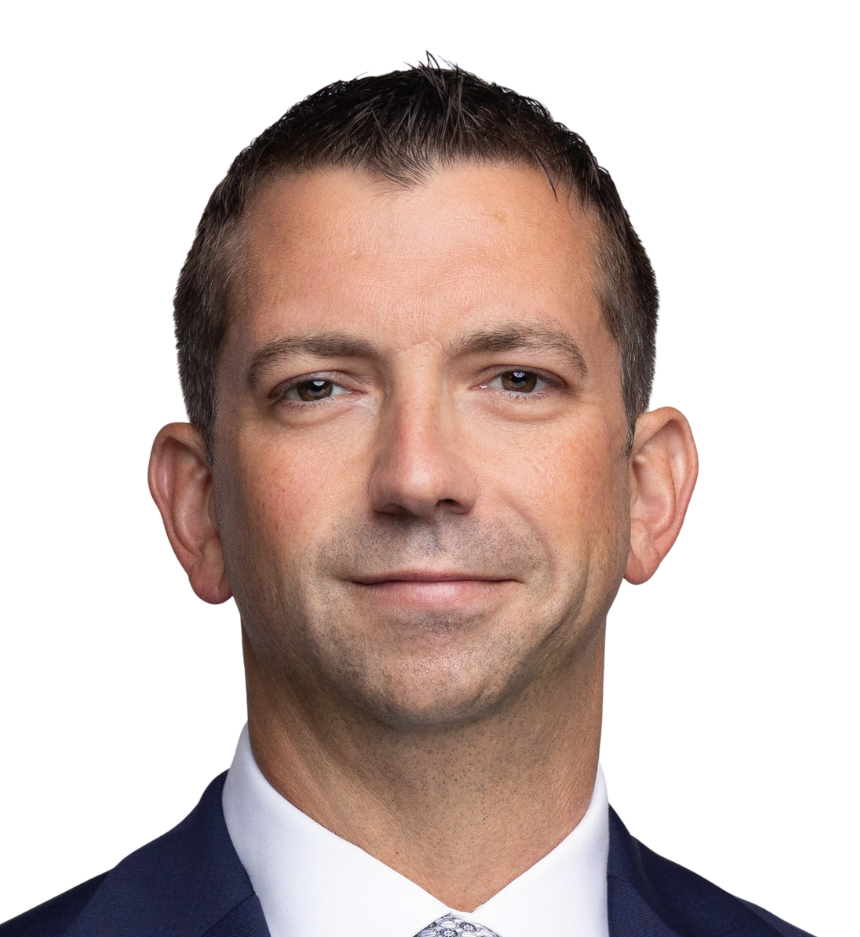 Leif Ocheltree:
We are one of the largest plaintiff law firms in the state of Pennsylvania and exclusively represent injured parties. We have historically been most involved in asbestos litigation but also handle cases in the field of personal injury, sexual abuse, nursing home abuse, and other toxic tort cases such as individuals who develop leukemia after being exposed to benzene.
All asbestos firms are facing the challenge of an overall decreasing number of mesothelioma cases being filed nationally on an annual basis. It is really a wonderful thing to see fewer and fewer folk diagnosed with mesothelioma each year across the country. By being a leader in the field of asbestos litigation and having a diversified practice, we have managed to stay as busy as ever and continue to see large numbers of folks suffering from asbestos-related disease seeking our expertise.
Can you share an example that reflects your firm’s commitment to securing justice for injured workers, and how community involvement plays a role in your work?
Quatrini:
Both the state and the federal government have laws to protect workers from harassment and discrimination. In a recent case that we worked on, we took the position that an employer had discriminated against our client by failing to accommodate the client’s disability. As a result of this failure, our client suffered a workplace injury that led to his death. We filed suit against the employer because our client asked for an accommodation and the employer refused the accommodation request – to move the employee to a different job. If the employer had moved him, the fatal accident would not have happened. In our commitment to workplace justice, we felt that it was unjust that the employer was not accommodating our client and did not listen to the client’s concern. Because they did not accommodate his concerns, we filed suit to recover damages for his wife. Our attorney was highly successful in getting a settlement for the family under those circumstances.
Ocheltree:
In the legal industry, and particularly in civil litigation, there has been a trend to force cases to mediation and arbitration as opposed to trying cases in front of a jury. Civil cases being resolved outside of the court system is not necessarily a bad thing. At GPW, we’re prepared to mediate, arbitrate, or try our cases to verdict depending on what makes the most sense for our clients.
Staffing has also been a challenge since COVID-19. A lot of folks have an interest in remote work; a growing trend in nearly all industries. As a large employer in Pennsylvania, we work with our employees to provide a schedule that works for them. Given the nature of our work, we do our best to be flexible while still satisfying the needs of the business overall.
GPW has been heavily engaged in community outreach all the way back to its inception. We do everything that we can to give back to the community. We promote an annual Toys for Tots Drive, we are a proud supporter of the United Way of Southwestern Pennsylvania, and we donate to organizations actively searching for a cure for mesothelioma and asbestos-related lung cancer each year. Many of our clients have lived and worked in the greater Pittsburgh and tristate areas their entire lives. When a major issue arises, we are the ones they call when they need the help of a lawyer.
What are the firm’s goals and priorities in the coming years?
Quatrini:
Our first priority is to continue to educate ourselves to be able to provide first-class representation to our clients. You can never stop learning and educating yourself. We are meeting with software companies to improve our use of artificial intelligence in our legal practice. The legal practice has been slow to embrace AI as lawyers are people of tradition. We recognize that we need to look ahead and invest in ourselves. We are also expanding our niche practice areas. With the development of our new Pittsburgh office in the former Lidia restaurant building in the Strip District, we are excited about providing more opportunities for our clients as well as our staff.
Ocheltree:
For the next 12 to 18 months, our trial dockets are largely already established due to how the court systems operate and how cases are set for trial. Preparing those cases for trial and successfully representing families who have a loved one suffering from asbestos-related disease or who may have already passed away is our top priority.In addition to focusing on resolving our cases that are set for trial, we’re always engaged in business development and working to further develop other areas of the law.
For more information, please visit: