






Finding an affordable solution for housing
Writer: Pablo Marquez

December 2024 — Affordable housing remains a primary challenge in Jacksonville and Northeast Florida, much like the rest of the country, as costs and demand have surged in recent years. Meanwhile, the public and the private sector are working toward solutions that can help families and individuals live near their workplace for a reasonable price.
With the state of Florida ranked No. 40 in the United States’ housing affordability index, leaders felt Gov. Ron DeSantis administration’s Live Local Act, signed into law over a year ago, would be the change needed to help make affordable housing a reality. However, according to a new report from the Florida Policy Institute, the law has not been enough for many workers’ whose salaries fall below the threshold that is needed in order to be able to pay for adequate housing.
A report from the JAX Rental Housing Project cited72% of Jacksonville’s apartment complexes are owned by corporate investment firms — which has led to an increase in rent prices. In Jacksonville, renters today are paying nearly 40% more for housing compared to 2019. (The average monthly rent jumped from $1,200 in 2019 to $1,700 in 2024.)
Business leaders in Jacksonville, including Tony Cho, CEO and founder of Future Cities; Alex Sifakis, president of JWB Real Estate Capital; Shannon Nazworth, president and CEO of Ability Housing; and David Garfunkel, president and CEO of LIFT JAX, shared their insights on how to make affordable housing a viable option and priority.
Tony Cho, CEO & Founder, Future of Cities
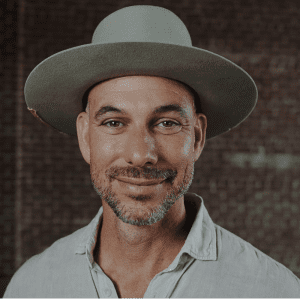
Affordable housing is something we can do, but we can not make that possible without incentives. There is a need in the Jacksonville community, but we have to be partners with the community in creating the solution. It’s all of our responsibility to provide affordable housing, low-cost options for artists, independent and small-business incubation, and acceleration. It’s all of our responsibility. It’s not just the Future of Cities. It’s not just the city of Jacksonville. It’s everybody together. And it does require public-private partnerships. It requires local, state and federal incentives to do that. My vision is to be net zero, build affordable housing, and create a food forest in a food desert. But I need incentives to do that.
Alex Sifakis, President, JWB Real Estate Capital
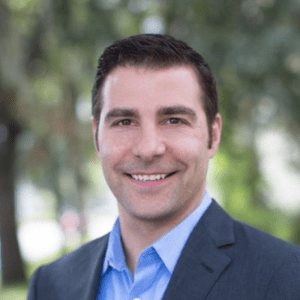
Affordable housing has always been a priority for us, and we’re now focusing on affordable homeownership. We’re collaborating with the city, nonprofits, and communities to build homes that people can afford. For example, last year, out of 405 homes sold for less than $300,000 in Duval County, JWB built 169 of them. This focus makes sense in the current market, as high interest rates make financing investment properties less appealing. We work closely with the city on affordable housing and homelessness initiatives. Our primary goal is to continue growing in Jacksonville and providing affordable housing, which is crucial for maintaining a high quality of life. With demand increasing, we need to build enough homes to keep Jacksonville affordable for residents and newcomers. Working with the city and local nonprofits to maintain affordable housing is our top priority.
Shannon Nazworth, President & CEO, Ability Housing
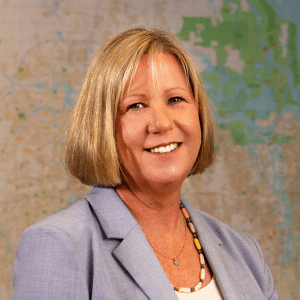
The need for affordable housing has, of course, just grown exponentially, but there’s also a focus on it at the local and state level that we want to be part of. As a nonprofit, we feel this is the time when we really need to create the capacity to access those resources because we own properties as affordable housing for the long term. That’s the only reason we own it: to provide affordability. Part of our strategic plan is to create a revolving loan pool for us to use for predevelopment purposes. As an uncapitalized real estate company, we realized that if we are going to position ourselves to access state and local resources and have the maximum mission impact possible, we needed to create an internal resource, which we are calling the Ability Housing Affordable Housing Fund. Some of our affordable housing projects come with units set aside for families exiting homelessness. Most of our housing production is designed to keep it affordable, especially for families exiting homelessness, seniors on a fixed income or persons with disabilities on a fixed income who have government support. The biggest resource we utilize is the low-income housing tax credit program (LIHTC), but we also have direct grants with the U.S. Department of Housing and Urban Development (HUD) to provide rental assistance for people exiting chronic homelessness. We have direct contracts with the City of Jacksonville, including a special pilot program we’re doing with them to help get chronically homeless individuals off our streets. The State of Florida has affordable housing trust funds that we tap into. Anything we can do to add to the toolkit of how we create quality, affordable housing, we’re all in.
David Garfunkel, President & CEO, LIFT JAX
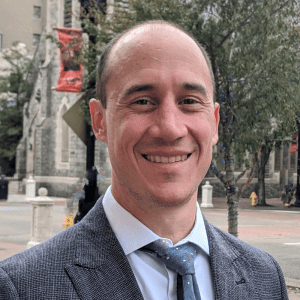
Our work spans historic preservation, housing, and community wellness, bringing essential resources back to the neighborhood. We partnered to acquire and improve three apartment buildings in the neighborhood, including Eastside Terrace, Eastside Gardens, and Downtown East Apartments, adding up to nearly 200 units of improved housing. Our model for breaking the cycle of generational poverty is the Purpose Built Communities model, which includes four key strategies. The first strategy is mixed-income housing, ensuring high-quality housing is accessible to people of different income levels, whether low, middle, or market rate. We are committed to housing stability, ensuring that current residents can stay in their homes and prosper as the neighborhood improves. Preventing displacement is critical. We will double down on our home repair program, assist residents in securing clear titles to their homes, and educate them about available tools and resources. Our focus on economic development and housing will drive our efforts to ensure that new investments benefit those who are already part of the community.
For more information visit: