





Focus: Atlanta Leadership Summit addresses infrastructure, workforce development, and downtown investment
Key points:
- • Leaders at the Focus: Atlanta Leadership Summit discussed growth challenges, including airport capacity, housing affordability, and workforce preparation.
- • Panels explored infrastructure investment, AI-driven workforce development, and major redevelopment projects reshaping downtown.
- • Speakers emphasized collaboration across business, education, and government to support Atlanta’s long-term growth.
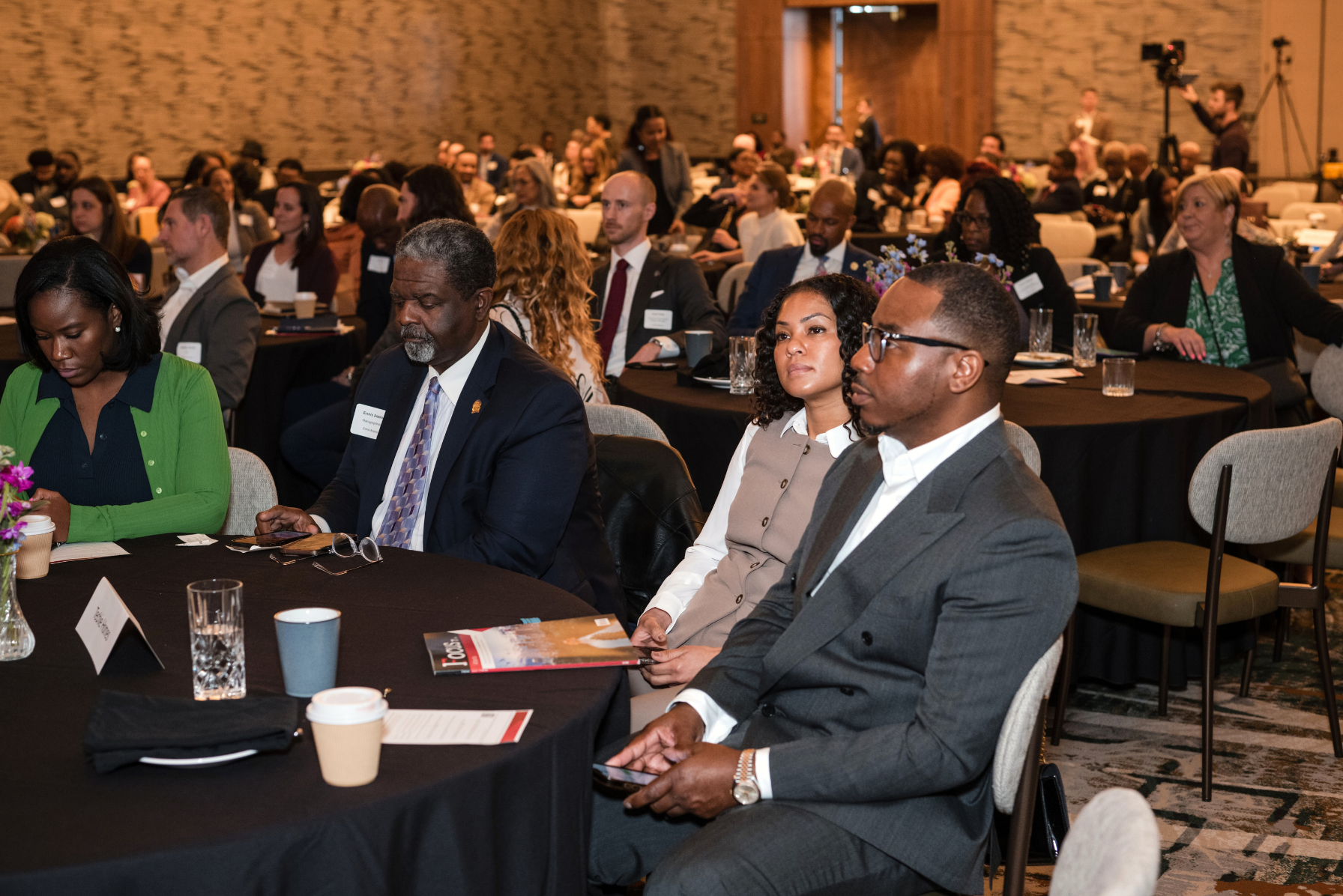
 March 2026 — Atlanta‘s airport is full. Its housing costs are climbing. Its classrooms are preparing students for jobs that don’t exist yet. At the Focus: Atlanta 7th Edition Leadership Summit, the region’s top leaders didn’t shy away from any of it.
Abby Lindenberg, founder and CEO of caa, opened the program by reflecting on what makes the city both a great place to live and do business. “What makes Atlanta truly singular is what those strong numbers represent underneath,” she said. “For four consecutive years, Atlanta has ranked first in the nation for the highest share of Black-owned businesses, a reflection of a city that has never stopped investing in its own people. Atlanta’s historically Black colleges and universities, including Morehouse, Spelman, and Clark Atlanta, generate $1.1 billion in annual economic impact and nearly 7,800 jobs. That talent pipeline doesn’t just feed Atlanta. It fuels the nation.”
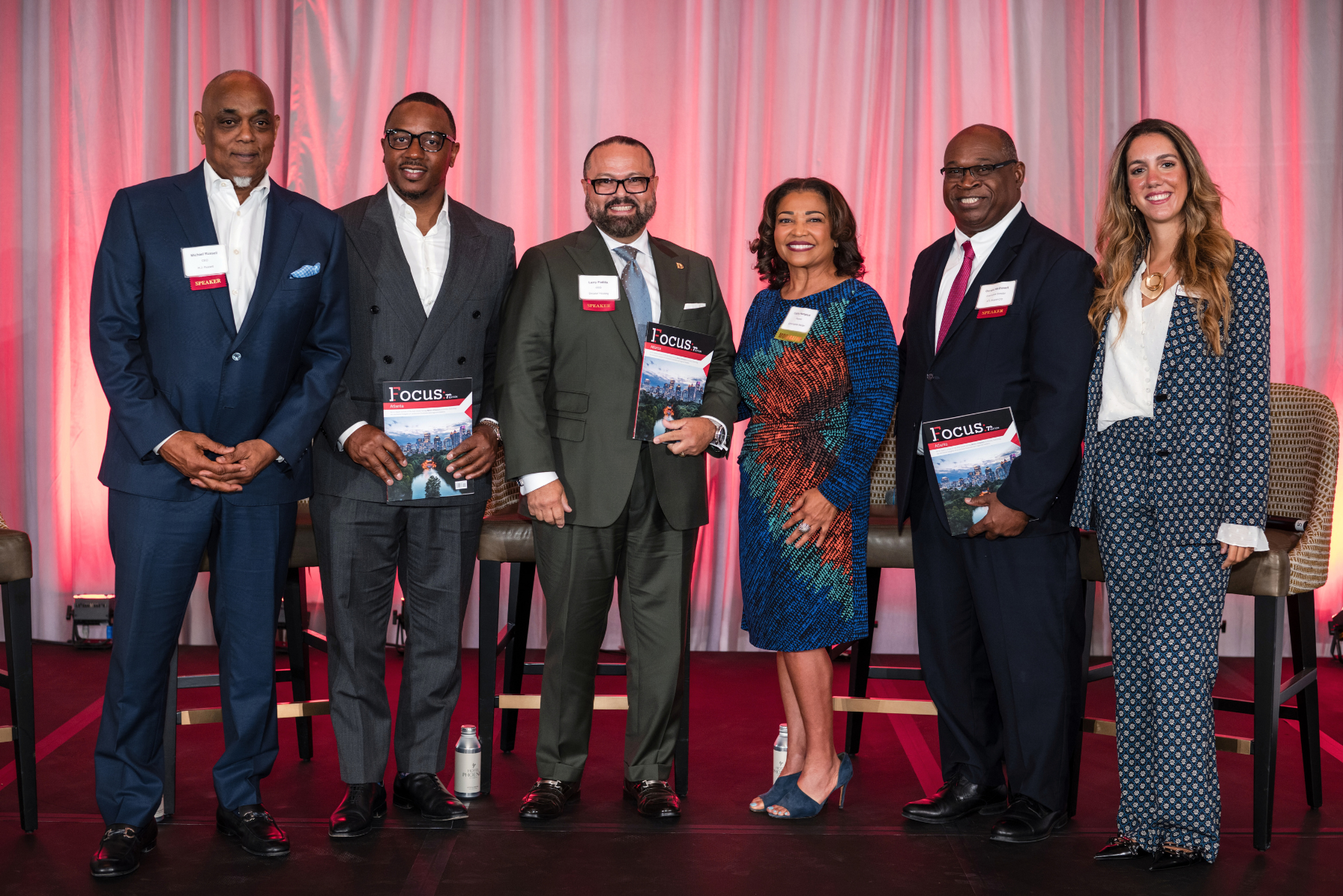
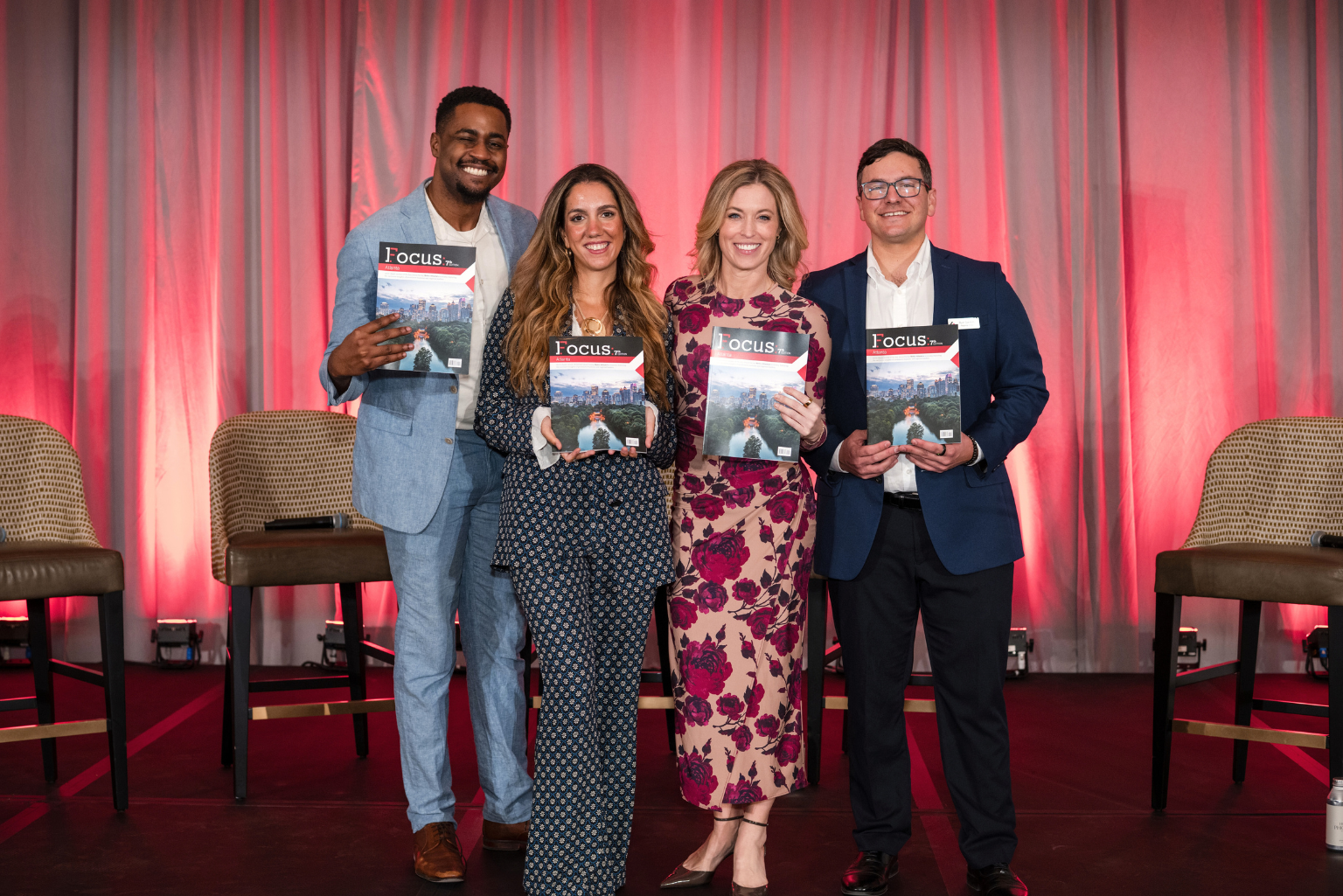
The summit marked the official release of Focus: Atlanta 7th Edition, caa’s in-depth economic review of the region. (Become a member today to access the latest edition of Focus: Atlanta.)
“What gives me confidence standing here is the same thing that always gives me confidence in rooms like this one,” Lindenberg said. “I see people who are not waiting for someone else to solve it. Workforce housing partnerships are expanding. Entrepreneurship accelerators are scaling. And the same community spirit that brought the Olympics here in 1996 and is bringing the World Cup here this summer is being channeled into the work that matters most, building an Atlanta that works for everyone who calls it home.”
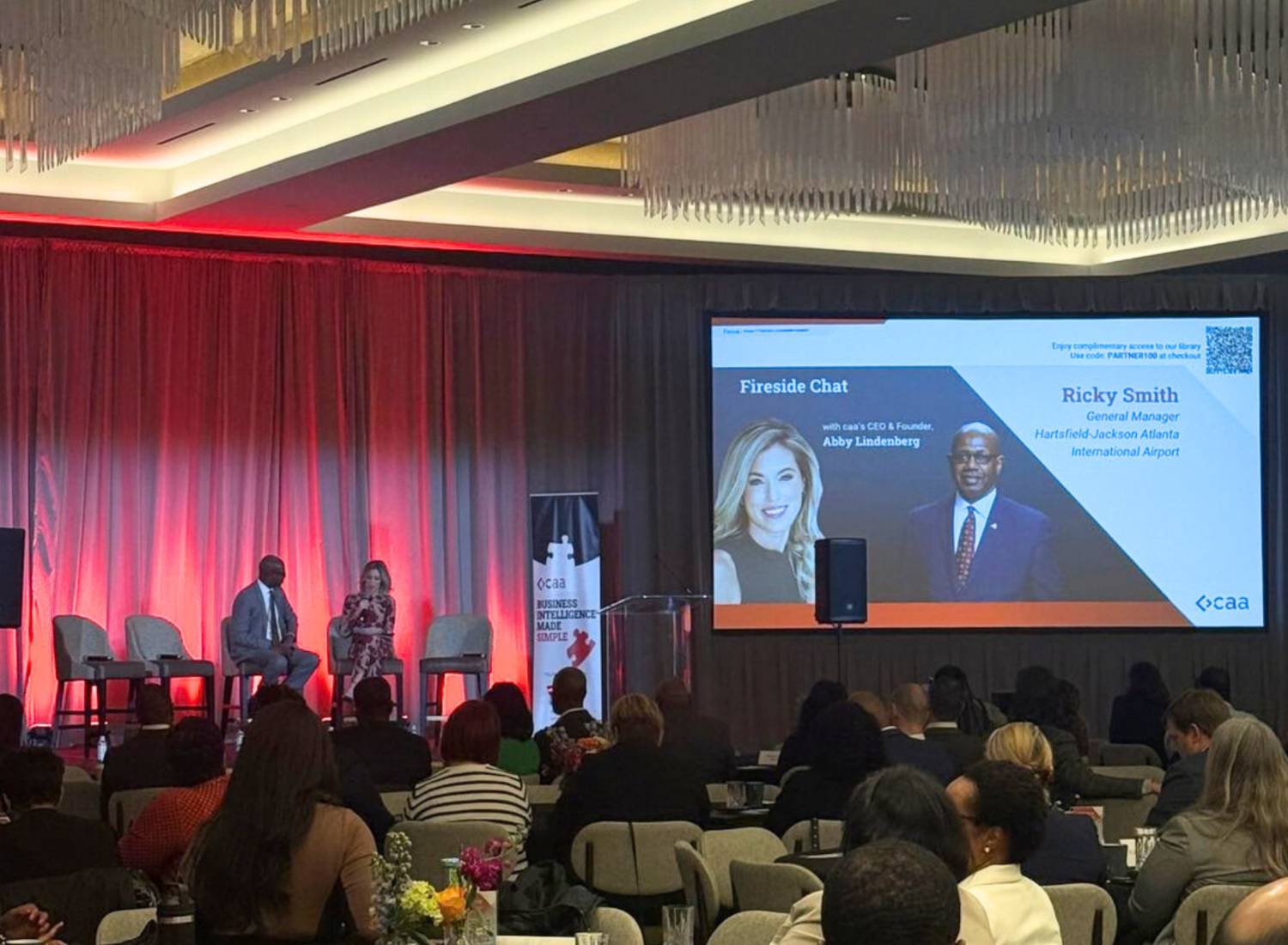
The program moved into a fireside chat with Ricky Smith, general manager of Hartsfield-Jackson Atlanta International Airport, who shared how the aviation sector is increasingly constrained by physical capacity rather than demand, a challenge that could affect how airports support regional economic activity. “The industry is moving from a demand-focused environment to a capacity-focused one. Demand for travel is strong, but facilities, gates, security checkpoints, and labor are all reaching capacity,” Smith said. “Airports are not just modes of transportation. They are economic engines.”
Infrastructure for a global city
The first panel, “Built for the World: How infrastructure, mobility, and smart development are preparing Atlanta for global events and long-term growth,” examined how public investment, housing development, and transportation all contribute to the city’s long-term growth.
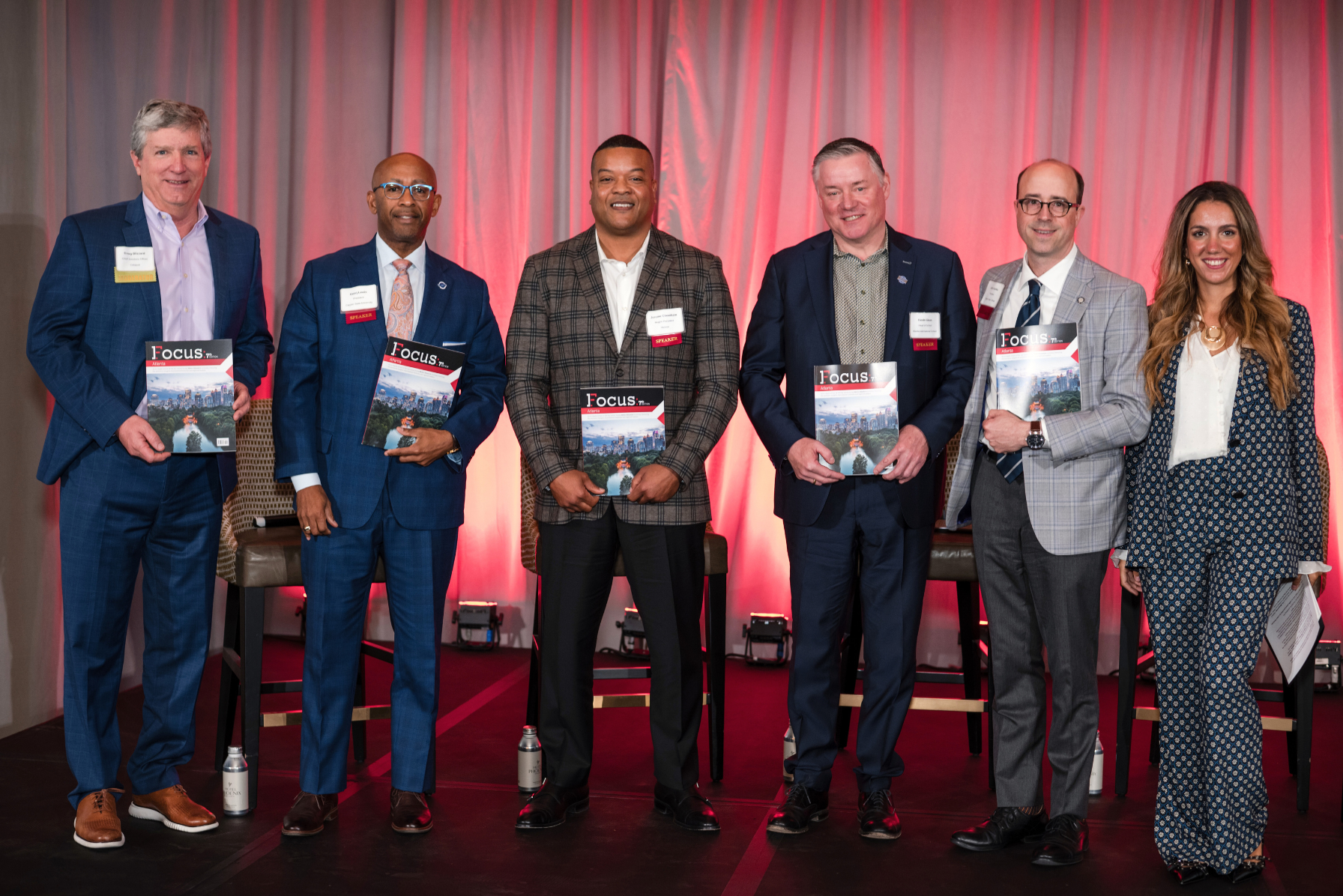
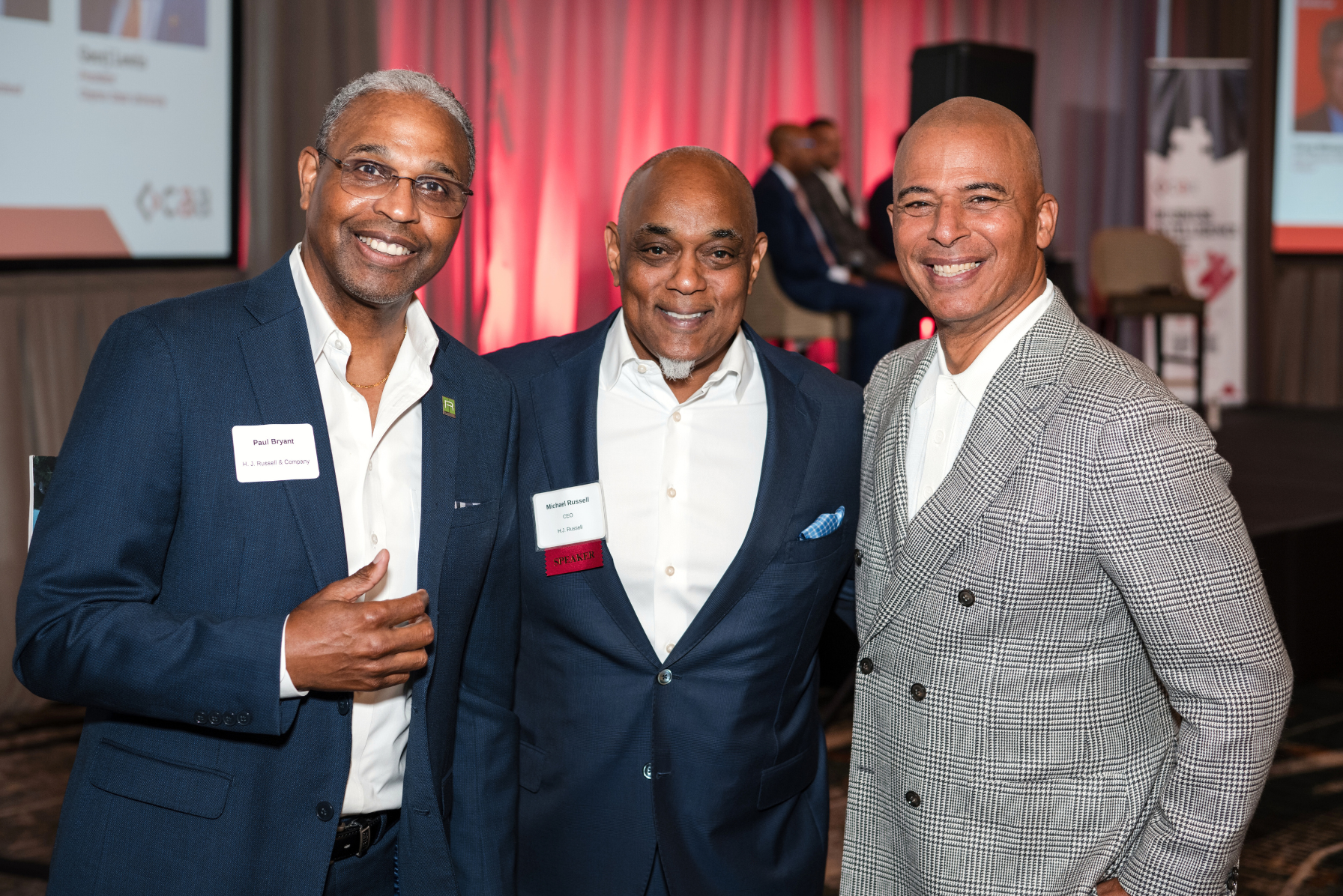
Moderated by Cathy Hampton, partner at Greenspoon Marder LLP, the panel included Gerald McDowell, executive director of the ATL Airport Community Improvement Districts; Larry Padilla, CEO of Decatur Housing; Booker Washington, founder and CEO of Techie Homes; and Michael Russell, CEO of H.J. Russell & Companies.
Panelists discussed the infrastructure challenges that accompany growth. McDowell pointed to recent efforts to expand transit access around the airport district through a microtransit pilot. “You can download an app and get a free ride to your closest bus or train station,” he said, noting that the service provided about 30,000 rides between August 2025 and February 2026.
Housing affordability also emerged as a key issue. Padilla pointed to rising development costs, noting that “building multifamily housing costs about 38% more because of regulation.” Washington emphasized that expanding ownership opportunities remains key to long-term mobility. “Our communities will be a great example of how we transfer homeownership into a wealth generator,” he said.
Russell pointed to the importance of coordinated planning as the city prepares for international events such as the upcoming World Cup. “Atlanta is not a rookie city when it comes to hosting major events,” he said. “But this will be an international audience, and preparation across the region is critical.”
Skills, technology, and workforce preparation
The second panel, “Reinventing the Engine: How AI, education, and industry partnerships are aligning to empower Atlanta’s economy and businesses,” focused on how technological change impacts workforce preparation and learning environments.
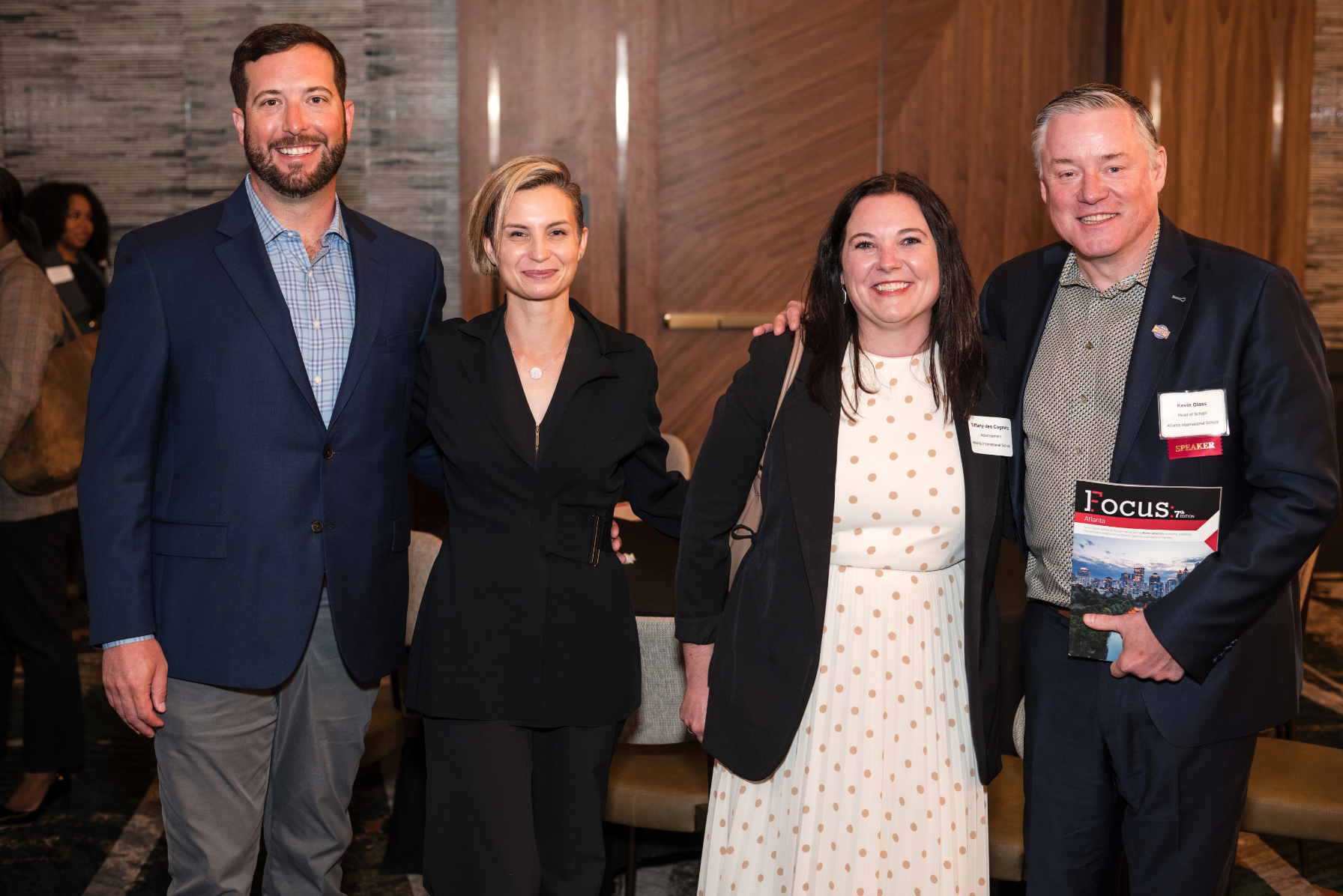
Moderated by Doug Blizzard, chief solutions officer at Catapult, the discussion included John Fuchko, president of Dalton State College; Georj Lewis, president of Clayton State University; Jerome Cheatham, region president of Verizon; and Kevin Glass, head of school at Atlanta International School.
The conversation explored how technological innovation is influencing both education and workforce expectations.
“When we talk about AI, we have to distinguish between analysis and understanding,” Fuchko said. “AI can refine ideas, but the creativity and ethical judgment behind them still comes from people.”
The discussion also touched on the growing emphasis employers are placing on durable skills alongside technical expertise. “From a business perspective, we are increasingly focused on durable skills rather than static job descriptions,” Cheatham said, noting that communication and problem-solving are becoming just as important as technical knowledge.
Leaders also emphasized the importance of a long-term perspective as schools prepare students for a technology-enabled future. “Our youngest students will graduate in 2040,” Glass said. “They will live in a world shaped by evolving technology and artificial intelligence, and we need to prepare them to navigate that environment thoughtfully.”
Reimagining downtown Atlanta
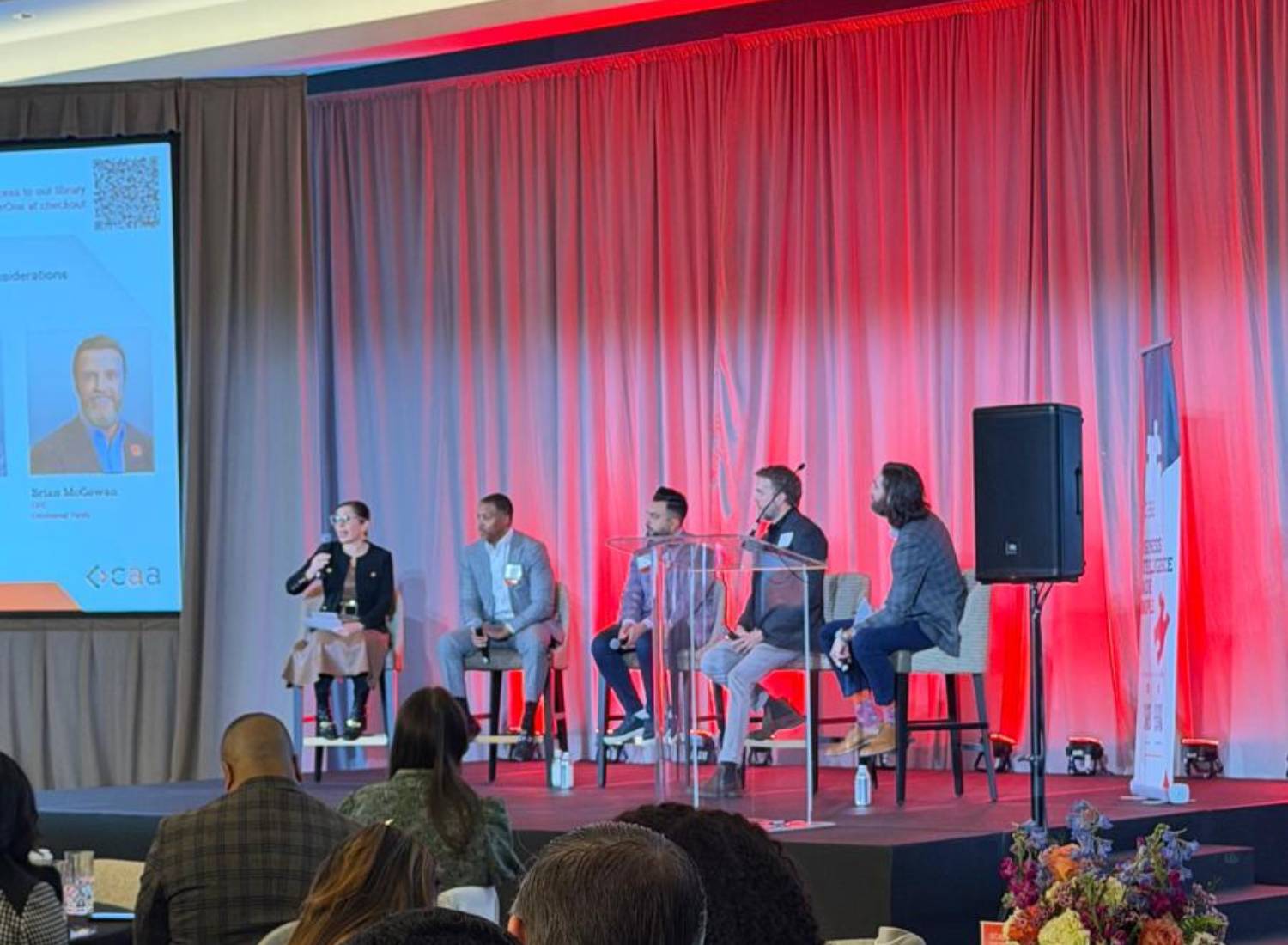
The final panel, “The Urban Reset: How catalytic projects are unlocking value and redefining Atlanta’s core districts, and key considerations for future development,” looked at how major developments are transforming downtown Atlanta and surrounding neighborhoods.
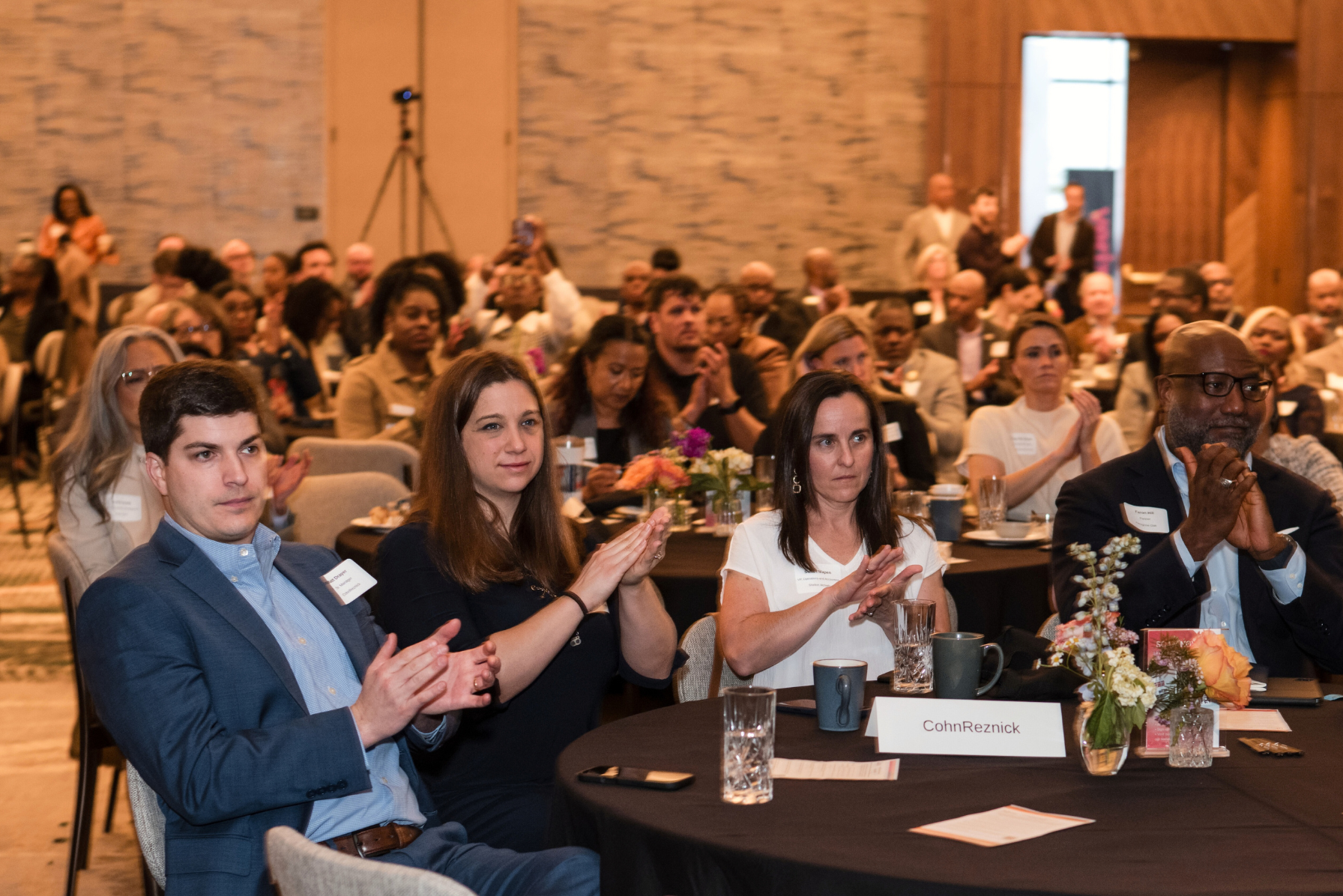
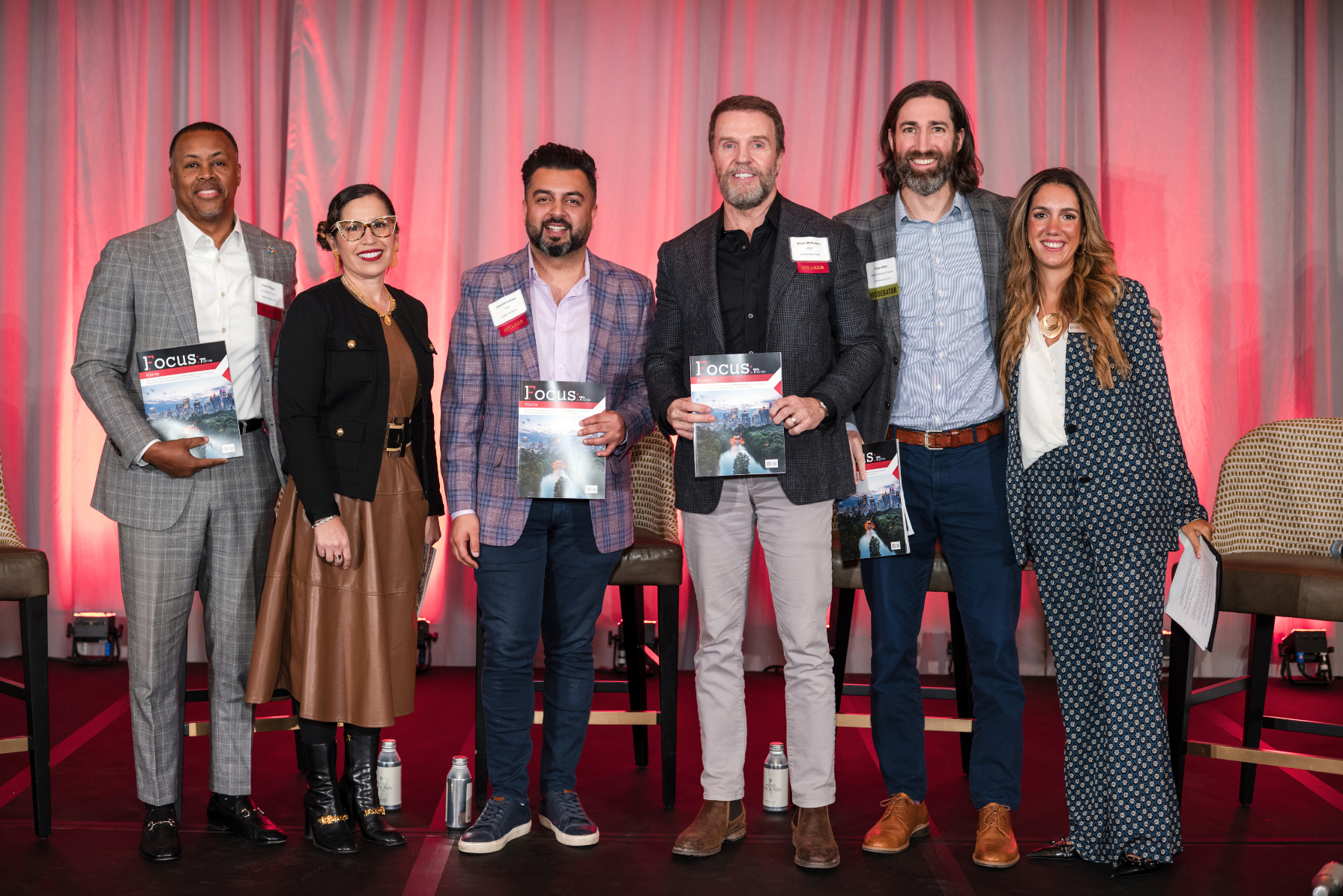
Moderated by Ryan Mills, office managing partner in Atlanta at CohnReznick LLP, the panel featured Shaneel Lalani, CEO of Lalani Ventures; Brian McGowan, CEO of Centennial Yards; Clyde Higgs, president and CEO of Atlanta Beltline; and Eloisa Klementich, president and CEO of Invest Atlanta.
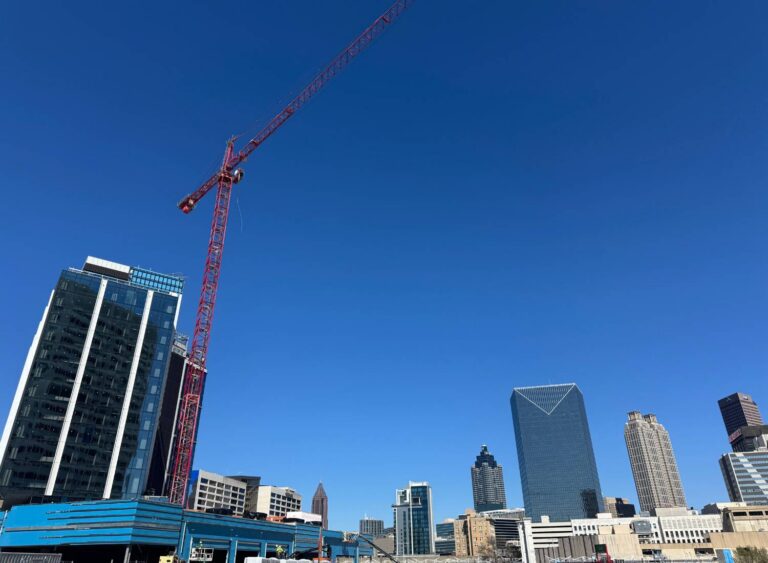
Speakers discussed how large-scale redevelopment efforts are reshaping downtown activity and reconnecting areas that have long remained underutilized. McGowan pointed to Centennial Yards as an example of how sustained planning and investment can redefine the city’s urban core. “These projects can feel like overnight success,” he said, “but they are the result of years of planning and development.”
Infrastructure initiatives are also playing a significant role in how residents and visitors move through the city. Higgs noted that more than $9 billion in private investment has followed the development of the Atlanta Beltline. “There is no other infrastructure project producing that level of investment impact,” he said.
The discussion also touched on how public-sector programs boost downtown activity. Klementich highlighted initiatives designed to support small business and expand economic opportunity as the city prepares for upcoming global events.
The summit concluded with remarks from Milena Mignone, regional manager of Focus: Atlanta, who reflected on the collaborative spirit that continues to shape the region’s development. “Throughout my time meeting with leaders across this community, I am consistently struck by the spirit of collaboration that defines this market,” Mignone said. “The idea that a rising tide lifts all boats is not just a phrase here. It is something you truly see in action.”
Interested in reading the Focus: Atlanta report? Sign up today!