






Healthcare at home: The rise of telehealth in New Jersey
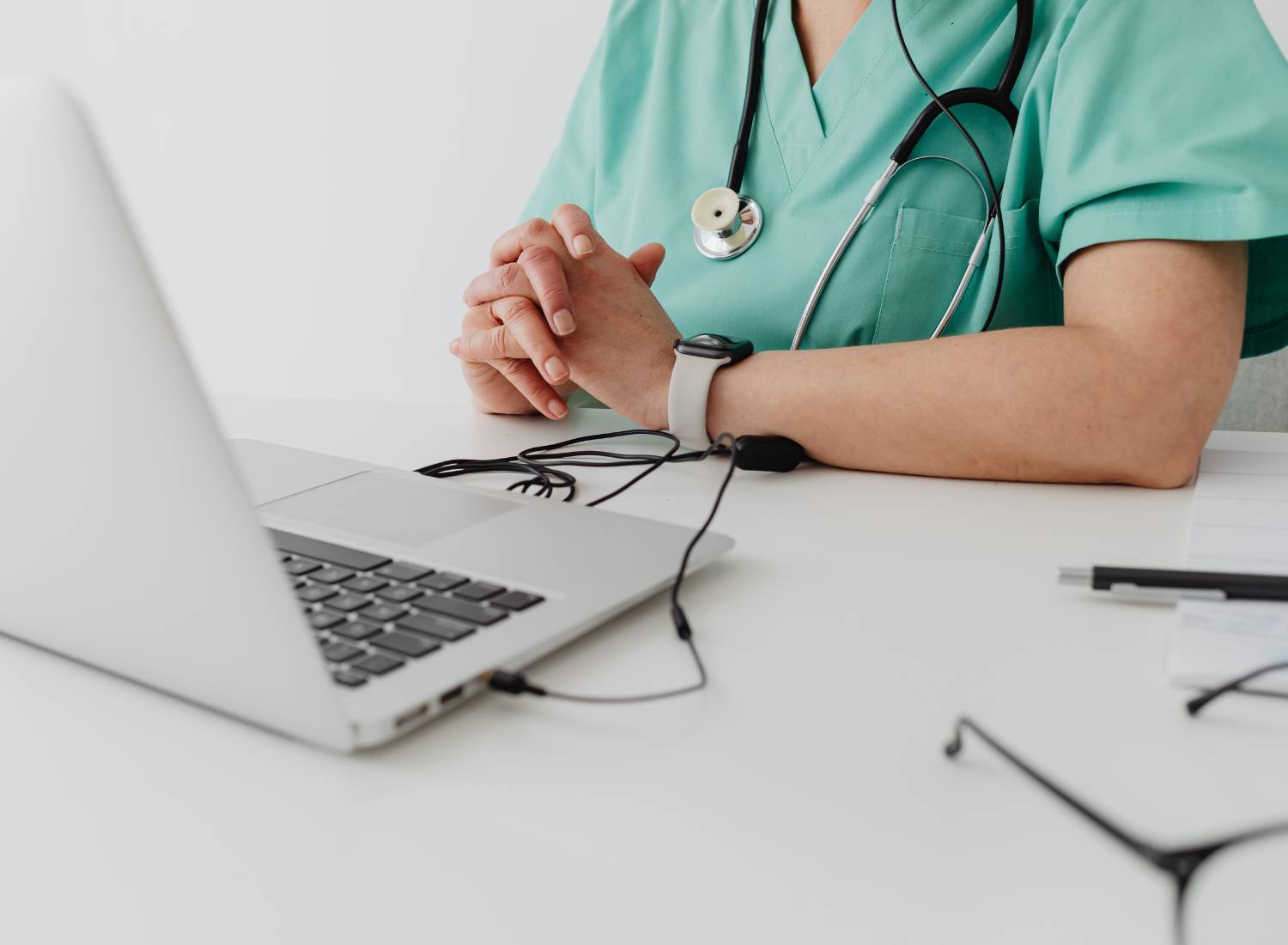 September 2025 — For more than 30 years, the healthcare community has been researching how the use of computer and telecommunications technology can improve and expand access to healthcare in rural locations. Telehealth gained strength due to the pandemic, and is now a popular option to help patients reduce healthcare costs and overcome barriers to accessing high-quality care in-home.
For some patients —particularly seniors, rural residents, or individuals with limited mobility— accessing a hospital or clinic is not always feasible, and telehealth allows healthcare providers to address accessibility challenges for patient care.
As patient needs evolve, the New Jersey healthcare sector is looking for innovative ways to expand telemedicine reach. Telemedicine solutions are being enhanced with AI, using key applications such as AI-enabled diagnostic systems, predictive analytics, and teleconsultation platforms.
Several healthcare leaders in New Jersey, including David Baiada, CEO at BAYADA Home Health Care; Anthony DiFabio, CEO at Acenda Integrated Health; Ron Gaboury, CEO at Caregility; Bob Gold, CEO and chief behavioral technologist at GoMo Health; and Maureen Schneider, senior vice president at Atlantic Health System and president of the Atlantic Health System’s Chilton Medical Center, shared their perspectives with Invest: on how innovation, telehealth, and at-home care models are expanding access, improving outcomes, and setting a new standard for the state’s healthcare future.
 David Baiada, CEO, BAYADA Home Health Care
There are a few areas where we see meaningful change. First is virtual care. Telehealth is not a replacement for in-person care, but it can be a powerful complement. Many of the clients we serve live alone, and often the biggest challenge they face is not just clinical but emotional, including loneliness and isolation. Having the ability to connect with them virtually, in addition to our visits in the home, helps us support them more fully and more consistently.
Second is communication. We deliver care through a mobile workforce of nurses, aides, and therapists working independently in homes across the community. How we create mechanisms to keep them engaged and connected, to support both care delivery and a sense of belonging, continues to be a major area of focus and innovation.
Third is automation. Like every part of healthcare, we are exploring how to apply AI and other tools to improve the way we work. Where can we reduce complexity? How can we improve consistency and quality? How do we get more done with fewer resources, without compromising the humanity of our care? These are the questions we are asking, and the opportunities are only growing.
Anthony DiFabio, CEO, Acenda Integrated Health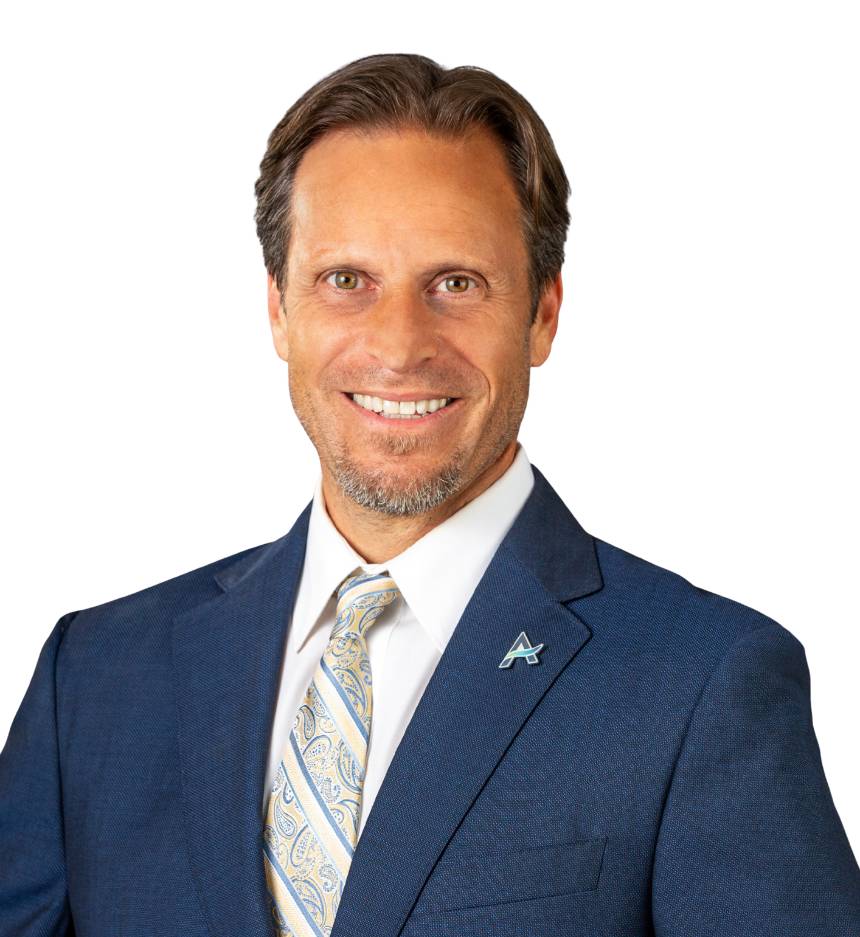
Access to care remains a top priority for Acenda, particularly in the Southern Region and the state’s rural areas, where transportation barriers make it difficult for people to access services. In some regions, even virtual care isn’t a reliable option due to connectivity issues. To address this, Acenda is expanding our Access Center and developing a digital front door to streamline appointment scheduling. We’re also working to offer a diverse range of service delivery options, including in-home and community, virtual, telephonic, and hybrid models. Our success in this area is measured and evidenced by the thousands of children and adults annually who receive our services in their own homes. In short, our committed approach is to be as flexible as possible, ensuring that those in need can access care in a way that best works for them.
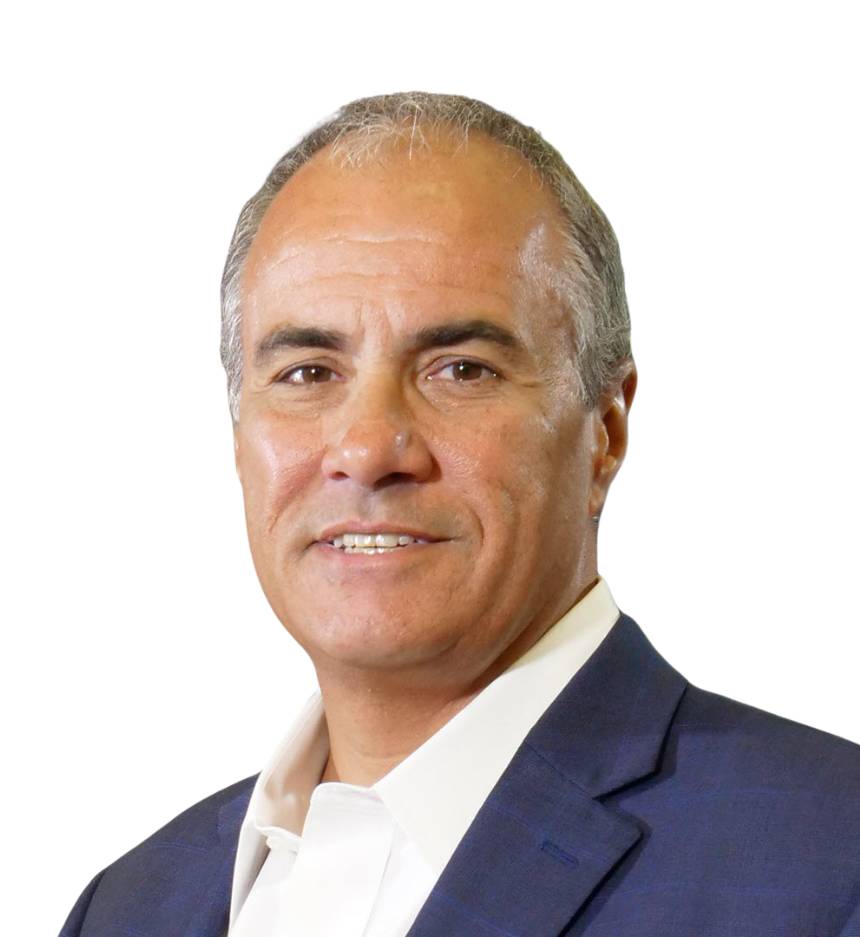 Ron Gaboury, CEO, Caregility
Telehealth is increasingly recognized as a catalyst for care rather than a replacement for clinical staff. Telehealth enhances, not replaces, healthcare workers by supporting them in delivering better patient outcomes. Take virtual nursing, for example. While its outcomes may differ from traditional in-person care, its true power lies in improving overall quality. By offloading certain tasks, floor staff can gain more time for hands-on face-to-face care with patients who need it most. Budgets can influence the pace of adoption, but perceptions have shifted dramatically over the past two years. As more health systems integrate virtual care into their workflows, telehealth is proving to be an essential tool for optimizing resources, improving operational efficiency, and ultimately enhancing patient care.

Bob Gold, CEO & Chief Behavioral Technologist, GoMo Health
When looking at the general population, about 60% of people who exit an appointment with a provider will have many questions that the healthcare provider does not have time to address or expand upon during their 15-minute window. With our growing, aging populations, it’s becoming harder for providers to service those needs. It is imperative that we perform proactive, preventative care. GoMo Health is at the front end of at-home care, and we believe that the home is the next clinic, so to speak.
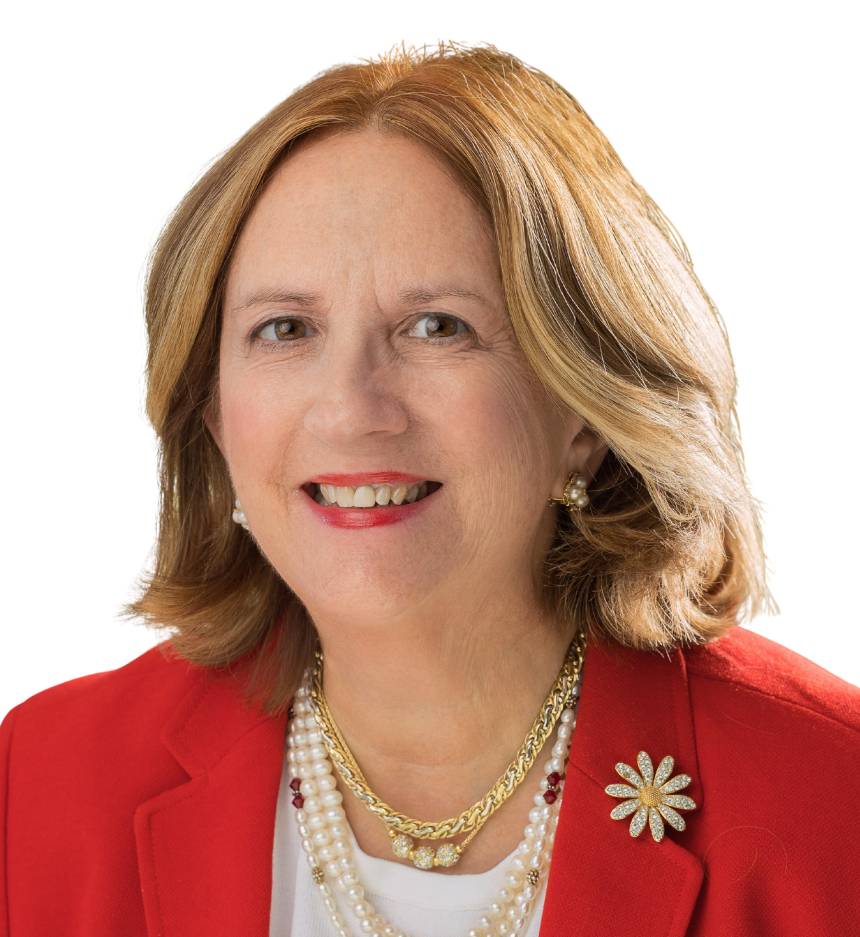 Maureen Schneider, Senior Vice President, Atlantic Health System, President, Atlantic Health System’s Chilton Medical Center
We collaborate with inventors and healthcare innovators to explore groundbreaking ideas that can transform patient care.
Looking ahead, we’re expanding access through advancements like telemedicine. The COVID-19 pandemic accelerated this shift, and we continue to explore ways to provide remote care, especially in pediatrics. The future of healthcare will rely more on smart-home solutions that improve patient access and convenience.
Atlantic Health isn’t just adapting to change; we are leading it. Our commitment to quality, innovation, and strategic partnerships positions us at the forefront of healthcare excellence.
For more information visit: