






Higher ed leaders are holding the line as enrollment cliff looms ahead

 October 2025 — American higher education is on the brink of a large tumble this year: the enrollment cliff. While the Class of 2025 represents the largest high school graduation cohort in U.S. history, future projections indicate a sharp decline in the number of graduates starting after Fall 2025.
Fewer births during the recession years of 2007 and 2008 have led to a dwindling college-aged population in the United States. Enrollment across American degree-granting institutions is expected to plummet as a result.
The number of student matriculations has already been trending downwards over the past decade, dropping roughly 15% between 2010 and 2021, as per the Federal Reserve Bank of Philadelphia.
At the same time, colleges and universities have faced higher costs, increased pressure to lower tuition, funding cuts, and a dwindling pool of high school graduates; all of which have led to multiple closures across the nation. In fact, since 2016, more than 130 U.S.-based colleges and universities have closed or merged.
Foothold states like New York, California, Pennsylvania, Massachusetts, and Illinois, known for their robust academic offerings, were hit especially hard, according to a report by financial modelling firm Synario.
However, the anticipated drop-off in national enrollment will predominantly affect three major U.S. regions in the next two decades. The Northeast is projected to see a 17% decline in the number of high school graduates, while the Midwest and West are forecasted to experience a 16% and 20% decrease, respectively, according to the Western Interstate Commission for Higher Education (WICHE).
For many schools, the future is uncertain. Most will lack the necessary resources to innovate or enhance the student experience. The rest are likely to shutter, merge, or be acquired by larger institutions.
To offset this dip, colleges and universities across the nation are planning ahead strategically. Here is what Brian McCloskey, interim president and CFO of Chestnut Hill College, Elizabeth MacLeod Walls, president of Washington & Jefferson College, Megan Coval, president of Butler County Community College, Glynis Fitzgerald, president of Alvernia University, and Mark McCormick, president of Middlesex College, shared about the crisis.
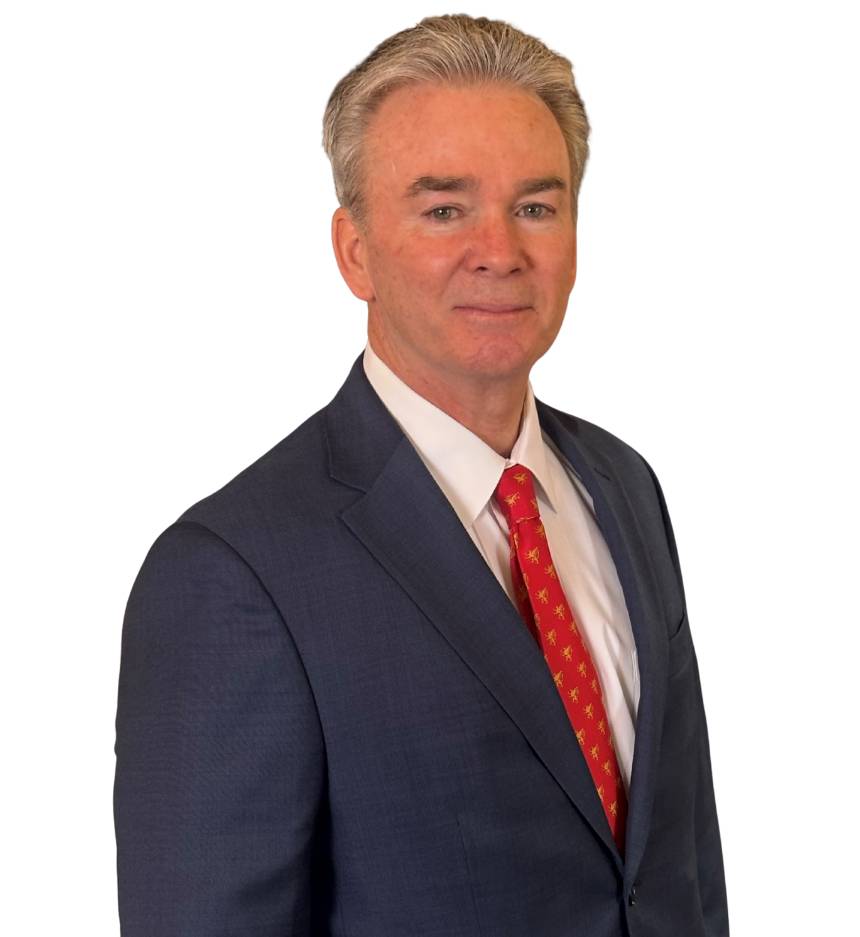 McCloskey: In higher ed, we talk about the enrollment cliff. It’s here in the fall of 2025 and the fall of 2026. You’re 18 years past the Great Recession of 2007-2009, when people had fewer children because of the situation with the recession. But we’ve positioned ourselves well. We’ve not had any types of restructuring or layoffs. As a matter of fact, the college is hiring nine new faculty members this year. Four are new positions, and five are replacements. We have invested as much in personnel and hiring more people in our enrollment management and admissions area as we do in technology. I don’t know how many other colleges can say that right now, but we’re proud of that…. (But) this is a very volatile landscape. We are a small private college, just as vulnerable as many, less than some. I see the challenges, the headwinds that are coming.
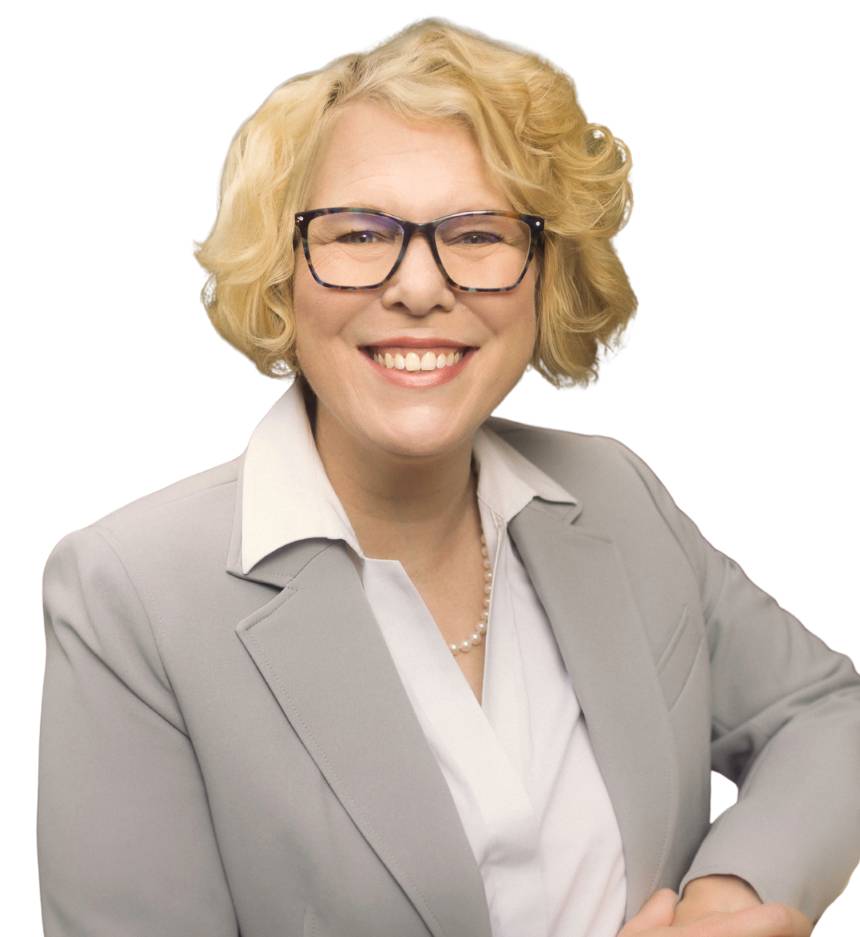 Walls: Higher education faces broader challenges, including declining public trust and shrinking demographics. The impending enrollment cliff requires adaptability. Some institutions may struggle, but W&J is positioned to thrive by remaining relevant and responsive to market needs. Our strong enrollment trends reflect this, but we are not complacent. We continue highlighting our graduates’ successes to reinforce W&J’s value to southwestern Pennsylvania and Pittsburgh. Accessibility is also a priority. For example, our Rawnsley Scholarship program increased first-generation student enrollment from Washington County by 72% in just one year. This initiative has a generational impact, transforming families and the region. While we hope Pell remains intact, we are prepared to adapt by seeking donor support to ensure low-income students can still attend.
 Coval: It’s an interesting, challenging, and uncertain time for higher education… We’re seeing the impact of the “enrollment cliff” here, with fewer high-school graduates. But I also think this is a moment of opportunity. With so many different types of institutions in our state, there’s a chance to think creatively and collaboratively about how we serve students going forward… Dual enrollment is one area where we’d love to grow, helping high-school students earn college credit. We also see real opportunity in micro-credentials — short-term skills that can build into certificates or associate degrees. It’s a way to meet the changing expectations of today’s learners while staying true to our mission.
 Fitzgerald: We’re preparing for the widely discussed “enrollment cliff.” But we’ve been proactive, guided by our board and faculty, by expanding experiential learning and aligning closely with industry needs. We’ve secured nearly $70 million in public-private redevelopment funds and are fostering collaborations with other independent colleges. Just as you’ve seen consolidation in healthcare and banking, higher ed will likely follow suit. Collaboration and resource sharing will be key to long-term sustainability. Our commitment remains clear: providing high-impact, affordable, experiential education for our students.
 McCormick: The challenge that every college and university is facing, particularly community colleges, is this so-called demographic cliff or enrollment cliff. In the United States, this June’s high school graduating class is projected to be the largest we are going to have for the foreseeable future. After June 2025, the number of high school students projected to graduate each year begins to decrease. Because the majority of students that nearly all community colleges serve are 18- to 20-year-olds, there will be fewer of those students to go around. On top of that, the same impact on enrollment is happening at the four-year colleges and universities, both public and private. In many cases, four-year institutions of higher education have grown less selective in their admissions practices, so there will inevitably be increased competition for a smaller number of 18-year-olds going forward.
For the last several years, we have been preparing for this demographic shift in three ways. One way is that we have been much more intentional about our dual enrollment partnerships across the county, ensuring that as many high school students as possible have an opportunity to participate in dual enrollment by enrolling in a college course while still in high school. We have developed a more robust program where students at several high schools can now earn an associate degree before they finish high school. Last year, we had 10 of those students walk across the stage at commencement. This year, we have 55.
We are also trying to target adult students who have earned some college credit but no degree, and have seen the number of students over 45 double in the past two years. Finally, we are also working closely with large employers in the county to promote opportunities for their employees to earn an associate degree, often with financial support from the employer.
Want more? Read the Invest: reports.
Subscribe to Our Newsletters