






Houston’s public schools at a crossroads as state oversight, enrollment shifts, and workforce needs converge
Writer: Andrea Teran

August 2025 — Houston’s K‑12 education system is navigating one of its most consequential periods in decades, as state oversight of Houston ISD continues through 2027, surrounding districts report steady growth, and charter schools expand to meet rising demand. These developments carry far‑reaching implications for the region’s workforce pipeline, real estate market, and business competitiveness.
In June, the Texas Education Agency extended its intervention in HISD following a two‑year review of the district’s progress. Shortly after, HISD’s board of managers unanimously approved a five‑year contract extension for Superintendent Mike Miles, raising his base salary to $462,000 with performance incentives that could push total compensation above $690,000.
HISD has reported significant progress on standardized test outcomes. The number of failing campuses dropped from 121 to 41, while A‑ and B‑rated schools nearly doubled. At the same time, the district continues to face challenges, including a loss of more than 7,400 students in the 2024–2025 school year and a controversial shift to performance‑based teacher pay.
Meanwhile, Houston’s charter school sector continues to grow. Harmony Public Schools will open Harmony Science Academy–City Place this month, beginning with 430 students in pre‑K through sixth grade and projected to reach 800 by 2032. Additionally, two new Generation 30 charter schools have been approved by the TEA to open in 2026–27, further diversifying Houston’s K‑12 options.
Invest: spoke with Houston‑area superintendents to understand how districts are navigating these changes and preparing students for the future.
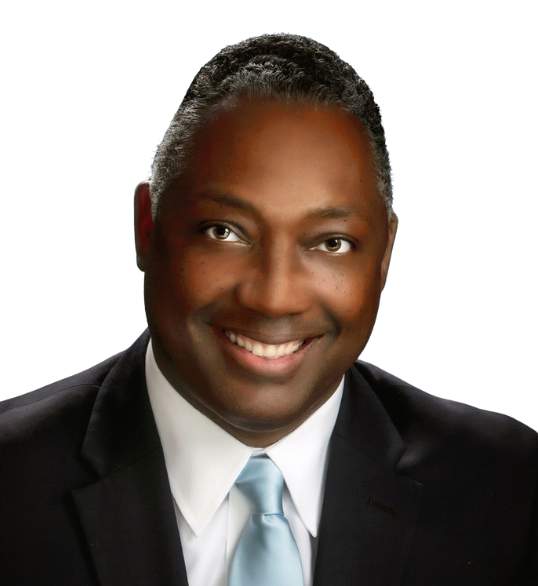 Walter Jackson, Superintendent, La Porte Independent School District (ISD)
A lot is happening at the federal level, especially around discussions of budget cuts and expanding opportunities for private and charter schools. I’m not opposed to private or charter schools, but when public funding is diverted to them, public schools take a hit. My responsibility is to do everything I can to keep those dollars within our public school system because we serve the vast majority of students, not just in America, but in Texas and the Houston area.
We’re committed to protecting those resources by investing in programs that meet both academic and career-readiness goals for our students.
 Rebecca Brown, Superintendent, Dickinson ISD
One of the most pressing priorities in Dickinson ISD — and across the state of Texas — is public education funding. The recent legislative session has concluded, and we are closely monitoring the final decisions that will directly impact how schools are funded.
Public education is influenced by many interconnected factors: community needs, economic trends, and long-term workforce demands. In a fast-growing district like ours, it’s essential to remain responsive and forward-thinking in every aspect of planning and operations. These dynamics shape how we support our students, staff, and schools every day.
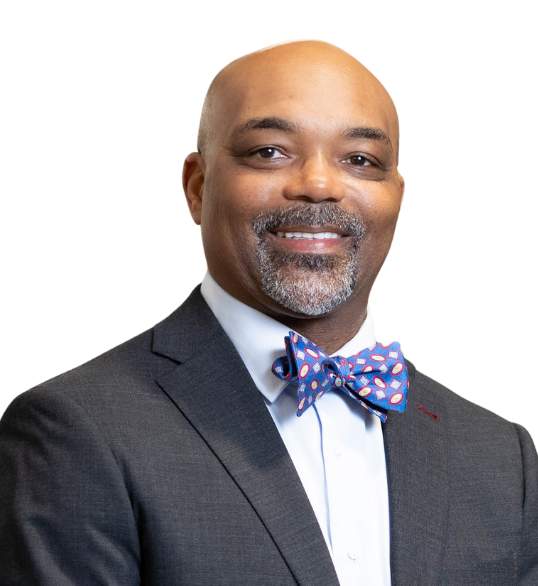 Marc Smith, Superintendent of Schools, Fort Bend Independent School District
In Fort Bend ISD, one of our major areas of focus has been rebuilding trust around our bond program. There were challenges in the past, and we’ve had to make some difficult decisions — some projects were paused or scrapped due to funding issues, while others were prioritized and moved forward. We’re in a much better place now, and our board has been instrumental in helping us focus on what’s most important.
We’ve also taken a major step forward in developing leadership across the district. That includes our principals, department leaders, and even students. Leadership matters because when the right people are in place, the system functions at a much higher level.
At the same time, we’re investing in real-world pathways for students. Through our James Reese Career and Technical Center and P-TECH high schools, students are gaining hands-on experience and industry certifications. Many go on to internships or full-time employment straight out of high school. We believe strong academic performance and career readiness go hand-in-hand.
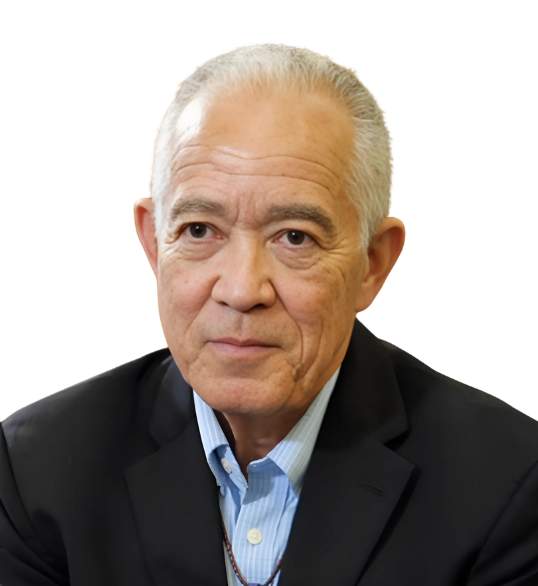 Mike Miles, Superintendent of Schools, Houston ISD
In the last two years, we have had the largest improvement in academic achievement in the history of Texas. Eighty-five percent of our students are eligible for free or reduced lunch, and that 85% is mostly Hispanic and Black. For the first time, our district is beating the state average in many of the exams.
In Houston, we took 85 of the 273 schools in the first year and did comprehensive, large-scale reform initiatives all at one time. We changed staffing, wages, curriculum, teacher evaluations, principal training and evaluations, instructional feedback, school hours, after-school programs, and student experiences. It is having phenomenal results. The students are thriving, and we are closing the achievement gap. Our students demonstrated the largest and fastest achievement growth of any large district in the history of the Texas exams. A good public education system will help move Houston from a good city to a great city.
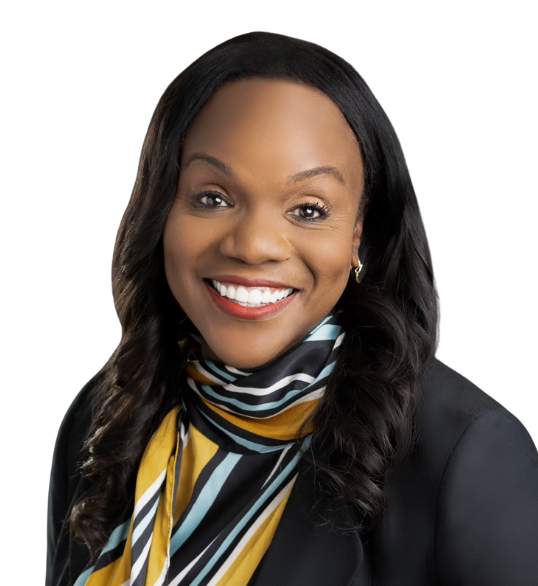 Felicia Adams, Superintendent, Southwest Public Schools
Houston is one of the most diverse cities in the nation, and our schools reflect that richness. We see it as our responsibility and privilege to meet students where they are academically and linguistically, ensuring every child has the opportunity to succeed.
This past year has been transformative. We grew from an F rating to a B, expanded our community partnerships by 400%, and saw college credit participation rise from just three students to over 120. Every student at Southwest Public Schools graduates with a defined college or career path, and many earn industry certifications or associate degrees alongside their diplomas.
We’re also integrating AI and emerging technologies into classrooms to prepare students for the economy of tomorrow. Innovation and equity are at the heart of everything we do.
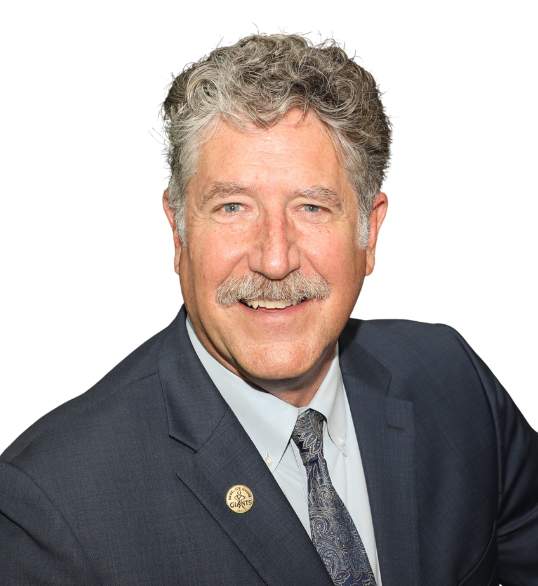 Randal O’Brien, Superintendent of Schools, Goose Creek CISD
If you capture a student’s interest, you may also close any respective achievement gaps organically because of their intrinsic desire to be a part of something bigger than themselves.
That philosophy has shaped how we build our Career Academies, now totaling 10 across five campuses, offering over 50 certification paths—from health sciences to maritime logistics. We’re asking industry partners directly: What skills do you need in your workforce? Then we’re aligning our curriculum to meet that demand.
We also invested early in district-wide technology infrastructure. Every student has a device, and our teachers are tech-certified. Engagement and innovation are our best tools for equity.
We’re not just preparing students to graduate—we’re preparing them to thrive in the economy that awaits them.
For more information, please visit: