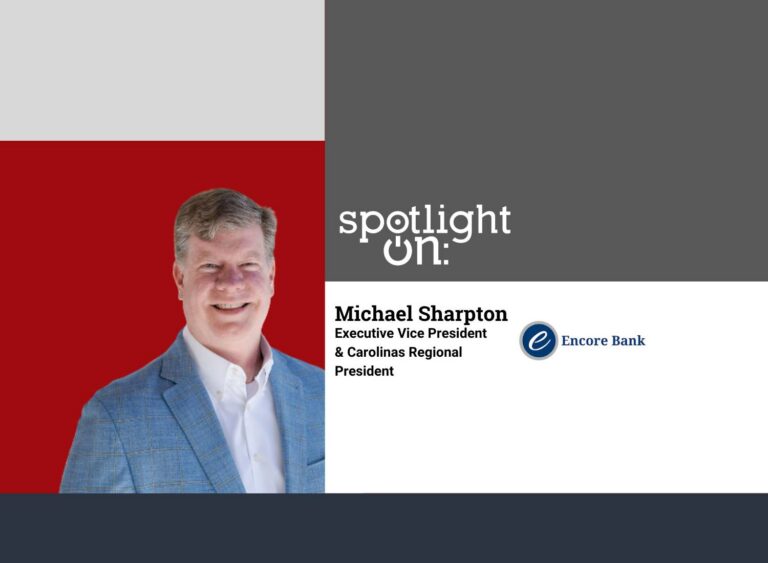







James Michael Burkett, President, NUC University Florida Technical College (NUC FTC)
Invest: spoke with James Michael Burkett, president of Florida Technical College, to discuss how the institution balances its embrace of tech innovation with a focus on workforce demand. “Our approach is career-based, as many students come here to learn specific skills for a specific occupation,” he said.
What have been your key takeaways from the past year?
We’ve seen a lot of growth in programs that are tied to the major needs in the local employment market. We’ve also opened a new location in Tampa. Our goal is to work closely with employers to make sure the programs we’re offering fill a direct need in the overall Orlando metro.
What is the value of a Florida Technical College education?
Our approach is career-based, as many students come here to learn specific skills for a specific occupation. At a more traditional college, the educational experience involves exploring various subjects to discover one’s interests and career aspirations. There is a stronger emphasis on community and social interactions. In contrast, our students seek an accelerated entry into the workforce. Given the national discussions about educational debt and the value of higher education credentials, we can meet a more pressing demand by aligning our curriculum with jobs in the workforce. This approach offers a more practical and relevant educational experience for our students over liberal arts degrees, for example.
What makes a Florida Technical College education unique?
We have a couple of programs integrating fully online flexibility so working professionals can obtain additional job skills. Our computer support technician program is a nine-month, fully online course and is designed to get people into the workforce quickly. In that program, students are eligible to sit the exam for their CompTIA A+ hardware and software certification, which is a well-recognized credential at the entry level. We’ve also developed a career roadmap, in which our diplomas are 100% transferable into a bachelor’s degree, with opportunities for certifications in Network Plus and Security Plus as part of that. Employers want education and experience, and with our career roadmap we solve that problem for our graduates.
How does the college engage with the community?
We really believe in the community. We’re heavily involved in the Hispanic and African American Chambers of Commerce, along with a number of other philanthropic partnerships. We collaborate with United Way to allow our employees to take a day off with pay to volunteer there. We host several annual events, which students love, including a back-to-school event with a number of partners. Through this effort, we collect school supplies for children in need from communities around the region. I work closely with Prospera, where I sit on the technical assistance committee, and we assign grants to entrepreneurs to help build and grow their business. By partnering with a lot of the nonprofits in the market, we can amplify our reach and message while making a more meaningful impact. We want to build that sense of community in our students as part of their experience.
How is technological innovation impacting your programs?
Technology has advanced to a point where students can access quality instruction and academic rigor in an online setting at a level that wasn’t possible previously. This is the latest big change that allows access to education. For many working adults with limited flexibility, the availability of innovative technology-based products is a major advantage. An example is the capstone simulation in medical assisting, which adds real-world experiences and academic rigor. Unlike the traditional 120-hour externship, which can be time-consuming, this simulation gives students the option to work in a simulated environment or follow the traditional route, depending on their scheduling needs. This flexibility helps students manage their time and responsibilities more effectively.
What are some of the challenges facing technical schools today?
One of the big challenges is the stigma that is often attached to trades-based technical education, whether it’s construction, IT or healthcare. But people are starting to realize the value of this type of education, and we’re seeing that on the state level. There is a different definition of success when it comes to education, and it’s not a one-size-fits-all experience. We fill an important role in the larger education ecosystem, so people have more options to discover how they can fit in high quality careers.
How is Florida Technical College supporting a more diverse workforce?
In Central Florida, K-12 school systems run their own technical colleges, which is a unique benefit. We can help out in terms of capacity, by providing more space for those programs while continuing to offer our own academic programs. For example, we collaborate with employers to identify career fields that prioritize Spanish language proficiency and don’t require additional ESL coursework. We also have a new bilingual medical assisting program that teaches students vocational English and prepares them to function effectively within a medical work environment without the need for long-term language programs.
What is your outlook over the next two to three years?
Central Florida is widely recognized as a global hub for simulation. Notably, the region boasts the Digital Animation & Visual Effects (DAVE) School, which plays a pivotal role in preparing students for careers in gaming, healthcare and military fields. As these industries continue to evolve, so too does the demand for a well-prepared workforce. To meet this need, we actively explore partnership opportunities with industry leaders to ensure that our programs remain responsive to industry needs.
We are focused on expanding our academic offerings to cater to the growing demand for qualified healthcare professionals. The healthcare industry is witnessing exponential growth in Lake Nona, but this expansion requires a skilled workforce. We aim to anticipate the workforce requirements of the healthcare industry, both in the immediate term and in the long term. That way, we can produce educated and skilled citizens who are well-equipped to capitalize on the opportunities and enjoy the prosperity that these industries bring.