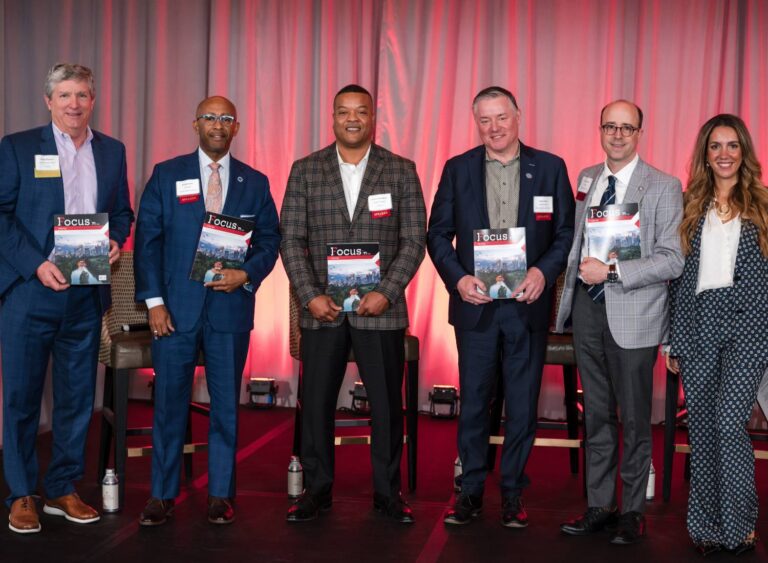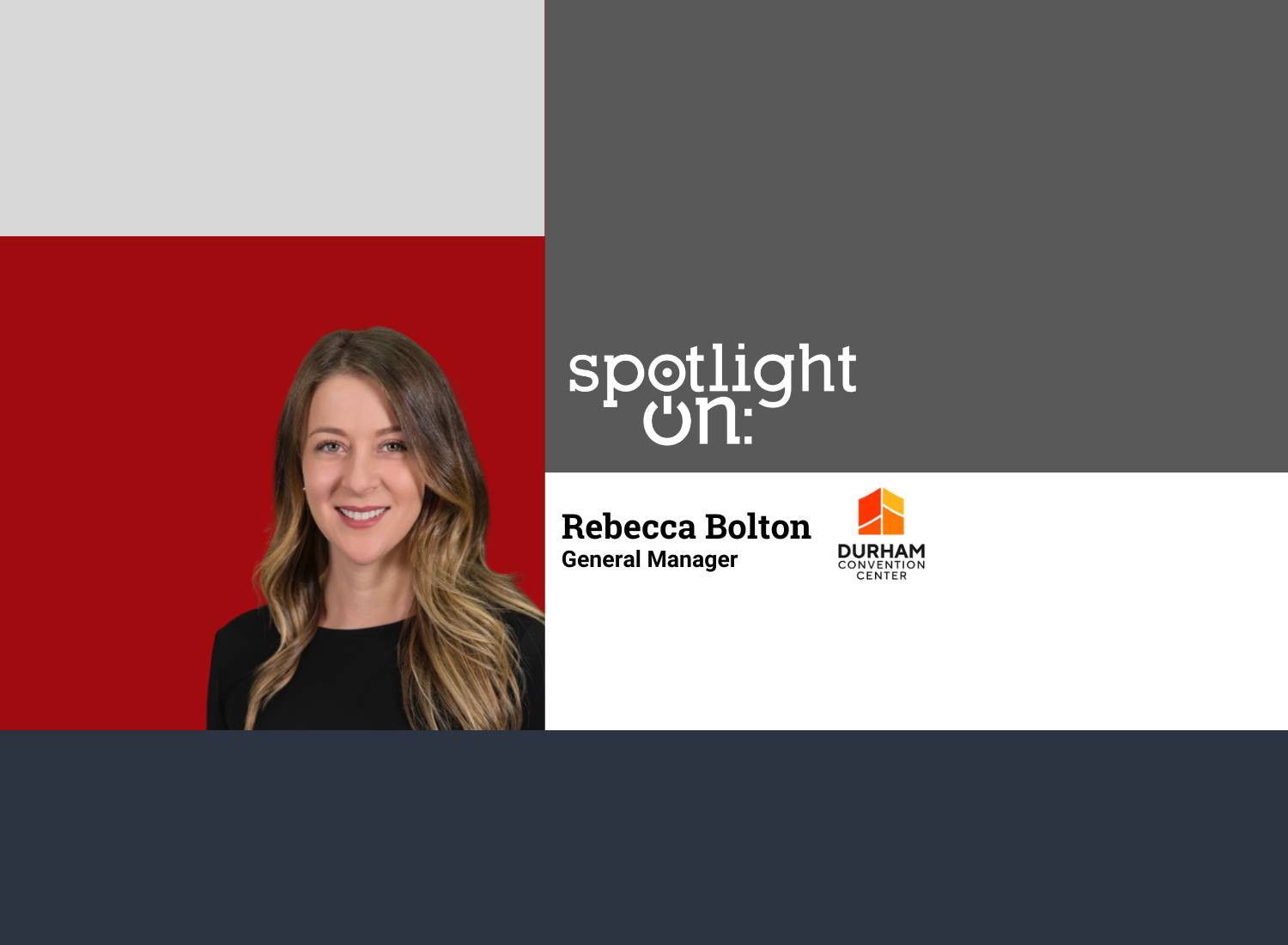







Jason Tigano, CEO, LEVEL Communities
 LEVEL is an organization that recognizes the barriers to equitable homeownership across Allegheny County, including high poverty rates and limited access to financial services. LEVEL combines rehabbing vacant homes with a unique financial education program in order to bridge this gap and create broader economic waves. “At LEVEL, we believe that increasing homeownership will stabilize the market,” Jason Tigano, LEVEL’s CEO told Invest:.
What changes over the past year have had the greatest impact on LEVEL?
Over the past year, our most significant achievement has been seeing the proof-of-concept stage in McKees Rocks come to fruition. Not only are we beginning the construction phase on our homes, but we are extending our education and outreach efforts that get our buyers ready to become homeowners. In the last six months, we activated a physical space called “The HUB” for community members to visit and learn about our programs. It’s a replicable template for meeting residents where they are while providing resources and information. This year hasn’t been without challenges, however. LEVEL is embarking on a unique endeavor, unlike anything else in the country, as confirmed by our own research and independent third-party analysis. We anticipate this spring the houses will be fully rehabilitated, ready for sale or already sold, with families who have begun their journey with us moving in. Our excitement stems from LEVEL implementing a solution years in the making.
How do you increase homeownership in our low-income neighborhoods?
LEVEL believes that if you can pay your rent, you can pay your mortgage. Many hardworking families reside in low-income neighborhoods and contribute to the local economies. However, they lack a permanency-of-place that provides stability to these communities. Increased homeownership is the most effective solution. We aim to engage these residents directly and help them realize that being a homeowner is attainable. Regional studies have uncovered a need for 30,000 to 40,000 affordable housing units across the city and county, which could also include market-rate properties. LEVEL has a multifaceted approach to increasing homeownership, from creating more housing stock to turning renters into confident buyers.
How is the lack of ownership affecting the communities?
As people leave cities and counties due to a lack of affordable housing, both rented and owned, communities face increasing vulnerability. While Pittsburgh’s booming industries make it an attractive hub, we often overlook the struggling communities within its orbit. For example, Hazelwood is experiencing a displacement similar to what East Liberty faced between 2010 and 2012. In the past eight years, Hazelwood has lost more than 1,000 residents. This displacement is largely due to the Hazelwood Green development, where landlords and developers are buying real estate and anticipating market growth. The announcement of a half-billion-dollar investment in robotics and biomed facilities clearly indicates where significant money will be spent. However, this economic boom is displacing long-time residents, forcing them to move to areas like Duquesne and McKeesport. This influx of new, often struggling, residents further strains communities that are already facing challenges. Areas with high percentages of homeowners have higher quality of life indicators including education, health, civic engagement, and financial stability. It’s about time we addressed this issue with a lasting solution.
How do you approach community engagement and ensure residents have a voice in shaping projects before, during and after the development?
Our initial step involves receiving an invitation from the community before we begin acquiring real estate. We do not arbitrarily purchase properties. In the case of McKees Rocks, this entailed meeting with the borough council and delivering a presentation at a borough meeting. Following a vote, the council welcomed LEVEL’s involvement. Subsequently, we engaged with the Community Development Corporation and its board, who similarly endorsed our efforts. Our approach aligns with asset-based development principles, intersecting these with market realities in real estate. We also partner with community ambassadors who conduct door-to-door surveys and in-person events to collect data from residents. This not only helps identify renters interested in homeownership but also uncovers other community needs, such as food access, education or workforce development, contributing to the holistic well-being of individuals and the community.
How do you turn residents into homeowners?
For those who can comfortably pay their rent, homeownership is within reach. In McKees Rocks, for example, individuals paying a high percentage of their incomes in rent could potentially afford a mortgage. A key component of our process is education — a holistic plan to prepare individuals in obtaining a mortgage and the long-term responsibilities of maintaining a home. The HUB is our most impactful effort where we see the biggest return on investment. Partnering with existing community-engagement infrastructure, like the McKees Rocks CDC, we connect with potential homeowners. We provide these residents with one-on-one support as they complete our LEVEL “Path,” which includes educational milestones and financial achievements. This journey is guided by a LEVEL Health Score, a number that considers several key factors, not just their income. What makes our affordable homeownership model so unique is the relationship we build with our participants. It allows LEVEL to respond to their needs in realtime. As we work with these individuals over six months to a year, we see them progress and become home-ready.
What are your key goals and priorities for the next two to three years for LEVEL?
Our aim over the next two to three years is to complete around 100 houses. By the end of 2026, we project completing 10 to 15 houses, requiring additional fundraising, but we are committed to at least 10. We aspire to increase this number and scale our operations. We have identified opportunities to acquire 50 to 100 houses, contingent on securing funding and partnerships for real acquisitions. We plan to expand our construction efforts into two or three new neighborhoods, building on our successful invitations and acceptances in two previous communities. Our fundraising goal is between $50 and $100 million for construction, with an additional $3 million to $5 million allocated for operations. Of course, our education and civic engagement efforts are central to our success and are the heart of the LEVEL model.