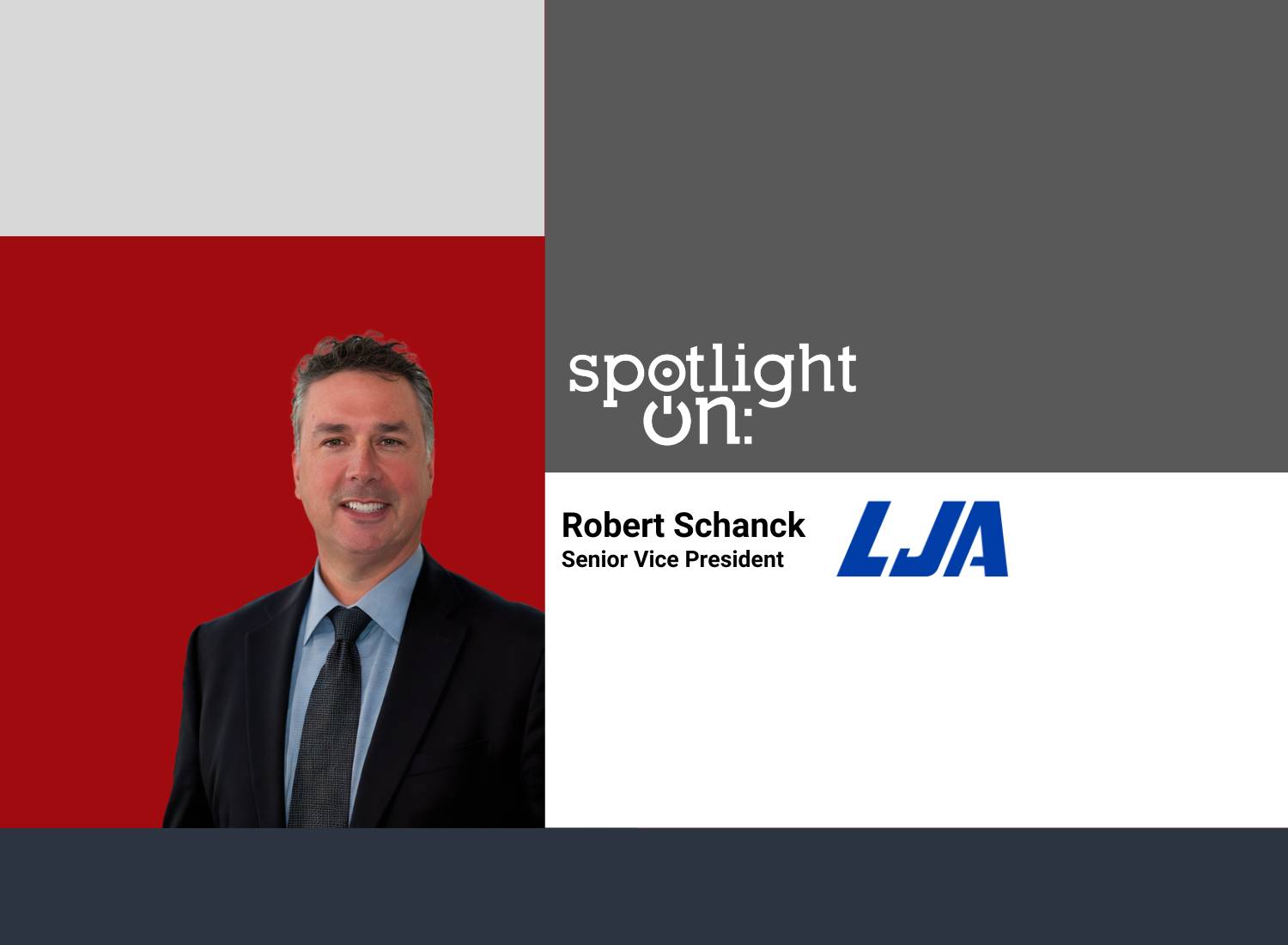





Jerome Fletcher, City Manager, City of North Port
Jerome Fletcher, city manager for North Port, spoke with Invest: about utilizing the city’s location to grow sustainably, in a way that benefits every resident. “We’re a young, growing city. As North Port continues to grow, the city is actively developing initiatives to meet residents’ needs.”
What are some recent accomplishments for North Port in terms of economic growth?
The biggest thing we have done for economic growth is adding to our healthcare expansion. We will have five hospitals or care centers open in the next few years. We recently had a ribbon-cutting for a behavioral health center. We’re focused on improving mental health in the city. We have Sarasota Memorial Hospital committed to building two facilities in our city, the first of which will break ground in late 2025 and become the first fully functional hospital in the city. Our city is 65 years old and has nearly 100,000 residents. We’re a young, growing city. As North Port continues to grow, the city is actively developing initiatives to meet residents’ needs. We are located 20 minutes south of Sarasota and 40 minutes north of Fort Myers. We’re in a spot where we need to keep growing. We are targeting economic areas that help ensure we fulfill the desires of our residents. Phase One and Phase Two of a major business park project will add 476,000 square feet of class-A industrial space right off the I-75 highway and will bring 1,500 jobs to the city.
What makes North Port an ideal location for business expansion or relocation?
What makes the city great is our location between Sarasota County and the Fort Myers/Naples corridor. We are close to airports and right off the I-75 highway. Beyond geography, the city stands out due to its leadership and staff that works with businesses to get over bureaucratic hurdles. We are intentional about removing barriers to opening a business in the area.
How is the city helping small businesses and startups to grow in the current economic environment?
The majority of businesses in North Port are small, with 60-70 new businesses added each quarter. Many businesses are home-based, and we host a quarterly business welcome event to expose them to various resources. They can have access to the resources bigger businesses have on a smaller scale, in a way that is cost-effective. We are planning an entrepreneurial center in North Port to ensure business owners have a physical location to connect and grow with the business community. Our economic development team focuses on small-business engagement and retention to help them grow within the footprint of our city. Small business is the backbone of our economy. I know this from my time with the Government Services Administration (GSA) in Washington, D.C., where I championed a nationwide program for small business entrepreneurs that had an annual economic impact of $3 billion.
How do you assess the state of the local labor market?
The local labor market is improving. We are working with our community college and the county school board to provide more healthcare and other workforce programs. The goal is to enable residents to study, live, and work within North Port, rather than commuting elsewhere — currently, 90% of residents work outside the city. North Port used to be the affordable housing cradle of the county, but now that we are growing we want the labor market to stay here. We are working with our schools to get students engaged in their community. I don’t believe the government is the best place to work right now. It’s a tough job that faces constant scrutiny. By investing in workforce growth and the right engagement strategies, the city aims to strengthen its labor force, including within the local government.
How do you balance population growth with maintaining the quality of life residents expect?
Many people move to North Port for its quality of life, but as the city grows, it must keep pace with infrastructure development. Growth has been a constant throughout the city’s 65-year history, and adapting to it is crucial.
What are some specific infrastructure projects planned to support residential growth and business needs?
We are working on widening Price Boulevard, a key transportation artery that has needed improvement for over a decade. It’s a major road for hurricane evacuation and as a route to other corridors throughout the city. We are also seeking a referendum for new police headquarters to increase safety in the community. The entire environment needs to be successful for the business community to thrive. The philosophy is that “a rising tide lifts all ships.” When businesses see that the city cares about them and their surroundings, they are more likely to invest and thrive.
What are your top priorities for the city over the next two to three years?
Over the next few years, we are aiming to increase the commercial tax base from 8% to 10-11% by working with developers who want to work in industries we specialize in. We have a lot of space, a great climate, and proximity to a major highway. We are focused on the healthcare industry because it is new and growing in our area. We understand people need things to do, and we need a diverse amount of business to provide activities and services to residents. We want everyone to feel taken care of. Daycare is a nationwide challenge, and we hope to open a YMCA learning academy to address these issues. We partner with the state on various efforts. Physical rehabilitation is part of the hospital pipeline coming to the city. Our partnerships with schools are critical for workforce pipeline development.
Looking ahead, financial instability at the national level is a concern, and the city must prepare accordingly. We need to ensure we continue to explore revenue-generating opportunities and that our discretionary spending is at the appropriate level. The focus is on sustainable, thoughtful growth rather than unchecked expansion.