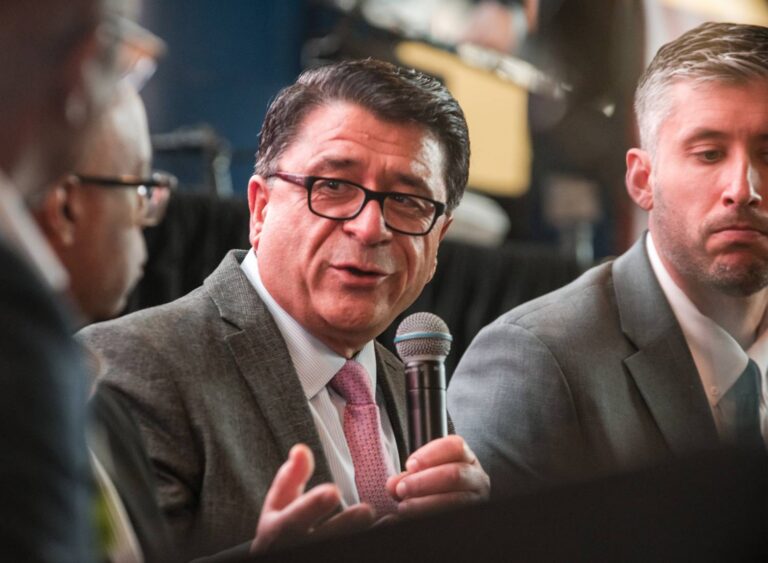







John Gill, President and CEO, cfsbank
 In an interview with Invest:, John Gill, President and CEO of cfsbank, discussed the bank’s strategic shifts and community- focused approach, highlighting recent acquisitions aimed at diversifying revenue streams and strengthening customer relationships. “Our goal was to reduce reliance on net interest margin and grow fee income,” he said.
What changes over the past year have impacted cfsbank and in what ways?
The biggest change we experienced was the purchase of a mortgage company and a title insurance company to increase our non-interest income. Most of the loans they originate are sold, and we handle the title work through them. This was the most significant change that helped boost income. Our goal was to reduce reliance on net interest margin and grow fee income. We were looking for solutions, and this acquisition accomplished that. The mortgage company has become 50% of the bank’s total loan originations.
How have your partnerships, such as with Sail Mortgage and Delta Closing Services, impacted your mortgage operations and customer experience?
These partnerships have increased our origination volumes by 50% and introduced new products, such as government lending, which we were previously unable to offer. From a service perspective, it is beneficial to handle closings for the loans we originate. From a fee income perspective, Delta Closing Services has been instrumental in generating additional fee income for the bank since over half of their closings come from other places. Both acquisitions have proven to be profitable within the first year, and we are very pleased with their progress.
How has your relationship-driven approach continued to evolve, especially as construction and commercial lending activity in the region changes?
These remain niche products that require a high-touch approach. The small business customers we work with seek relationships. They want their banker to provide advice, assist with deposits, cash management, and lending needs, and essentially act as a financial partner.
Construction loans are another example. Borrowers need guidance through the process, which digital platforms cannot provide in the same way. These loans are highly relationship-driven. The same philosophy applies to our branches. While many institutions have moved away from transactional services, we encourage clients to come to us for advice, help, and guidance in their financial journey.
What fintech partnerships or digital product developments have taken shape recently, and how are they improving customer engagement or efficiency?
Recently, we began working with a company called CNote, which helps raise deposits for specific causes, such as homeownership, minority-owned businesses, or financial literacy programs for migrants entering a community. Additionally, we partnered with Worldwide Tech Connections, a company that provides translation software. Over the past year and a half to two years, we noticed an influx of non-resident alien accounts, and language barriers became an issue. This software allows customers to scan a QR code at teller windows, select their preferred language, and communicate via speech or text, with instant translation between parties.
What trends are you seeing now in the residential and construction lending space, and how are you adjusting your offerings to meet current market conditions?
We are still observing decent loan demand, though not exceptional. Many hoped interest rates would decline, but since they have not, commercial loan demand has increased moderately. We anticipate a potential 20% to 30% improvement if rates change. However, there is nervousness regarding tariffs and their impact on construction material costs, labor, and other factors. The market is stable, but there is room for improvement as we navigate this economic cycle.
What challenges has cfsbank encountered recently, and what strategies have you employed to address them?
One major challenge is deposit growth. With nationwide deposit growth slowing, competition for deposits has intensified. While relationships are key, rate competition is unavoidable. Another challenge is the prolonged inverted yield curve, which has pressured our net interest margin. Many expected rates to drop in 2023 and continue declining in 2024, but the waiting game continues. We have adjusted our strategies to remain focused on growth and profitability while maintaining optimism. Additionally, the pace of change has accelerated over the past five years. Staffing was a challenge, but we emerged with a stronger team. We are very satisfied with our current employee base and view this as a positive outcome from the cycle we navigated.
What is your current local economic outlook, and how is it impacting client behavior or strategic planning at cfsbank?
I think the local market has been stronger in many areas. We did not have the big price changes in homes, so there was a little more stability. Overall, we have less volatility than a lot of other markets. We do not go up as much, but we also do not go down. I think it has just been more stable. There have been some local companies in our headquarters town that have closed, and unfortunately, people have lost their jobs. However, we are trying to look for ways to continue to grow and stay focused in these communities.
Being a community bank, one of the best things we do is offer employment to local towns. We support all the local charities and organizations. We try to keep increasing the amount of our marketing budget to support those groups. In many of the local communities of Pittsburgh, they really rely on those funds. It has also helped build trust and strengthen relationships.
How is cfsbank engaging with the Pittsburgh community, and what impact have these efforts had?
I think there are many ways you can see the impact. Our employees volunteer their time at local charities and we support them financially as well. The bank tries to help organizations that need it, especially the smaller charities. These are not even regional, as they are very local. We have also been providing financial education, particularly within the immigrant community.
The bank has been sponsoring a lot of financial literacy programs to help them. Our headquarters town grew substantially through a large Haitian population that moved in. We hired someone from that community who had banking experience in Haiti to work in one of our branches. This helped improve communication. The number of accounts and people coming in increased substantially for these communities. There were language barriers and trust barriers where they needed to trust their local banks. All these initiatives help build that trust. It is important to establish confidence in these communities.
What are cfsbank’s key goals and priorities for the coming year, and how do you plan to achieve them?
Our focus is to remain an independent community bank. That has always been part of our vision, to help communities grow locally. As part of that growth, we expand the bank, offer more jobs, and provide more community support. Staying aligned with our mission statement of being a community bank is essential. We are also looking for technology applications that can improve customer experiences, such as the translation software mentioned before. We are exploring tools like that to make interactions better for our customers.