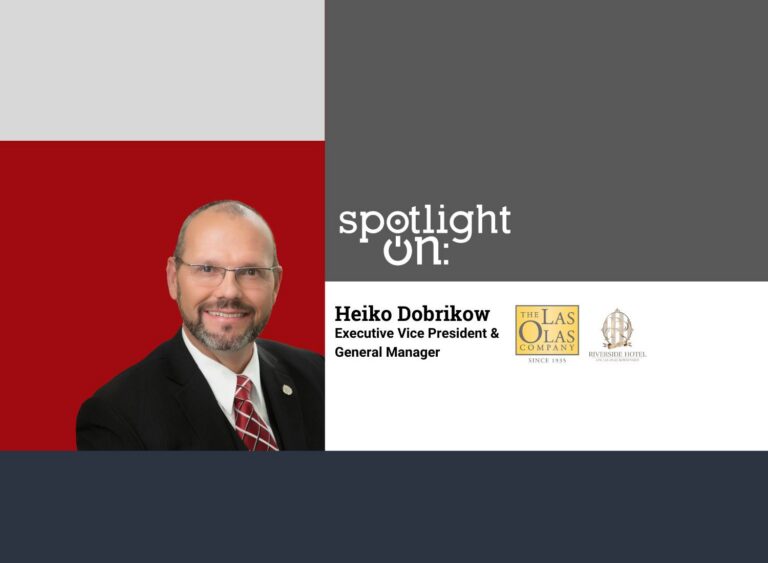







Kali Boatright, President & CEO, Greater North Fulton Chamber
 In an interview with Focus:, Kali Boatright, president and CEO of the Greater North Fulton Chamber of Commerce, discussed its approach to economic development in the region, and its success in that regard. “Over the last couple of years, we have started talking about the fact that it’s important to own our narrative as a region and be able to brand and tell the story about what this region is focused on,” Boatright said.
How would you describe the North Fulton region?
North Fulton is a region that has been very growth-oriented, and it has been very successful for many years, due to great schools, wonderful amenities, and terrific business opportunities. Over the last couple of years, we have started talking about the importance of owning our own narrative as a region to truly be able to brand and tell our own story about what this region is focused on.
We’re a little bit different in that we are not an entire county. Fulton County is enormous. In North Fulton, there are six cities. Those cities, as you come up GA 400, are Alpharetta, Johns Creek, Roswell, Milton, Mountain Park, and Sandy Springs. The growth of those cities individually has been tremendous. Each of those cities has a very specific culture, which is one of the most important things about this region. They are not a group of cities that look the same, and there is not a cookie-cutter mentality.
What are the main goals of the chamber in those cities and the region?
Our cities have their own individual focus from a residential standpoint, a community standpoint, a cultural standpoint, and from a business standpoint. We have not taken the opportunity to brand that as our greatest strength and tell our own story. We’ve been pushing toward the launch of the North Fulton Economic Alliance and made that a reality this year. The Alliance is focused on three very specific things. Goal one is the branding and marketing of the region. Being able to tell our own story, not just outside of our community here, but also globally — as we attend conferences, as we’re working and collaborating with our partners in metro Atlanta and statewide — and being able to augment what they’re already doing to market this region, which is a powerhouse in the state.
Goal two is focused on workforce and talent development. First, how are we using our brand to recruit talent, and working with our colleges and universities and our companies to grow our own talent to fit roles that make sense in North Fulton. Our region focuses on major industry areas like technology, healthcare, aerospace, and bio-life sciences, just to name a few. We need to look at how we are working to convene people around talent and make sure that we’re focused on the right items in terms of education, apprenticeship, internship models, all those pieces are wrapped up into goal two.
Goal three is regional economic development. How do we collaborate as a region, working together within all the economic development entities? Each of those cities has fabulous economic developers. Fulton County does great work as well. We also work with the state folks. We work with so many different people. How are we a value add there, and how can we provide some continuity among so many entities? Those three goals are what drove the idea to stand up the North Fulton Economic Alliance.
What are the overall goals of the chamber on the workforce development side?
We have hired the first CEO of the North Fulton Economic Alliance Rich Johnson. Now we are actively working to hire somebody who is focused specifically on workforce and talent development. A third person will be focused on business retention and expansion, working with our economic development partners at that level.
We have several companies in North Fulton who have excellent internship programs already. If you look at companies like Jackson Healthcare, Frazier & Deeter, Fiserv or LexisNexis, there are a good number that are doing well with their programs. We want to bring an expert in on the team who can focus on bringing those companies together in a roundtable situation to talk about the success of their internships, model what is successful for them, and then bring in others to learn from that same model by the people who are already doing it. We want to be able to bring these leaders together to be able to train one another. And then they tell two people, who tell two people. And you’re organically, in a focused way, growing the workforce opportunities. What we do know is that college students who intern or apprentice at businesses will likely be offered those jobs and come back to work for them.
It’s also about working with our schools in the K-12 system. We work very closely with our superintendent and with the staff through Fulton County Schools on making sure that the students — given their curriculum, and the things that they’re being trained on and hearing about — are great assets when they get out of school.
We also continue to focus as a chamber of commerce on things like our Emerging Leaders program, where we work with our high-school students annually in this leadership program.
What do you see as an opportunity for the chamber in the near term?
I have been giving a lot of thought to the aging population and the silver tsunami that is hitting us already. Folks who have all this amazing institutional knowledge, who are leaders of corporate operations, public and private, are starting to retire. Some of our amazing legacy leaders such as a former chairman of our board, former rotary presidents, and community-engaged leaders — are retiring, as they should. They’ve done an amazing job. It is their chance to go celebrate and relax and enjoy what they’ve grown through their lives. As I see that increasingly, I think that chambers of commerce need to be a place where we’re able to not just capture that institutional knowledge, but also really make sure that those folks stay engaged and have a third place to be able to come and share with the incoming generations. I want to keep them engaged as a first step.