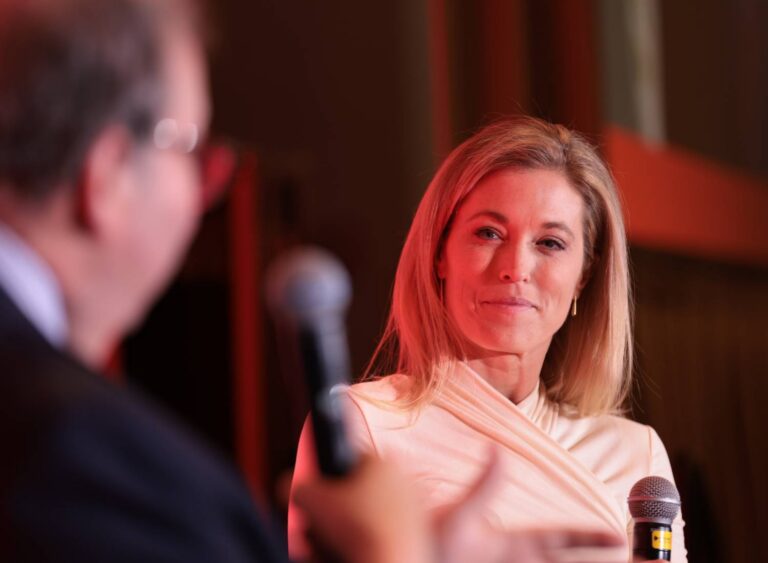







Kathryn McClymond, President, Oglethorpe University
 Focused on career readiness, student support, and adapting to evolving educational needs, Oglethorpe University is investing in resources to create a stronger workforce. In an interview with Focus:, President Kathryn McClymond shared their goal of preparing students for “a lifetime of success, not just their first job.”
What changes over the past year have most shaped the university’s direction and strategy?
The university has always been committed to providing a high-quality educational experience. Over the past year, we have placed greater emphasis on career readiness for our students. While this has been a priority in the past, we are redoubling our efforts through new initiatives to ensure that our students are fully prepared to serve the city, the state, and the country in whatever capacity they choose after graduation.
Could you expand on these initiatives that the university is taking for career readiness?
We achieved a 92% success rate in our first-destination outcomes, meaning our students either enter graduate programs of their choice or directly join the workforce. However, at Oglethorpe, our mission extends beyond placement as we aim to cultivate Atlanta’s future leaders. To achieve this, we have introduced career conversations as early as orientation. Incoming freshmen now discuss their career aspirations on the very first day. Additionally, we have established career communities where students connect with alumni, faculty, and community partners in fields such as health professions, business, and other areas. This allows them to begin building professional networks from day one.
These efforts also expose students to the full breadth of professions available. Many students enter college with narrow perceptions, for instance, believing that health professions only include doctors or nurses. While those roles are vital, we want students to understand the diversity of opportunities within these fields. Early exposure helps them explore different career paths, seek relevant internships, and make informed decisions when entering the job market.
Another initiative I am particularly excited about is Oglethorpe Goes to Work Day, which launched in February. On that day, the entire sophomore class spent time off-campus in professional settings across Atlanta whether it be in industry, creative arts, or other fields. This shared experience allows students to observe workplace dynamics firsthand and return to campus with a deeper understanding of how to prepare for their future careers.
What is the value of a liberal arts education?
A liberal arts education emphasizes the opportunity to develop soft skills such as reading a room and engaging in meaningful conversations, which are just as critical as technical expertise. These learnings extend beyond the classroom as it involves interacting with people from diverse backgrounds, encountering different perspectives, and gaining the confidence to introduce oneself in unfamiliar settings. We want our students to be bold and ambitious in pursuing their goals.
How is the university helping students to adjust to university life?
For many of our students, approximately 40% of whom are first-generation, navigating college itself is a new challenge, let alone transitioning into post-graduate life. We strive to be active partners in helping them shape their academic journey and prepare for the future they envision.
What strategies does the university employ to ensure access and success for all students throughout their academic journey?
Affordability is a major concern in higher education today. Many families do not realize that the sticker price of tuition often differs from the actual cost after financial aid, including federal loans and institutional scholarships. Beyond financial support, we provide comprehensive resources to ensure academic, personal, and professional success. Offices like Student Success and Career Services, along with other wraparound programs, are designed to help students thrive. Once students arrive here, we create the necessary support system for them to succeed.
What have been some recent efforts that have enhanced student life, campus belonging, and community connection?
We have several longstanding offices dedicated to fostering inclusion because everyone should feel they have a right to pursue their goals here. Our Intercultural Center plays a vital role in ensuring students from all backgrounds feel they belong and have the right to pursue their dreams. The Student Success Center pairs students with advisors from day one to guide their academic progress.
Last year, we reintroduced a Writing Center, where a faculty member assists students with written communication, which is a skill that some have found challenging post-pandemic. We also created a Commuter Lounge for students who live off-campus, providing them with a dedicated space to build community. These efforts collectively ensure that every student feels valued and supported, especially for commuter students as they are a very important part of the community.
How is the institution strengthening its partnerships with local employers and internship providers?
We have remarkable Career Development staff. They work diligently with students to build their outreach abilities, and with alumni and industry partners to establish standing internship relationships so students gain practical experience. One initiative they have implemented is organizing site visits for students to various workplaces. For example, in 2024, they took a group to Children’s Healthcare of Atlanta (CHOA), allowing them to explore potential career environments and speak with employers. As a result, CHOA followed up with several of those students, who are now employed there. Opening doors, quite literally, to bring students into potential workplaces is a key part of our strategy.
How do you see technology shifting institutional operations, and how are you preparing students to engage with it after graduation?
AI is an ongoing conversation and is a major topic of discussion, as I am sure it is for many others. Our provost and vice president for academic affairs frequently collaborate on how to approach AI at multiple levels.
First, we must create an environment where students understand both the opportunities and limitations of AI in their education. We are past the point of pretending they will not use it, so faculty are guided on appropriate integration into learning. Additionally, we focus on equipping students to remain AI-fluent post-graduation. Industry leaders have even requested certifications for current employees needing AI training, which is something we are developing in 2025.
Furthermore, we focus on not just immediate post-graduation readiness but lifelong career preparedness. While securing a job after graduation is critical, especially given the significant family investment in education, I want students to be promotion-ready and pivot-ready. Promotion readiness involves soft skills that make individuals effective leaders. Pivot readiness means being adaptable to industry changes or recognizing and seizing unexpected opportunities. Our goal is to prepare students for a lifetime of success, not just their first job, which essentially means developing the soft skills, leadership mindset, and adaptability needed to seize opportunities, lead teams, and respond to change throughout their careers.
What are your key priorities that will shape the university’s direction over the next three to five years?
First, lifelong career readiness remains a priority. Second, developing future leaders is critical. Georgia has been the top state for business for 11 consecutive years, and Atlanta is the fourth most popular city for college graduates. Many of our students envision starting their careers here, so we are launching intentional leadership programs. Third, we are expanding educational access beyond traditional students. Higher education must adapt to serve individuals at all life stages, and we are exploring whole-life learning opportunities this year, in 2025.
I am optimistic about the future. There will always be challenges; that is part of life, but if we do our jobs well, our graduates will be poised to thrive.