





Lindsay Scherr Burgess, CEO, Green Wallscapes
 In an interview with Invest:, Lindsay Scherr Burgess, CEO of Green Wallscapes, shared how there is a rising demand for wellness-focused and biophilic designs, why Palm Beach is an ideal location to base their operations in, and why they continue to innovate and experiment design possibilities despite having completed over 1000 projects.
What have been some of the most significant achievements for Green Wallscapes over the past year?
This year has been more of a transition year for Green Wallscapes as we have adopted a “slowed down to speed up” approach. We focused heavily on refining our internal processes and homing in on the kinds of projects we want to undertake. Our primary offer is preserved moss walls, and we have started shifting towards larger-scale commercial applications of these walls. For instance, early in 2024, we completed some incredible projects that were over 500 square feet.
This transition required us to retool our studio to handle such large-scale applications. It has been a recalibration year with plenty of learning involved, from adjusting timelines to redesigning our processes. Additionally, the election this year significantly impacted the business landscape. Many clients postponed decisions, concerned about how the election results might affect business in 2025. As a result, about six months were consumed with indecision. However, as the year draws to a close, those delayed projects are now moving forward. We are currently working on six or seven projects that have been on hold since early in the year, and they are finally coming to fruition.
I am optimistic about 2025 because of the momentum we have built towards the end of this year. That said, 2024 was not our strongest year in terms of revenue or the number of projects. The uncertainty surrounding the election created a significant slowdown. It was frustrating because, to me, I kept thinking, “Why does this impact your moss wall?” Yet, it did. Now, clients are in a rush to complete their “emergency moss situations,” which is a good problem to have.
Are you seeing a continued trend in demand for your products in industrial concrete spaces, or has interest expanded to other sectors?
Our products are all interior preserved and faux plant installations, primarily designed for spaces where clients want greenery without the burden of regular maintenance. We operate across the U.S., Canada, and the Caribbean, so we see a wide range of demands. There are clear trends toward wellness and biophilic design to soften the persistent preference for sterile, austere aesthetics.
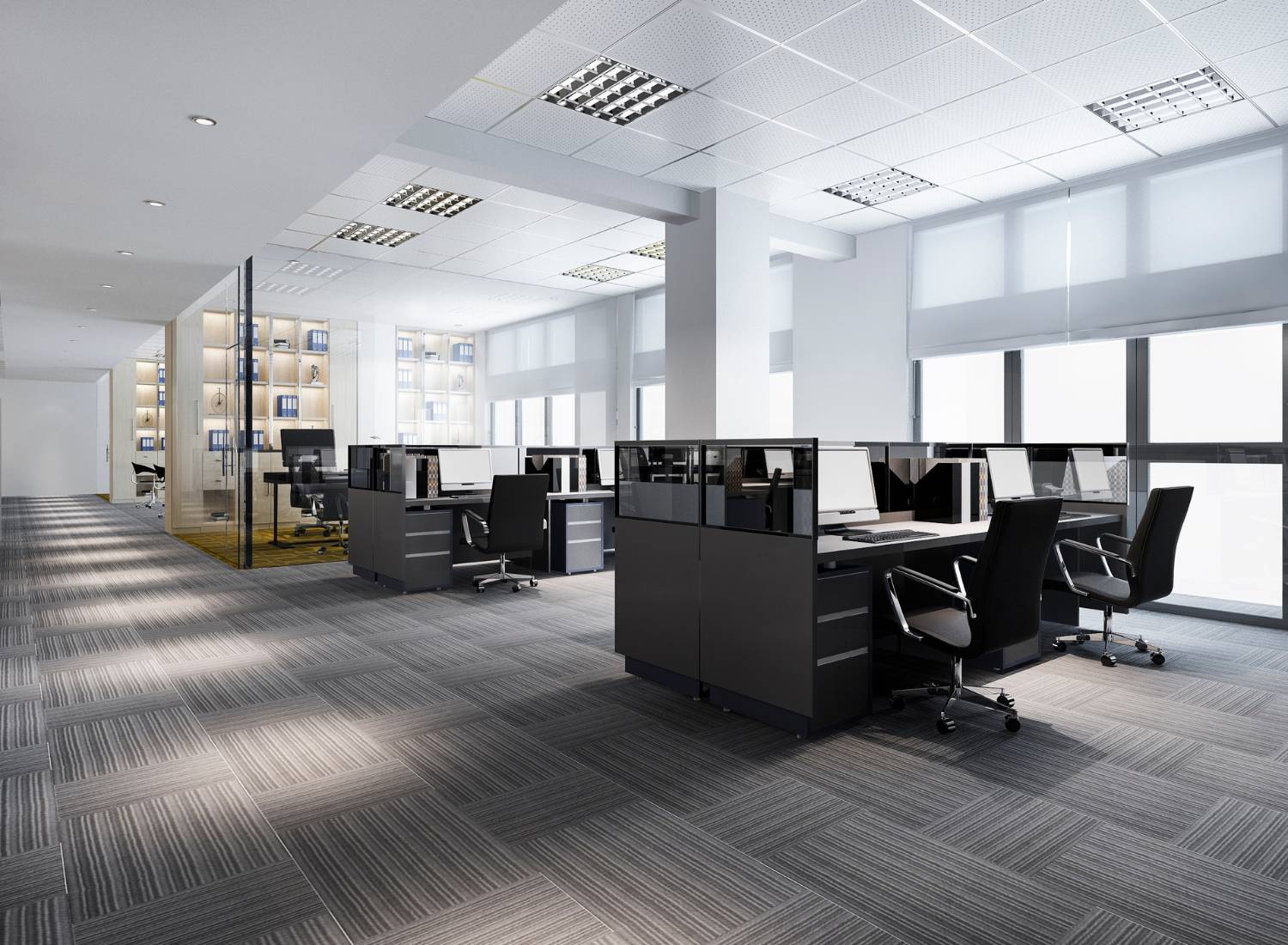
Many contemporary designs feature beige, gray, and white tones, which often feel too stark. Green walls act as a grounding element, softening these spaces and bringing warmth. This is especially important in high-rise buildings where tenants may feel disconnected from nature. We frequently work on logo walls and lettering walls for such environments, helping clients incorporate greenery as a grounding design feature.
While we do not work with living walls, as our focus is entirely on preserved moss installations, there is still a strong demand for these types of designs. It has been fascinating to see how people use our work to balance austere spaces with organic elements.
Are there any broader trends that you are noticing which influence your business strategies, and how do you see the company evolving?
I think the trend toward wellness is here to stay, at least for the next couple of years. What we are seeing in design overall is that if you are asking people to return to offices, which means asking them to leave the comfort of their homes, where they can do their laundry in the middle of the day, then those sorts of offices better be really nice. With the ongoing trends related to returning to the office, people are looking for spaces that are collaborative, cool, and worth leaving their homes for. This shift is not just about mandates but about creating an appealing environment.
Biophilia, for example, plays a big role in this. Research shows that the color green helps calm people and increases productivity. Designers are focusing on how color theory and biophilic elements can ground spaces. Without these grounding elements, many modern designs can feel overly futuristic. By incorporating these ideas, spaces can feel both innovative and connected to nature.
In hospitality projects, like the work we have done for Hilton and Marriott, the focus often shifts to art-driven designs. These projects allow us to be more creative and explore unique artistic possibilities with materials like moss. It is exciting to balance the practical aspects of construction, such as ensuring fireproofing compliance with the more imaginative, artistic side of specialty fabrication. This intersection between construction and art is truly fascinating.
How does Palm Beach inspire your work compared to other potential markets for your headquarters?
Palm Beach and West Palm Beach offer a perfect balance. There are cultural events, great restaurants, and enough dynamic opportunities to keep life interesting. At the same time, Palm Beach County retains a small-town charm. Outside the bustling downtown, there are beautiful residential neighborhoods and a strong sense of community. People here are open-minded and welcoming, which is unique for a city of this size.
The rapid development does present challenges, though. Housing shortages and increasing traffic are growing pains for a city to expand at this scale and speed. However, the investments and foresight from planners make me optimistic that Palm Beach will avoid some of the mistakes I witnessed in Miami, where rapid construction outpaced infrastructure development.
Living in Palm Beach is exciting. It has evolved from being an under-the-radar destination to one of the best places to live in the country. I love our green market and the sense of community here. It is amazing to see a city grow so dynamically while still retaining its charm.