






Miami’s tax experts discuss navigating changing regulations

Key points:
- • Tax and wealth management firms are navigating evolving regulations with a mix of compliance and strategic planning.
- • Technology and data systems are critical to tracking rule changes and matching them to client needs.
- • Migration and global expansion are increasing demand for coordinated, cross-border advisory services.
 April 2026 — As tax laws continue to evolve, CPA and wealth management leaders across Miami are helping clients navigate an increasingly complex regulatory landscape. From shifting compliance requirements to new planning opportunities, firms are balancing technical expertise with strategic insight to ensure businesses and individuals stay aligned with current rules while positioning themselves for long-term success.
Join us at caa’s upcoming leadership summits! These premier events bring together hundreds of public and private sector leaders to discuss the challenges and opportunities for businesses and investors. Find the next summit in a city near you!
Effective tax and wealth management today requires not only staying current on legislation, but also understanding each client’s unique goals, risks, and growth strategies in a rapidly changing environment.
CPA and wealth management business leaders in Miami, including Alberto Guzman, partner and managing director of AbitOs; Mike Morroni, president of global expansion at H&CO; Ryan Morris, partner at Sheppard Morris CPA; and Curt Edwards, managing director at Wilmington Trust, shared how their respective firms are advising clients on changing tax regulations, rules, and compliance in Florida.
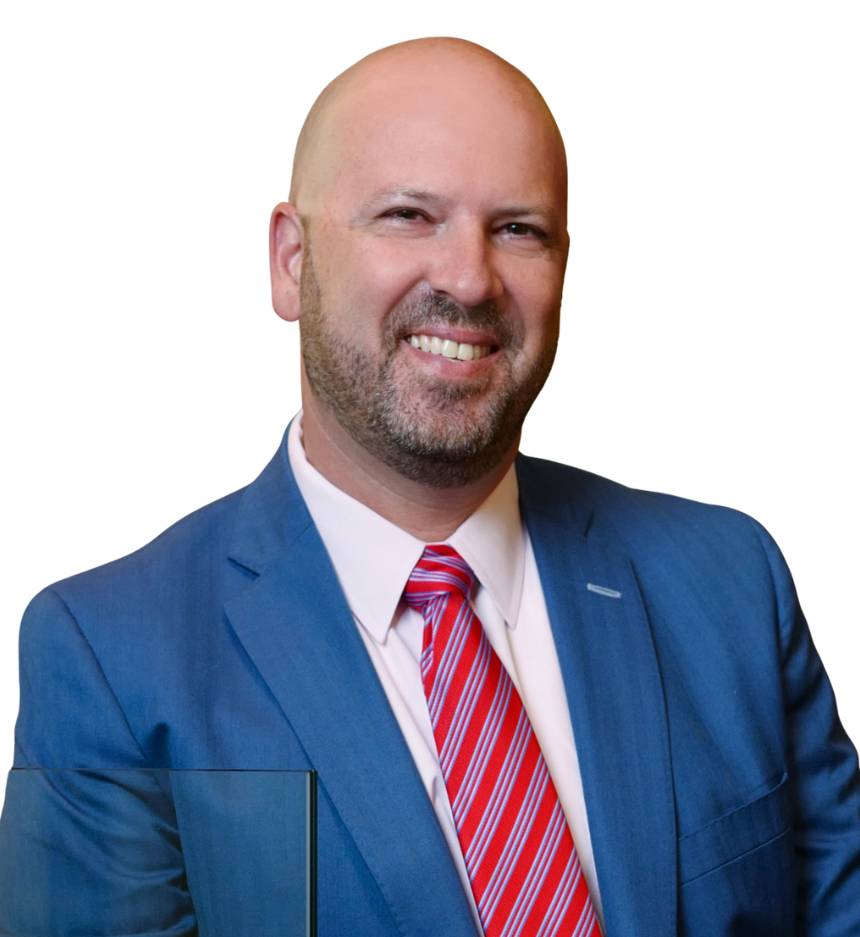 Alberto Guzman, Partner & Managing Director, AbitOs
Staying current with tax regulations is an ongoing process. We monitor rule changes through professional resources and share updates regularly. But knowing the rules is only part of the challenge. The harder part is identifying which clients are affected. Large clients are easier to track, but smaller entities can still be impacted by changes that aren’t immediately obvious. That’s why we invest heavily in our internal systems and databases so that we can match new rules to the right clients.
Compliance requires constant attention, investment in technology, and experienced people who understand how the rules apply in real-world situations.
 Mike Morroni, President of Global Expansion, H&CO
Tax compliance is essential. Payroll, filings, and local registrations are foundational for operating in a country. But we start with a broader question: what is the client trying to achieve in that market?
Some clients are expanding to drive sales and access customers. Others are expanding to access labor, whether for technical talent, shared services, or call center operations. In many cases, a client is expanding because their own customer needs them to be set up in a country by a specific date, so timing and execution become critical.
Once we understand the goal, we can connect the right steps and resources to help them succeed. Sometimes, that is direct support from our teams. Sometimes it is coordinating with partners to fill gaps. The key is helping clients avoid basic misses that can derail progress. Incorporation alone is not a success if the company cannot hire, cannot operate, or is not registered properly for what it actually needs to do.
 Ryan Morris, Partner, Sheppard Morris CPA
The new tax bill has created a lot of opportunities. Changes to qualified small business stock, bonus depreciation, and higher lifetime exemptions all present planning advantages. It comes down to understanding a client’s risk appetite — whether they want exposure to real estate, acquisitions, or other investments — and tailoring a tax strategy around those goals. Every family faces different challenges, and our job is to stay adaptive and aware of how new legislation affects them.
 Curt Edwards, Managing Director of Wealth Management – Southeast Region, Wilmington Trust
We have teams that stay focused on what’s changing in tax planning and wealth strategy. Internally, we have a dedicated group that tracks developments in the estate planning world and translates them into practical guidance for clients and their advisory teams.
In South Florida, we’re seeing a sustained migration from New England, the Midwest, and other northern states. That trend hasn’t been limited to individuals. Increasingly, business owners are asking how to move companies, not just households.
That shift changes the work. Relocating or selling a business pulls in M&A attorneys, tax counsel, and trust and estate attorneys. Our role is to keep the planning process organized, help clients understand tradeoffs, and make sure the strategy fits their broader balance sheet and long-term goals. We’re often coordinating the flow of information so the client’s decisions match what the legal and tax realities will allow.
Want more? Read the Invest: Miami report.