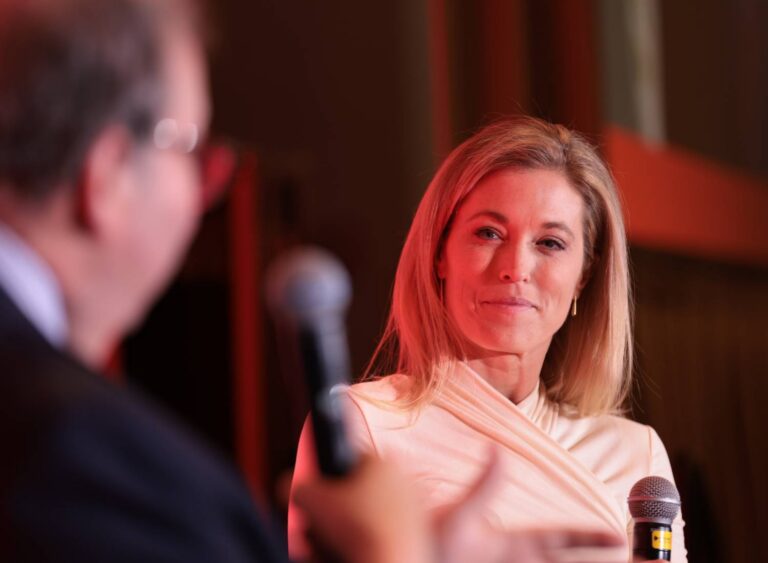







Nancy Johnson, President & CEO, Urban League of Atlanta
 In an interview with Focus:, Nancy Johnson, president and CEO of the Urban League of Atlanta, discussed economic resilience, inclusive housing, and the power of innovation in underserved communities. “Despite today’s challenges, we remain committed to creativity, resilience, and pushing forward,” Johnson said.
How are economic uncertainties shaping how nonprofits plan and sustain their operations?
Many businesses are hesitant to make firm commitments. Typically, we meet early in the year to discuss partnerships and plan, but this year, many are delaying those conversations until May, June, or even the fall. The uncertainty likely reflects a desire to better understand their financial footing before moving forward. Government agencies like HUD may also face budget challenges, as a large share of their funding comes from federal tax allocations. About one-third of our budget is federally sourced, supporting low- to moderate-income communities as well as color, women, veterans, and LGBTQ populations.
The current administration’s stance on these groups raises real concerns about potential funding cuts. While Congress determines spending and many of our contracts are multi-year agreements with federally appropriated funds, not all are being recognized. Unfortunately, we have experienced some lost funding — but we have also been awarded new funding and are committed to remaining proactive and steadfast in delivering vital services. Funding cuts have an immediate negative impact on operations and our ability to meet the basic, housing, workforce, entrepreneurship, and financial needs of communities that are struggling in this economy to remain stable and upskill so they can advance financially and thrive. Skyrocketed housing costs are the biggest burden on the people we serve, so we focus on workforce and entrepreneurial services designed to increase household income to livable wages and beyond to begin to save, prepare for homeownership, and build wealth. We do have some multi-year private sector resources as well. While not enough to support the entire agency, they offer critical support. We are also pleased that we have been blessed to secure several new federal and metro area county and municipal contracts to continue and expand the delivery of human services that are enabling us to continue our economic mobility work at a time when families and small businesses need us most.
What have been some key milestones for the Urban League of Atlanta over the past year?
This year, we centered our work around our five-pillar structure of our Financial Empowerment & Economic Resilience Center (FEERC). Our first pillar, financial empowerment and emergency response, helps families stabilize and thrive. We’ve strengthened partnerships with DeKalb County, the City of Atlanta, and Cobb County, allowing us to prevent homelessness amid metro Atlanta’s affordable housing shortage. We’ve helped more than 600 families to remain housed and helped many from extended-stay motels, a growing issue since COVID, into permanent homes. These families, many employed, still face rents that exceed their income. Without policies limiting rent hikes, they remain vulnerable. We’ve also been active in federal, state, county, and municipal-level advocacy. By working through a coalition advocating across the aisles, we helped stop the passage of a DEI bill that would have stripped educational institutions of support for scholarships and remediation programs, particularly affecting historically Black colleges. By collaborating with a diverse coalition, we successfully prevented this bill from becoming law during the 2025 Georgia Legislative Session, which we consider a significant win.
What initiatives have been undertaken in the entrepreneurship and small-business sector?
In the entrepreneurship space, we’ve worked diligently to expand small business contracting with government and private sector entities at all levels. In 2024, we hosted an Infrastructure, Technology and Equity Summit with participation from state, county, municipal, and corporate representatives, focusing on how small businesses can engage in private sector and government contracting. Additionally, in 2025, we hosted our third annual “Meet the Money People” event connecting profitable minority businesses seeking growth with various capital providers, including banks, micro-lenders, CDFIs, equity, angel investors, and grant opportunities. These efforts have facilitated access to over $8 million in capital and contracts, enabling client companies to grow, create jobs, and positively impact their communities.
How has the housing program progressed amid economic challenges?
Despite a challenging economic climate for home buying, our housing program has continued to promote homeownership. Metro Atlanta boasts a substantial community of color who are ready and able to purchase homes, even with fluctuating interest rates and limited inventory. The market has been affected by corporations purchasing residential properties and converting them to rentals. Nevertheless, we collaborate closely with developers to learn about new inventory promptly, connecting mortgage-ready buyers to available homes. More recently, we’ve engaged with more non-traditional affordable housing developers building inventory in suburban communities and learning about land bank properties to support access to more affordable options for first-time homebuyers compared to the higher prices within the city and near suburbs. We also developed, with the support of a Wells Fargo grant, a web-based portal that links all of the key stakeholders in the homebuying process that we call “The HUB” — The Homeownership Urban Blueprint that provides prospective homebuyers with mortgage lenders realtors, property insurance companies, inspectors, closing attorneys, developers, down payment assistance programs and the latest information on homeownership, access HUD Certified Housing Counseling agencies (including the ULGA) and so much more, You can visit The HUB at www.thehubga.org.
How has the Urban League of Atlanta advanced its efforts in education and workforce development?
We’ve made tremendous strides in our education and workforce space, especially with young adults ages 18 to 24. Many of them are young parents, though fewer than I initially expected, likely because of the financial pressures young families face today. This past year, we held four graduation classes for young people who had previously been disconnected from school, unemployed, and were unsure of their future. In just 12 weeks, we helped transform their lives through our partnership with the Atlanta Police Foundation and our “At Promise At Work” initiative. In 2026, the program will expand to two additional @Promise Centers in the network, expanding our reach and impact. The graduates left our program with credentials, clear education and employment plans, and in many cases, entrepreneurial aspirations. The energy from this group has been truly inspiring. By supporting young adults, especially those who are or will become parents, we’re aiming to break the cycle of intergenerational poverty. Their success becomes the foundation for stronger families and communities.
How is the Urban League reimagining support systems to help families achieve long-term economic stability?
We’ve received a generous grant from an anonymous donor to conduct a feasibility study for an economic development project, which is our biggest dream. We envision building a multi-use development, including a Family Financial Empowerment & Economic Resilience Center (FEERC) and Transitional Housing in an underserved community in Atlanta, eliminating transportation barriers by housing all our services — emergency needs, career development, small business support, homeownership, affordable housing, and civic engagement — under one roof. What sets this project apart is the inclusion of transitional affordable housing. These units will serve low-income families who are under-skilled and struggling. Residents would live in safe, affordable housing while they complete upskilling programs over one to three years in high-demand, high-paying sectors where employers are already eager to hire. The model will also include on-site childcare, access to public transportation, a business incubator, a health center, a commercial kitchen, and community space for education and support. Our goal is to provide families with the tools to achieve financial independence and long-term stability.
What role does innovation play in how the Urban League approaches community development and housing solutions?
Thanks to an $850,000 federal grant from Congresswoman Nikema Williams and additional private sector funding from Wells Fargo, Delta Airlines, SodexoMagic, and Norfolk Southern, we’re launching our first Family Financial and Career Center. We’re partnering with a developer who acquired a property that once served as a Job Corps center. This site, historically listed in the Green Book, a guide for Black travelers during segregation, will preserve its legacy as it takes on new life.
This project will provide 102 permanently affordable homes for single adults, alongside on-site upskilling programs and full-time employment opportunities. We’re targeting spring 2026 for opening, using the grant to furnish the space with state-of-the-art tools. We’re also actively fundraising for the workforce programming that will power the center. Despite today’s challenges, we remain committed to creativity, resilience, and pushing forward. We’re adapting to meet the moment while staying focused on long-term impact.
What emerging opportunities do you see in Atlanta’s economic development landscape?
One of the most promising opportunities is the city’s commitment to affordable housing and investing in seven under-invested neighborhoods through the city’s Neighborhood Revitalization Initiative under Mayor Andre Dickens’ leadership. He’s a strong advocate and already more than halfway to his ambitious 20,000-unit goal. His use of creative strategies, from container housing to public-private partnerships, and leveraging TAD (Tax Allocation District) financial resources, the Mayor and his team are helping cut costs and increase access. We’re also seeing more collaboration across racial and ethnic groups in the business community. Latino, Asian, white and Black-owned businesses are coming together around shared priorities, which is a shift that holds real potential. In Georgia, our diverse population puts us in a strong position to elect leaders who center underserved communities for more investments and development. As more diverse voices reach decision-making roles, we’ll gain the power to redirect more resources into our communities that need it most, rather than watching them disappear or stall.