






One in three businesses plan price hikes — what it means for the economy
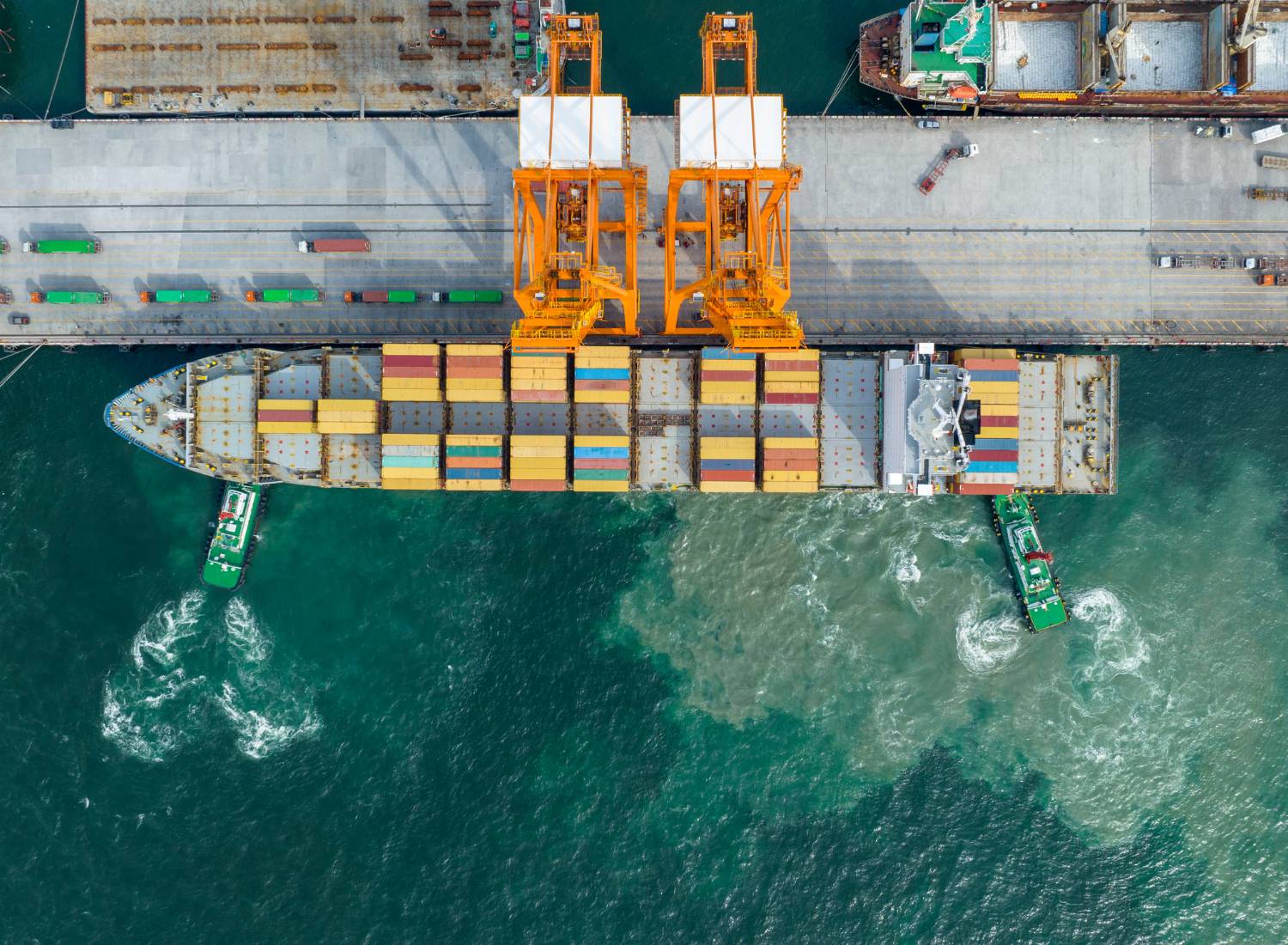 September 2025 — Nearly one-third of U.S. businesses plan to raise prices by year’s end as supplier costs and new tariffs squeeze bottom lines, according to a recent LendingTree report.
These anticipated price hikes show a growing readiness among American corporations to pass higher import and input costs onto consumers.
Experts believe that tariffs alone will push prices higher, raising import duties on a broad range of products. They warn that the uncertainty created by the Trump administration’s tariff policies has suppressed business confidence and disrupted supply chain operations as the cost for supplier goods and services increases, further fueling inflationary pressures.
“Tax policy affects hiring and capital investment,” George Destafney, president of the New Jersey Region at Ocean First Bank, told Invest:. “Externally, these issues have a pronounced impact on decision-making for our consumer and business clients.”
According to LendingTree, nearly half of U.S. businesses expect higher costs in the next six months.
On a large scale, these price increases are likely to stoke consumer inflation and sway Federal Reserve policy, according to economists cited by Newsweek. For consumers, this could mean less discretionary spending.
Entertainment corporations like Hard Rock Hotel & Casino Atlantic City are already feeling the impact of economic strain. “Profitability has taken a hit, attributed to inflation and the rising cost of goods and services,” said the hotel’s president, George Goldhoff, in an interview with Invest:.
Recent data from the U.S. Bureau of Labor Statistics corroborates findings of growing inflationary pressures in the economy. The Producer Price Index (PPI), which measures prices U.S. producers receive for goods, services, and construction, rose 0.9% in July from June. This was well above the forecasted 0.2% increase.
Producer prices rose 3.3% year over year from July 2024 to July 2025 — the highest increase since February 2025, when PPI rose 3.4%.
According to Zhou Mi, a senior research fellow at the Chinese Academy of International Trade and Economic Cooperation, U.S. businesses expanded trade and increased inventories to adapt to market conditions in 2Q25. However, structural shifts in supply and demand caused by U.S. tariffs are expected to become more pronounced in the months ahead, Zhou told The Global Times.
For Mid Penn Bank’s CEO Rory Ritrievi, these economic conditions are unsustainable for effective business planning. “One day, the markets look strong, but the next, they don’t. It makes long-term planning harder,” Ritrievi told Invest:. “The broader economy feels unpredictable as indicators are telling mixed messages.”
Given the challenges of rising costs and rapidly shifting policies, many American corporations are struggling to hold price points steady, coping instead by transferring those costs onto consumers. This trend is likely to hurt affordability and intensify broader social challenges, such as the national housing shortage, as notes Marshall Crawford, president and CEO of The Housing Fund, a Nashville-based not-for-profit organization that supports communities through affordable housing initiatives.
“Business owners pass rising costs onto consumers, and nonprofits like ours can’t absorb them either,” Crawford explained to Invest:. “Inflation makes it even harder. Wages aren’t rising, but the cost of goods, services, and transit keeps climbing.”
For more information, please visit: