


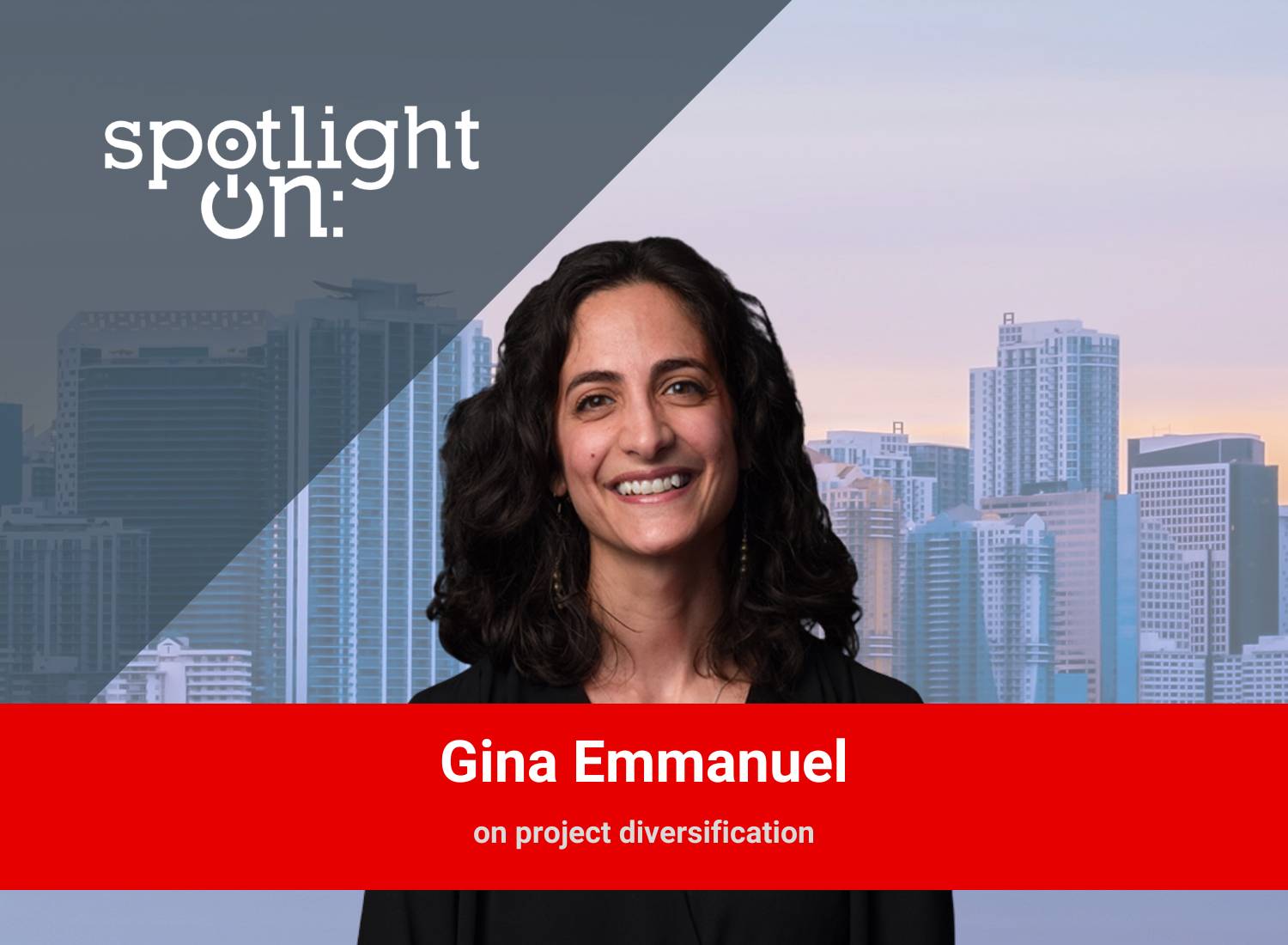
Spotlight On: Gina Emmanuel, Principal, Centric Architecture

Gina_Emmanuel_Spotlight_OnOctober 2025 — In an interview with Invest:, Gina Emmanuel, principal at Centric Architecture, discussed key market trends, noting “we have seen a notable increase in multifamily and mixed-use projects.” Emmanuel also shared insights on navigating rising construction costs, zoning reforms, and the firm’s neighborhood-focused approach to design.

What have been some significant projects for Centric Architecture over the past year?

I can share that we have seen a notable increase in multifamily and mixed-use projects, which had slowed due to the financial climate. Presently, we have several new projects of this nature in the office, ranging from mid-rise to high-rise, which is a significant number given current market conditions.

Among the projects that are already underway, the War Memorial Building and Legislative Plaza in downtown Nashville have seen substantial progress in 2025. We have been involved in that project for some time, and construction is ongoing. In addition, the State Capitol is undergoing some upgrades, and we continue to advance the Rock Harbor Marina and the Factory at Franklin.

Since last year, we have successfully secured the necessary rezoning approvals for Rock Harbor. This project represents an exciting water-centered development, a concept that is frequently discussed but rarely realized, so we are optimistic about its future impact.

How is your team approaching the challenge of rising construction costs and shifting affordability in the region?

Construction cost challenges are not new to us, as we have been navigating them for many years. During the pandemic, the situation was particularly severe, with issues extending beyond cost to include material availability, which made completing projects difficult. That phase lasted well into the post-pandemic period before eventually stabilizing.

Now, we are in a period of uncertainty. While costs may not be rising as sharply, we are receiving notices from subcontractors warning of potential price increases unless commitments are made within a specific time frame. Whether these increases will materialize remains unclear.

To mitigate these risks, we are diversifying our project portfolio across different sectors. This allows us to remain as adaptable as possible in an unpredictable market.

What key trends are shaping architecture and construction demand across Greater Nashville?

Nashville continues to experience growth, and a recent housing and infrastructure study released by the city highlights the pressing need for updated zoning regulations. I anticipate these updates will encourage further development, particularly in housing, to accommodate the influx of jobs and the lack of affordability for many current residents. 

While we do work downtown, much of our work is concentrated in neighborhoods surrounding the urban core. The potential zoning changes could significantly influence how these neighborhoods develop, particularly in terms of walkability, transit, and housing integration. Presently, many of our projects require rezoning, a process that can take from six months to two years. If the proposed updates streamline this process, it could accelerate project timelines and create the much-needed housing when it’s needed, while supporting the Choose How You Move transit plan.

How has client demand shifted over the past year, and what is driving these changes?

Our workload has remained full, but the nature of the projects has shifted. In 2024, we were heavily engaged in large institutional projects, such as the War Memorial Building, Legislative Plaza, and several developments at Vanderbilt University. Concurrently, many of our private-sector projects were smaller, often driven by individual owners with specific needs rather than large-scale developers.

Over the past six months, we have observed a transition back toward developer-driven projects. Many of our current assignments are larger developments, including multifamily and mixed-use ventures, which were less prevalent a year ago. Alongside these, we continue to work on a variety of other projects, including religious and educational pursuits, which remain a consistent part of our portfolio.

Where are you seeing the most opportunities for growth within Nashville’s neighborhoods and surrounding counties?

Many large development sites in Nashville are not progressing due to the factors we have discussed, including economic uncertainty and the rapid growth of the city. Nashville has become more costly, and it is unclear how quickly these projects will progress. However, there are many changes happening at the neighborhood level. Residents are advocating for improvements, particularly in infrastructure, which has lagged behind development. These projects often help push necessary upgrades forward.

I frequently hear from council members who say that when certain developments move forward, they benefit the entire neighborhood. For example, residents want better sidewalks, upgraded stormwater management, and more holistic neighborhood improvements. When there is active development, a case can be made to expedite these improvements. In neighborhoods where little is changing, securing infrastructure upgrades is much more difficult. This is a recurring theme in recent conversations.

What are some of the biggest challenges you are facing in today’s real estate market, and how is the firm addressing them?

The most significant challenge is the rising cost of construction, land, and overall project expenses. This issue affects every aspect of our work. Many projects that clients want to pursue do not move forward because they are financially unfeasible. For every project we take on, there are at least five others that we explore that don’t come to fruition.

As a result, many clients are exploring markets outside of Nashville. This trend has been growing over the past few years. Developers are turning to cities like Chattanooga, Murfreesboro, Columbia, Huntsville, and others of similar sizes, where costs are lower and the entitlement process is less restrictive. Nashville’s costs and regulatory environment have added a layer of difficulty in moving projects forward. I hope initiatives like the ongoing Housing and Infrastructure study will help address these challenges, but for now, the combination of high costs and complex approvals has slowed the pace of development in an impactful way.

How is your team using technology and data analytics to enhance data collection and product search?

We are continuously refining our internal processes. I was just reviewing this topic at a recent roundtable discussion we had with architects across the U.S. Many firms on the West Coast are facing layoffs, which is interesting given our current position of growth.

For our team, improving workflow efficiency is a priority. With rising costs, we must balance our work processes with the fees clients are willing to pay. We are evaluating several programs that help standardize repetitive tasks, allowing us to focus more on the creative aspects of design. While we do not work on many standard projects, certain elements can be streamlined over time to improve efficiency.

We use various design-based tools to document projects, refine details, track construction, and better communicate with clients. Additionally, we are experimenting with AI to see what proves useful. Technology in this field is ever evolving, so we adapt as new solutions emerge.

How do you envision Centric Architecture helping shape the future of architecture in Greater Nashville?

Over time, we have gained a clearer understanding of our strengths. While we love being involved in downtown projects, we have realized that our greatest impact comes from working in neighborhoods, directly engaging with communities. Many of our projects require rezoning, which means we spend considerable time collaborating with residents. Our goal is to create spaces where people want to gather, where they meet friends and family, and where they feel a sense of belonging. These neighborhood centers become defining features of their communities. We believe our time is best spent enhancing these local spaces, and that is how we aim to contribute to the future of architecture in Nashville.


For more information, please visit:
https://www.centricarchitecture.com

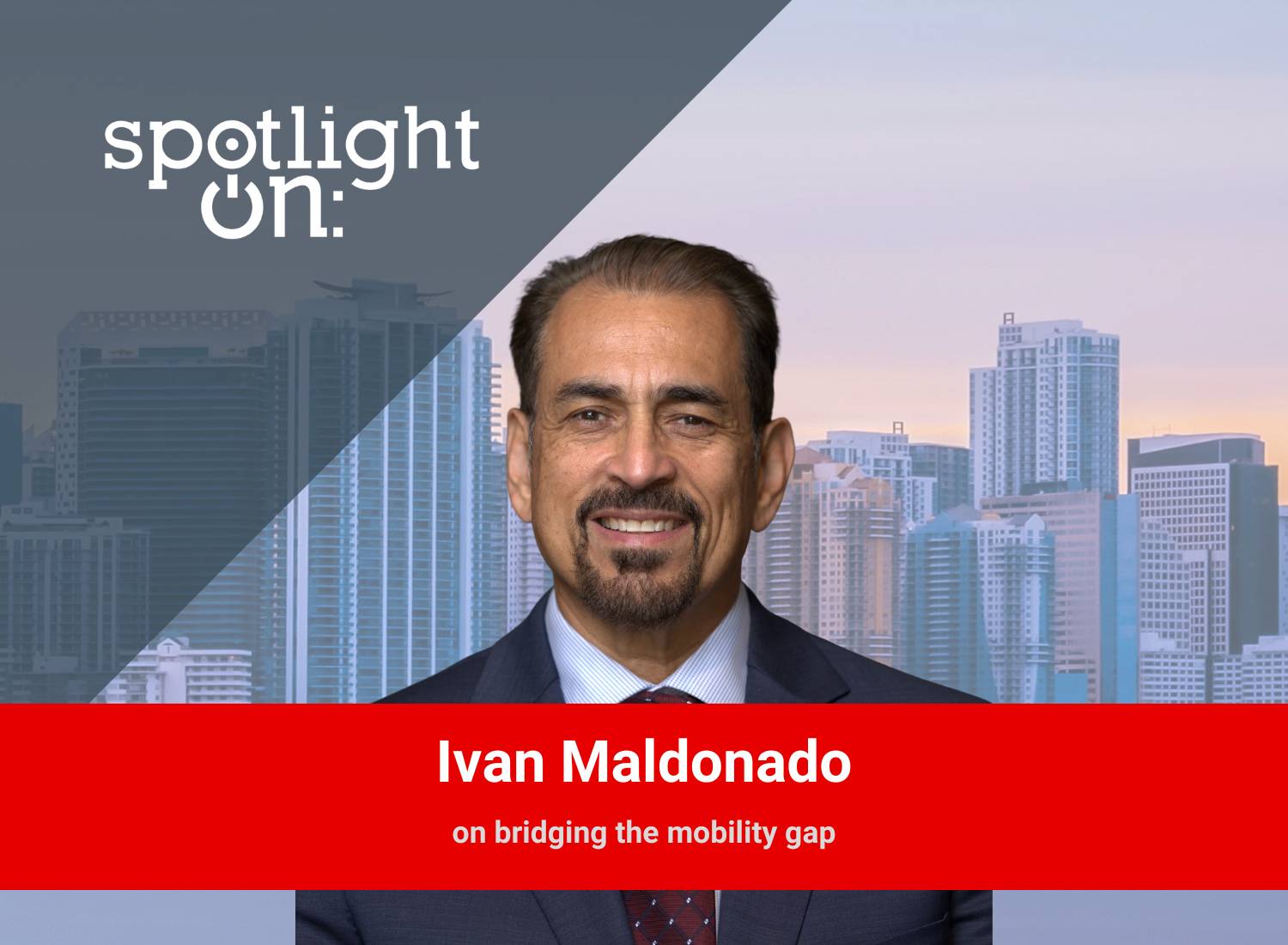
Spotlight On: Ivan Maldonado, Executive Director, Palm Tran

Ivan_Maldonado_Spotlight_OnOctober 2025 — As South Florida continues to expand in industry scope and population size, companies and residents look to public transit to support the region’s transportation needs. In Palm Beach County, Palm Tran experienced year over year change in ridership of more than 1 million trips from 2023 to 2024. Meanwhile, Palm Tran is hard at work ensuring safety, reliability, and first and last mile mobility options for the thousands of daily users who rely on its services to move about the county. In an interview with Invest:, Executive Director Ivan Maldonado highlights recent successes for the transit system, the importance of first and last mile mobility options, and efforts to ensure safety and reliability for its users.

What have been the main developments and key highlights for Palm Tran in the past year?

It has been a very exciting year for me. A key development has been the implementation of our first- and last-mile travel network in relation to rideshare. In 2024, we launched the BusLink pilot program, which allows our users to use rideshare systems like Uber and Yellow Cab to complete their first and last mile transportation needs. Through this service we have provided close to 119,000 trips to customers in different zones. This has been a very successful program, and we are always evaluating ways to enhance it further and make sure it aligns with our fixed-route transportation options. We also launched the Port Saint Lucie Express service, providing riders with the opportunity to commute from Port Saint Lucie to West Palm Beach on weekdays, and connect to all of our routes, as well as Tri-Rail. This initiative was made possible through a successful partnership with the Florida Department of Transportation.

In addition, we are constantly marketing and conducting outreach in the community to promote transit and, as a result of all these efforts, we saw an increase in ridership of about 1.1 million trips from 2023 to 2024. This is a major accomplishment for our transit system.

What factors led to the increase of ridership year over year?

We regained many riders as part of post-COVID recovery; however, a significant portion of the increase can also be attributed to our efforts in marketing transit options, as well as the convenience, reliability, and safety of our services. We want people to be in tune with how reliable our services are and how they can actually save money. We are seeing this trend continue and anticipate surpassing nine million trips by the end of this year.

What efforts go into ensuring rider safety?

Palm Tran provides extensive training to all our bus operators and staff to ensure rider safety. 

Training includes proper boarding and alighting of the passengers as well as continuous customer service and de-escalation techniques. 

In addition, all Palm Tran buses are equipped with signage in three languages, and verbal announcements are made that share Palm Tran’s safety expectations. 

Behind the scenes, Palm Tran continues its effort to ensure that the buses are maintained at peak performance. This can be credited to the men and women who work in our maintenance department, which is staffed 24/7.

How do you see transit systems growing in South Florida?

I see reliance on transportation growing as the lack of affordable housing increases. Residents without the means to buy a home near their workplace are moving farther away. Congestion and population growth are also issues. We have to ensure transportation options are available.

We transport close to 30,000 people daily. The upside is that public transportation in South Florida is inexpensive, reliable, and much needed. We have a master transportation plan that brings together more than 40 municipalities to identify transportation challenges. We look forward to being part of the solution in our county.

How can transit-oriented development help mitigate the transportation challenges in the region?

Transit-oriented development is critical to the success and vibrancy of any community. As the population grows and space becomes more limited, building more roads is not necessarily the answer. We must find ways to accommodate people in different communities, and that happens through transit-oriented development.

We believe in working closely with grassroots efforts, planning agencies, and developers to help plan transportation options for their constituents. This is key. In Europe, for example, transit-oriented development is part of everyday practice. It’s not about massive parking lots, but about creating places where people live, work, and play. It’s important to integrate transportation options with all the necessary amenities to build a vibrant community.

What is the overall goal for the region’s master transportation plan?

I believe one of the most important developments in transportation is the master transportation plan. It gives everyone a voice in shaping the transportation options available in our county. We hope people recognize the importance of transit so we can plan effectively for the near future.

We are also looking at enhancing service frequency on major corridors to move people more efficiently. We’re working closely with the Florida Department of Transportation to provide additional modes of transportation that meet customer needs. One example is our Go Glades program, a mobility-on-demand service that has been very successful. It allows riders to schedule trips through an app and connect to our fixed-route options.

We are working to expand and create more mobility-on-demand services. As people move westward, fixed-route options can get riders to and from a set route, but cannot always connect to other destinations in the west. Mobility on demand can bridge that gap, helping riders stay connected while maintaining a high level of independence.


For more information, please visit:

https://www.palmtran.org

Danny Schroder, Chairman – Greater Houston Region, PlainsCapital Bank

The Houston market is a key focus for PlainsCapital Bank’s growth strategy. “Houston is a key growth market for PlainsCapital Bank in 2025, and you couldn’t pick a better market,” said Danny Schroder, bank chairman for the Greater Houston region. In an interview with Invest: Houston, Schroder also provided an overview of the banking landscape in the region as well as challenges facing the sector.

What were the most significant changes, milestones, or highlights for PlainsCapital Bank in Houston over the last year?

The main highlight for us was the addition of four bankers who joined us. We were able to bring a full team on board, and they have just been a terrific addition to PlainsCapital Bank. We look forward to big things out of them in 2025. That was the most exciting thing that we did.

We also saw growth specifically in the real estate market. We did several multifamily transactions, and real estate continues to be a focus for PlainsCapital Bank. We think real estate is going to continue to be a focus for the bank. In addition, we did see some nice business from the commercial and industrial space. 

What makes Houston an ideal location for PlainsCapital? 

Houston is a key growth market for PlainsCapital Bank in 2025. We are focused on expanding in all of the areas we serve, but Houston offers the greatest opportunity for growth. And you couldn’t pick a better market. We continue to see significant net migration into Houston from other parts of the country, and that is certainly going to spur real estate development and growth in that sector. Houston is also in a lot of old economy businesses, such as manufacturing around the oil and gas sector and the activity up and down the Port of Houston. There is a neat and interesting mix of old economy businesses and growth in real estate and all the attendant businesses that surround that. When you layer on top of that the medical center, it’s just a dynamic place to do business. We think this is our No. 1 growth market.

What is your overview of the banking and financial services industry within the Greater Houston region?

We’re probably going to see a continuation of the trends of the last couple of years. There are going to be more banks and financial institutions wanting to enter the Houston market, and that trend has been going on for a while. There will be competition for everybody here. But the growth factors that have propelled us over the last three or four years are going to continue. There are also some interesting things happening in the world of technology, specifically AI and the technology that’s evolving around that. Houston does have some interesting and significant players in those spaces. That’s a hidden little gem that I think we’ll be hearing more about in 2025.

What is behind the small-business loan program for Houston and the Rio Grande Valley?

That is a program called Momentum Express, which is designed for small businesses to quickly access capital for growth needs like equipment and working capital. While Houston and the Rio Grande Valley were the initial markets where we rolled out this program, it is now available to all of our markets statewide. It has been well received, and the application through the funding process is quick. Overall, the program has exceeded our expectations. For businesses that may only need a small amount of working capital or may want to add some equipment, perhaps another truck, it has been a great solution. 

In addition to just the standard commercial and industrial lending that we do for small businesses, we do have a terrific SBA capability and an SBA team. That is geared toward smaller businesses, entrepreneurs, and startups. We’ve seen a tremendous amount of growth in that area. That will likely continue, based on the growth in Houston in general.

What are the challenges facing the banking industry in the Greater Houston region?

We’ll always be keeping an eye on the price of oil and gas. We are still a significant energy city in the country. That’s going to have an impact on us. It doesn’t have the impact it did 20 or 30 years ago, but we do want to keep an eye on the health of the oil and gas industry. Interest rates are also going to play a factor in decisions that businesses will be making. So, the stability, or hopefully the continued cuts, in interest rates will have an impact as well.

What is the bank’s strategy for lending activity and maintaining financial sustainability?

PlainsCapital Bank is a strong bank, if not the strongest bank, from a capital-to-asset standpoint. Our peer-leading capital ratios and ample liquidity give us a competitive edge and enable us to take care of our customers’ needs throughout evolving market conditions. That strength has also given us the ability to bring on additional lenders. We have a solid, good-sized team that can get out there and bring in new business, service our existing clients, and grow the Houston market.

How is the bank attracting and retaining clients?

PlainsCapital Bank is headquartered in Dallas. Even though it’s publicly traded, we do have a large shareholder family, and it is run like a small community bank. It’s personal, high-touch, and relationship-oriented, with a stable leadership base. Our president has been with the bank for well over 30 years. Our chief credit officer has been with the bank for well over 30 years. We’ve got a lot of stability at the top of the organization. When you have that, it gives you the confidence to go out and favorably present the bank to clients and prospects. Then we have an interesting part of the bank called Premier Services, which is a high-touch, concierge-type of banking that is available 24 hours a day, seven days a week. It’s a real differentiator for us.

How does the bank demonstrate its commitment to local businesses and the community?

We encourage all our bankers to get involved in charitable organizations that are important or of interest to them. We are supportive of several private education institutions as well as charities in and around the medical field. We are also members of the Greater Houston Partnership, the organizations around the Port, and the numerous chambers of commerce that circle the city. 

All our bankers understand the importance of being engaged with the community and giving back. This is not a 9-5 job. It is a 24-hour-a-day, seven-days-a-week job. When you leave the bank, you still have a responsibility to be engaged in your community and give back. We encourage all our bankers to do so.

What is your outlook for PlainsCapital in Houston for the next two to three years?

Houston, as mentioned earlier, is a key growth market for PlainsCapital Bank. We are going to be aggressive in the marketplace. We will be fully engaged across numerous industries in the area, looking to service our existing clients at a high level and then bring in new clients as the opportunities present themselves. We are going to be fully focused on growing the Houston region in 2025, and we are excited about that.

Rodney Nabors, President, Agility Bank

In an interview with Invest:, Rodney Nabors, president of Agility Bank, discussed the institution’s community banking approach. “We’re a Houston bank, owned by Houstonians,” Nabors said. “Our deposits stay here and are reinvested in our community.”

What have been some key accomplishments for the bank in Houston over the past year?

2024 marked a pivotal transition year for Agility Bank. As a de novo institution, we experienced the type of accelerated growth typical of the early stages, with total assets increasing by 35% — a $27 million rise that brought us to $104 million by year-end. This strong performance reflects both the natural progression of a new bank and our strategic efforts to establish a solid foundation in the Houston market.

Looking ahead, we anticipate another year of significant growth in 2025, with a target of $160 million in total assets. While our growth trajectory may exceed that of more established institutions, it is a direct result of our early-stage momentum and commitment to thoughtful expansion in a dynamic and diverse market.

What makes Houston an ideal location for your bank, and how does it support your members and growth strategy?

Houston’s diversity presents a unique opportunity for our bank. We can serve a wide range of clients, from the east side of Houston — characterized by a distinct demographic and business environment — to the Clear Lake market, which operates under a different dynamic. This diversity requires our bankers to be versatile, adaptable, and skilled communicators across a variety of client needs and cultural contexts.

As a young and nimble institution, Agility Bank has carved out a niche by emphasizing personalized service and community engagement. Our relationship bankers are deeply embedded in the communities we serve, building trust through consistent outreach and support. While larger banks often prioritize high-value transactions to drive scale, we are committed to serving clients with financing needs ranging from $50,000 to $5 million — delivering value where it matters most to small and mid-sized businesses.

What’s your view on the current state of Houston’s banking and financial services industry?

The entry of out-of-state banks into the Houston market underscores the city’s economic vitality and growth potential. These institutions recognize the opportunities here and are eager to participate. While their presence increases competition, we view it through a different lens.

At Agility Bank, we’ve been part of Houston from the beginning. We are locally owned and deeply rooted in the community. Our deposits remain in Houston and are reinvested to support the local economy. We take pride in operating within a dynamic market that continues to attract both people and businesses.

Rather than being distracted by outside noise or short-term market disruptions, we remain focused on our core strengths. While some larger banks may pursue business through aggressive pricing, we believe in earning our clients’ trust by delivering lasting value, fostering relationships, and helping companies grow.

Could you share if there have been any shifts in the sectors seeking your support, or new areas of opportunity you foresee?

We remain committed to the same strategic focus that guided us last year — an approach that reflects the core values of community banking. While there are certainly opportunities in other sectors, we continue to concentrate on what we do best: serving small to mid-sized businesses that value personalized relationships, direct access to local decision-makers, and the ability to call their banker — not a call center.

We are always open to building new relationships and welcome businesses that seek a more connected and responsive banking experience. While we strive to maintain a balanced and diversified portfolio, we are not rigidly industry specific. We evaluate each opportunity on its merits and aim for mutual alignment. If a partnership isn’t the right fit for either side, we’re comfortable with that.

Ultimately, our goal is to work with businesses and individuals who share our commitment to supporting Houston’s economy by keeping capital local and reinvesting in the communities we serve.

With the new administration and ongoing uncertainty around tariffs, how are you advising your clients to stay agile and focused during these transitions?

We operate in an increasingly dynamic environment, where each day presents new challenges and opportunities. The most accurate insight into current conditions comes directly from our clients. Through active listening and ongoing dialogue, we gain a clear understanding of their evolving needs — enabling us to offer timely, tailored solutions and maintain contact on a cadence that works best for them.

This consistent communication allows us to identify emerging trends early. While uncertainties such as tariff fluctuations may temporarily impact activity, the underlying demand among businesses remains strong. What many clients seek now is greater economic clarity.

By staying closely connected, we’re able to provide real-time insights that go beyond headline news — offering our clients meaningful, on-the-ground perspectives. These two-way conversations foster a collaborative environment where we grow together and navigate change with confidence.

What’s your take on the current labor pool in banking and finance?

I began my banking career in the late 1980s and early 1990s, a time when Texas was home to a vibrant network of strong community banks and a well-established pipeline for developing banking talent. Since then, we’ve witnessed a significant decline in both the number of community banks and the depth of the talent pool entering the industry.

At our bank, we are committed to reversing that trend by attracting top talent and investing in the next generation of bankers. One of the ways we do this is through immersive summer internship programs that offer students a comprehensive view of community banking — from deposits and lending to credit operations and client engagement. Unlike larger institutions, where internships often involve narrow, segmented roles, we provide meaningful, hands-on experiences.

For example, a finance major from the University of Arkansas who interned with us last year shared how eye-opening it was to be directly involved in both day-to-day banking activities and community initiatives. Programs like these not only help students build practical skills but also highlight the unique value of community banking as a fulfilling career path with real, local impact.

Could you share how Agility Bank is giving back to the community beyond your core financial services?

Our bankers are deeply engaged in the communities we serve, particularly in underserved areas such as East Houston. Through active participation in chamber events and local gatherings, they not only represent Agility Bank but also advocate for local initiatives that strengthen these communities. The insights gained from these engagements allow us to connect our clients with impactful nonprofit organizations and programs that align with their values — creating opportunities for meaningful involvement beyond traditional banking relationships.

We take pride in fostering connections among like-minded individuals and organizations, helping to build partnerships that drive positive, lasting change.

As a women-owned and women-led institution, Agility Bank is guided by the leadership of Chairwoman Edna Meyer-Nelson and a majority-female board. We are growing with a clear purpose and vision, with a strong commitment to supporting women- and minority-owned businesses that have historically faced challenges in accessing capital through traditional channels.

Our approach goes beyond inclusion — it’s about genuine partnership. Our clients aren’t treated as just account numbers; they are valued relationships built on trust, transparency, and mutual success. While we’re proud of our designation as a Minority Depository Institution (MDI), we serve as a full-service commercial bank, dedicated to delivering personalized, relationship-driven service to all clients.

What is your outlook for Agility Bank’s growth in Houston over the next few years, and what are your top priorities moving forward?

At Agility Bank, our highest priority is remaining true to our identity as a women-owned, women-led institution committed to creating meaningful impact for everyone we serve. As we look toward 2025 and beyond, our focus remains on strategically expanding our presence across Houston and attracting the top talent needed to support our continued growth.

It’s important to recognize that while large national banks control 60–70% of local deposits, they seldom disclose how much of that capital is reinvested into the Houston community. At Agility Bank, we take a different approach — one rooted in transparency and local commitment. We consistently remind our clients that their deposits stay here, fueling growth for Houston businesses and supporting the broader community.

In contrast, funds placed with national institutions are often redirected to out-of-state markets like New York or California. Our message is clear: we are rooted in Houston, committed to its future, and dedicated to making a lasting impact — right here at home.


Taylor Ducoff, Former Executive Vice President of Corporate Banking in Texas, Cadence Bank

In an interview with Invest: Houston, Taylor Ducoff, former executive vice president of corporate banking in Texas at Cadence Bank, highlighted the bank’s growth strategy and Houston’s economic opportunities. “Our Texas markets hold the largest portion of our bank’s C&I loan portfolio,” he noted, emphasizing the region’s importance. Ducoff also discussed how technology and talent retention drive Cadence’s relationship-focused approach. The conversation covered acquisitions, economic trends, and client-centric innovation.

What significant changes over the past year have impacted Cadence Bank’s commercial banking operations in Houston?

Anytime we have a presidential change in the country, there are both long- and short-term economic impacts. Those impacts can cause delays in business activity, particularly on the acquisition front. We’ve seen some changes, and people are being cautious.  

Interest rates also stabilized in the middle of last year and began to come down. That is good for us because when interest rates go up fast, people get nervous. They aren’t sure if they want to borrow. Banking investors also get nervous about credit quality throughout the industry. Therefore, when interest rates stabilize or begin to decline, it is positive for the banking community. 

Given your recent bank acquisitions in the Southeast, how are these moves strengthening your competitive position?

Cadence is well-positioned in the Southeast, in nine states from Texas to Florida. We jokingly call it the “SEC footprint.” 

On May 1, we completed a merger in Savannah with FBC Financial Corp, the parent of First Chatham Bank. It helps us grow our Georgia market along the coast. 

On July 1, 2025, Cadence Bank completed its acquisition of Industry Bancshares.  It expands our presence in the Texas market and closes some geographical gaps for branch locations in the south-central part of the state. Expanding our physical presence by adding branches is good for us. People do most business now online, and we bank with companies nationally. However, some customers like to know there is a branch that’s not far away.

For the corporate bank, we have been working in Houston for over 14 years. We have built on the solid legacy of our branch banking relationships and our reputation as a customer-friendly, relationship-focused institution. 

The Southeast U.S. is a great place to be in terms of the economy, a growing population with a talented workforce, and plentiful banking opportunities. We think Texas is the leader in that, and it is the lion’s share of our corporate banking. It will continue to be that way. Our growth opportunities are enormous. We’re fortunate to be in Houston and Texas, more broadly.

What makes Houston an ideal location for Cadence, and where do you see its biggest strengths and opportunities?

Our bankers do a good job of living out Cadence’s vision of helping people, companies, and communities prosper. People do business with people they like. The number one way we do that is by having bankers focused on building relationships, getting to know clients and their families, understanding their business and what drives them, and what their goals are. With that intelligence, we can be responsive and proactive by coming to them with opportunities like new technologies or things like fraud prevention tools. We work with a variety of companies in an array of market sectors and share the best practices we come across with clients to help them improve and grow their businesses.  

What new tools are most in demand right now, and where are you seeing the greatest need?

From a product perspective, our Treasury Management solutions are in demand. They are important in corporate banking, but some solutions could be useful for any company, no matter its size. The more efficiently you receive payments and collections, apply payments to debt, and move money into interest-bearing accounts, the better it will be for you long term. 

We have good interest rates on our CDs and money markets, good products to move cash efficiently, and a nice online platform. Our Treasury Management team works to make those platforms better every day. 

Fraud protection is the number one thing we talk to both consumer and corporate clients about. We have dozens of tools, and not utilizing them opens you up to potential liability and costs.  We discuss products and best practices, and these conversations are well-received as cyber fraud continues to grow at a rapid pace. We want to be on the leading edge of helping customers stop fraud.

How is Cadence using AI and innovation to improve efficiency for bankers and enhance client service?

On the AI front, we’re still evaluating the technology. It’s something every institution has to look at and see if it makes sense. We view technology broadly, including machine learning and AI. Our technology team looks at every facet of what we’re doing.  

We think about the experiences customers have with our online platforms, mobile app, and after-hours banking offered through Interactive Teller Machines (ITMs). Technology also plays a critical role in fraud prevention. We’re always looking for additional products and services to make clients’ lives easier.

How do you find Houston’s talent pool for attracting and retaining top bankers to build strong client relationships?

When we think about differentiators, an important one is the Cadence brand, which has been active in Houston for 14 years. One of our predecessor banks was founded here. Our Houston corporate banking team has largely remained unchanged in those 14 years, and that stability gives us an edge 

New bankers are trained in-house through our analyst training program. Students come from campus into our training program and learn what we do in corporate banking across our footprint. The Cadence culture lets them learn from experienced bankers, see how we take care of customers, and value service. The brand’s consistency comes, in part, from not hiring many bankers with different training backgrounds and having low turnover. Company representatives often ask our bankers how long they have been at Cadence; most have been here their entire career or a decade-plus. That kind of tenure is well-received, and we take a lot of pride in it. 

Is there anything else you’d like to add or highlight that we haven’t covered?

Because we’re located in the Southeast, our corporate bank looks to do business with local private businesses. We also support private equity groups that are involved in small business projects. Nearly half of our clients are private-equity-backed entities versus private and family-owned businesses.  

Cadence is also committed to the markets and businesses we serve in the lower middle market. We’ve invested in 85 SBICs (Small Business Investment Companies) with our own capital and then work to partner with them on the lending front for their portfolios. We call on those companies because their target customers are the same as ours. 

In all, Cadence has an exceptional group of people working to live our bank’s mission and values. If we keep doing that, success will come. I’m proud to work here. 

Marty Pell, President & CEO, Wellby Financial

Wellby Financial President and CEO Marty Pell spoke with Invest: about the methods by which the credit union has achieved excellent financial health and how it is prioritizing technological innovation as well as investment in workforce development to ensure its continued success.

What strategies have been pivotal in setting Wellby Financial apart, and how do you plan to build on your current momentum?

Our mission is to help people prosper – everyone is on a financial journey, and we want to be a positive force that helps them progress. We focus on finding ways to add value for our members by offering great products that reward savings. One example of this can be found through our high-yield checking account, which offers members 4.50% APY and a way to build financial resilience. Our efforts are being recognized nationally by the press. As a credit union, we pay out significantly higher dividends than our national peer group while charging fewer fees. This value proposition is noticed and appreciated by the marketplace. This is centered around our philosophy of helping people prosper and progress on their financial journey. Wellby is also active in home lending, and we were recognized last year as having the third-highest mortgage growth among credit unions in the country. Our first-time homebuyer program has been particularly successful, and we have a long-term goal of helping 10,000 families achieve homeownership. To do so, we continue to evolve our mortgage lending offerings to ensure we have home lending solutions for every member. 

Could you provide an overview of the banking and financial services industry in Houston?

Houston’s economic diversity positions it as a resilient and high-growth market. The Federal Reserve noted that Houston and Fort Worth have had the highest population growth in the state among large MSAs, and there is a lot to be excited about in terms of the local economy; however, the financial services industry continues to navigate challenges due to a flat or inverted yield curve, which makes traditional banking models more difficult. This environment puts profitability under pressure. 

Changes in the regulatory landscape under the new administration appear favorable for the industry through potential deregulation. There has been some asset quality deterioration in the industry, but I believe this creates a scenario where consolidation could be attractive. Wellby Financial positions itself as a strong potential consolidator due to excellent financial health. We are optimistic about Houston and Texas, despite ongoing industry recovery.

Are there any specific products you are seeing as the main drivers for Wellby’s continued growth?

Members who engage with Wellby Financial services can double their savings rate to nearly 4% APY. This initiative has been highly successful in rewarding highly engaged members. We also launched a high-yield checking account last year that offers up to 4.50% APY interest, along with credit monitoring, cellphone insurance, and other benefits — with no fees. Lending remains challenging due to economic conditions, but our homebuyer and home equity programs have seen strong performance.

How do you assess the labor pool, and are there any initiatives in place to further develop the workforce?

The labor market has stabilized after the post-pandemic turnover surge. The Federal Reserve noted the job openings-to-seekers ratio has moved from 2:1 in 2022 to 1:1 today, indicating a balanced labor market. As part of addressing this issue, Wellby Financial’s internship program with the University of Houston-Clear Lake has proven highly successful, attracting applicants from across the state. Many interns receive full-time offers if their career paths align.

We also spearheaded a new internal initiative called the Wellby Academy, which allows employees to customize their learning and development paths by focusing on leadership, business skills, and industry expertise. Excitement and engagement from employees are strong. Houston’s strong talent pool gives Wellby a competitive edge.

How are you leveraging technological innovations to improve your clients’ experiences and to create efficiencies for your teams?

AI’s potential is endless for the financial industry. We utilize AI in marketing to help us refine how we approach members with products and services, and we have also implemented AI in our cybersecurity efforts to embolden and strengthen fraud detection and prevention.

Wellby Financial also partners with an AI-driven underwriting firm that provides a better risk assessment than traditional credit scores. For example, a long-time member was recently denied a loan elsewhere due to credit challenges. They turned to Wellby Financial, where our AI-driven underwriting model allowed us to approve the loan. The funds provided meaningful financial support, enabling a life-changing adoption opportunity. This is just one example of how technology empowers us to make a real difference in people’s lives.

Can you share a few details about how Wellby is involved in the local community?

We have been selected as the official credit union of the Houston Rockets, which has helped to expand our brand visibility and reach Houstonians across the city. In terms of grassroots community development, we conducted 215-plus financial education workshops last year, all of which helped individuals build financial literacy. We also helped fund and build a home through Habitat for Humanity, with over 100 employees contributing volunteer hours for this cause. We have also received recognition from local nonprofits for supporting domestic violence survivors and helping them rebuild financially. We continue to invest in and support the Space Community and STEM initiatives as we remain strongly connected to our legacy. Wellby has a strong commitment to grassroots community initiatives, including highway clean-ups, chamber events and nonprofit partnerships.

What is your long-term vision for Wellby Financial?

Wellby is in a position of financial strength, with excellent capital and liquidity. Headwinds remain, such as yield curve challenges and regulatory shifts, but the focus is on stability, soundness, and strategic growth. While some growth opportunities may be postponed in the interest of stability, Wellby sees partnership and consolidation opportunities in the near future. Our long-term goals remain unchanged. We will continue helping members achieve homeownership, encouraging financial wellness and savings, and helping to be a trusted community partner. Wellby is well-positioned for leadership in the Houston financial sector and remains committed to its mission of helping people prosper.

Dave Stevenson, Market President, Amegy Bank – Houston

In an interview with Invest:, Market President Dave Stevenson of Amegy Bank-Houston highlighted strong core loan growth, driven by the region’s thriving industrial, energy, and healthcare sectors. He emphasized the bank’s focus on core deposit growth, digital innovation, and personalized support for small businesses as key strategies for staying competitive in a rapidly evolving financial landscape.

How has Amegy Bank performed over the past year, and what does that say about the industry?

Amegy Bank continues to have strong core loan growth, especially in our Commercial and Industrial (C&I) markets. A steady demand for industrial space has fueled ongoing investments in large-scale projects industry-wide. Houston remains a vibrant and actively growing market, thanks to factors such as the Port of Houston, a strong manufacturing and distribution base, the energy and healthcare sectors, and geographic growth, all propelling the region’s strong economic performance. The Port of Houston is the largest port in the U.S. for waterborne tonnage, handling nearly 300 million tons of cargo annually, while Houston’s energy sector encompasses both traditional oil and gas and the transition to renewable energy. The city’s population continues to grow, attracting businesses and talent from across the country and beyond. This demographic expansion supports a diverse and dynamic economy, creating opportunities for numerous sectors ranging from real estate to healthcare and technology.

What industry trends are shaping your strategy?

As interest rates have climbed and held at a more traditional level, all banks and their customers have been adjusting to the increases in both the loan rates they repay and the earnings from deposits that, for many years, yielded no return at all. Because of this “new normal,” banks are regaining their balance in how they acclimate to the changing rate environment. Core deposit growth remains a top priority; our stable and growing deposit base is a driver of our ability to grow our entire bank, and we remain focused on adding new customers to our bank. Additionally, we are leveraging technology to enhance our customer experience and streamline operations. Digital banking solutions are becoming increasingly important, and we have invested in innovative platforms to meet the evolving needs of our clients. 

What challenges does Amegy Bank face, and how are you navigating them?

Our industry faces significant competition from various sources, including traditional banking competitors, private credit funds, institutional capital providers, and fintech companies. There is heightened competition for the core deposit and loan customers in the traditional banking system. Since Amegy Bank’s founding in the late 1980s, we have consistently focused on supporting local businesses and their owners, employees, and families, helping them grow and prosper. This commitment remains at the core of our strategy as we navigate these challenges and seek new opportunities.

How is Amegy Bank supporting small businesses?

Small businesses have always been the driving force behind our growth in Houston. The local economy offers abundant opportunities for new businesses to start and thrive. We invest in people and resources to support these businesses through SBA Loan programs, treasury services, and capital markets backed by online access and service. Our local bankers are readily available for personalized engagement and assistance, and our high-quality banking centers are staffed by experienced bankers who are accessible without an appointment. You can meet with them in person every day to receive guidance and support. We believe this approach is fundamental to building a great banking partnership.

What’s your outlook for the year ahead?

Whether in the traditional areas of Small Business, Commercial and Commercial Real Estate or specialty areas like Energy, Port/Marine, Healthcare, we see great opportunity to expand the bank by helping our customers grow.

Brian Heflin, Houston Market President, MidFirst Bank

A keen focus on client relationships coupled with healthy economic factors, such as the growth happening in the city of Houston, allows the banking sector to continue to support local businesses, Brian Heflin, Houston market president of MidFirst Bank, said to Invest:. “To me, banking will continue to be a relationship-based business, and the larger, the more complex the transaction, our job as bankers is to listen, learn, and understand our customers and personalize solutions that help them achieve their goals,” Heflin said.

What key changes have impacted the bank’s operations in the past year?

It has been an eventful year for our operations and Houston in general. Houston’s economy has remained strong, even when there has been turbulence and a constantly changing macro environment. We have seen a strong overall performance of our customers and the economy locally. In Houston, we have the highest number of workers who are returning to the office of any major metro, which is a reflection of how the local businesses are doing. Downtown is certainly busier. As far as our operations, we are excited about our growth in the region. We opened our offices in November 2021. Last year, we acquired the local Houston banking locations of Amerant Bank. We have added many new clients, over $500 million in new loans and deposits, six new banking locations, and 45 new team members. We have a terrific team and are well-positioned to continue to serve the Houston community. 

What differentiates MidFirst Bank from its industry peers?

We are the largest privately owned bank in the country with more than $40 billion in assets. We are family-owned, which provides a competitive advantage and an opportunity to think long-term. We prioritize stability and client relationships, and sustainable long-term growth across all of our markets. We are optimistic about the future. We serve a dynamic market in Houston where the economy is resilient. The region is being fueled by a rebounding energy sector; however, the overall diversity of the economy is strong. We have growing healthcare and logistics sectors, as well as a growing population. 

What industry sectors are showing the most demand for banking services?

We have seen consistent demand across multiple industry sectors.  We are active when it comes to lending to manufacturing and wholesale distribution. We are active in real estate lending and in all asset classes. My focus is on commercial banking, but we have a wide variety of services – from Private Banking and Private Wealth Management to Aviation Financing and Healthcare Lending.

How does the bank continue to adapt its services to meet the evolving needs of its clients?

We are always adapting and changing and looking for opportunities across the market. Our recent acquisition of Amerant Bank’s Houston locations provided us with an immediate branch network. We now have six branch locations and have a new one slated to be operational by the end of 2025 that will house our experienced and growing Private Banking team. We have been onboarding great team members with great experience and knowledge in the market, and combining them with our existing team, which provides us with an extremely talented group that knows the market and has been in Houston for a significant time. Combining our experienced Houston team with being the largest privately owned bank and delivering our products and services in a community-based fashion has resonated in the market, and we have been able to grow. We will continue to evaluate opportunities regarding where we need to be and where we should invest in the future. 

How do you see embedded finance with non-bank platforms changing the sector?

These platforms are emerging, convenient, and creative. Most of what we do on the commercial side is work with clients who have complex needs. We have a small-business team that is focused on working with smaller entrepreneurs, a commercial lending team that works with medium-sized commercial and industrial clients, and a real estate lending group that focuses on larger real estate opportunities. However, banking is still a relationship business, and there is a lot of value in meeting with clients and understanding their business goals and strategies, and providing them with resources and solutions to help them achieve their goals and dreams. To me, banking will continue to be a relationship-based business, and the larger, more complex the transaction, the more you need an experienced banker. Our job as bankers is to listen, learn, and understand our customers and personalize solutions that help them achieve their goals. This may be difficult to do in a digital and less personal manner. 

What is the bank’s approach to digital and tech investments?

We have invested tremendously in our online platforms and our treasury management product set, which makes us competitive. We are always looking at internal processes and how to become more efficient and more fluid. 

What is the bank’s approach to community investment?

We are involved in our community. Our team members live and are raising their families in Houston, and they are committed to serving our customers and our community because the positive impact they make positively affects their families, as well. This is what is great about being a banker: What we do matters and has an impact on a variety of different people. MidFirst is known to be community oriented. Over the years, MidFirst has donated millions to great non-profits across the country. Our employees even get eight hours of paid volunteer time each year. We are the official sponsor of Rice Athletics, which allows us to connect with athletes, alumni, and the greater public locally. We are always looking for ways to invest back into our community. Whether it’s helping a small business secure capital or investing in financial education programs, we’re deeply committed to being a banking partner that grows alongside the communities we serve.  

What is your outlook for the next 12-18 months?

We are going to prioritize having a long-term vision, building client relationships, and sustainable growth. We are optimistic about the future, particularly because we are in Houston. The region is economically resilient and fueled by healthy economic factors, which present opportunities for us. We want to build long-term relationships and opportunities that may include expanding our talent base and deepening our market presence. We are proud to invest in the Houston community and will continue to do so. We will be committed to being a reliable and forward-thinking financial partner that brings the scale and strength of a major bank with the personalized service and community focus of a family-owned institution. We are a strong financial institution. We are well-positioned to be a steady financial partner for our customers and community in good times and times of economic uncertainty. 

Kelly Page, President, Barrios Technology

In an interview with Invest:, Kelly Page, president of Barrios Technology, said that Houston’s leadership in human spaceflight and its growing commercial space ecosystem are driving the next era of innovation in aerospace. “Houston remains the hub for human spaceflight, which is at the core of our work,” she said.

Could you share some of the most impactful recent developments and how they are positioning you for future growth?

Over the past year, we’ve focused on expanding our company beyond the traditional NASA market and into the commercial space sector. We’ve worked hard to define the services that truly set us apart by analyzing the unique needs of the commercial market. While that market hasn’t grown as quickly as we had hoped, we anticipate significant expansion starting this year and beyond. We’ve refined our specialties, particularly in systems engineering and digital architecture, and are now channeling those capabilities into supporting the commercial space industry.

What makes Houston the best place for Barrios to be headquartered?

Houston remains the hub for human spaceflight, which is at the core of our work. While other regions may be involved in human spaceflight to some extent, none have the history, culture, or infrastructure that Houston offers. This city has always been, and continues to be, the heart of human space exploration. We’re seeing this reaffirmed in the growth of commercial human spaceflight. That’s why Houston remains the best location for the work we do. I recently attended an economic update, and the numbers for Houston were impressive. Compared to the rest of the country, we’re seeing growth across multiple sectors. It reinforces why Houston remains such a strong place to do business. Aerospace is becoming a significant part of that picture. While it won’t surpass oil and gas in terms of economic scale anytime soon, it’s rapidly emerging and gaining traction.

What is the Stellar Access initiative about?

With Stellar Access, we’ve taken a different approach. Instead of spinning it off into a separate company, we’ve integrated the concept directly into our existing operations. This allows us to stay focused on our goals. Right now, we’re exploring several exciting opportunities, especially with support from the Texas Space Commission. We’re also looking at how to build a new space economy — one that includes commercial customers outside the traditional government landscape while still leveraging existing public partnerships. It’s a slightly different path, and we’re planning to formally launch it later this year.

Can you elaborate on the Texas Space Commission’s role in shaping the aerospace industry here?

The Texas Space Commission is doing something truly innovative — bringing state funding into the equation to spur the development of new technologies, innovations, and business ideas. It is also helping attract new companies to Texas, strengthening the state’s overall aerospace ecosystem. A number of grants have already been awarded, and more are on the way. Several of our partner companies are recipients of these grants, and we’re excited to continue collaborating and see what these investments produce.

How do you view the role of commercial space infrastructure in attracting new investment and talent?

We’re seeing tremendous potential from the combined efforts of the Houston Spaceport, Exploration Park next to the Johnson Space Center, and the A&M Institute of Biosciences & Technology, also nearby. Together, these form a powerful space corridor. While many of the same companies are still operating here, the region is attracting much more attention, including that of international businesses. There’s a strong desire to be in the middle of the action. Companies want to partner with U.S. firms or build new ventures here, and the Spaceport is quickly becoming the place to do it.

What important projects are you working on, and what is in the pipeline?

One major project we’re working on is with Intuitive Machines. We’re serving as systems engineering, program integration, and eventually operations partner for its Lunar Terrain Vehicle, Moon RACER, which is being developed for a potential NASA contract. It’s thrilling to be part of a team building a lunar rover right here in Houston. 

Beyond that, as we prepare for the eventual retirement of the ISS in 2030, we’re looking at how to diversify our offerings and bring in new commercial customers. Our focus is expanding beyond government partnerships to build sustainable commercial ventures.

Looking at the aerospace labor market, what is your assessment, and how are you managing talent acquisition and retention?

Last year, we faced workforce challenges due to a peak in commercial demand and some delays in NASA’s contract awards. That led to a few unfortunate layoffs, though most people quickly found roles elsewhere. Right now, talent availability isn’t a major issue. The hiring surge we experienced taught us valuable lessons, and we’re now preparing for the next wave, which we expect within the next two years. There’s a strong push for training and education, including new university and community college partnerships in Houston, to ensure we’re ready when demand rises again.

Do you see any private funding entering the market?

While I’m not deeply tapped into the private funding side, we have noticed a bit of a slowdown. Much of it stems from uncertainty around business cases for Low Earth Orbit platforms, which haven’t fully materialized yet. Many venture capitalists were waiting for NASA to release its procurement strategy, as the government was expected to be the anchor tenant. Without that confirmation, the commercial side alone isn’t enough to support the platforms. However, NASA has been developing its plans, and once it releases a formal procurement document, I think we’ll see a surge in private investment again.

How is Barrios engaging with the local community?

Community involvement is one of our core values. We continue to make corporate donations and remain a proud partner of United Way, running a company-wide campaign each year. In addition, we’ve grown an employee-driven grant program. When employees volunteer their time, we match it with financial contributions to those organizations. This helps us support causes that are meaningful to our team members. We’re also deeply involved in STEM education. I serve on the board of the Clear Creek Education Foundation, which focuses on early education. We believe preparing students with a solid foundation from the beginning is essential. I’m also chairing the Bay Area Houston Economic Partnership this year and on the board for the Clear Lake Area Chamber of Commerce. A big part of our focus is supporting youth and educational institutions in our area. 

What is your outlook for Barrios and the broader aerospace industry over the next five years?

Over the next five years, we’re preparing for the retirement of the ISS, shifting focus to other NASA exploration programs and expanding the commercial space economy. The challenge is to maintain our relevance and strength as the industry evolves, and we’re already laying the groundwork for that future. We’ve gone through major transitions before, like after the Shuttle program, and we came out stronger. So, while saying goodbye to the ISS is bittersweet, we’re excited about what’s next. While many of our companies are commercially driven, a significant portion still relies on federal funding. We’re all actively advocating to keep NASA’s federal funding specifically to fund the ISS at levels required to use it to its fullest potential and to see our Moon to Mars programs flourish as designed. Things are evolving daily, and while we adapt to that, we’re also building our resilience to minimize any negative impact on our companies or region.

Katie Mehnert, Chief Executive Officer, ALLY Energy

In an interview with Invest:, Katie Mehnert, CEO of ALLY Energy, discussed how AI is shifting the decision-making process and how it can help companies achieve sustainable growth towards the future. “What we aim to do is to help speed up decision making, giving people good information to help them focus their businesses on what they ought to be selling, who they ought to be selling to, and who they ought to be hiring, so that we can drive sustainable growth,” Mehnert said.

Over the past year, which strategic initiatives has ALLY Energy had the most significant impact on the company’s growth? 

We are in the midst of a pivotal energy transition. Our primary initiative has been to transform how energy organizations navigate this shift. We’ve developed the first-ever performance engine specifically for the energy transition. It analyzes the complex energy ecosystem — from emerging technologies and market trends to workforce dynamics and competitive landscapes. We are focused on helping energy companies identify their unique role in the transition and equip them with the people and strategies to not just survive, but lead the way.

What factors make Houston an ideal headquarters for these new projects, and how does the local ecosystem make your company ideal to help out in the current market?

Houston is a city of firsts. We’ve put men and women on the moon, we’ve developed vaccines to bring to market, we’ve got the space programs and medical centers, global manufacturing is now coming back and becoming more local here, and AI sits at the heart of this. Houston is uniquely positioned because of our incumbent technology and workforce, but that doesn’t mean we’re going to win the race; it means we’ve got a bit of a leg up. 

We must recognize that every city in Texas, every city in the nation, and every city in the world is looking for what’s going to be next in this space around artificial intelligence, and authentic intelligence is where we are headed.

How are you leveraging the convergence of Houston AI and ALLY Energy, and what use cases are emerging in the Houston innovation ecosystem?

When the co-founders came to me and said, “Would you co-found Houston AI?” I said that it seemed to me like a great idea, and we established this non-profit so that anyone and everyone could participate. AI is really at the forefront of this new world order that we’re going to see shifting. This new world is all about a new way to think, new educational systems, and solving big challenges that we have, like climate change or global health. This is going to be important, and one of the elements of AI that is important is helping people to see things from a systems thinking perspective. 

ALLY Energy sits at the heart of this transformation. Houston’s ecosystem is unique because of its deep-rooted energy workforce and infrastructure. That gives us a significant head start. The use cases are immense: from using data to optimize wind and solar farms to building a skilled green-collar workforce and managing the complex, interconnected grid of the future. It’s a cornucopia and an opportunity for people to step into this space and step into the new world. 

How can the workforce be prepared for the shifts toward using more AI within the workplace?

Systems thinking is super important; that is how AI thinks. The AI looks at the broader picture and brings massive amounts of data to make decisions. I think we’re going to need to help people understand how to prompt more effectively and how to use AI. I don’t believe AI will replace jobs. I believe it will replace the friction and inefficiency in our work, freeing us to focus on innovation and creation. For decades, we were taught to remember and analyze information. Now, technology can do that faster and better. The future belongs to creators and evaluators, the people who can solve complex problems and build new solutions.

Bloom’s taxonomy of learning is a hierarchical framework for categorizing education. This shows how most of us were taught: to remember, understand, apply, and analyze information, and on top of that hierarchy is about creation, producing new or original work. I believe that the computer can do most of this, but where machines are not going to be able to do well is around evaluations and creation. There are a lot of problems that we need to solve, so that’s going to require that we create new solutions, not necessarily using solutions that we have today. 

That’s where I think there is going to be a lot of disruption. There are a lot of people and roles that live in the non-creative part, but we were all taught to think and to respond to information in a more industrial economy type of way. Because we’re moving away from that line of thinking, we’re going to need to teach people how to do things differently; schools have to change, and we as adults are going to have to adapt and be able to learn new things. There will be people who will not have jobs, but those people and anyone else can learn a new mindset, and that is what the principle of systems thinking is about. 

Are there any new partnerships or cross-sector initiatives that have emerged from your efforts?

Yes, we are building a powerful ecosystem dedicated to the future of energy. We are forging partnerships with technology companies, universities, and both traditional and renewable energy players. Our goal is to create a central platform that connects capital, projects, and — most importantly — people.

Have you been able to give back to the community in Houston, and how?

Houston Energy & Climate Week got off the ground last year and has been successful. It started as a way to bring attention to the city’s efforts in energy and climate, and it has grown into a major platform for collaboration. It was multiple years in the making, and we did it in the middle of September when it’s hot. There’s also a massive risk because that’s hurricane season, but we got really good attention in the city and the efforts around energy and climate. 

This year, we brought in medicine, space, and all of the different industries together because the community needs to know the future in this space. If we want to create a sustainable, livable place, we’ve got to know what those options are, and that means opening it up and giving people an opportunity to learn and engage. 

What are your top priorities for ALLY Energy over these next three years?

Our priority is to be the essential platform for the energy workforce transition. We are focused on building what’s next by helping companies find the A+ talent they need to build and scale new energy projects, whether in hydrogen, carbon capture, or renewables. We want to provide the resources and connections for people to build meaningful careers in the new energy economy.

We’re happy and excited about being able to solve some big problems in the world. It’s one thing to live them and feel them: it’s another thing to get it done.