
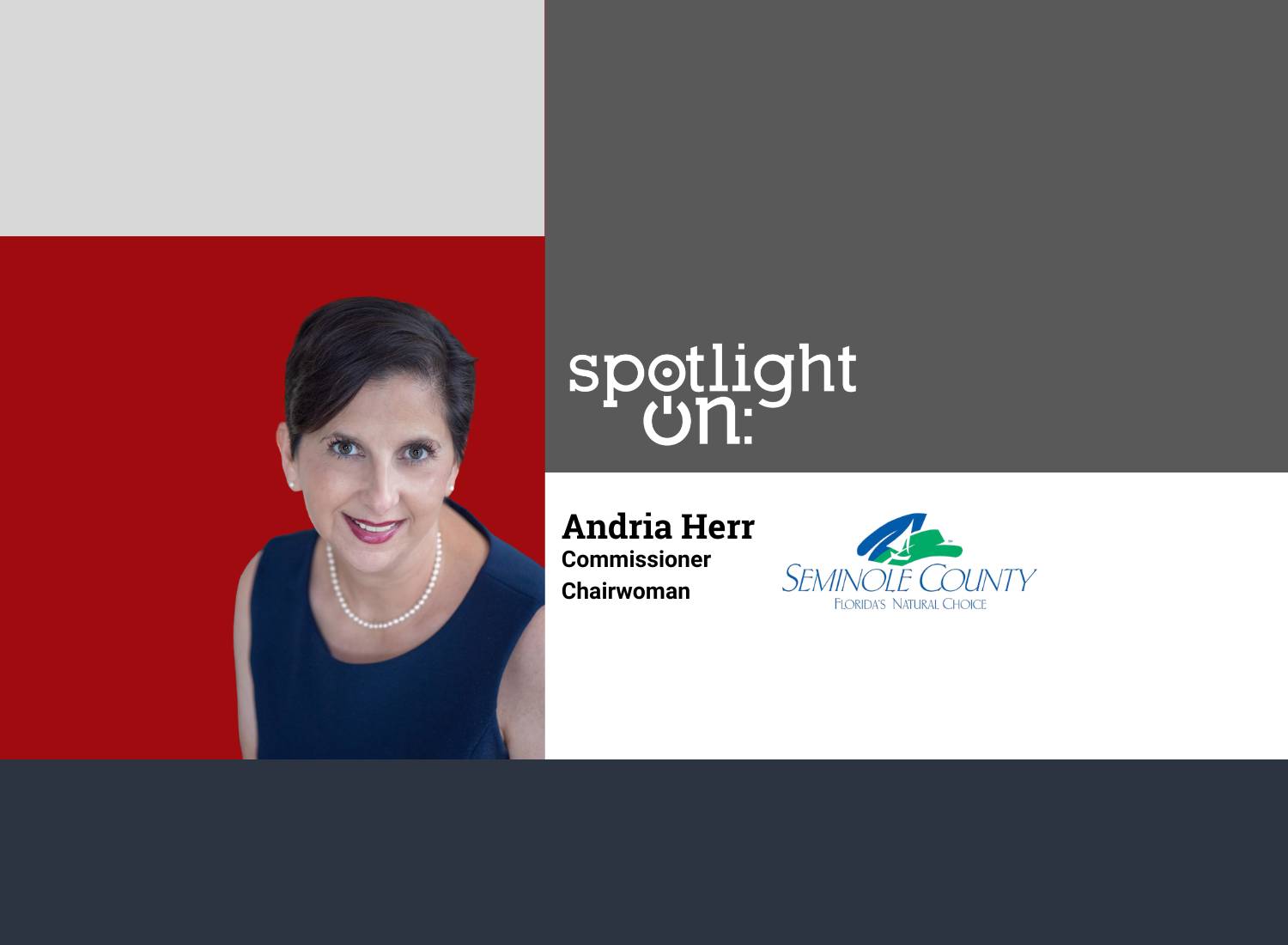




Josh Caputo, Founder & CEO, Humotech

Josh Caputo, Founder & CEO, HumotechIn an interview with Invest:, Josh Caputo, founder, president and CEO of Humotech, pointed to tariff challenges and slowed federal R&D as key pressures, prompting global expansion and diversified funding. “We’ve always maintained some diversity in funding sources, but this environment has pushed us to think more globally and seek out new customer types and revenue streams,” Caputo said.

What recent changes have had the biggest impact on Humotech?

Two key issues stand out for us: tariffs and supply chains, and federal funding for R&D.

On the supply side, it’s the usual small-business challenge: things suddenly become more expensive and we need to respond quickly to keep the business moving. It’s not an existential threat, but it does create an added layer of complexity. We’re agile enough to shift our manufacturing sources, but it’s extra work. Platforms like jiga have been helpful for us — they make it easier to compare sourcing options and timelines across countries. That’s made the impact of tariffs more manageable.

Federal funding has been a different kind of challenge. We haven’t seen direct funding cuts, but there’s been a noticeable slowdown in spending from institutions we work with — organizations like the University of Pittsburgh that rely heavily on federal dollars. So, even if a project isn’t canceled, the uncertainty causes delays in purchasing and decision-making. It’s had a ripple effect.

We’ve always maintained some diversity in funding sources, but this environment has pushed us to think more globally and seek out new customer types and revenue streams. It’s been a tough year, but one we’re navigating. Things are looking promising for 2026, at least based on what we’re hearing.

What recent milestones have helped Humotech gain momentum?

A few things stand out. First, we’ve started selling more internationally — into Canada and Europe — and we’ve formalized a relationship with a distributor, Bio-Connect, in The Netherlands. That has helped expand our footprint across Europe and exposed us to new healthcare models, which has been insightful. The way healthcare is structured in other countries is quite different from the United States, and that’s sparked some new ideas for how we can approach clinical adoption.

We’re also seeing increasing visibility of our work in the research community. We just celebrated our 10-year anniversary, and receiving the Goel Award for Translational Research in Biomechanics felt especially meaningful. It came from the American Society of Biomechanics, which is the same community I engaged with as a Ph.D. student at Carnegie Mellon University. It’s a recognition of the long, steady work we’ve done to build credibility and trust. That kind of milestone helps fuel the next decade.

How do industry conferences shape your partnerships?

These events are vital to innovation. When ASB 2025 was held in Pittsburgh, it was a great opportunity to bring people into our city — many for the first time. Pittsburgh isn’t typically a destination for these types of conferences, so hosting one here gave us a chance to show off the city, the facilities, and the community.

It was amazing to hear people say, “Wow, I didn’t realize Pittsburgh was this beautiful.” The reception on the rooftop of the convention center with views of downtown and the sunset — it made an impression. More of that would be great for the region. Personally, I try to show up, engage, and remind people what makes Pittsburgh special.

On the industry side, it’s an opportunity to deepen relationships with researchers, clinicians, and partners. We often end up in conversations that spark future collaborations, and being based here gives us a home-field advantage when people come to visit.

What barriers do you face in bringing lab innovations to clinical use?

It’s hard — everywhere, not just in Pittsburgh. But we do have some big advantages here: a world-class technical university in CMU, a world-class medical school at Pitt, and major health systems like UPMC and AHN. That’s a special combination.

The challenge is bridging those silos, encouraging cross-functional, cross-departmental, and cross-institutional collaboration. It’s not always easy to walk down the hall, let alone across town, and build meaningful partnerships. There’s also a lack of dedicated funding to support those kinds of collaborative efforts.

We’ve spent over a decade building relationships, especially with the U.S. Department of Defense and Veteran Affairs. Those partnerships have been essential to our success. They bring scale, stability, and resources, and we’ve been able to co-develop solutions that really matter.

It’s not a formula, it’s just hard work. It means sending another email after the last one didn’t get a reply, showing up again, building trust. It takes time. Healthcare innovation doesn’t move fast, so you need persistence.

What’s your pitch to investors and why should they be picking you as their safe bet?

Our main focus is helping people with lower-limb loss. We’ve developed a platform that enables rapid data collection and personalization of prosthetic devices.

Traditionally, prosthetic selection has relied on clinician intuition, but that approach is under increasing pressure from payors. There’s a push toward value-based healthcare, where outcomes and evidence drive decisions, not just professional opinion. Our technology supports that shift.

We’ve completed a federally funded clinical trial, tested our approach with hundreds of patients, and proven the platform’s safety, validity, and efficacy. Now we’re deploying in real-world clinical settings, focusing on cost-effectiveness, workflow improvements, and usability.

We’re refreshing the product to make it more lightweight and user-friendly, with plans for an initial commercial release next year and a full release the year after. We’re actively looking for investors and product development partners, particularly those with experience in medical device design, manufacturing, and scaling.

The global prosthetics and orthotics market is larger than people realize — around $15 billion, with 850,000 lower-limb amputations each year and 300,000 prosthetics delivered. There’s a big gap we can help close.

How is Humotech navigating workforce and talent needs?

We’re part of a wave of robotics, automation, and AI being applied to workforce shortages, especially in prosthetics, where skilled clinicians are stretched thin. There’s a generational shift happening, and younger clinicians expect to use data and technology in their practice. Our timing is good — we’re ready, and the market is calling for it.

Internally, we haven’t faced major hiring challenges yet. We’re small and fairly niche, so the people who want to work in this space often find us. Most of our team has come through professional networks or direct outreach.

We’ve used a lot of fractional talent — consultants, part-timers, 1099s — to get specialized skills without ballooning the full-time team. That’s been effective. Pittsburgh has a great community of those kinds of professionals.

Where we’ve at times felt strain is on the manufacturing side. Our production needs come in waves, so it’s not steady enough to support a full-time team of technicians. That’s made it tricky to scale. Shared prototyping spaces, like the Tech Forge from Innovation Works, have been hugely helpful. You can access equipment and expertise without carrying the overhead.

What support does Pittsburgh’s innovation ecosystem need most right now?

Founders here often have to travel to raise capital — go to New York, Boston, or the West Coast — then bring it back. That’s fine, but it’s costly and time-consuming.

What I’d love in Pittsburgh are more local investment institutions focused specifically on healthcare technology, especially translational-stage work, where research is being turned into clinical products. That’s where the gap is. Early-stage and late-stage funding are more accessible. The middle is tough.

I’m just one voice among many making this point. It’s a common challenge in our space. We need more targeted support at that critical stage between lab validation and market entry. That’s where a lot of promising tech gets stuck.

Chandan Sen, Director, McGowan Institute for Regenerative Medicine

Chandan Sen, Director, McGowan Institute for Regenerative Medicine In an interview with Invest:, Chandan Sen, director of the McGowan Institute for Regenerative Medicine, discussed translational science, workforce inclusion, and space biomedicine. “Scientific leadership can’t just focus on discovery and commercialization. It also must ensure that new opportunities are accessible to all,” said Sen.

What changes has the institute experienced over the past year?
One of the biggest changes over the past year was the establishment of a strong clinical research infrastructure, not only in Pittsburgh but throughout Pennsylvania, including rural areas, and extending into Maryland. We now collaborate with 20 hospitals across Pennsylvania, with a network of research staff wide enough to collect data across different socioeconomic strata, acknowledging that lifestyle has a major effect on health outcomes.

Another milestone is that McGowan now hosts the NIH’s national Diabetic Foot Consortium in Pennsylvania. I serve as national vice chair and incoming chair. Over the next five years, a key goal is to reduce diabetic amputations, which are rising sharply, not only causing suffering but significant economic burden through lost productivity and extended care. The consortium requires enrollment from rural and urban populations alike.

At the same time, in response to reductions in federal research funding, we have begun repositioning to partner with forprofit entities and to raise marketbased funding. Thanks to our dean, we launched Pitt.INC, designed to package promising projects into spinout companies, advance them to a point of market readiness, and attract investment. In effect, we are adapting to a changing “business of science.”

Recently, in collaboration with Carnegie Mellon and other local institutions, we have formed agile “strike teams” that cross institutional boundaries. Projects are chosen based on public impact, and team composition is fluid, drawing expertise wherever needed.

Which emerging breakthroughs in regenerative medicine excite you most, and how close are they to clinical use?
The FDA’s Regenerative Medicine Advanced Therapy (RMAT) designation has become a critical accelerator: there are now hundreds of RMATlabeled products in the pipeline, and many have reached the market. This pathway demonstrates how regenerative therapies can move through regulatory processes more efficiently.

However, not every promising scientific advance will translate immediately into a commercial product. Much of what appears remarkable in journals must go through rigorous derisking before it reaches clinical use. That said, several current market products, especially in cell and gene therapies, are impressive in their own right.

Tissue engineering is advancing rapidly, particularly with 3D bioprinting. A burgeoning area is in vivo tissue reprogramming: converting existing tissues, such as skin or fat, into the types of tissue that have lost function, for example, blood vessels or nerve cells. This approach bypasses the need for stem cells and lab manipulation. At McGowan, we pioneered in vivo reprogramming, turning abundant tissue into needed tissue directly in the living body. We have published results in creating blood vessels and nerve cells this way, and additional applications will be published soon. One of these is being spun out via Pitt.INC.

Historically, McGowan has had clinical impact through extracellular matrix–based products in wound care and cardiovascular devices initiated by our scientists. That tradition continues: our priority is impact, not merely academic publications.

Another major development is integrating artificial intelligence into regenerative medicine. We now partner locally, including with Carnegie Mellon and private firms, to develop AI systems that accelerate design, testing, and implementation of biomedical solutions.

As regenerative medicine advances, what role do you see for Pittsburgh and Pennsylvania in that future?
The state of Pennsylvania has committed to building around McGowan a robust healthcare and biotech economy. McGowan is not just an academic department; it is intended as a responsive engine for local health needs.

In the past, professors who wanted to commercialize would have to form companies individually and seek funding on their own. Now, with structures like Pitt.INC, faculty are guided toward market pathways with institutional investment support. Pittsburgh’s School of Medicine is backing this model, reducing the burden on individual investigators.

Moreover, UPMC Enterprise, which is the health system’s technology evaluation arm, has become a significant investor in technology development. So, there is a dual scaffold: Pitt.INC and UPMC Enterprise. These structures support principal investigators who may lack experience in commercialization.

While many efforts focus on biomedical devices and related interventions, this ecosystem can foster greater translational success. The infrastructure and commitment in Pennsylvania position Pittsburgh to play a major role in shaping the future of regenerative medicine.

Why is community-based care important in reaching underserved populations?
Community engagement is critical, especially when reaching underserved populations. I chair the national consortium’s community engagement section, and we’ve built a strong local program to match.

In our clinics, we serve about 20,000 unique patients each year. Yet the highest-risk individuals, often African Americans from lower socioeconomic backgrounds, were rarely attending. To address this, McGowan began holding events in Black churches, offering free foot screenings and health education.

Many in these communities have a deep-rooted mistrust of research due to historical abuses. We focus on relationship-building by inviting community members onto advisory committees and maintaining a consistent presence in their spaces. In the past six months, we’ve seen a significant increase in participation.

We’ve also launched creative outreach tools like the “Rock Your Socks, Check Those Knocks” campaign, distributing socks printed with foot care tips and QR codes linking to educational animations. People are using them, scanning the codes, and coming into the clinic. Some patients are uninsured, so we partnered with hospitals to provide free care when needed. Nurses and doctors visit churches and offer screenings with no insurance required. Sometimes flexibility is necessary to ensure care reaches those who need it most.

Community engagement wasn’t my original area of expertise. But I recognized a need, learned on the job, and asked for help. People stepped up. Governors, local leaders, Democrats, and Republicans alike have offered support. There’s no political divide here — only a shared commitment to serving people who have been left behind.

How is the institute building economic inclusion through workforce development in rural areas?
In rural Pennsylvania, we’ve focused on direct engagement. I recently held public meetings in counties like Forest County, among the most economically disadvantaged in the state. We met in schools, gathered local leaders and industry representatives, and received enthusiastic support.

That led to the development of the ARISE (Appalachian Regional Initiative for Stronger Economies) – BARMA (Biotechnology and Regenerative Medicine Advancement of Appalachian Economy. This federally funded program, backed by the governors of Pennsylvania and West Virginia, is designed to create biotech career pathways for high school graduates and two-year college students.

ARISE-BARMA is not a traditional academic route. It’s a skilling and apprenticeship model aimed at immediate employability. More than 50 companies and universities are participating, working together to deliver training and job placement throughout rural regions in both states.

This reflects a larger philosophy. The healthcare economy is growing rapidly, fueled by aging demographics and advancing technology. But without targeted inclusion, only the highly educated will benefit, leaving the rest behind. That gap is already contributing to social unrest.

As someone who came from a blue-collar background and immigrated to the U.S., I see the consequences of exclusion clearly. Scientific leadership can’t just focus on discovery and commercialization. It also must ensure that new opportunities are accessible to all, especially in communities that have historically been overlooked.

What are the institute’s top scientific and economic priorities over the next five to 10 years?
These priorities are deeply connected. Scientific innovation, in my view, is the engine of economic development. Repeating old models will not keep pace with global advances. Innovation is no longer concentrated in the West. Countries like China are investing and accelerating at scale. Technology has leveled the playing field, so the advantage now lies in ecosystems, not geography.

Pittsburgh has that ecosystem. With institutions like Carnegie Mellon, McGowan, and the University of Pittsburgh Medical Center, which is the largest academic health system in the country, we are in a strong position. We’ve chosen several key focus areas: extracellular matrix technologies, tissue engineering, and 3D bioprinting. These efforts are supported by existing intellectual property and a robust translational structure.

Tissue reprogramming is another priority. We are developing methods to transform common tissues, such as skin or fat, into needed tissues like blood vessels, nerve cells, or even insulin-producing tissue beneath the skin. One such innovation, now commercialized, can detect blood glucose and release insulin automatically, eliminating the need for injections.

Because disruptive innovation often moves slowly through regulatory pathways, we maintain a balanced portfolio. Some projects, such as collagen-based solutions, carry less risk and move quickly. Others, with greater long-term impact, require more time.

Perry Genova, Senior Vice President & Chief Technology Officer, Omnicell

Perry Genova, Senior Vice President & Chief Technology Officer, OmnicellPerry Genova, senior vice president and chief technology officer of Omnicell, sat down with Invest: to discuss how he has reorganized R&D to accelerate the Autonomous Pharmacy, an industry-defined vision to eliminate manual processes in medication management and allow clinicians to focus on top of license care. Using robotics, automation, intelligent software, and AI-driven workflows to close gaps in the medication management use process, reduce nurse and clinician burden, prevent diversion, cut costs, and improve patient safety. “Patient safety is paramount in everything I have done in my career. Here, we have an opportunity to enhance patient safety by minimizing medication errors,” Genova said.

Since taking on the role of CTO in 2025, what have been your immediate priorities to drive Omnicell’s vision to automate care? 

The first thing I focused on was organizing the vast R&D team around our most important product platforms. We are spread globally, with 550 people in R&D covering two newly defined main product platforms. Pittsburgh, in particular, is focused on our robotics and automation platform which involves the team in our St. Petersburg facility as well. In Pittsburgh, we produce several robotic products for medication management for central pharmacy and IV preparation. On the West Coast, we have our cabinets and peripherals R&D. Our core business has been medication management automated dispensing cabinets and systems, driven by intelligent software workflows. That work is primarily done in our Bay area facility while Pittsburgh is the center of excellence for robotics and automation. 

For those less familiar with the concept of the Autonomous Pharmacy, how would you explain what it is and why it matters for Omnicell’s strategy?

Patient safety is paramount in everything I have done in my career. Here, we have an opportunity to enhance patient safety by minimizing medication errors and supporting medical practitioners. Since our inception, Omnicell has been focused on ensuring that the right medication was delivered to the right patient at the right time. Our vast footprint and ecosystem is tailored specifically to doing just that – from the time medications arrive at the hospital or healthcare facility to the point that they are delivered to a patient, Omnicell is managing that transportation and delivery. From an Autonomous Pharmacy perspective, it is an aggregation of devices and software that essentially closes the loop in terms of medication management and delivery. It eases the cognitive workload of nurses and other practitioners so that we can support accurate medication delivery and, with automation, facilitate the movement of these medications throughout the healthcare environment. 

What are some of the most pressing issues within medication and supply management in the care industry?

Nurses are the frontline workers in healthcare and they are overly burdened, with lots to do and very little time to do it. In other words, their physical and cognitive bandwidths are limited and often at full capacity.  Automating some of the work for the nurse and the pharmacy by connecting those dots without actually having to physically or virtually communicate with one another is the foundation of the autonomous pharmacy vision. We are working to close the loop on medication management. We have significant investments in software and connected devices that facilitate the management and movement of medication throughout the healthcare environment. Our hardware and software automation solutions have a profound impact on easing the physical and cognitive burdens on nurses and pharmacy staff.

How can automation help pharmacies and hospitals with cutting costs, improving labor efficiency, and establishing new revenue streams? 

Medication is the largest investment and spend category for any healthcare system. The volume of medications that flow through a healthcare institution is staggering. I believe that it would not be possible to manage the complexity of medication delivery to patients accurately, precisely, and cost effectively without solutions like those provided by Omnicell. There are quite a few categories where Omnicell adds value to the healthcare community. First and foremost, when medications come into a healthcare facility, some of the larger health systems have a centralized pharmacy where they bring in medications. These medications are dispersed with our robotics solutions and delivered to each individual hospital or facility within that health system. From there, they are managed through our automated dispensing cabinets and software for delivering to the patient bedside. Other areas of automation include IV compounding, systems that produce IV doses for patients with robotics solutions. If you consider the volume of these medicines our healthcare system requires, you realize that automation is the best way to support this need. Our robotics solutions ultimately help to free up healthcare workers to deliver more value in other areas that support clinical and business outcomes. 

What ethical considerations come with pushing the boundaries of healthcare innovation?

Everyone should be mindful of ethics and safety when discussing innovation, particularly in the case of artificial intelligence solutions. Ai can be extremely powerful and enabling but must be safely harnessed to ensure our customers and patients experience benefits without risk. Omnicell is a well-managed company with high levels of governance around our innovation initiatives. Governance, oversight, and numerous checks and balances are part of our culture because we are forever mindful of ensuring patient safety. This is central to our mission. 

What emerging breakthroughs in pharmacy and nursing care are you most excited about, and how close are we to seeing them in clinical use?

The emergence of new technologies for disease therapies is ongoing. The ability to track individual medications is something that I am keenly interested in. A significant amount of money is wasted on medicines that have expired or are diverted in a healthcare institution. It is not only important to ensure medications are accessible, but to track their usage to better plan and optimize purchasing as well. Being able to track on an individual dose basis is very important. 

I recently visited a hospital that had a series of locked, limited access cabinets containing  $40 million worth of medicine. Being able to track individual doses in that cabinet, ensuring that they are used before they expire, and that they don’t leave the building to be sold on a street corner is extremely important to healthcare systems. Diversion is an important area that we are working on solutions for leveraging a number of tools including AI.  Omnicell is out in front in terms of leveraging these technologies to empower institutions with critical insight to medication usage analytics. I am excited to be leading these efforts and they will have a large financial impact on healthcare overall.  

Looking five to 10 years ahead, what impact do you hope Omnicell will have had, scientifically, socially, and economically?

Goal No. 1 is to continue to deliver medications with 100% perfection, meaning no errors. Even the best technology can be unintentionally misused. People are often simply in a hurry trying to get through their day efficiently and can make mistakes. From my standpoint, I like to listen to those stories and propose enabling solutions that don’t get in a clinician’s way, but, instead, enable them to refocus on higher value tasks.

Omnicell will continue its leadership position and our market share will grow because of the innovation and passion we have for doing things the right way. However, none of this matters if the healthcare systems don’t thrive and serve the needs of their workers and patients. We will continue to fine-tune the technologies that we roll out and deliver financial value to our customers. AI and moving to the cloud are two key areas that will provide significant efficiencies back to our customers. 

Five years from now, we want a perfect record of medication management. The vision of an autonomous pharmacy is to liberate and support our burdened healthcare workers to do what they do well, while saving money and enhancing operational efficiency – this is our guiding light.

Stephen Wolfe, President & CEO, Indiana Regional Medical Center

Stephen Wolfe, President & CEO, Indiana Regional Medical CenterIn an interview with Invest:, Stephen Wolfe, president and CEO of Indiana Regional Medical Center, discussed the new behavioral health facility alongside the residency initiatives built to support workforce development in the region. “We are also looking at establishing some other residency programs, and we have filed for a HRSA grant to potentially start a psychiatry residency program,” Wolfe added. 

What has been the most significant change at Indiana Regional Medical Center?

We have added another hospital to the network, which is ACMH Hospital in Kittanning, Pennsylvania. Together with Punxsutawney Area Hospital in Punxsutawney, Pennsylvania, we are now part of a one-board three-hospital group named Pennsylvania Mountains Care Network. 

How has the new behavioral health facility impacted patient care in Indiana County?

IRMC Mountains Behavioral Health, a state-of-the-art 44-bed inpatient facility, was opened the day after Memorial Day, and we are seeing a good census. We have always had a geriatric behavioral health unit, but not for adults and adolescents. It was the No. 1 transfer out of the community. Now we have added those and relocated the geriatric unit into the new building. This project was made possible by $24 million raised through a combination of reinvestment funds, grants, and fundraising efforts. We are proud to offer this service to the local community and the surrounding region. 

How does behavioral health expansion ease emergency department boarding?

A lot of times, patients can’t find a bed from the emergency room, and they can be stuck there for prolonged periods of time, which certainly isn’t helpful for moving patients ahead. With the open beds, patients could be placed quickly, and it would be a dramatically different experience than before. The facility is up and running, and I believe, making a difference in the lives of the patients we have treated.

How has the comprehensive cancer center transformed oncology access for residents in both Indiana County and the greater Pittsburgh area?

We’re able to provide a brand new linear accelerator for radiation oncology, and expand the hematology oncology, including on the chemotherapy side. That was approximately a $12 million project, wrapped up a couple years ago, allowing us to see more patients. Punxsutawney Area Hospital, in collaboration with Indiana Regional Medical Center and University of Pittsburgh Medical Center, has established a hematology oncology center, which has been growing very well. Cancer is a devastating diagnosis, and usually, becomes a long journey of treatments. At the end of the day, as much care as you can get locally is good for the patient and the family. We’re really proud to be partnering with UPMC Hillman Cancer Center, and having access to their clinical trial protocols here. 

How has the expansion into robotic-assisted surgery impacted patients’ outcomes?

As a community hospital, we have to stay cutting edge with technology. We now have two da Vinci Xi robots, and a Mako robot, which is orthopedic in nature. The robotic systems continue to grow, and the precision makes a dramatic impact on length of stay. More precise incisions speed up the healing process. Almost two years ago, we broke over 2,000 cases with da Vinci, and it has been several hundred cases with Mako, which continues to assist with positive patient outcomes. 

How have you solved recent challenges in the healthcare landscape?

Coming out of the pandemic, all hospitals had struggled with financial viability. It took a while for volume to get back to historic levels. With the great retirement, there were a lot of shortages. We had to hire agency staff, which can be pretty expensive. It’s been a challenge for everybody trying to work through that. With the three hospitals, we’ve had increased opportunities to find synergies, and reduce expenses. There have also been a lot of growth opportunities in the market. That said, the two strategies having the most impact on helping us financially would be having shared specialists between hospitals and expanding geographic locations for practices. 

How does IRMC strengthen workforce development in the region?

We have started a family medicine residency program. Essentially, 50% of residents training in a rural area will stay in the area, so our program is locally based workforce development. It is very difficult to recruit for family practice and internal medicine, so to be able to have people train here, and potentially stay here, has been a big effort. 

Another challenging area is medical laboratory scientistsWe started a one-year program in collaboration with Indiana University of Pennsylvania. The students have to attend the three-year program at the university, before attending the one-year clinical program at our hospital. Prior to starting this program, the students had to travel a great distance for their clinical year. Now, we have graduated four technicians, and they have all joined our hospitals. The nurse residency program is also an important initiative. Typically, we have 15 registered nurses in a rotation, and those who join the residency program are in the direct pipeline to hiring. High school students can come to the hospital and follow a doctor a day, for a two-week program where they will be exposed to around 10 different specialties. College students can participate in an eight-week summer program, spending one week with each specialist. These programs serve as opportunities for students to find their passion and determine which pathway in the healthcare field is right for them.

What are the key priorities for the medical center in the next few years?

Ensuring access to high-quality, local care while maintaining our independence remains at the heart of our mission. Our vision is to become a $1 billion community health system, so we continue to grow and evolve, from our academic programs to our medical center. This vision started with the family medicine residency, then the medical laboratory science program and the nurse residency program. We are also looking at establishing some other residency programs in the future, and we have filed for an HRSA grant to potentially start a psychiatry residency program. With workforce shortage in behavioral health, we are hoping to have some residents come through psychiatry, and hopefully we would be able to retain some of those residents.

Rodney Reider, CEO, Conemaugh Memorial Medical Center

Rodney Reider, CEO, Conemaugh Memorial Medical CenterIn an interview with Invest:, Rodney Reider, CEO of Conemaugh Memorial Medical Center, said that investing in people, culture, and infrastructure has been critical to strengthening the hospital’s position as a community healthcare leader. “Over the past year, we’ve seen positive outcomes, not just rebuilding, but ensuring we attract staff appropriate for our level of care as a Level 1 Trauma Center,” Reider said.

What changes over the past year have most impacted Memorial Medical Center, and in what ways?

The key for us has been a rebuilding phase. As the administration and leadership, our priority was to support the growth needed for the market. Many patients weren’t fully familiar with the range of services we offered, so we also aimed to expand those services. A critical part of this was hiring the right people. Over the past year, we’ve seen positive outcomes, not just rebuilding, but ensuring we attract staff appropriate for our level of care as a Level 1 Trauma Center. We’ve made great strides in recruitment and, most importantly, retention. I’m especially proud of our leadership team for reducing the nursing turnover rate from around 46% before I arrived to approximately 4% today. 

How do you maintain your workforce?

Everyone dealt with the challenges of COVID-19, and we saw many nurses choosing travel nursing opportunities. We asked ourselves: how do we ensure people want to stay in our community? It’s not just about buildings — it’s about connection. We wanted to reinforce that this hospital is part of the community, where staff and patients share relationships beyond these walls: Our children go to school together, and we see each other around town. That sense of belonging matters.

In the past year, we hired 93 new providers and another 40 nurses, and significantly reduced turnover. We’ve also added almost 160 beds, ensuring that patients no longer wait as long in the ER and can receive care immediately. We’re focused on being proactive and thinking ahead about recruitment, care capacity, and patient needs.

Healthcare is the highest calling. You meet people at their most vulnerable — mentally, physically, and spiritually. We’ve worked to build a culture where people join us because they share that philosophy. This has allowed us not only to provide great care, but also to witness incredible things, even miracles.

We’ve made similar progress with physician recruitment and retention. As an academic center with six residencies, we’ve filled all our slots every year. The residency programs add dynamism, keeping experienced physicians engaged and at their best while mentoring new doctors. It’s a virtuous cycle that elevates our entire team.

How are technology and infrastructure investments preparing you for emerging trends in telehealth, population health, and value-based care?

I’ve been fortunate to come in during a period of major investment. We recently completed a $77 million building project, which included state-of-the-art equipment and infrastructure upgrades, positioning us well for the next five to 10 years. In total, around $400 million has been invested in the hospital and this market, allowing us to stay at the forefront of care delivery.

This includes new anesthesia machines, advanced imaging technology, and IT systems that enhance our ability to meet patients’ needs efficiently. We’ve opened a new Cancer Center and Cardiovascular Center, and continue to upgrade the emergency department (ED) and physician office buildings. All of these positions enable us to deliver excellent care and adapt to ongoing changes in telehealth and value-based care models.

What clinical or operational changes led to receiving the Excellence in Patient Safety Award?

We always aim to replicate and share best practices. It was a pleasant surprise to receive that award, especially while integrating new staff and rapidly enhancing our focus on quality and safety. We’re looking to spread these improvements throughout our system and also benefit from being part of a national network, sharing and adopting innovations across locations.

For example, we’ve dramatically reduced ER wait times. Patients are now seen on average within 11–14 minutes, which is critical for outcomes. We’re also using predictive analytics to manage patient flow and have even invested in ambulances to ensure efficient transfers. All of these efforts contribute to the highest quality care while enhancing the patient experience through clear communication and trust-building.

How important is this educational mission to your overall strategy, and how does it help address workforce shortages?

Part of our responsibility is to invest in the future by supporting and educating the next generation of healthcare professionals. We have an aspiring leaders program I’ve implemented at every hospital I’ve led. It identifies promising employees and provides them with a year-long development journey, including mentorship from executives, board meeting participation, and key projects.

Additionally, bedside shift reports are a cultural shift we’ve implemented, improving communication and patient involvement while reducing errors during handoffs. All of this reinforces that everyone in our organization is a leader whenever they interact with patients.

We offer six residency programs, an academic School of Nursing, and allied health programs supporting the development of surgical techs, radiologic technologists, and other essential roles. We also maintain a strong partnership with Bishop McCort High School through the HEAL program, introducing younger students to healthcare careers early. 

Could you tell us about the school and how you’ve managed to keep it open?

Many hospitals used to have schools and no longer do, but we still operate one, and it produces many of our colleagues. Students train with us during their education, so we know them, they know us, and they seamlessly transition into our workforce. This minimizes open positions and enhances quality and accountability.

Similarly, our residency programs have helped us avoid shortages in specialties like family medicine and internal medicine. Residents see firsthand that this is a great place to work and often stay on after their training.

How do you envision expanding programs like HEAL?

The HEAL program allows us to introduce healthcare careers to students early, right across the street. They get exposed to different specialties, meet staff, gain experience, and develop familiarity with hospital operations, even including the cafeteria which they love!

We haven’t yet added staff to expand this program, but my vision is to extend it to more schools in the area. It builds familiarity and ownership — students begin to see the hospital as their hospital and as a vital community asset.

What are your top priorities for the next two to three years?

Our No. 1 priority is maintaining the highest level of care, with a continuous focus on quality metrics and patient-centered infrastructure. We want the community to view us as their primary destination for care. As a Level 1 Trauma Center, we offer around-the-clock access to any specialist needed.

We’re also focusing on succession planning. Some of our excellent physicians are nearing retirement, and we need to recruit and prepare the next generation to ensure seamless transitions.

Growth remains essential. We want to ensure patients don’t have to leave our market for care. We’re always investing in new technologies, improving communication with patients (especially those less familiar with technology), and filling any gaps in care or services.

Finally, supporting our team’s professional growth is critical. We offer scholarships for those advancing from LPN to RN, or from lab tech to lab manager. My role is to be a realistic optimist, supporting our team so they can provide the best possible care for the communities we serve.

Karyn Wallace, President & CEO, WVU Medicine Uniontown Hospital

Karyn Wallace, President & CEO, WVU Medicine Uniontown HospitalHealthcare remains a pillar of every great community. Despite its challenges, the industry continues to reinvent itself in the post-pandemic world while supporting the communities it serves. In an interview with Invest:, Karyn Wallace, president and CEO of WVU Medicine Uniontown Hospital, highlights the current state of the healthcare sector in the region, the expansion of specialty services, and impact of technology in the industry. 

What is the current outlook for the healthcare sector across Southwestern Pennsylvania?

Uniontown Hospital is one of 25 hospitals in our health system and the only one in Pennsylvania. We have a very unique perspective as it relates to WVU Medicine and WVU Health System. Among our current strategic priorities are the expansion of our specialty services, technology advancements, and quality initiatives. We have made great strides in that regard over the past few years. Our goal is to continue this work and move in the right direction. We enhance our specialties with the recruitment of talented physicians that are able to bring new technologies and services to the area. Our greatest focus is to increase our surgical footprint and volume with a focus on technology. We recently started robotic surgeries, which are a significant advancement for our operations. Uniontown Hospital can take care of almost any patient, meaning there are minimal advanced conditions where patients would need to go elsewhere to get the care they need. However, our goal is to be able to assist them here. As such, we opened our labor and delivery unit this January. My role is to make sure that we continue to grow that service and offer great medical services to our community. We want our patients to stay and receive medical services and treatment in their home community. This is the greatest part of our mission. The strategy behind this boils down to the excellent surgeons and physicians that have expertise and specialization.

How is the hospital evaluating its expansion of specialty medical services?

We are in a great geographical position in Uniontown, where we are about 25 to 35 minutes from our hub at Ruby Memorial Hospital in Morgantown. We care for patients in our community so Ruby can focus on more advanced cases, while still giving our patients access to specialized services not offered in Uniontown, such as stroke intervention. Our stroke program allows Morgantown physicians to work with our team to decide if a patient needs advanced care or can remain in Uniontown. If we keep the patient, we can leverage support from stroke physicians in Morgantown. We have access to other factors that help us reduce costs, such as our internal procurement team. We buy imaging and other equipment strategically to keep costs low — an important part of managing the hospital. As a leadership team, our hospitals work collaboratively by figuring out how to help each other. As a health system, our goal is to make sure that the right patient is at the right facility. That means having solid systems that enable us to transfer patients and work together.

How do you go about recruiting and attracting top healthcare talent in today’s landscape?

We are keen on developing our own training programs where we have processes for training nurses, medical technologists, therapists, and those related skill sets. We aim to provide direct training or support their access to education elsewhere. We can also offer training and experiences in our hospital, and then we are able to sign them up and keep them as part of our team. Training our own people and making sure that we are investing in the education of nurses and other key clinical positions is part of what makes the hospital run every day. We have relied on agency staffing, especially since the pandemic, and still do to some degree. That support allows us to keep our services up and running. However, our goal is to train and keep them on as employees. We want to make sure our people are set up for success, so our hospital is a place where people want to stay. 

How is the hospital leveraging technology solutions?

Telehealth is a great example. We have grown that platform across WVU Medicine as a whole. We can see patients from different parts of our region and provide services remotely to take care of patients. This is helpful as we leverage expertise from our nearby hospitals when we need additional support. Technology fosters better communication between providers and patients. Our MyChart platform allows patients to view results, communicate with providers, and access care more easily. This really helps to expedite processes. Online scheduling is another convenient feature through the platform. We have been keen on advancing those types of developments. 

What investments or partnerships have been directed at addressing mental and behavioral health?

We recently partnered with Chestnut Ridge Counseling where the primary care practices here are incorporating those services into their clinics. When patients come in for primary care services, counseling services or therapy are available resources to them. We are embedding some behavioral health support services into our general medicine clinic as well. 

As a system, we are looking at establishing a bed board that monitors behavioral health bed availability. We have dedicated team members who are experienced in behavioral health that are able to connect with patients when there may not be a psychiatrist on staff. The bed board helps us check availability and see where they best fit based on needs and facility offerings.

What are your priorities moving forward?

We plan to continue to focus on our quality metrics and exceed them. We want to continue to make the hospital a place where people want to work. Physician recruitment is a key goal which is tied to expanding not only our services but our footprint as well. As we expand services, we want to grow and help more patients across the region. Expanding ambulatory settings and diagnostic services are key parts of our goals and strategy.

Rachel Petrucelli, President, UPMC Children’s Hospital Foundation

Rachel Petrucelli, President, UPMC Children's Hospital FoundationIn the Pittsburgh region, UPMC Children’s Hospital is hard at work looking after the children in the community and those travelling here from around the world for expert care, while also focusing on research and other ways to support families. In an interview with Invest:, UPMC Children’s Hospital Foundation President Rachel Petrucelli highlighted the role philanthropy has in meeting funding gaps and the importance of working with the local community to better serve the children that need medical care. 

What key changes have most impacted your operations in the past year?

We are extremely excited about the launch of our comprehensive fundraising campaign This Moment: Put a Child’s Future First, focused on transforming pediatric health care across four pillars: clinical excellence, research, patient experience, and community health. It is the most ambitious campaign in UPMC Children’s Hospital’s history with a goal of $200 million. It has been a pleasure working with the community and having them be part of this campaign so we can invest in the future of children’s health and the future of our society, not only affecting the Pittsburgh region but affecting healthcare for children globally. With just under six months to go, our focus is to bring this campaign over the finish line. I feel very fortunate to lead a phenomenal organization of professionals that are focused on supporting the mission of a world class children’s hospital. 

We are the only children’s hospital in Western Pennsylvania. We have a longstanding tradition of meeting the care of children in this region for more than 140 years. Our responsibility and extension of care is across the whole footprint and covering parts of Maryland and parts of New York. We are able to provide a margin of excellence, while enabling innovation and accelerating advancements in research. We complement medical care through supporting programs and services that cover the whole child and family, all while breaking down the barriers that families face in accessing care. 

What key trends are you following closely in relation to pediatric healthcare and philanthropy?

A primary area is funding for research. Funding for research has primarily relied on government funding by way of the National Institutes of Health. Securing this funding has always been competitive and uncertain. Approximately 12% of pediatric research is funded by the government, while children make up approximately 22% of the population and are 100% of our future. Philanthropy is critical to help ensure that good ideas do not sit on the shelf. Philanthropy is essential as a complement to other sources of grants for research and this is becoming more pronounced than ever. 

The rising need for behavioral health services is an area of focus for many children’s hospitals across the nation, UPMC Children’s included. Compared to reimbursements for physical health, mental health reimbursement rates provide a fraction of the real cost of care. Philanthropy is able to help address gaps in the continuum of care and complement the services that already exist. Ideally, we want to be able to support children before they develop very significant issues, and we want to be able to help them through any crisis they may encounter. A lot of times mental health issues are triggered in combination with other medical conditions. Chronic or life-threatening diseases turn up a host of mental health issues. To address that we have been focused on embedding behavioral health services in our clinics so that families can access that care easily and conveniently, while helping reduce stigma. This is one example of how we draw on philanthropic dollars to cover the gaps so we are able to offer the kind of care that children need, when they need it and where they need it. 

What key partnerships with the community help drive the foundation’s mission forward?

Our foundation has benefited from a rich history of strong community support from individuals, corporations, and foundations throughout and beyond Pittsburgh. This deep engagement indicates that people — whether they have directly utilized the services of UPMC Children’s or not — are aware of and grateful for the expert pediatric health care available right here in Pittsburgh. We engage with community partners in a variety of ways. We know that their interests are not one-size-fits-all, and we want to understand how our mission resonates. In the case of business partnerships, we seek to understand the interests of their employee base, their customers and their corporate values. We are blessed by being such a beloved and treasured asset in our community so that we can appeal to a variety of organizations who are philanthropically minded and want to figure out how to make a difference. For example, we partner with businesses that have had a long-standing tradition of supporting our Free Care Fund. Our doors are open to all children, regardless of the family’s ability to pay, and the Free Care Fund has been a mechanism in place for more than 70 years that allows us to fulfill that promise.

What is a recent success for your organization and what impact does it have?

Construction is currently underway for our hospital’s brand new Heart Institute, a vision that was made possible with the help of our generous donor community. This state-of-the-art facility will open to children and families in 2026, and it will match the expertise for which our team is renowned. The 50,000-square-foot, three-story building on our hospital’s main campus in Lawrenceville is designed with children and families in mind. The new Heart Institute will advance patient care by unifying all of the services that heart patients could need under one roof; offering inviting spaces filled with light and warmth; and equipping our heart team with innovative spaces and technologies to enhance care delivery. For example, the new Outpatient Ambulatory Clinic will allow our providers to see more patients than ever before. Additionally, a Cardiac Rehab Unit and Exercise Lab will empower our team to help children with their physical recovery, build confidence in their abilities, and promote the active lifestyle that will yield optimal outcomes. The new Heart Institute will also feature reduced-radiation heart catheterization labs and an MRI suite for both inpatient and outpatient procedures, offering a combination of catheterization and imaging technology that is available at only a few hospitals in the country. Since the project was initially planned, our patient volume has increased by 25%, and the vision for the Heart Institute has actually expanded to meet that growing demand. We have made incredible progress toward our ambitious fundraising goal thanks to our donors. So many generous individuals and businesses in our community recognize the life-changing impact this facility will have on kids and families, and their support is making it happen. The Foundation is honored to be able to rally our community together in support of the new Heart Institute.

What are your priorities and goals for the near future?

Our current campaign aims to achieve several goals, including the construction of a new Heart Institute set to open next spring, continued investment in research, expansion of behavioral health services, and support for community health initiatives. While these are our immediate priorities, our work extends beyond the completion of this campaign. We are actively collaborating with the hospital to identify future priorities. Philanthropy can play a crucial role in helping the hospital address its evolving needs. As we look to the future, research will remain a key focus, as we must continue advocating for the necessary resources to invest in innovations and cures. Behavioral health is another critical area where we’ve identified opportunities to bridge gaps in the continuum of care and enhance existing services. We are committed to partnering with the hospital to invest in these vital projects, ensuring we are there for every child and family, whenever they need us.

Eric Boughner, Chairman of BNY Pennsylvania and Midwest Regional President of BNY Wealth

Eric Boughner, Chairman of BNY Pennsylvania and Midwest Regional President of BNY WealthIn an interview with Invest:, Eric Boughner, chairman of BNY Pennsylvania and Midwest Regional President of BNY Wealth, shared the importance of the Pittsburgh market to the firm’s global footprint. “While we’re proud of the long-standing relationships we have locally, our Pittsburgh team plays a central role in delivering for clients globally,” said Boughner, while highlighting the bank’s embrace of AI, with nearly 100% employee certification on its internal platform, and a strong commitment to financial literacy and workforce development. 

What changes over the past year have impacted BNY in Pittsburgh?

Our company continues to grow, both in overall focus and in the impact we have globally. At BNY, we do three main things: we manage money, we move it around the world, and we keep it safe – and we do this at a tremendous scale.  In many cases we are the world’s largest provider. We oversee $55.8 trillion in assets under custody and process over $3 trillion in payments each day. Over 90% of Fortune 100 companies and the top 100 banks globally are our existing clients in some.

What’s most important is that much of this activity is centered in Pittsburgh. This city is one of our two strategic global locations in the United States, and it continues to be a hub for how we serve clients around the world. Our people here support clients in over 100 countries and collaborate daily with colleagues in 37 different nations. So, while we’re proud of the long-standing relationships we have locally, our Pittsburgh team plays a central role in delivering for clients globally.

We’ve also continued transforming how we operate. BNY is a capital markets platform business at its core, and we’re working toward a platform model across everything we do. That means organizing cross functional teams, investing in strong and resilient systems, and using those platforms to serve clients across all markets more efficiently and effectively.

How do local initiatives in education and financial literacy connect to the firm’s broader strategy?

We’ve always believed that strong communities create strong companies, and strong companies, in turn, support and build strong communities. That philosophy is part of our heritage, going back more than 240 years.

Just recently, we announced a renewed focus on improving financial education and access. We’re approaching this in three ways. First, we’re working with large financial institutions — the ones we’ve long supported — to continue helping them succeed. Second, we’re engaging more directly with smaller, grassroots financial organizations, including community banks. We published a Voice of Community Banks study and found that these institutions often need help in areas like cybersecurity, corporate finance, and emerging technologies. We’re launching specialized training programs that share our expertise in those fields.

Lastly, we’re also supporting nonprofits with a $10 million commitment to amplify financial literacy efforts nationwide. It’s all about using our scale and resources to help strengthen the financial system at every level.

What major trends are shaping financial services today, and what challenges come with them?

A lot of what we’re doing begins with our own employees. We want to make sure everyone has access to the right tools and education when it comes to financial knowledge. A couple of years ago, we made nearly every employee at BNY a shareholder by granting them equity in the company. That served two purposes. First, it encourages a sense of ownership and accountability, which aligns with how we want people to think and act. Second, for many employees, it was their first experience owning a security. That opened the door for them to learn more about savings accounts, brokerage accounts, IRAs, and broader financial planning.

On top of that, we just announced a $10 million contribution to U.S.-based nonprofits that focus on financial literacy and well-being. These partners are already doing great work, and our goal is to help them expand their reach and amplify their impact in the communities we serve.

How is BNY addressing workforce development in Pittsburgh?

Pittsburgh is one of our six global strategic locations, and one of the main reasons we chose it is the access to a highly educated, well-trained workforce. We already have a strong presence, a great brand, and a long-standing client base here, but we’re also focused on building for the future. 

The city doesn’t always get recognized as a college town, but it really is. We have institutions like Carnegie Mellon, the University of Pittsburgh, Penn State, Chatham, Robert Morris, and many others, all graduating thousands of smart, capable students every year. Many of them are within walking or public transit distance of our offices. We want those students to start and grow their careers here.

Over the past two summers, we’ve welcomed close to 300 interns each year. Many return for full-time roles. In August, we brought on nearly 200 full-time hires from college programs. They’re already bringing energy and ideas, and they’re making an impact.

How is BNY contributing to Pittsburgh’s long-term competitiveness?

Pittsburgh, and southwestern Pennsylvania more broadly, has nearly everything needed to drive long-term economic growth. We have energy resources, innovation coming out of top universities, a strong talent pipeline, and key infrastructure.

Earlier this year, Carnegie Mellon and Senator McCormick’s office hosted an energy and innovation summit that highlighted just how much investment is coming into this region. We have abundant fresh water, a skilled workforce with strong roots in manufacturing and trades, and a growing innovation economy.

When you combine all of that, Pittsburgh is well-positioned to compete — not just regionally, but globally.

What impact has artificial intelligence had on your operations?

AI is one of the biggest changes we’re seeing, and we’re embracing it across the company. Nearly 100% of our employees are now certified to use Eliza, our internal AI platform named after Alexander Hamilton’s wife. We’re already using AI in production. For example, we have digital employees — automated agents that log into systems, have ID numbers, and work under managers — to take on repetitive, time-consuming tasks.

This frees up our people to focus on higher-value work like client service, innovation, and product development. We’ve established an AI hub here in Pittsburgh and are forming partnerships with local universities and organizations to expand our capabilities further. It’s a major part of how we plan to grow — and Pittsburgh is at the center of that effort.

What are BNY’s top priorities for the next two to three years?

Our priorities are straightforward. First, we want to be more for our clients. That means delivering all our capabilities across the entire organization in a cohesive, strategic way. We’ve just launched a new commercial model designed to do exactly that — bringing everything we offer directly to the client in a more streamlined and impactful manner.

Second, we’re focused on how we can run our company better for our clients. We’re using data, analytics, and the same advanced tools that the world’s largest companies are using to operate more effectively. We want to apply that to how we run our own business.

And third, it’s about our people. We’re committed to hiring, growing, and supporting talent. We want to cultivate a culture where people feel empowered to improve how we work and how we serve clients. If we can do all three of those things well — serve clients better, run the business better, and power a great culture — then we’ll be well-positioned for the future.

How does BNY balance its deep legacy with the need for continuous innovation?

To be around for centuries, a company needs two essential qualities. First, resilience. Our clients trust us to deliver on time and in full so they can operate without disruption. That reliability is fundamental to everything we do.

Second, innovation. The way we serve clients today is very different from five years ago, and dramatically different from 200 plus years ago. Business needs evolve, technologies change, and expectations shift. To remain relevant, we must keep finding new ways to improve, to grow, and to lead.

We’re proud of our history, going back to the 1700s, but we’re just as focused on where we’re going. That means continuing to evolve, especially here in Pittsburgh, where we’re building for the future while honoring the legacy that brought us here.

T.J. Bogdewic, President & CEO, Bridgeway Capital

T.J. Bogdewic, President & CEO, Bridgeway CapitalAccess to capital remains crucial for people and businesses to move their missions forward. Creative solutions are key to meeting funding gaps in the face of economic headwinds, noted Bridgeway Capital President and CEO TJ Bogdewic. In an interview with Invest:, Bogdewic also highlighted efforts to help nonprofits and major trends impacting business in today’s economic landscape. “We need to invest in people, and in the businesses and resources that matter most to people,” Bogdewic added. 

What major changes in the past year have most impacted your operations?

2025 marked Bridgeway Capital’s 35th anniversary and the conclusion of a five-year strategic plan. We also just launched a three-year strategic plan, so we’ve been giving a lot of thought to how we would like to evolve in the next three years. The groundwork for that evolution was put in place over this past year. Our previous five-year plan was a tremendous success. We easily exceeded our goal to lend $100 million into targeted investment communities across our region. Internally, we’ve also made strategic operational changes, including implementing new data analysis and IT enhancements to accomplish enhanced security and begin leveraging emerging technologies, such as AI. This will help us stay better informed and to become more efficient and productive and more responsive to our customers. 

All of this has translated into a strong year for us despite ongoing high interest rates, which are increasingly difficult for the lending world. We find that when those things happen, the type of patient and flexible capital that Bridgeway offers as an alternative to traditional financial institutions is more in demand than it is in other periods. We are able to fill the gaps in the traditional financial markets to help keep growth in our region moving ahead.  

What demand signals spurred the launch of investment services targeted toward nonprofits? 

Our Nonprofit Rainy Day Loan was one recent product that was prompted by experience. Bridgeway Capital has been a lender to nonprofits for decades. Because of that, we noticed unexpected facility maintenance can be a persistent challenge. They buy a building, renovate it, they think they are in their forever home — and the elevator breaks, for example. 

Nonprofit funding presents a challenge for this type of situation. For them, capital expenditures, like renovating or purchasing a building, tend to be unrelated to ongoing revenue from programs and grants. Usually, it requires a multiyear capital campaign to secure enough funds to invest in their own building, and it can be challenging to fundraise just to cover an emergency repair. With the Rainy Day Loan, we help them bridge this funding gap. When the roof springs a leak, instead of a cash crunch, they have access to emergency capital to cover the repairs. 

This is where patient capital comes into play. Thanks to philanthropic support, we can offer nonprofits a solution with zero percent financing that exists explicitly for these types of situations. Instead of trying to figure out what they are going to cut, they have a backstop; it enables them to preserve liquidity. They have time to repay the loans and can avoid the stress caused by an immediate need. Instead, the nonprofits can focus on providing their essential services. It benefits the region. It is good for them, and it helps us fulfill our mission, too. 

What changes in trends locally or nationally are you watching closely?

One factor we are monitoring is the increased cost of borrowing. Persistently high interest rates affect consumers and businesses alike. When the federal fund rates were close to zero, qualified borrowers could get mortgages under 3%. When that changed, it was a shock to the system; we had not seen interest rates spike since the Great Recession. 

People were trying to make sense of how this change would affect their costs; it was as if they forgot that rates could rise. It took time for them to adapt, but I think they have now accepted the high-rate environment. The current rates have made borrowing from traditional financial institutions different than before. Our financing solutions help fill gaps that might exist in capital stacks for larger scale projects. For us, we transformed a challenge into an opportunity. 

Another factor that may be hurting small business is the uncertainty around supply chain and costs of goods. The costs of imports are increasing and remain in a state of flux. Dealing with uncertainty is always a challenge for small businesses. Overall, we are optimistic. We are strong believers in the adaptability of business leaders and other professionals with whom we work to make it through uncertain times. To support their growth paths for the future, we’ve adapted too by launching new programs designed to help our clients navigate change. 

What does attracting and retaining talent in today’s economic landscape entail?

Bridgeway is a social impact lender that provides financing and programmatic support to grow businesses and revitalize places. Because we are a mission-driven organization, that can be a real asset when attracting talent. Our work requires us to maintain strong relationships with the communities we serve — and when we hire from within those communities, it’s a win-win. 

Because attracting and retaining talent is one of the biggest challenges for any business, we are focused on creating an environment that helps our human resources succeed. When we find talented people, many of whom come from the financial industry, we want to make sure they have the tools they need to adapt to a nonprofit institution. Our type of lending creates opportunities to have a real impact, not just in the communities we serve, but within the organization itself. 

So, on the lending side, while it helps to find talent that understands how real estate finance works, how small-business lending works, and how complex capital structures for those real estate deals come together, it’s also critical that we create internal pathways for growth. Being a smaller institution than traditional banks, that journey will look different. Yet, if we can give our team the tools and training they need, paired with opportunity for them to realize how their unique skills truly benefit the people we serve, then both Bridgeway and our clients will thrive. 

For us, this is the best path for attracting talent. It is a tough market. Unemployment is still low. By investing in talented, mission-driven people and by creating an attractive, functional teamwork environment, we can avoid turnover costs and transform jobs into meaningful careers.

What types of partnerships are most essential to drive your mission forward?

Partnerships are the essence of what we do. They are central to our ability to identify opportunities for investment and to attract the necessary capital in order to invest. Without partnerships — and the trust that those partnerships lead to — we can’t do our work. 

Since our lending is geared toward areas that are underserved by traditional finance, it’s imperative that we have strong partnerships in the communities where we lend so that we can meet their needs. We have built an enormous network by building partnerships across our region of western Pennsylvania, eastern Ohio, and northern West Viriginia. 

It’s a special space that we operate in. You see it in practice at our annual networking events. Our small business clients and creatives from our business accelerator cohorts are in conversation with our banking allies, nonprofit leaders, and grantmaking funders. Each of those partnerships is essential to how we build our reputation and do our work. Bridgeway Capital is a community connector. 

What are your top priorities for the near term?

Our focus is clear: we are investing in our people and our systems. After our recent successes, it might seem like we should continue on the same path, but thanks to an incredible staff and leadership from our board, we have the support we need to pursue the next level of development. 

We will continue to focus on lending and investments that strengthen communities over the long haul and that helps business grow. Bridgeway has set a ten-year horizon goal for our financing to mobilize $1 billion in total investment from additional public and private capital to support the people and places we serve. 

By staying focused on our people — community partners and our internal talent — and by refining our systems, we can improve the quality of life for our communities. Our investments are in people and in the businesses and resources that matter most to them. 

John Gill, President and CEO, cfsbank

John Gill, President and CEO, cfsbankIn an interview with Invest:, John Gill, President and CEO of cfsbank, discussed the bank’s strategic shifts and community- focused approach, highlighting recent acquisitions aimed at diversifying revenue streams and strengthening customer relationships. “Our goal was to reduce reliance on net interest margin and grow fee income,” he said.

What changes over the past year have impacted cfsbank and in what ways? 

The biggest change we experienced was the purchase of a mortgage company and a title insurance company to increase our non-interest income. Most of the loans they originate are sold, and we handle the title work through them. This was the most significant change that helped boost income. Our goal was to reduce reliance on net interest margin and grow fee income. We were looking for solutions, and this acquisition accomplished that. The mortgage company has become 50% of the bank’s total loan originations.

How have your partnerships, such as with Sail Mortgage and Delta Closing Services, impacted your mortgage operations and customer experience?

These partnerships have increased our origination volumes by 50% and introduced new products, such as government lending, which we were previously unable to offer. From a service perspective, it is beneficial to handle closings for the loans we originate. From a fee income perspective, Delta Closing Services has been instrumental in generating additional fee income for the bank since over half of their closings come from other places. Both acquisitions have proven to be profitable within the first year, and we are very pleased with their progress.

How has your relationship-driven approach continued to evolve, especially as construction and commercial lending activity in the region changes?

These remain niche products that require a high-touch approach. The small business customers we work with seek relationships. They want their banker to provide advice, assist with deposits, cash management, and lending needs, and essentially act as a financial partner. 

Construction loans are another example. Borrowers need guidance through the process, which digital platforms cannot provide in the same way. These loans are highly relationship-driven. The same philosophy applies to our branches. While many institutions have moved away from transactional services, we encourage clients to come to us for advice, help, and guidance in their financial journey.

What fintech partnerships or digital product developments have taken shape recently, and how are they improving customer engagement or efficiency?

Recently, we began working with a company called CNote, which helps raise deposits for specific causes, such as homeownership, minority-owned businesses, or financial literacy programs for migrants entering a community. Additionally, we partnered with Worldwide Tech Connections, a company that provides translation software. Over the past year and a half to two years, we noticed an influx of non-resident alien accounts, and language barriers became an issue. This software allows customers to scan a QR code at teller windows, select their preferred language, and communicate via speech or text, with instant translation between parties.

What trends are you seeing now in the residential and construction lending space, and how are you adjusting your offerings to meet current market conditions?

We are still observing decent loan demand, though not exceptional. Many hoped interest rates would decline, but since they have not, commercial loan demand has increased moderately. We anticipate a potential 20% to 30% improvement if rates change. However, there is nervousness regarding tariffs and their impact on construction material costs, labor, and other factors. The market is stable, but there is room for improvement as we navigate this economic cycle.

What challenges has cfsbank encountered recently, and what strategies have you employed to address them?

One major challenge is deposit growth. With nationwide deposit growth slowing, competition for deposits has intensified. While relationships are key, rate competition is unavoidable. Another challenge is the prolonged inverted yield curve, which has pressured our net interest margin. Many expected rates to drop in 2023 and continue declining in 2024, but the waiting game continues. We have adjusted our strategies to remain focused on growth and profitability while maintaining optimism. Additionally, the pace of change has accelerated over the past five years. Staffing was a challenge, but we emerged with a stronger team. We are very satisfied with our current employee base and view this as a positive outcome from the cycle we navigated.

What is your current local economic outlook, and how is it impacting client behavior or strategic planning at cfsbank?

I think the local market has been stronger in many areas. We did not have the big price changes in homes, so there was a little more stability. Overall, we have less volatility than a lot of other markets. We do not go up as much, but we also do not go down. I think it has just been more stable. There have been some local companies in our headquarters town that have closed, and unfortunately, people have lost their jobs. However, we are trying to look for ways to continue to grow and stay focused in these communities.

Being a community bank, one of the best things we do is offer employment to local towns. We support all the local charities and organizations. We try to keep increasing the amount of our marketing budget to support those groups. In many of the local communities of Pittsburgh, they really rely on those funds. It has also helped build trust and strengthen relationships.

How is cfsbank engaging with the Pittsburgh community, and what impact have these efforts had?

I think there are many ways you can see the impact. Our employees volunteer their time at local charities and we support them financially as well. The bank tries to help organizations that need it, especially the smaller charities. These are not even regional, as they are very local. We have also been providing financial education, particularly within the immigrant community.

The bank has been sponsoring a lot of financial literacy programs to help them. Our headquarters town grew substantially through a large Haitian population that moved in. We hired someone from that community who had banking experience in Haiti to work in one of our branches. This helped improve communication. The number of accounts and people coming in increased substantially for these communities. There were language barriers and trust barriers where they needed to trust their local banks. All these initiatives help build that trust. It is important to establish confidence in these communities.

What are cfsbank’s key goals and priorities for the coming year, and how do you plan to achieve them?

Our focus is to remain an independent community bank. That has always been part of our vision, to help communities grow locally. As part of that growth, we expand the bank, offer more jobs, and provide more community support. Staying aligned with our mission statement of being a community bank is essential. We are also looking for technology applications that can improve customer experiences, such as the translation software mentioned before. We are exploring tools like that to make interactions better for our customers.