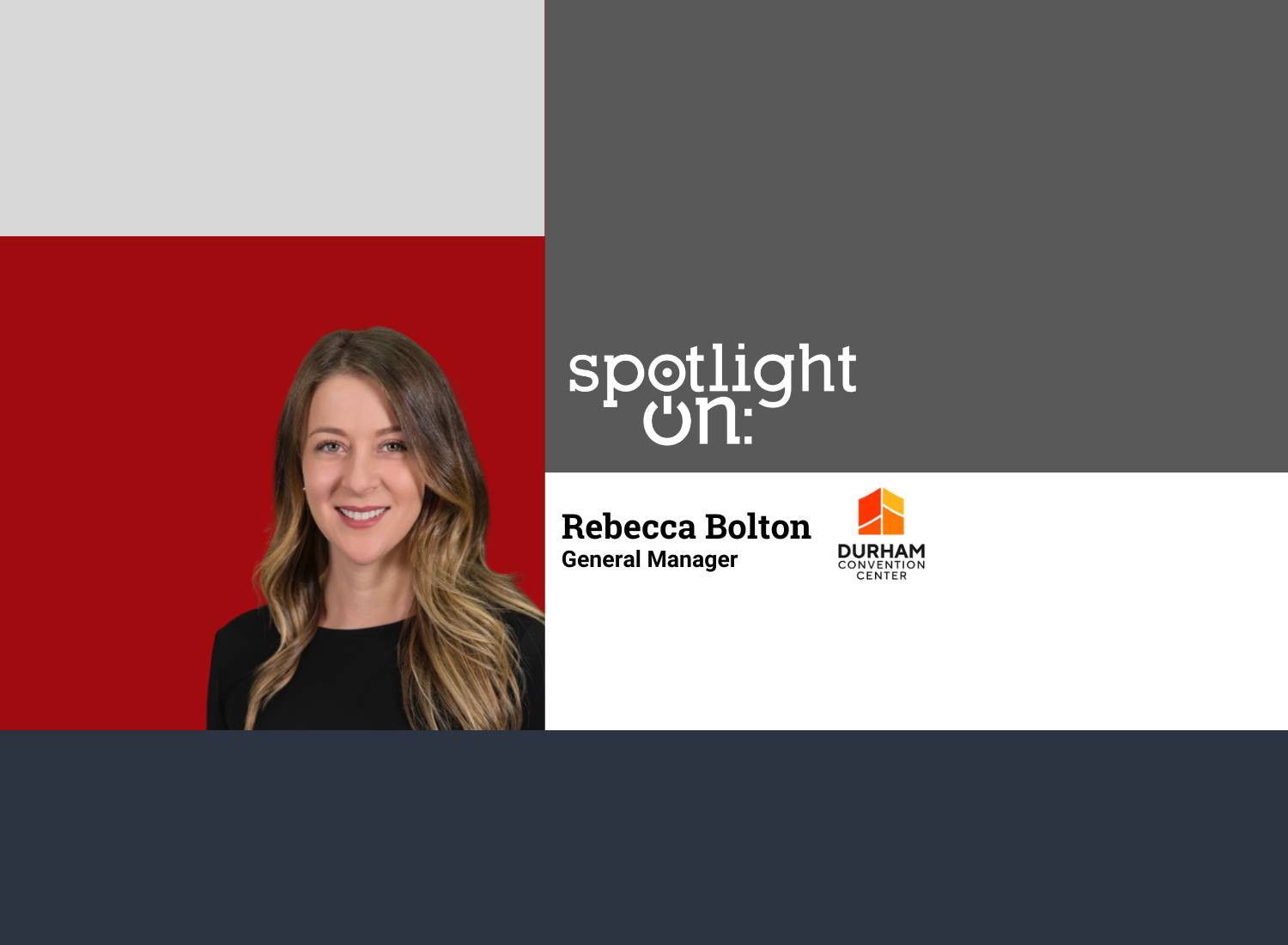







Pamela Hodges, Board Vice President, Heart of Texas Conservancy
The Heart of Texas Conservancy is a 25-year-old organization that holds 38 conservation easements protecting nearly 15,000 acres of land, preserving features like farmland, forests, watersheds, and aquifer recharge zones for future generations. “It’s a trust that your land will be protected and stewarded in the manner you prescribe throughout the years and future ownership,” Pamela Hodges, the organization’s Board vice president, told Invest:.
What drives the mission of the Heart of Texas Conservancy, and how has that evolved over the years?
We have been around for 25 years as a conservancy. Through those years, we have accumulated 38 easements, with almost 15,000 acres under conservation. The purpose of the conservation easement is to protect the land, its cultural enhancements, and features. It still belongs to the landowner, but we review it annually, or in some cases, every five years if we have a landowner who is well-versed in land management. We review the easement to make sure it stays in the same pristine condition as when we first contracted it. The easements include farmland, forest, watershed land, land along rivers — anything that needs to be protected.
What role does conservation easement play in shaping sustainable development?
That is one of my key focuses, as I’ve had some experience with development. We would like to work with developers early in the planning stages to preserve the floodways, the drainways, those areas that are, in many cases, in the Hill Country. We should keep those elements open and pristine to be used as amenities as the region develops. Trails are a good example. They could be included in the design to create connectivity between developments, giving us linear parks. Roadways are also important because we are hilly and prone to floods. Roads can be used to help buffer streams and rivers so that we can manage floods. There’s a lot of design on which we’d like to work with developers to ensure that we’re all on the same page and working for the same lifestyle and living environment that we enjoy in the Hill Country.
Considering the recent floods that affected the region, where is the regulatory response falling short?
Those decisions are made locally. The people making those decisions don’t quite understand the land-use issues. There’s a lot of pressure, because housing is important, and so is maintaining the economy. But with more understanding, with more education, we can bridge those gaps. We can work with the decision-makers, but also the developers, because they’ll find that if you have conservation in mind, you save money. You save money on infrastructure, for example. You also have a product with trails and open space that is the market for this area.
Understanding the market and how to build with the land instead of against it saves lives in the long run, especially in these flash flood areas. It also provides a wonderful product that has good marketability for resale as well as early development. The correlation between green spaces and property values is well-documented. According to a study by the Trust for Public Land, properties adjacent to natural areas and recreation greenways often see a price increase of up to 20%. This is not just limited to luxury estates but spans across various housing markets.
How do you see San Antonio’s conservation priorities differing from the broader Texas landscape?
San Antonio has done a good job along the Mission Trails. The work among the San Antonio River Authority, the county, and the city has provided not only flood management but also beautiful green spaces. In many ways, we can model what they have done in San Antonio and in Boerne as well. What we’d like to see are trails and developments that create interconnectivity between all of these little communities.
What motivates private landowners to participate in the Conservancy’s efforts, and what challenges do you see in the process?
What motivates them most is the future. They have a lifestyle and a love of the land. They have a connection to the land, and they want other people to be able to enjoy that as well. Whether the land remains in their families or not, at least the land is protected. The land is theirs to do with what they want within the scope of the conservation easement, but it can be sold. That next landowner will have the same love of the land and the enjoyment of that land that the original owner did.
As far as obstacles, the main issue is understanding what a conservation easement is. It’s an education that we need to provide. There is a lot of unbuildable land in the Hill Country. We’d like to work with developers before they do their planning so that they can see the advantages of conserving those unbuildable spaces. There are possible tax advantages as well. There’s certainly the ability to put the walkways, the trails through there, which become amenities.
How important are partnerships in creating a better balance between growth and ecological stability, and who needs to be involved?
We work closely with the county governments. Our membership and our board all have contacts with the government and with economic development corporations. We are aware of the market, what the market needs, and what we can do to help integrate all of that. For county and city governments, open spaces not only increase property values but attract economic growth. In addition, these areas manage stormwater runoff, reducing the risk of flooding and maintaining natural water quality. We help facilitate those partnerships as much as we can. Of course, we have partnerships with other organizations and other nonprofits, and it’s collegial. If it’s something we are not capable of doing or we don’t have the capacity for, then we know somebody who does. It’s a cooperative effort.
What is the most exciting opportunity for the future of conservation in San Antonio?
San Antonio-Austin is becoming a metroplex. Everyone wants to be in Texas and Central Texas. The opportunities are boundless. We also live in an area that’s health-conscious and community-conscious as well. It’s one of those periods where everybody understands that working together, building community, and saving the land is just part of the ethos we’ve experienced here. We’ve been around for 25 years, and the effort seems to be growing, gaining strength and visibility with that growth.
People here are aware that this is a special area and that it has a culture all its own. It’s Texas, but it’s the Hill Country. It is every Texan’s wish to live, play, and enjoy the Hill Country. It’s a lifestyle that’s not afforded in Houston or Dallas.
What are your top priorities and goals for the Heart of Texas Conservancy for the next two to three years?
We want everybody to know that we are here in perpetuity, that we are building an organization that will be able to withstand the ups and downs of the economy, that we are here to protect those lands that we have easements on to the best of our ability.
We at Heart of Texas Conservancy want to grow that element and also help people who are maybe not among that group, but who have more land than they have resources. Heart of Texas Conservancy is building an endowment not only to support the Conservancy but also to help those landowners.