






Patrick Seeb, Executive Director, Destination Medical Center Economic Development Agency
In an interview with Invest:, Patrick Seeb, executive director of Destination Medical Center Economic Development Agency, discussed the agency’s recent achievements, ongoing efforts to balance regional development with community needs, and future plans. Seeb highlighted Mayo Clinic’s $5.5 billion expansion, DMC’s data-driven strategies, initiatives to include underserved communities, and trends in healthcare innovation shaping the next decade.
What are some notable recent achievements for Destination Medical Center?
Last November, Mayo Clinic announced a $5.5 billion expansion of its campus, including a new facility they’re referring to as Bold. Forward. Unbound in Rochester. This is a pinnacle in the Destination Medical Center effort to support Rochester’s growth in a way that attracts, motivates, and supports Mayo Clinic’s expansion in Rochester. This announcement represents the largest private investment in Minnesota’s history.
In terms of scale, this project is bigger than anything previously launched in the state. It’s a 2.3- million-square-foot expansion of acute care services, which Mayo Clinic avoids calling a hospital. They see it as a blend of inpatient, outpatient, and digital health services that can adapt based on changing conditions and needs. They believe it’s a future-proof, 50- to 100-year building. While this project isn’t directly ours, it aligns with the goals we’ve been working toward with the DMC initiative.
How does the DMC balance the development of the region and medical facilities with the needs of the local community?
Everything we do is data-driven. We focus on understanding the gaps in our community, such as housing, job diversity, workforce talent, and pipeline development. We have a multiyear strategy, making decisions within the context of a five- and 10-year plan that anticipates changes.
We recognize the new demand for housing that already exists and will continue to grow due to expansions like the one at Mayo Clinic. We’ve quantified this demand and are working with many partners to stimulate and catalyze new housing development to meet these needs.
We are also building public infrastructure that serves the entire community. Transportation plays a crucial role in equitable access to public spaces, jobs, libraries, services, and businesses. We are enhancing our transit system, including our core downtown bus rapid transit system. We’ve been working on this for four or five years and will break ground this fall, with the completion of the three-mile bus rapid transit line expected in 2026.
We strive to understand current and future needs, collaborate with partners to address these needs, and continuously measure our progress.
How has DMC transformed Rochester over the last 10 years and what are the plans for continued transformation in the next decade?
Over the last decade, DMC has focused on making Rochester an attractive city for both visitors and residents. We understand that millions of visitors come to Rochester annually for healthcare services, and meeting their needs is crucial. Ensuring they have a good experience is important because the elements that matter to them — great public spaces, access to nature, bike trails, entertainment — are also important to our local community.
We appreciate what leads to a great experience and have worked incrementally, and in partnership, to build out these experiences. Looking forward, we plan to continue enhancing these aspects of the city to ensure it remains a vibrant, attractive place for everyone.
What are some of the key challenges that DMC has faced and how has it addressed them?
We’ve faced several challenges, with COVID-19 being a significant one. While we’re beyond the worst of the pandemic, society is still normalizing what a post-COVID world looks like, from shopping habits to how people spend their time. This is a challenge every city has faced.
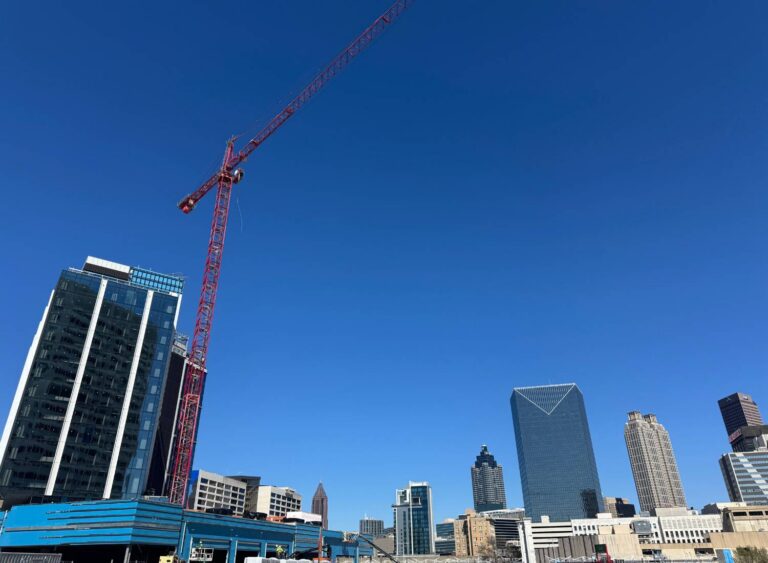
Another challenge is managing our successes, particularly with the $5.5 billion Mayo Clinic expansion. The construction will impact the downtown area and people’s experiences in getting around. Managing this intense public and private construction within a tight geography is a significant challenge. This includes not only Mayo Clinic’s expansion but also bus rapid transit, public spaces, and apartment developments.
A more hidden challenge is ensuring all community members have the opportunity to prosper during this period of growth. We want to ensure marginalized and underserved communities are included in decision-making and have access to opportunities, such as construction jobs and contracts, or roles as developers. With 25% of Rochester’s population being people of color, we aim to ensure these communities are represented and can benefit from the city’s prosperity.
What are some of the ways that DMC is working toward ensuring that underserved communities are represented?
We have several initiatives aimed at increasing representation and opportunities for underserved communities. One example is setting targets to grow the percentage of minority women and minority-owned businesses with construction contracts and jobs. We want to ensure that people of color have opportunities in these careers.
We’ve developed a program called Equity in the Built Environment, which addresses obstacles for women of color entering the construction trades. Currently, only 1% of construction jobs, including design professionals and other roles within the building industry, are held by women of color. There’s a significant demand for more workers, so we’re developing programs with contractors and construction leaders to create career pathways for women of color in these fields.
Additionally, we’ve launched Community Co-Design, which intentionally involves diverse communities in the design and decision-making for public infrastructure projects. This includes public spaces and the transit system. We ensure that diverse communities are at the design table, considering issues that matter to them, such as mobility, language, and cultural concerns.
What are some of the trends in healthcare and urban development that you see influencing DMC’s plans for the next decade?
One key trend we’re focusing on is connecting with healthcare innovators. There is tremendous innovation happening at the intersection of data, medical technology, medical devices, and biopharma delivery mechanisms. We believe this innovation can thrive in Rochester, and we’re making the case to innovators worldwide that developing their innovations here offers unique advantages.
Our Discovery Square innovation district is at the heart of this effort. We’re actively campaigning to attract innovators by highlighting the benefits of being close to Mayo Clinic, its scientists and physicians, and other leading innovators. We’ve already seen early successes with companies from Australia, England, and the Netherlands establishing a presence in Rochester. They find that our city meets their needs with access to great talent, excellent physical environments for their work, and the opportunity to collaborate with some of the smartest and brightest minds in the country.
Overall, these trends in healthcare and urban development are shaping our plans by fostering an environment where innovation can flourish, ultimately enhancing Rochester’s role as a hub for healthcare advancements.