






Pittsburgh is closing the workforce gap one partnership at a time
Key points:
- • Education and industry are aligning to create more flexible, work-integrated learning models.
- • Adaptability and AI skills are becoming core workforce requirements.
- • Infrastructure and partnerships are critical to preparing job-ready talent.
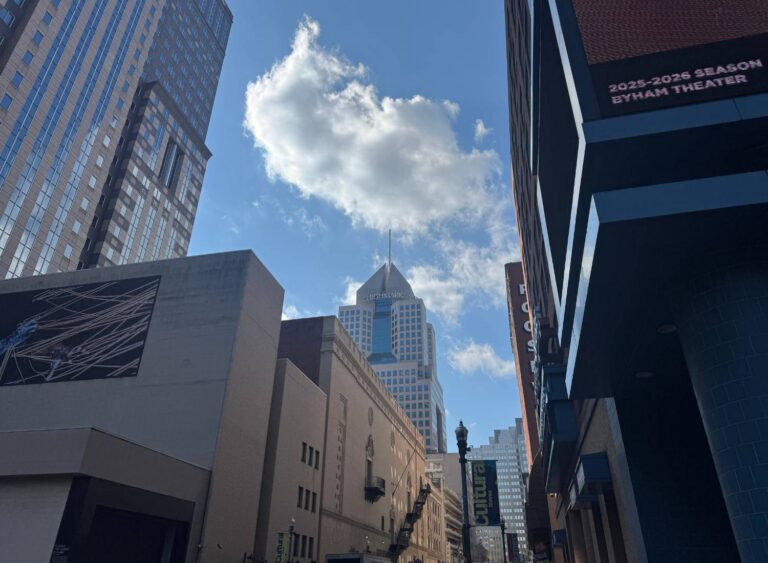
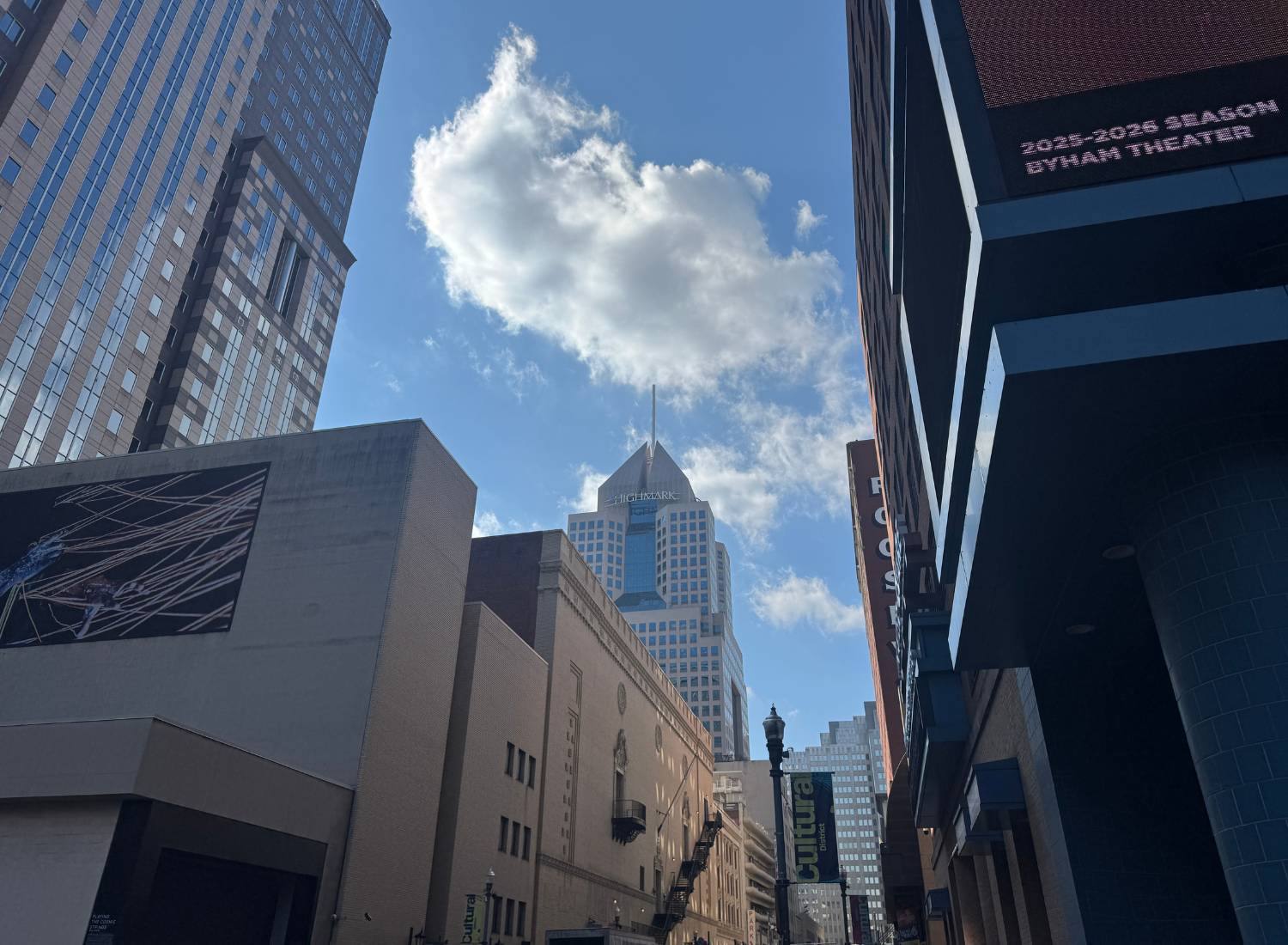 March 2026 — Pittsburgh has always been a city that rebuilds. But the next reinvention may be its most consequential, and the biggest opportunity lies in closing the gap between the classroom and that first career job.
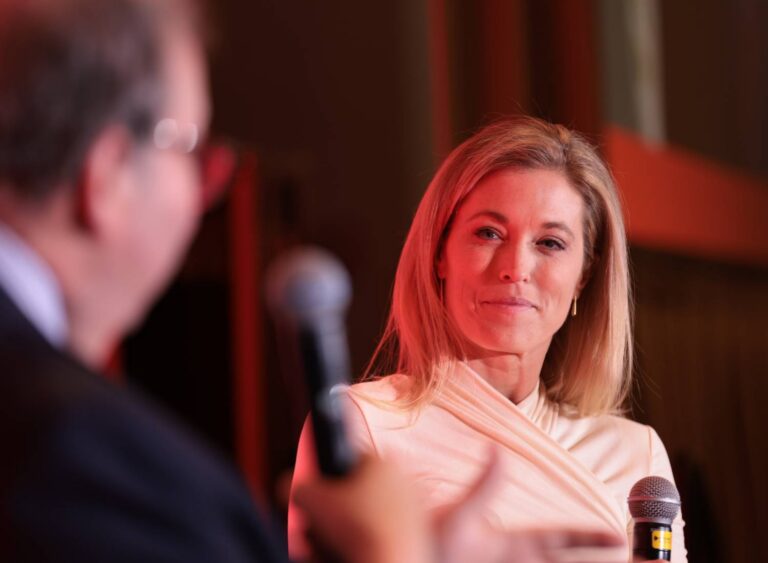
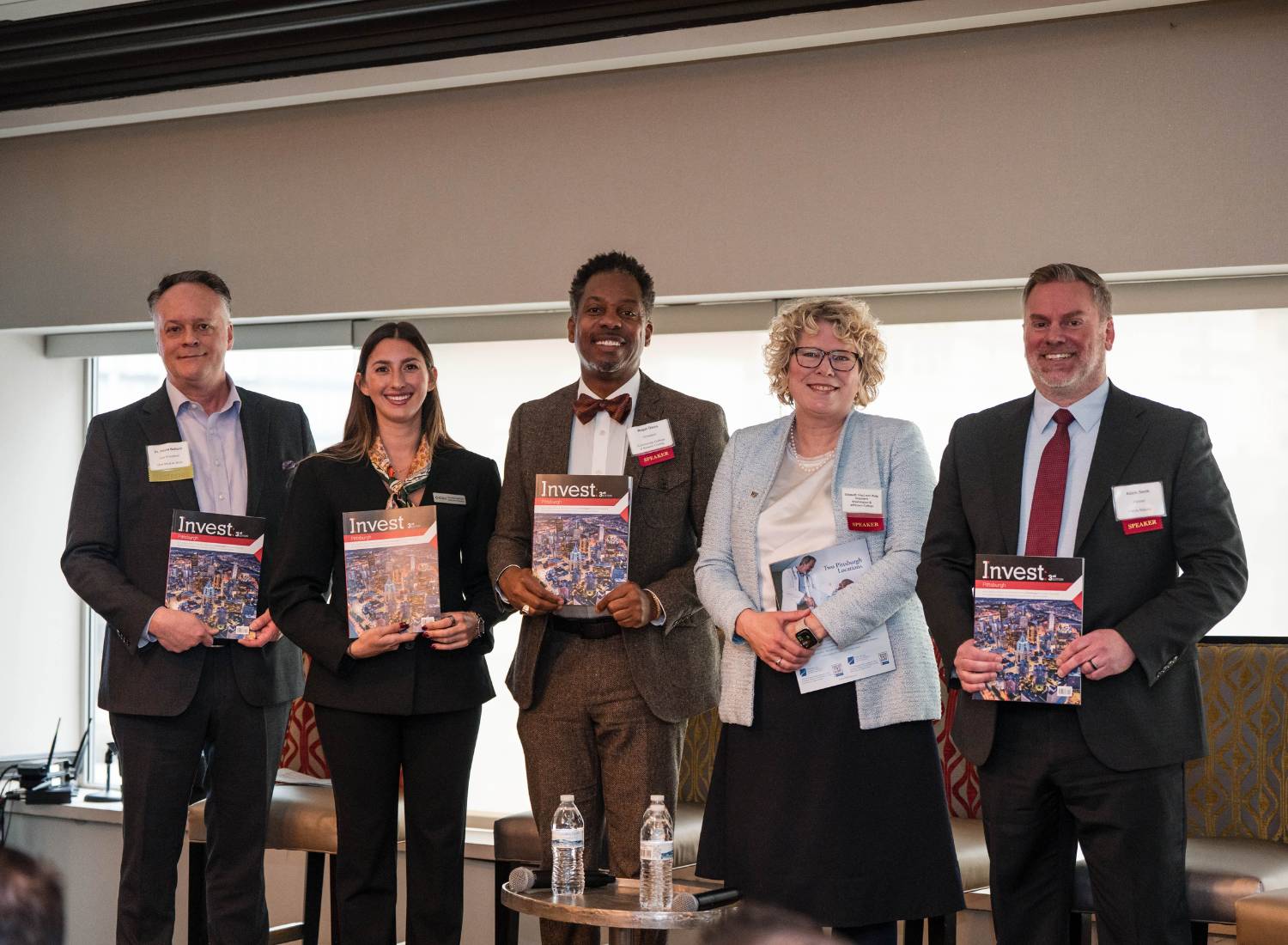
At the Invest: Pittsburgh Leadership Summit in late February, Southwestern Pennsylvania’s key leaders discussed what happens when educators and businesses start building something together.
A not-so-linear path
“I don’t think you’re going to see this linear model of higher education anymore,” Roger Davis, president of the Community College of Beaver County (CCBC), pointed out during one of the summit’s panel discussions on workforce development.
He’s watching it happen in real time, with employers frustrated by the lag between what’s taught on campus and needed in the workplace. Davis thinks the answer isn’t to abandon higher education, but to rewire it. Students should be moving fluidly between work and school, not waiting until graduation to step into a professional environment, he noted. “If you partner with us, we will get you the formula that you need to get the type of employees you’re looking for.”
CCBC’s Aviation Sciences Center has a national reputation for training air traffic controllers, and the college is mid-construction on a $22 million aviation facility at the Beaver County Airport where students learn to land planes in a real professional setting from day one.
Cultivating the ‘adaptive mind’
While there’s a temptation, especially now, to reduce the workforce conversation to a checklist of technical skills from AI and robotics to automation, Washington & Jefferson College President Elizabeth MacLeod Walls thinks that framing misses something important.
“Technical skills are really important, but we also need those next-level leaders to be able to adapt, problem-solve, and co-create,” Walls told more than 200 industry leaders at the summit.
To make her point, she pointed to someone sitting in the room — a W&J history major from 2012 who now works as a chief estimator for mission-critical data centers. “It’s that critical thinking that allows a history major to advance the mission.”
W&J is backing that philosophy with concrete moves. A new Urban Planning major is in the works, and their partnership with UPMC Washington now puts nursing students on-site at the hospital for two full years before they return to campus to finish their degrees. It’s the kind of arrangement that MacLeod Walls wants to be the norm.
Integrating AI
In the world of business, adaptability is the skill that C-suite executives around the globe are hunting for. But adaptability without technological fluency is only half the equation.
“We need Gen AI embedded in all curriculum in higher ed,” Adam Smith, partner at Forvis Mazars, shared.
Speaking on the panel, Smith pushed educators to get closer to industry and understand how AI is being used at the firm level. “Training and learning development is not a one-time event; it has to be constant and evolving,” said Smith.
Infrastructure sandbox
But not every piece of the workforce puzzle lives inside a university building. Presenting the workforce development panel, Westmoreland County Commissioner Doug Chew reminded the room that none of this works without the right foundation underneath it — and right now, that foundation is broadband.
Westmoreland County has laid 400 miles of new fiber infrastructure, and Chew is direct about why it matters. “Reliable broadband is no longer an option; it’s a foundational economic infrastructure component,” said Chew.
The county is also investing in career academies that use project-based STEAM education to give students and the employers who hire them a shared language around skills and readiness. When a company brings on a Westmoreland graduate, Chew wants them to possess the technical competence and the ability to contribute from day one.
Measuring purpose
David Ballard, vice president at One Mind at Work and panel moderator, brought the conversation back to why any of this matters in the first place, focusing on workplace mental health and purpose. The panelists said that the goal is to embed fearlessness in the next generation entering the workforce and for people to be genuinely equipped to lead lives of meaning and purpose.
And in a region that’s spent decades reinventing itself, that might be the most Pittsburgh idea of all.
Want more? Read the Invest: Pittsburgh report.