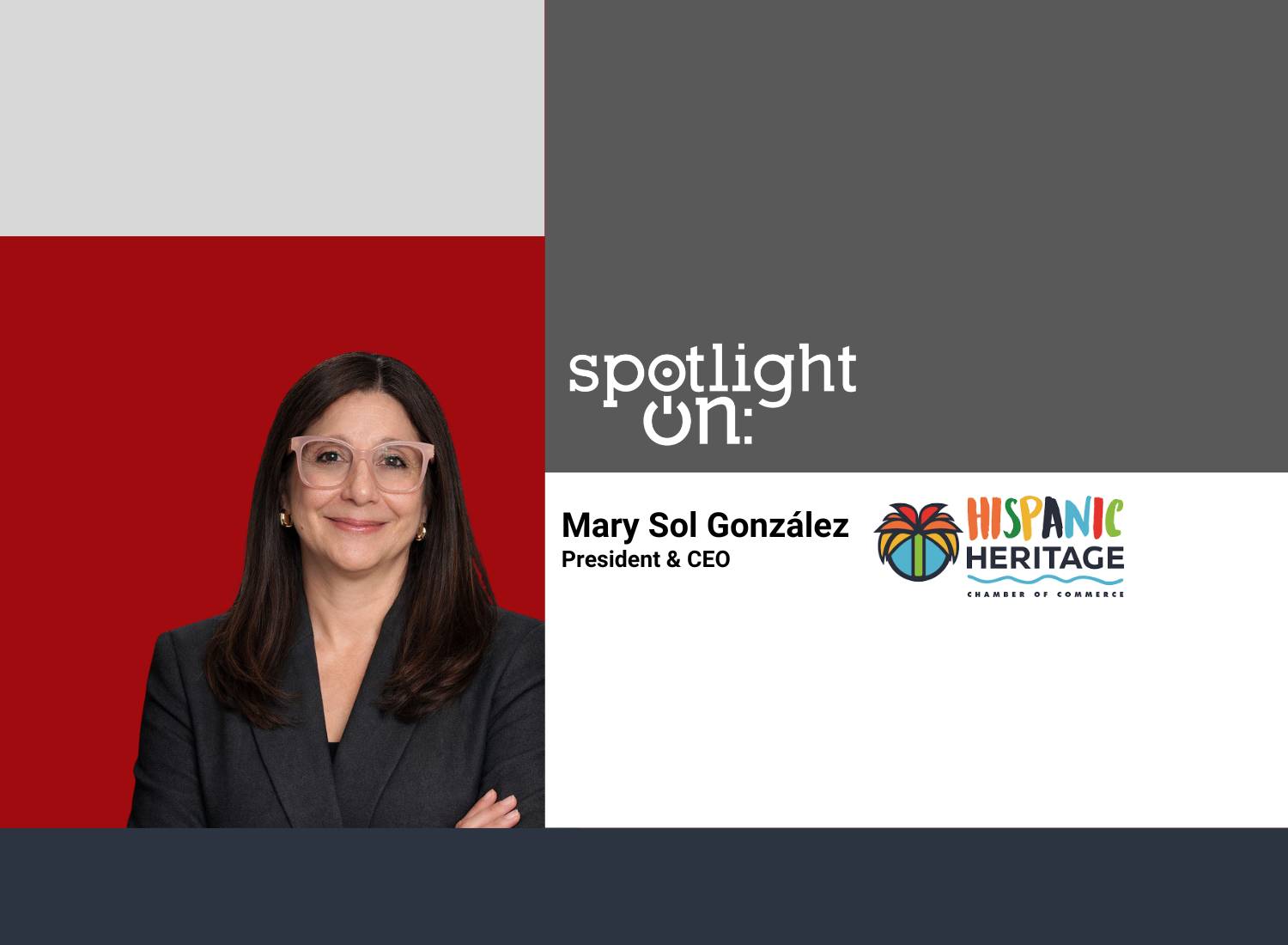







Radha Pyati, Chancellor & Dean, Penn State Berks
 In an interview with Invest:, Radha Pyati, chancellor of Penn State Berks, emphasized the university’s commitment to workforce development, community engagement, and inclusive excellence. “Our influence is growing in Pennsylvania, and we’re aiming to elevate it nationally over time,” Pyati said.
What changes have taken place at Penn State Berks over the past 12 months, and how have they impacted the campus?
Over the past 12 months, we’ve implemented several important initiatives at Penn State Berks. One major development was the rebranding and relaunch of our Manufacturing Innovation and Learning Lab, or “The MILL at Penn State Berks.” The MILL is a facility equipped with advanced tools for robotics, smart manufacturing, and automation. We’re connecting our students and faculty with small- to midsized regional manufacturers who are looking to modernize but may need guidance, prototypes, or support to do so. This year alone, we’ve invested $500,000 in new equipment to outfit the lab, and we’re eager to showcase it this fall.
Our faculty also engages students in undergraduate research with real community impact. For example, a group of faculty members organized a symposium on food access and nutrition that brought together scholars and practitioners, including representatives from our regional food bank, to explore common issues in supply chains and food distribution.
Another exciting step was the launch of our Office of Inclusive Excellence. This office fosters cultural connection and celebrates diversity across the campus. It oversees events like heritage awareness month activities, the annual MLK banquet, and many others, creating opportunities for all students to feel seen, heard, and celebrated.
And finally, community engagement remains a cornerstone of Penn State Berks. That commitment is part of what drew me to this campus. Our students volunteer in Reading-area city schools, and we have a dedicated office helping them navigate the required background checks. Our Learning Factory enables senior engineering students to work on industry-sponsored projects, solving real-world problems. We host community events that draw visitors to our beautiful, and often overlooked, campus, and we collaborate with Berks County to promote the area as not only a great place to study, but also to live, work, and raise a family. We want our students to envision a future here, post-graduation, in our charming local neighborhoods and growing entertainment districts.
Regarding the MILL, the Office of Inclusive Excellence, and your community-focused events, how have these initiatives contributed to Penn State Berks’ reputation?
The MILL, in particular, is significantly increasing our regional visibility. Berks County has a rich manufacturing heritage, and we intentionally chose the name “MILL” to reflect our roots: Our campus evolved from the Wyomissing Polytechnic Institute, which was started by the founders of the region’s textile mills. When tough economic times hit the textile industry, the facilities were offered to Penn State to establish a campus in Berks County.
Today, we collaborate with local companies on grant-funded projects that help improve specific operational areas, such as enterprise resource planning systems. These partnerships give us word-of-mouth visibility and help us stay deeply connected to the Greater Reading Chamber Alliance and its manufacturing partnership. We share MILL updates through newsletters, sponsor the annual Berks County Manufacturing Summit, and work with both small and large manufacturers to explore projects of various scopes.
All these efforts raise our profile and solidify our reputation for staying ahead in modern manufacturing. Our influence is growing in Pennsylvania, and we’re aiming to elevate it nationally over time.
What exactly makes the area so appealing for students and young professionals?
Berks County offers both educational and lifestyle opportunities and benefits. Our campus provides 20 full four-year degree programs that can be completed entirely on-site, as well as four associate degree programs. We also accommodate both resident and commuter students, including those from out of state or abroad.
Beyond academics, the county offers incredible recreational opportunities. Right outside my window, I can see a creek and a trail at Gring’s Mill Recreation Area — just one example of our proximity to nature. There’s also a thriving arts culture, centered around venues like the GoggleWorks Center for the Arts in downtown Reading, which features resident artists, exhibits, and creative businesses.
Berks County is a diverse and vibrant place to live. Our Hispanic and Latino communities are growing, and we are committed to welcoming community members to campus with a full range of services and programs. We offer a live Spanish-language phone line, and many of our faculty and staff are bilingual. Events like Puerto Rican Day, the Dominican Festival, and our broader cultural diversity festivals reflect the richness of life here. New restaurants are popping up everywhere, representing cuisines from around the world. It’s an exciting, inclusive, and supportive community, which is perfect for studying and building a future.
How is Penn State Berks equipping students and adult learners to meet evolving labor market demands?
Workforce development is a top priority for us, and our Office of Continuing Education plays a key role. Our director stays closely attuned to emerging community needs. One standout program is our 18-month Practical Nursing Program, which is always filled to capacity. It prepares students for a new and essential career and serves a highly diverse population.
We also offer specialized workforce training in manufacturing and engineering, including Six Sigma certification, programmable logic controller training, and professional engineer exam prep. These aren’t just buzzwords. They’re specific, in-demand skills and credentials that industry leaders understand and value.
In addition, we offer certificates in areas such as management and English as a Second Language (ESL) for educators in local school districts. One of our credit-bearing certificates — Spanish for Healthcare — supports medical professionals in better serving Spanish-speaking patients and families.
All these offerings reflect our commitment to helping adult learners advance their careers and unlock their full potential.
What strategies are you implementing to stay resilient amid financial pressures, shifting demographics, and declining enrollment?
Staying resilient requires strategic action. Like others, we’re monitoring enrollment trends closely as the so-called “demographic cliff” nears. One advantage we have is that the city of Reading and Berks County are actually experiencing population growth, particularly among younger residents. It’s a micro-trend working in our favor.
That growth helps us maintain a strong local recruitment pipeline.
We focus much of our outreach on nearby school districts, encouraging local students to attend Penn State Berks — many can commute or choose to live on campus.
Another strategy is deepening our partnerships with regional community colleges. Penn State has established articulation agreements and scholarships designed for transfer students. One program, RaiseMe, offers micro-scholarships for students earning strong GPAs in community college, potentially awarding up to $7,000 to support their transition to Penn State. This partnership model is key to our resilience. We don’t duplicate what community colleges offer; instead, we complement it by providing a clear and supportive transfer pathway, including our 2+2 model: two years at Berks and two years at University Park.
How do you see the higher education landscape evolving, and what trends are you keeping an eye on?
Artificial intelligence is definitely at the forefront. Everyone, from students to faculty to staff, is using it. Penn State is committed to ensuring that all graduates are AI-literate. In five years, I believe our students will know how to use AI ethically, understand its limits, and recognize when a human touch is essential.
Much like how the calculator replaced the slide rule, AI will become an everyday tool, but it won’t replace human creativity, intuition, and real-world decision-making. We’re building this AI literacy through degrees, credentials, and training across the board.
Another major trend is the increasing use of automation and data in engineering and manufacturing. Through the MILL, for example, we’re helping students and industry partners use data to identify and resolve production issues in real time. Five years from now, I see this process becoming even more advanced, and our students will be ready.
Looking ahead to the next two to three years, what are Penn State Berks’ top goals and priorities?
We have several. First, we want to increase our visibility and recruitment. That means making sure prospective students know about our incredible faculty, staff, and programs. Whether it’s administrators like me attending more community events, our team hosting information tables at local festivals, or strategic communications, we’re working to raise our profile in meaningful ways.
Giving students a sense of belonging by connecting them to faculty and staff is a big part of that. I often tell prospective students: you will find your person here, the one who recognizes when you’re having a tough day, who helps you prepare for an interview, and who genuinely cares about your success. That’s something AI simply can’t replicate.
Another major focus is expanding the reach of the MILL. We want more local manufacturers, more K-12 students, and of course, more of our undergraduates engaging with the lab — learning, experimenting, and discovering opportunities in modern manufacturing. It’s a hands-on way to inspire the next generation and meet the region’s evolving workforce needs.