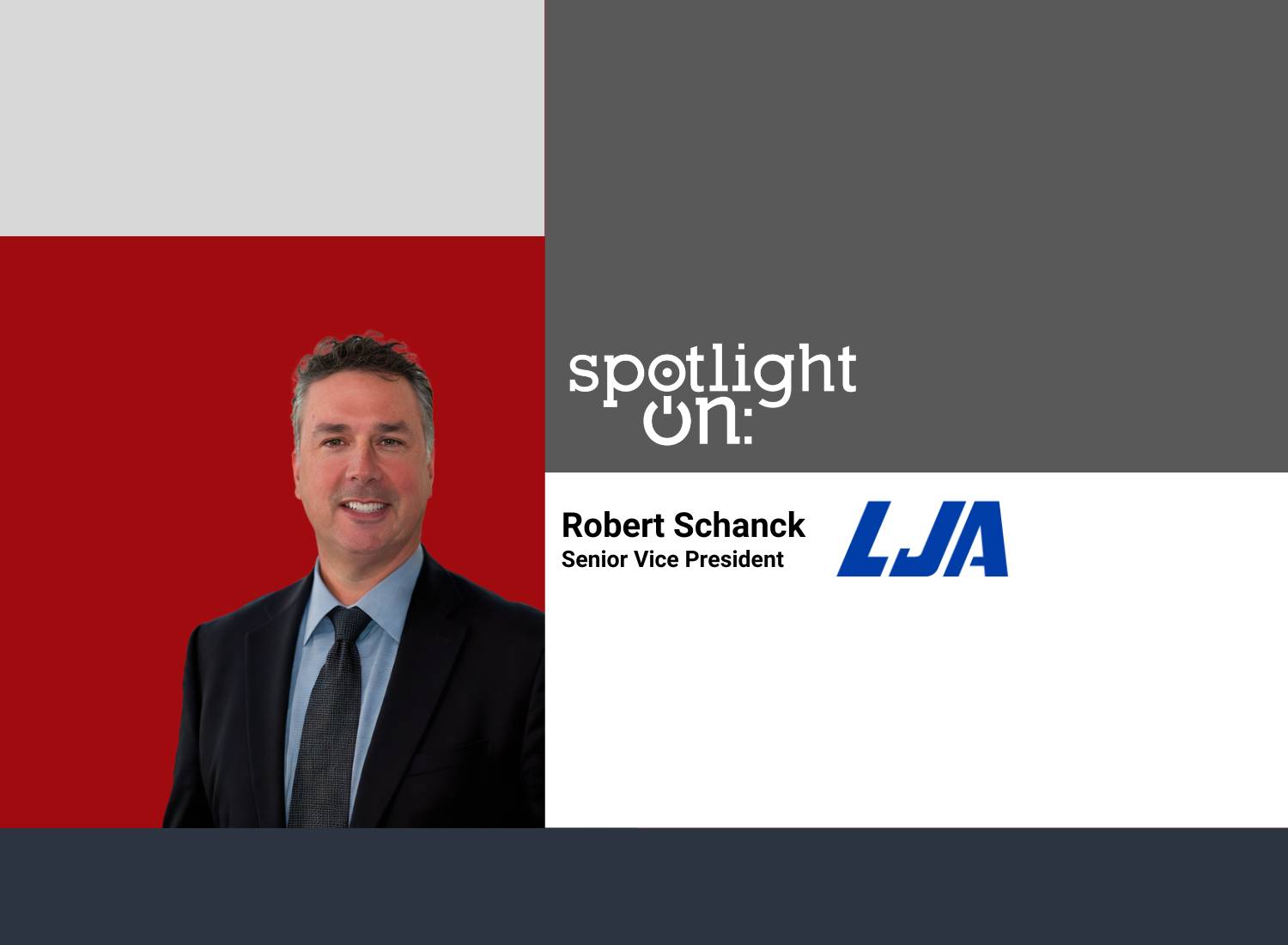




Rusty Paul, Mayor, City of Sandy Springs
 In an interview with Focus:, Mayor Rusty Paul of Sandy Springs, discussed the city’s momentum in infrastructure, economic development, and quality of life. “We want Sandy Springs to be a place full of experiences and things to do, see, and enjoy, so that people can’t help but want to live here,” Paul said.
What initiatives over the past year have most influenced Sandy Springs’ momentum?
We’re continuing many of our transportation and congestion mitigation projects. The Roswell Road- Johnson Ferry-Mount Vernon Highway project is nearing completion and should wrap up in April. It’s a major realignment of an east-west corridor where three roads used to conflict and create serious congestion.
We’ve also completed our T-SPLOST project at Trowbridge, Roswell, and Dalrymple, which has greatly improved that intersection. Next, we’re preparing a project for mid-to-late 2026 to address another bottleneck along Hammond Drive between Roswell Road and Glenridge, where traffic narrows from four lanes to two and back again. That will be widened to handle volume more efficiently while reducing conflicts in nearby residential areas.
We’re also working on projects in the north end. We recently received ARC funding for improvements along Roswell Road, Roberts, and Dunwoody Place. Residents on Roberts Drive have a difficult time getting out, so we’re creating a new connector road that links to North River Parkway, with a new signalized intersection to ease access.
Part of that work ties into planning new trails. We secured ARC money to close a two-mile gap in our Path 400 project, which will ultimately connect to the Beltline.
Beyond infrastructure, we’ve had to delay our City Springs 2.0 project, as we wait for interest rates to drop to make the economics more viable. We hope to move forward with that in 2026.
What themes are shaping Sandy Springs’ approach to economic development and how are those priorities evolving?
Last year, we brought on a new economic development director, Chris Burnett, who has deep roots in Sandy Springs. He’s a two-time chair of the Chamber of Commerce and a successful local banker, and he’s doing a tremendous job recruiting new businesses.
It has been a strong year for us. We retained Newell Brands, which was exploring relocation options but chose to stay and expand here. They moved into larger offices in Queen Building at Concourse Office Park and Asbury Automotive is backfilling their old space — another Fortune 500 company choosing Sandy Springs.
StubHub brought several hundred employees here, and a financial services software company is moving in as well. J-B Weld has also relocated its corporate headquarters to the northern part of the city.
We’re in conversation with several other companies whose projects are waiting for interest rates to drop. Assuming the economy avoids recession, 2026 should be another strong year for growth, with several office, retail, and housing projects expected to advance.
Across from City Hall, the Hillcrest project, led by High Street Residential, will expand the City Springs District with new restaurants, retail, apartments, and townhomes. Our slogan last year was “Survive 24 and thrive in 25,” and that’s exactly what we’ve done. We’re optimistic 2026 will be even better.
How would you describe the current state of the city’s retail landscape?
It’s always a challenge. Many thought online shopping would cripple brick-and-mortar retail, but it hasn’t. Between 94% and 96% of our retail space is occupied. It’s not always the highest and best use, but there’s very little vacancy.
We’ve seen strong restaurant demand, especially from operators in Buckhead and West Atlanta looking to move into Sandy Springs. There are seven or eight restaurants currently eyeing space in the City Springs area.
We want to expand restaurant and retail options in the north end, but available space is limited. City Springs 2.0 and the High Street Residential project will add much-needed retail capacity.
The challenge now is affordability. Retail space costs over $40 per square foot, which is pushing some legacy businesses, particularly restaurants, out of their locations. Demand is strong, but we want to protect long-time operators who’ve served this community for decades.
Some shopping center owners appear to be increasing rents to align lease expirations and prepare for redevelopment. Redevelopment is necessary, but we want to balance it with keeping beloved local businesses. We’re working to help these businesses find affordable alternatives while encouraging property owners to modernize older centers. It’s a delicate balance, but one we’re committed to managing.
We also just approved a lease with Summit Coffee to occupy the historic Williams-Payne House, which we moved from Dunwoody years ago to preserve it. It sat vacant for some time, and this will bring it back to life as a small coffee shop, the first retail use tied to City Springs 2.0. It’s a modest project but symbolically important, signaling the start of that next phase.
In a competitive metro like Atlanta, how does Sandy Springs distinguish itself?
As in real estate, it’s all about location. Sandy Springs sits at the intersection of Georgia 400 and I-285, two of the state’s most important highways. The Georgia Department of Transportation has invested heavily here, improving mobility, and those upgrades will continue over the next decade.
That access is a big reason why so many corporations stay or relocate here. Our business districts, particularly the Perimeter Market, are easier to navigate now, and four MARTA stations serve the city, providing direct access to the airport and other parts of the metro.
The center of gravity in metro Atlanta has shifted north. Sandy Springs sits at the heart of that shift, surrounded by universities like Georgia Tech and Georgia State, making talent recruitment easy. Corporations can draw from across the metro, from Midtown and Buckhead to northern suburbs, without the logistical headaches of downtown.
Beyond convenience, quality of life matters. Our residents enjoy concerts on the green, theater productions, and performances by the City Springs Theatre Company, which stages Broadway-quality shows. The holiday season kicks off with concerts like Straight No Chaser and a full lineup of seasonal events.
Roswell Road has become “Restaurant Row,” with more than 120 restaurants within two blocks from the city limits to the river, representing cuisines from around the world. That cultural vibrancy, combined with accessibility, makes Sandy Springs an ideal place for professionals and families alike.
What is your long-term vision for Sandy Springs, and what will success look like over the next few years?
Our focus is on maintaining and enhancing quality of life. We want Sandy Springs to be a place where people can raise their families, grow through every stage of life, and comfortably retire without having to leave.
We’re proud of how many residents have done exactly that, and we’re working to expand those opportunities. We’re also committed to being an inclusive community where everyone feels welcome, safe, and engaged.
Ultimately, we want Sandy Springs to be a place full of experiences and things to do, see, and enjoy, so that people can’t help but want to live here and become part of our community’s fabric.
I think our reputation speaks for itself. A New Jersey-based organization recently reviewed 19,000 cities, towns, and villages across the country and ranked Sandy Springs as the 37th most envied city in America and the most envied city in Georgia.
It’s not envy in the negative sense, it’s recognition that this is how to do it right. Everything we’ve discussed contributes to that quality of life.
We’re also one of the safest communities around. While most cities struggle to fill police positions, we have a waiting list of officers who want to join our department. That says a lot about both the city and our police organization.
Most municipalities would be happy just to meet their budgeted staffing levels, but we’re fortunate to have a full complement of officers and additional candidates eager to serve. That’s rare, and it speaks volumes about the kind of community we’ve built.