





Sherri Smith, Manager of Teterboro Airport, Port Authority of New York and New Jersey
Teterboro Airport is a crucial hub for private aviation and a vital reliever for the bustling commercial airports in the New York metropolitan area. In an interview with Invest:, Manager Sherri Smith discussed the airport’s transformation in recent years as it adapted to a surge in private jet activity. “Teterboro Airport is the busiest private jet airport in the United States,” Smith noted.
What significant changes have shaped how Teterboro Airport operates today?
Teterboro Airport’s history dates back to 1917, when Walter C. Teter purchased the land, with the first flight occurring in 1919. It soon became a hub for aviation innovation, hosting major industry players like North American Aviation and Anthony Fokker. The airport played a key role in both World Wars, supporting military operations that shaped much of its current infrastructure.
Since the Port Authority took over in 1949, more than $450 million has been invested in modernizing Teterboro with upgraded systems, expanded hangars, and sustainability initiatives. A 1977 ban on aircraft over 100,000 pounds shifted the airport’s focus exclusively to business aviation, a role solidified by federal law in 2003. Now the busiest private jet airport in the U.S., Teterboro handled around 171,000 operations in 2023—85% of which were private jets.
What have been the most significant accomplishments during the last year?
A major milestone was the completion of the Federal Aviation Administration’s new air traffic control tower, which significantly enhanced airspace visibility and coordination. It is exciting because of the increase in height and the level of support it brings to Teterboro Airport’s airspace. Unlike commercial airports, where airlines coordinate with the FAA, our users interact directly with air traffic controllers, so this upgrade was essential.
During the time leading up to the new tower opening, it was important to ensure our clients could get out of the airport promptly despite challenges with traffic and gridlock. Our FBOs, fixed-based operators that operate and partner with our users, were key in developing reservations that reduced the gridlock.
Another important factor has been building on that community relationship, marrying operational excellence, which is critical here, and delivering a message of why Teterboro Airport is valuable to our business users and the community.
How does Teterboro’s role as a reliever airport fit within this broader airspace?
The airspace surrounding New York City—served by John F. Kennedy International Airport (JFK), LaGuardia Airport (LGA), and Newark Liberty International Airport (EWR)—is among the most complex and congested in the world, handling approximately 7,000 flight operations per day and over 2.5 million annually.
The shift toward exclusively serving business aviation came as a strategic solution to alleviate congestion at New York’s major commercial airports, as it enables our commercial airports to accommodate the number of passenger flights that come in and out of those airports, in other words, freeing capacity at JFK, LaGuardia, and Newark.
We enforce strict policies—no scheduled commercial flights and an aircraft weight limit—to serve private jets and aircraft under 100,000 pounds. Our proximity to Manhattan and 24/7 operations add unmatched convenience for our corporate and private clients.
How is Teterboro Airport adapting to the new changes to stay ahead of the curve?
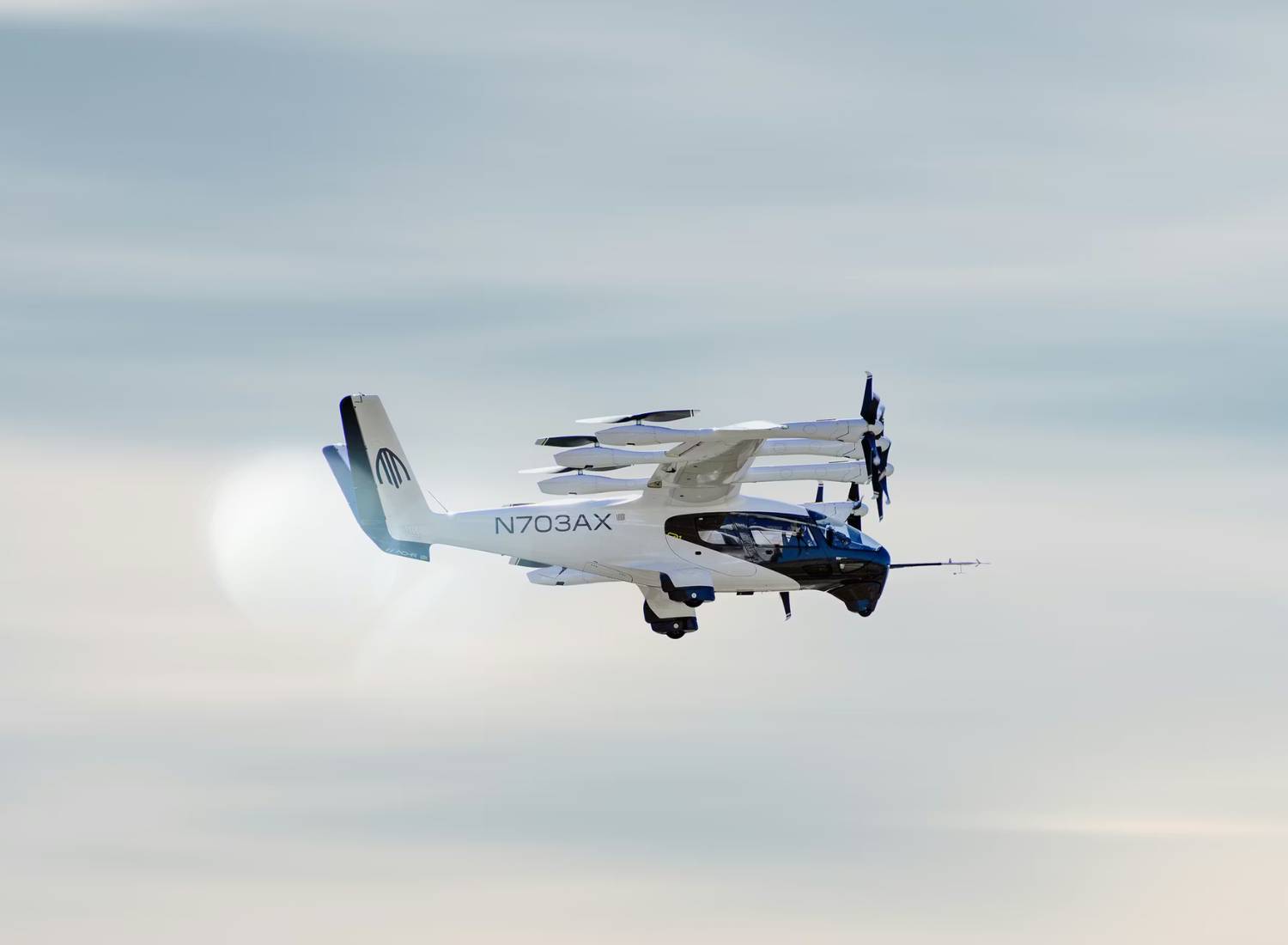
Many exciting things are taking place. Years ago, certain television shows, like The Jetsons, and all those sci-fi movies, portrayed a futuristic view of aviation. The reality is that those things aren’t far off. There are discussions about the shift toward hybrid electric aircraft and the emergence of eVTOL aircraft technology. All of these things are beginning to take shape, especially in certain urban areas. Even the regulatory frameworks and the infrastructure around those critical things are in discussion, especially with the FAA, because safety and security are of primary importance as we approach innovation.
At the airport, we are already speaking with all our partners, from our FBOs to our users, to understand what is needed to hit those milestones. We believe these electric vertical takeoff and landing vehicles could revolutionize how passengers travel between Manhattan and Teterboro, dramatically reducing transit times. We’re actively exploring how to integrate this new technology into our operations as the market and regulations evolve.
What are the top priorities or goals over the next three years for Teterboro Airport?
In my first year as manager of Teterboro, I focused on understanding the airport’s unique role and setting a clear path forward. This includes continuing to invest in our infrastructure and building on our $140 million-plus in facility investments. Working with our business partners and our FBOs to advance planned enhancements, including expanded hangar space, upgraded airfield systems, and modernized support infrastructure to accommodate growing demand.
We are reaffirming our commitment to sustainability by expanding solar energy use, electrifying ground operations, and preparing for the integration of next-generation aircraft like eVTOLs. At the same time, we’re broadening access to general aviation through strategic outreach and fractional ownership opportunities, opening the door to more of the business community. As we modernize and redevelop, our focus remains firmly on safety, efficiency, and strong community partnerships—positioning Teterboro for future commercial growth while continuing to serve as a vital hub for regional and national business aviation.