






Spotlight On: Blake Morris, President, United Community
Key points:
- Easing rates and steady long-term demand have reinforced a positive lending outlook heading into 2026.
- Charlotte’s population growth is driving opportunities across commercial real estate, healthcare, retail, and manufacturing.
- United Community’s strategy centers on client-first service, AI-enabled efficiency, and talent-driven regional expansion.
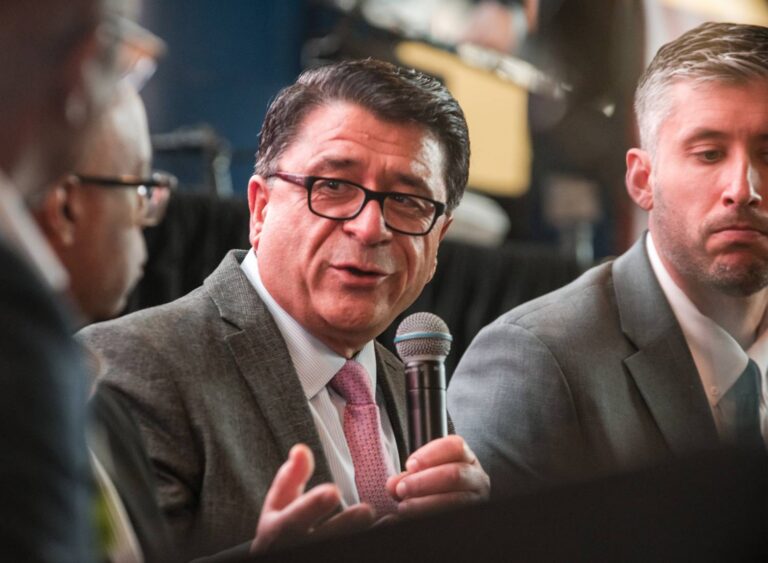
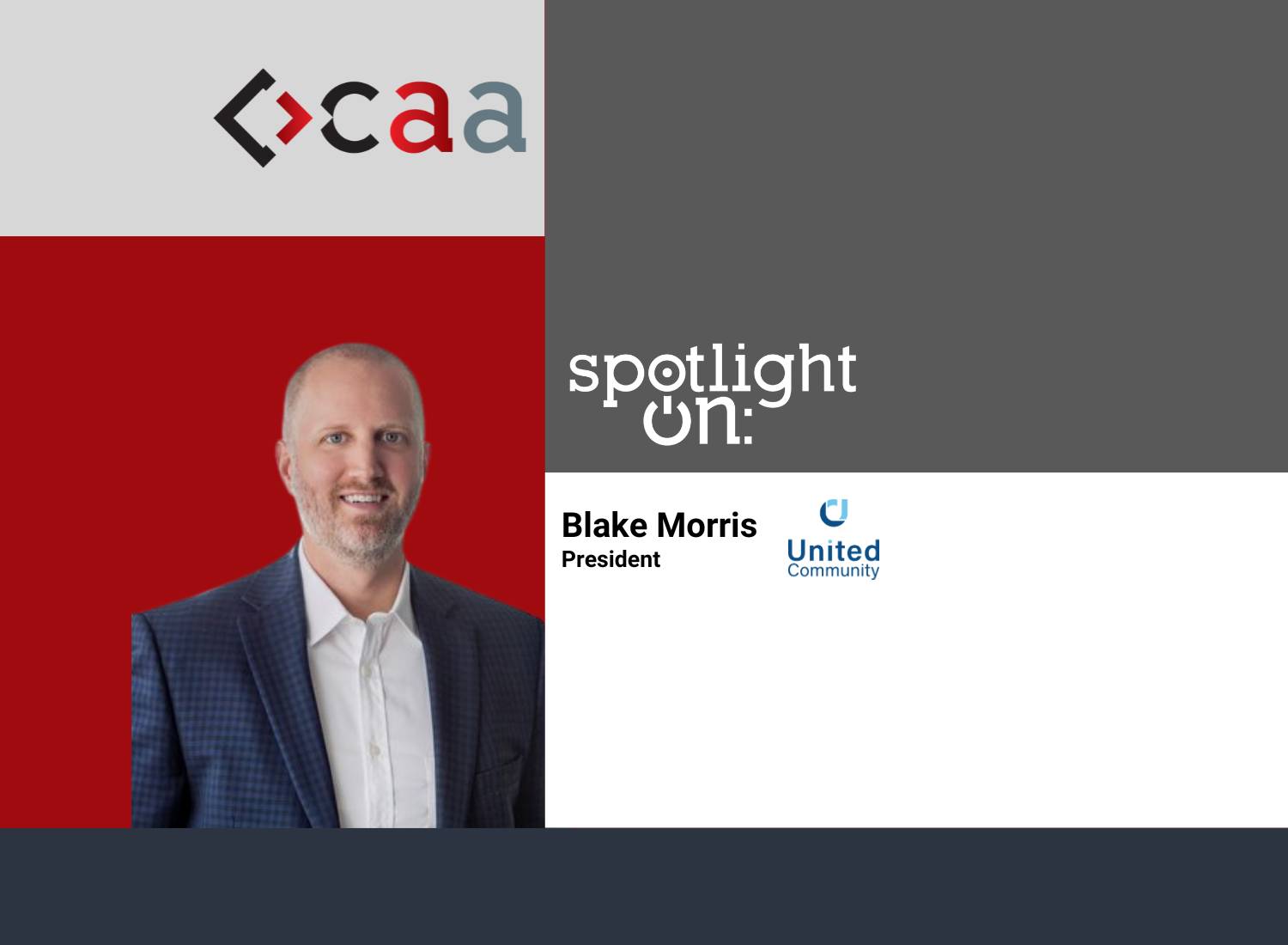 February 2026 — Invest: sat down with Blake Morris, Charlotte market president of United Community, to discuss lending trends, Charlotte’s growth trajectory, and how a people-first approach continues to shape the bank’s expansion across the region. “Our competitive edge starts and ends with taking care of the client,” Morris said.
Join us at caa’s upcoming leadership summits! These premier events bring together hundreds of public and private sector leaders to discuss the challenges and opportunities for businesses and investors. Find the next summit in a city near you!
What stood out to you most about the banking landscape over the past year, and how has that shaped your strategy moving forward?
Looking back at 2025, it really felt like a tale of two halves in banking. As the Federal Reserve started lowering interest rates, we saw a rise in financing activity and more momentum from borrowers and banks that were active in the market.
Over the past 12 months, we’ve seen steady demand for borrowing, and we expect that to continue into 2026. Long-term rates have held fairly steady, and we’re seeing more clients execute on their long-term growth plans. Overall, the conditions have supported activity and have reinforced a positive outlook for continued financing demand.
What makes the Charlotte region such an attractive market for United Community’s continued growth?
I know I’m biased, but Charlotte and the surrounding area is a great place to live, work, and play. United Community is a Southeast-based bank, and we operate in a lot of strong markets. Charlotte is one of the markets where you see large population growth, which creates a continued need for banking services across both the consumer and commercial sides.
From a growth perspective, the talent pool in Charlotte is deep, and we’ve been able to capitalize on this with a lot of great hires since I started here in October of 2024. From the Commercial Real Estate perspective, we’re still seeing strong development activity across multiple asset classes, multifamily, student housing, medical office, retail, industrial, and manufacturing. The bank continues to have a strong appetite for all of these property types.
Which industries are driving the most opportunity for your bank in terms of lending and financial services?
We’re still active in commercial real estate development. Multifamily remains an area where we see demand, and we’re also seeing activity in retail, especially grocery-anchored projects. Those asset types continue to make sense in a growing market, particularly when you have population trends that support long-term demand.
Healthcare has also been big recently. Charlotte has two great hospitals, and we continue to see them grow to serve the region’s population growth. That has translated into lending activity, especially in the medical office space. We’re also seeing manufacturing gain momentum. Beginning around mid-2025, I started seeing more manufacturing moving back into the United States, and a lot of that is coming to the East Coast. North and South Carolina are positioned well for that, with a strong airport in Charlotte and access to ports on the coast. The broader point is that when those sectors expand, it creates opportunities for financing and for long-term banking relationships.
Technology continues to reshape banking. How are you leveraging digital tools to meet client expectations and improve efficiency?
We’re leveraging technology to improve processes and procedures, but one of the biggest areas is fraud protection. We’ve made a significant investment in AI-based fraud protection software. It can analyze client patterns and detect fraud before a client even recognizes it, which is extremely valuable.
Fraud isn’t going away, and it’s always evolving, so we’re using AI to stay ahead of those changes and protect clients in a more proactive way.
We’re also leveraging technology on the lending side, particularly to support underwriters and to be more responsive. Responsiveness is one of the ways we can differentiate ourselves, and if we can provide an answer in two to three days instead of two to three weeks, clients appreciate that, and it strengthens trust. Technology helps us move faster and deliver a better experience.
United Community has been recognized by J.D. Power as one of the best banks in the Southeast for Retail Banking Customer Satisfaction and #1 in Trust and People. How does that recognition support your talent strategy?
We’re proud of the J.D. Power recognition. It’s survey-based, so it’s not a pay-to-play award. They survey clients and employees, and that makes it meaningful because it reflects real experiences and real feedback.
I’m a firm believer that if you hire the right people, good outcomes follow. I focus on hiring people who have a strong work ethic and a good attitude. When people enjoy what they do and take pride in making an impact, it shows up in their work and in how they serve clients.
If you bring in people who like helping businesses grow, who care about the community, and who are all rowing in the same direction, it creates a great culture that positively impacts retention, performance, and ultimately the client experience, too.
With consolidation and fintech competition increasing, what gives United Community its competitive edge?
Our competitive edge starts and ends with taking care of the client. That’s the foundation. The bank’s success begins with doing what’s right for the client and staying focused on service. If you take care of the client first, everything else follows naturally.
If we serve clients well, they tend to trust us more and give us the opportunity to expand our relationship. Retail clients will expand and bring their business accounts. Business clients will move personal accounts. That creates momentum and long-term growth. But it only works if the client experience is consistently strong.
Looking ahead, what are your top priorities for the next two to three years in the Charlotte market?
My outlook is extremely positive. We’re in growth mode in Charlotte. We have a larger market share in other markets across the bank’s footprint, including Raleigh, Nashville, Atlanta, and Greenville, where the bank is based, but Charlotte continues to be a key growth opportunity.
My No. 1 priority is continuing to build out the team and hire great talent. I’m always looking to add veteran bankers. Even if we don’t have an open spot, if there’s a strong banker who wants to join, we’ll make space. Over the long term, growing the lending team is a major focus because people are the foundation of how we serve the market.
We’re also continuing to grow our presence across the region. You’ve probably seen how many banks are opening branches on every corner in Charlotte. We made the decision to invest heavily in our people, and we let our service and how we take care of the client speak for itself. That said, I wouldn’t be surprised if we add branches over the next few years to fill in gaps within the Charlotte MSA area. There are markets around Charlotte where additional coverage could make sense — Cabarrus County, Gaston County, Union County, and into South Carolina in York and Lancaster County.
Want more? Read the Invest: Charlotte report.