






Spotlight On: Bryan Brown, President, Energy Corridor District
Key points:
- • The Energy Corridor is benefiting from strong energy investment, driving office demand and outperforming national trends.
- • Growth is supported by high-quality office space, strong workforce access, and increasing residential development.
- • Public safety, infrastructure, and partnerships are key to maintaining long-term competitiveness and investor confidence.
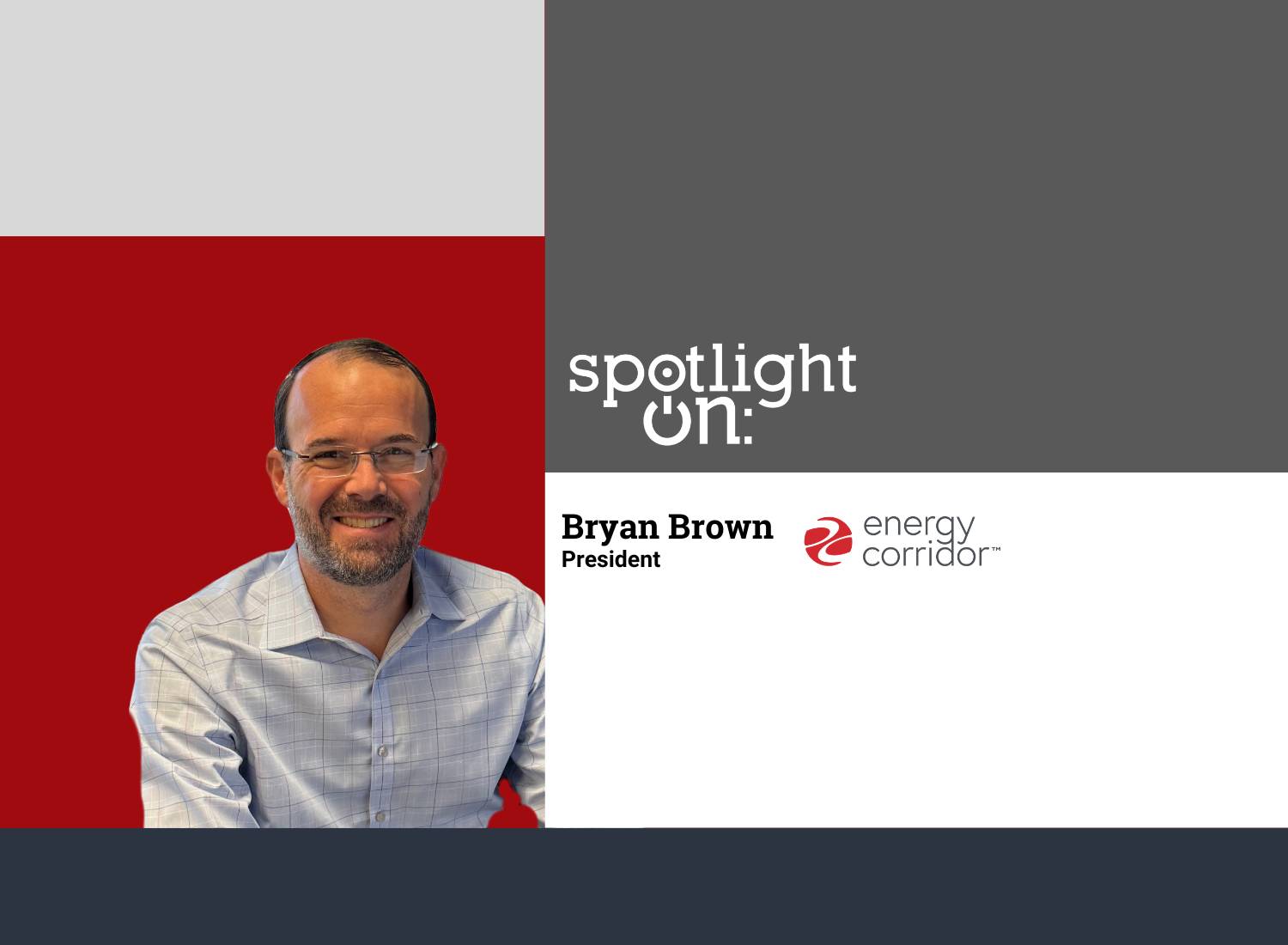 March 2026 —Invest: spoke with Bryan Brown, president of the Energy Corridor, about Houston’s sustained momentum, why the district continues to outperform national office trends, and how quality, workforce access, and long-term planning are shaping its next phase of growth. “The underlying investment climate in Texas is really yielding dividends,” Brown said.
What have been the most important changes you’ve seen in the Energy Corridor over the past year that directly affect business investment and growth?
If you start with the big picture, Texas and the broader Gulf Coast economy have been incredibly strong. Politics aside, some of the policy shifts at the federal level have reopened energy investment in Texas, and Houston and our ports have benefited tremendously. The level of commerce across the region is really second to none.
I’ve been in Houston for four decades, and this is probably as hot as I’ve ever seen it. That momentum has absolutely flowed into the Energy Corridor. Our core tenant base is energy-focused, and those companies have benefited from both private investment and state-level economic development efforts that continue to attract new businesses to Texas. When you combine companies relocating with companies already here expanding, it’s been a tremendous year. As a native Houstonian, it’s been exciting to watch.
Houston’s office vacancy rate has dropped while many other markets have struggled. What is driving that performance?
The underlying investment climate in Texas is really yielding dividends. We’ve been fortunate in the Houston region to avoid the severe vacancy challenges seen elsewhere, but even within Houston, there are differences by submarket.
What’s remarkable is that our overall office valuations actually increased last year, while many markets were struggling just to stay flat. That’s a strong indicator of demand. A big driver has been the flight-to-quality trend. The Energy Corridor has a high concentration of Class A office space, which is exactly what tenants are seeking right now.
There’s also significant federal and state funding flowing into the region to attract companies. Our role as a district is to support that momentum by staying closely connected to property owners and reinforcing the value we provide, from safety to cleanliness to placemaking. Houston is a massive city, but within our 2.4 square miles, we want companies to feel they’re in a distinctly well-managed environment.
How is the Energy Corridor planning for future housing needs to support continued business growth?
One of the most interesting developments recently was the conversion of a former office tower near BP’s campus into 101 Class A apartments. That project was delivered last September, and it’s performing well.
We also have another multifamily development that broke ground in December and is expected to deliver in early 2027. Multifamily has been strong, and while it’s hard to predict how long that cycle lasts, we do expect future growth to be primarily multifamily rather than single-family.
Looking ahead, there may be room for condominiums, which would be a new product for the district. I wouldn’t be surprised to see something like that emerge over the next three to five years as the district continues to balance office, residential, and supporting retail uses.
Workforce access has long been a strength of the Energy Corridor. How does that advantage continue to shape investment decisions?
Our people are absolutely our greatest strength. We recently updated our land use and demographics study, and the data reinforced just how powerful our workforce access is. More than half of the professional scientists, mathematicians, engineers, and computer scientists in Houston live within a 25-minute drive of the Energy Corridor, and 71% of our residents within that same area have a postsecondary credential — from technical associates to PhDs.
That proximity is a major advantage for employers and employees alike. In a city known for long commutes, having reasonable access to work is a meaningful quality-of-life benefit. Happy employees are productive employees, and that ultimately supports business performance. The depth and accessibility of our talent pool continue to be a major draw.
How are companies leveraging the area’s STEM talent pool to support expansion and innovation?
Energy companies tend to be guarded about what they’re developing, but we know they’re continuing to invest heavily in talent. With work visa processes becoming more challenging, many companies are relying more on local talent, which Houston is fortunate to have in abundance.
That dynamic also encourages highly skilled professionals to relocate to areas like the Energy Corridor, especially when companies are willing to compete for talent. The concentration of STEM expertise remains one of the district’s strongest assets.
Public safety and cleanliness are often deciding factors for site selectors. How do those services factor into your value proposition?
They’re foundational. Landscaping and cleanliness are two of the most visible ways we signal that the Energy Corridor is a special place. We invest in irrigated medians, high-quality landscaping, and daily maintenance crews that keep the district looking cared for and professional.
Public safety is equally critical. We contract with a local constable precinct to provide dedicated patrol coverage, with at least one officer in the district 24/7. That presence helps deter property crime and gives tenants confidence.
We’ve invested in Flock license plate reader cameras to help law enforcement identify stolen vehicles or other flagged activity in real time. We also offer grant assistance to help commercial property owners invest in their safety equipment, such as better lighting and surveillance. All of this reinforces the idea that the district is actively managed and that safety is taken seriously.
How do partnerships help the district address challenges that no single organization could solve alone?
Partnerships are essential. While we have a strong budget funded by property owner assessments, it’s not enough to address everything on our own. We work closely with Harris County Precinct 4, the city of Houston, and a range of nonprofit and community partners.
One example is our parks. Although we’re within the city, our parks are owned and operated by the county, so collaboration is critical for programming and security. Another major win was securing a federal grant through Congressman Wesley Hunt’s office to improve underpass lighting beneath the Katy Freeway, addressing safety concerns in darker areas.
We also work closely with nonprofits and faith-based organizations to address community needs, including occasional unhoused individuals passing through the district. These partnerships allow us to extend our impact well beyond what we could do alone.
What differentiates the Energy Corridor from other Houston submarkets when companies are evaluating long-term investment decisions?
One key distinction is that we’re a suburban office district, which appeals to companies that have already decided downtown isn’t the right fit for them. Houston is fortunate to have several suburban nodes, but the Energy Corridor stands out because of its concentration of high-quality office and residential space.
The flight-to-quality trend has been sustained, not temporary, and we have the product that tenants are looking for. Geographically, the west side of Houston has consistently performed better for office than the east side, which is more industrial. Being close to talent, having modern assets, and offering a well-maintained environment give us a strong competitive position.
Looking ahead three to five years, what types of investment would you most like to see increase in the district?
I expect continued office growth, supported by broader energy and economic trends that favor Texas and Houston. At the same time, the district is well-positioned to become more balanced, with additional multifamily development and potentially condos, along with supporting retail and dining.
Houston doesn’t have traditional zoning, so development is largely market-driven. That means our role is to stay nimble and be ready to support property owners as opportunities emerge. Overall, I’m optimistic. We’re positioned for growth, and we’re prepared to adapt as the market evolves.
What recent milestone best reflects the district’s long-term stability and stakeholder confidence?
One of the most important milestones for us recently was passing our 10-year service plan. That agreement, which requires approval from property owners representing more than 50 percent of the district’s commercial value, provides long-term stability and confidence that we can continue delivering on our mission. Getting that completed was a major achievement for the organization and sets us up well for the decade ahead.
The District punches far above its weight. We provide incredible services in public safety, public realm, economic development, transportation, and so much more, and we do it at literally pennies on the dollar. We leverage a small assessment to do big things. After Hurricane Beryl, for example, while many other parts of the city struggled to reopen, we had our streets cleared and our businesses opened within 24 hours thanks to the District’s efforts. No single business, no matter how large, could have accomplished that alone. Decision-makers realize the value that being in the District brings.
We are particularly proud of the fact that our plan passed with the approval of nearly 60% of our property holders, representing over $2 billion in commercial real estate. That more than almost anything else speaks to the quality and value the District provides and is a huge testament to the confidence our stakeholders have in our team and the value we provide.
Want more? Read the Invest: Houston report.