





Spotlight On: Carolyn Bilski, Mayor, City of Sealy
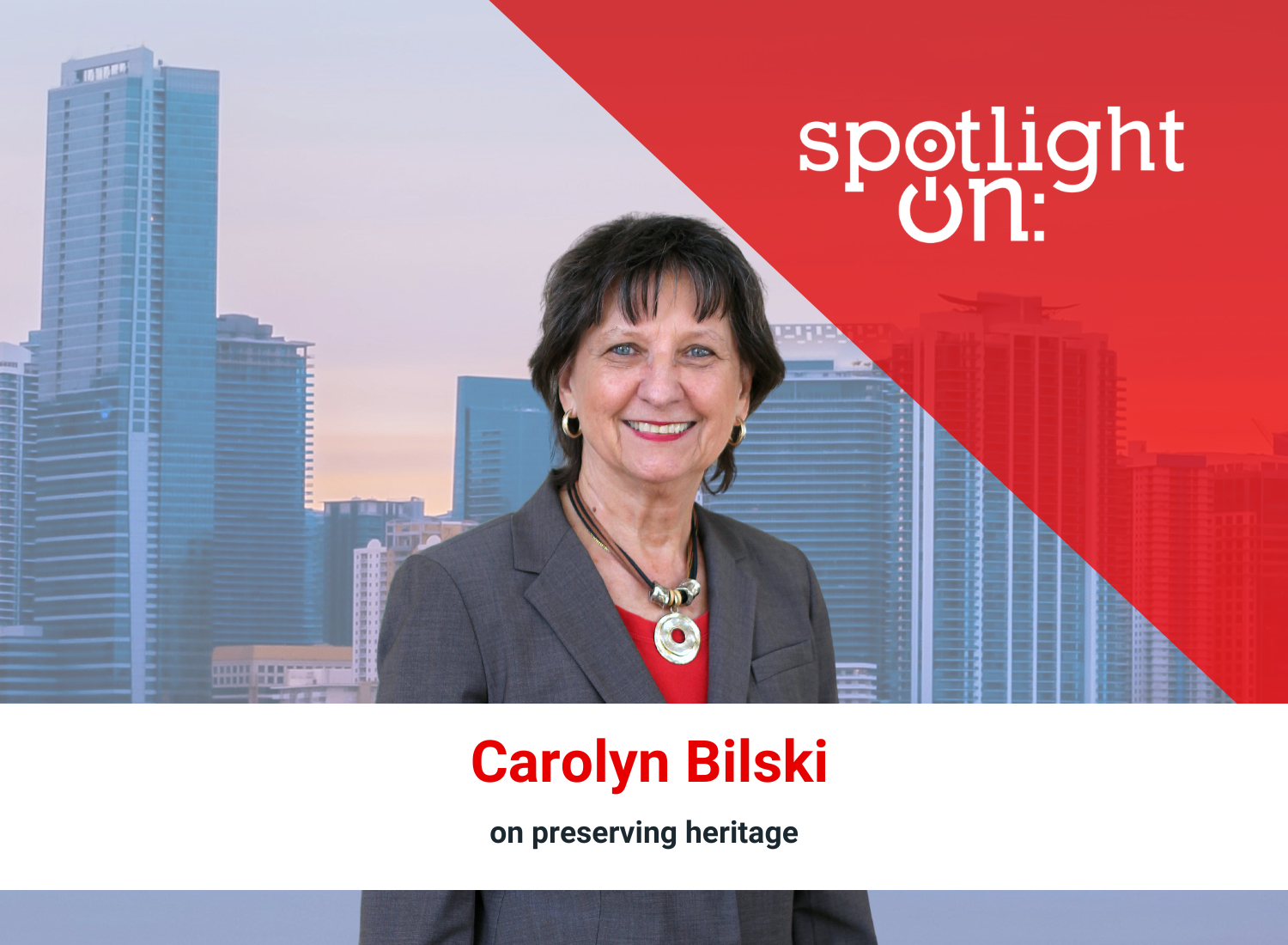
June 2025 — In an interview with Invest:, Mayor Carolyn Bilski of Sealy highlighted major infrastructure gains, including new water wells and expanded wastewater facilities to support rapid growth. She also emphasized efforts to preserve Sealy’s heritage and small-town quality of life.
What are some highlights or key initiatives from the past year in Sealy?
If you remember, in 2019, 2020, and 2021, there was a lot of manufacturing interest coming to Sealy, especially with Interstate 10 becoming a major corridor. We’ve really grown in terms of connectivity between Harris County, Houston, Katy, and Sealy — and that continues to improve.
Some of our biggest accomplishments have been in infrastructure. We added a water well, and we have two more planned. We expanded our wastewater treatment plant and lift station, and we’re doing everything we can to get the infrastructure in place for our growing population. Our public works department replaced all the water meters with smart meters. We also met all the state and federal mandates, including the lead and copper water study and the Texas Railroad Commission’s line replacement. A lot of this was catch-up work that had been neglected for years, but we’ve made great progress and have a strong staff in place moving forward.
What makes Sealy a unique place to live or start a business?
Sealy is quite unique. When you cross the Brazos River Bridge heading west, you enter a different culture — a community rooted in Czech and German heritage with a strong work ethic. People here take care of each other. We’re still a friendly town, willing to help out.
We have a historic component, too. The original Texas Colony and landmarks like Stephen F. Austin State Park and the San Felipe de Austin State Historic Site are two very worthy visitor stops just outside of our city limits. And you can’t forget the Czech kolaches from local bakeries. Sealy is a beautiful place with wide streets and huge oak trees and a rich culture. It’s a small town, but we’re growing — and growing with a lot of dynamic things happening.
With the city growing, how are you ensuring essential services like healthcare, education, and public safety keep up?
That’s the key — continuing to work on the infrastructure. If you don’t have safe, clean water or working wastewater treatment plants, you’re already at a disadvantage. We got through the water well moratorium back in 2020, and now we’re in a much better place. Of course, there’s still work to do.
We also work closely with TxDOT and other state and federal partners to try and avoid the kind of traffic congestion people are escaping from in Harris County. Public safety is a huge concern. People want their kids to be able to play in the yard.
Right now, we have adequate police protection. Our Economic Development Corporation has invested in Flock cameras, and we’re working with DPS on additional public safety initiatives. We’re trying to stay on the cutting edge while keeping our quality of life intact.
How are you supporting local education and working with ISDs and colleges?
We work closely with our school district and with Blinn College. In fact, in April, we had a roundtable with our regional chamber of commerce, the school district, and other local partners. There’s continuous dialogue and communication to plan ahead.
When developers come to see me, the chamber, or economic development, we all talk to make sure everyone’s on the same page. For example, there’s a developer with 900 acres planning a large subdivision with commercial and retail — some of it in city limits, some not. We’re working with the county and looking at how services like water, sewer, and drainage will be handled through the MUD. Even if it’s outside city limits, it still impacts the area, so we have to plan together.
What efforts are being made to preserve and enhance parks and green spaces?
That’s one of our biggest challenges. Our park spaces are pretty well built out. We’re asking developers to not just pay parkland dedication fees, but to actually build parks, putting in soccer fields or open spaces in their subdivisions so kids have a place to play.
We have the Chapman B&PW Park, which hosts tournaments and our Greater Sealy Little League. We’ve got walking trails at the Cryan Park and Pond, and we’re planning to expand those. We also just passed a resolution to apply for a TxDOT grant for more sidewalks through the Transportation Alternatives program. We’re doing what we can to make sure people have access to the outdoors and fresh air.
My biggest concern is if the legislature places too many restrictions on Home Rule cities. Unlike deed-restricted communities, we rely on our ordinances to protect quality of life, and that gets harder if we lose local control.
How are you working with neighboring cities, the county, and state officials to support regional growth?
We’re always collaborating — it’s critical. We work through the Texas Municipal League, Houston-Galveston Area Council, and many other partnerships. We all have each other’s phone numbers, and we talk when issues come up.
But what concerns me is when smaller cities like Sealy get grouped in with large urban centers. Legislators sometimes don’t see the difference, and those decisions can affect us in ways that don’t always make sense for smaller communities.
We’re also working with landowners on things like a relief route or expanded thoroughfare, trying to stay ahead of the truck traffic. Right now, if you’re coming into Katy on I-10 at 3 p.m., it’s already backed up — and it’s not even rush hour. We don’t want Sealy to become that. We’re working hard with our boards and community volunteers to avoid it.
What are your top priorities for the next two to three years?
Communication and planning — bringing the right people to the table. I was at a conference where they said, “If you want to preserve what you have, developers need to be at the table with more than their business plan — they need to bring their pocketbooks.” That stuck with me.
We have to make sure that the people who come here understand our culture and heritage and why it’s important to invest in Sealy in a way that supports the long-term vision, not just the short-term project.
Tourism is an area we want to grow. Whether it’s a stopover on the way to the Alamo or a weekend trip, Sealy has so much to offer. We have beautiful historic homes, and the original Sealy mattress factory started here — it’s now in Brenham, but our roots are strong.
We also have a historic German dance hall from the early 1900s that the city and Economic Development Corporation are restoring by replacing the wooden dance floor with the anticipation of offering many more dances. Every month, there’s a dance at the American Legion Hall. We try to create a space where families, young and old, can enjoy a night out together.
This is my home. I lived in Houston briefly for college, but we moved back in 1981 to raise our three children. One of my daughters is now the CFO of the school district. It’s so meaningful to see generations returning to Sealy — it speaks volumes about our community. When you can go to a ballgame or church and see three generations together, you know you’re in a special place.
For more information, visit: