






Spotlight On: Cheryl Tracy, Executive Director, National Aviary
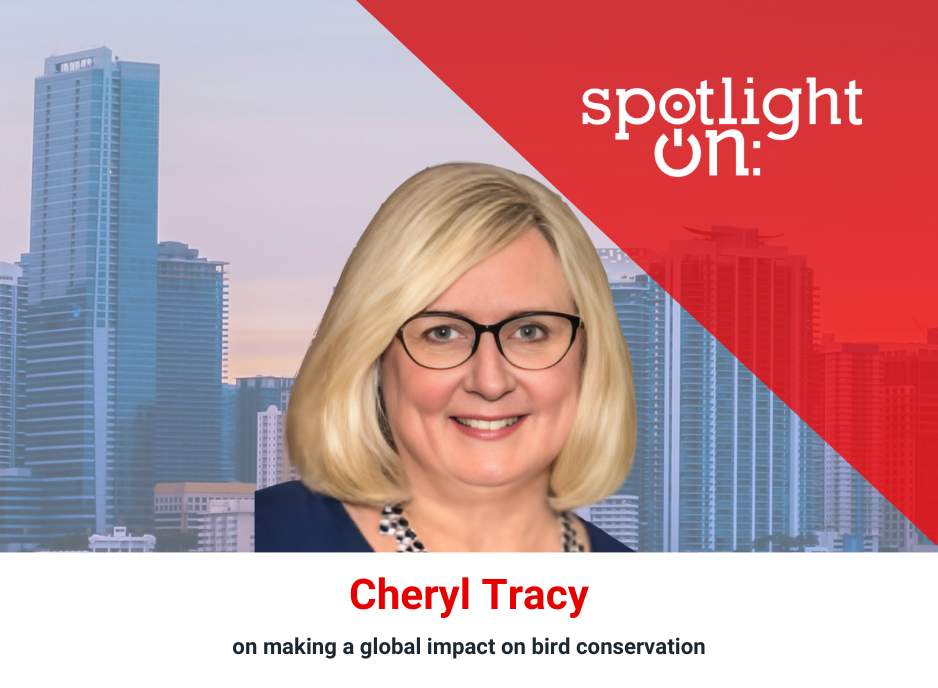 August 2025 — In an interview with Invest: Cheryl Tracy, executive director of the National Aviary, discussed the organization’s recent growth, upcoming conservation initiatives including announcing the launching of a state-of-the-art conservation and breeding center, and efforts to engage visitors through immersive programming. She also highlighted their evolving educational mission and the impact of their year-round event space The Garden Room. “We’re just getting started, you can feel the momentum,” she said.
What are the major changes for the National Aviary during the last year?
We’ve been around for almost 75 years, but in the last 10 to 15 years, there have been major changes at the Aviary. I think we’re just getting started, you can really feel the momentum. We continue to break records in terms of how many people are visiting the Aviary. We’ve reached new milestones in our education and conservation programs. In 2025, through a partnership with Kent Rockwell and his foundation, we announced the launching of a transformational project. We were gifted approximately 35 acres of land and a 45,000-square-foot building. Along with that, we have been provided an endowment to help cover operating expenses. We plan to transform that space into a hub for things we already do behind the scenes at the Aviary.
One component is a teaching hospital where we train interns from around the world. We have Dr. Pilar Fish, one of the leading veterinary experts, on our team. She and her staff train dozens of interns each year on advanced medical protocols for birds. This makes us unique, and we want to take it to the next level by creating a new 6,000-square-foot teaching hospital to host even more interns from around the world. We also conduct field conservation research around the globe, including in the Dominican Republic. But currently, we don’t have a central hub for that work. This new center will provide one, allowing us to host interns and fellows and offer hands-on research opportunities.
We also plan to establish a breeding center. We work with endangered birds and currently are the leader of the Association of Zoos Aquariums: Saving Animals From Extinction (SAFE) program for African Penguins. This year, we hatched two penguins who just joined the colony at Penguin Point. We’re working to save this Critically Endangered species who are estimated to be functionally extinct in the wild by 2035. Last year, for the first time, we installed artificial nest boxes in Namibia to address habitat loss.
This center will allow us to focus on breeding programs for Critically Endangered species — even birds that are extinct in the wild — and help reintroduce offspring back into their natural habitats. We believe we’re on the cusp of something major. We’re already leading many of these efforts, but this new center will allow us to continue to make an even larger global impact on bird conservation, and we’re incredibly excited about that.
How has the Garden Room raised conversation awareness in the broader Pittsburgh community?
We had a nice outdoor garden area that we used for events, but could only use it three to four months each year. So, in 2020 we built The Garden Room as a year-round space that still feels connected to nature. All the glass walls open to the outdoors when weather allows, and it overlooks our rose garden, which borders a beautiful city park with trees and a natural lake.
The Garden Room uses bird-friendly glass, aligning with our mission to inspire respect for nature through an appreciation of birds. Many guests who attend weddings and graduation parties here tell us they haven’t visited the Aviary in years and want to return. Nearby habitats are often open during events, allowing guests to explore and see birds up close.
We offer educational programs every hour, giving guests meaningful interactions with birds and opportunities to learn about conservation. These personal connections help reinforce our mission and support our programs.
What trends do you see shaping the visitor experience?
At the Aviary, there are many ways for visitors to engage. You can hand-feed our birds — some will even land on you to enjoy exciting Daily Activities, larger-than-life décor, photo opportunities, and more during our rotating seasonal themes. Our newest show, Passports to Parks, presented by AAA Travel takes audiences on a journey through national parks around the world, with live birds flying overhead and creating an immersive experience.
Throughout the day, we also offer add-on small-group encounters, including interactive penguin feedings, a chance for guests to hold a bird of prey on their gloved hand, meet a sloth up close and more. Other Aviary programming includes painting and photography workshops, and even falconry classes — all featuring live Animal Ambassadors. These hands-on experiences are powerful and memorable, and we’re seeing a rise in visitors as a result.
More than 50% of our guests now come from outside Allegheny County, and half of those are from out of state, showing our growing regional and national appeal.
We see continued growth ahead and are especially excited for the upcoming NFL Draft next year, which is happening nearby. We hope it brings even more visitors to discover what makes the Aviary so unique.
What are your top priorities for deepening the Aviary’s role in Pittsburgh’s economic and cultural landscape?
One of our next big steps is developing our new conservation center, and we’ll be actively fundraising for that. At the same time, we’re always evolving our programming at the National Aviary. We design seasonal programs so that guests experience something new each time they visit, whether it’s summer or winter, there’s always something different.
In addition to over 500 birds, we have about 15 mammals. We’ve done pop-up encounters with animals like skunks and hedgehogs, which help keep things fresh and exciting.
With such a diverse animal collection, the opportunities are endless. We’re constantly finding new ways to engage visitors and encourage them to return multiple times a year.
For more information, please visit: