Spotlight On: Curt Edwards, Managing Director, Wealth Management Southeast Region, Wilmington Trust
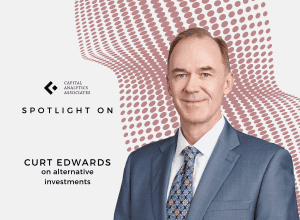
November 2024 — In an interview with Invest:, Curt Edwards, Managing Director, Wealth Management Southeast Region at Wilmington Trust, discussed the firm’s significant growth in the region, the impact of new residents and businesses relocating to Florida, and how Wilmington Trust is shaping South Florida’s financial landscape through strategic investments and philanthropy.
What have been some key milestones and achievements for Wilmington Trust in the region over the last 12 to 18 months?
The best part is that we’re growing in many different ways. Our employee count has been increasing and we’re bringing on more complicated and sophisticated families. You can see this, especially in Miami, where the demographic has changed dramatically since the pandemic. There’s been a mass migration from the Northeast where we have a strong presence. Wilmington Trust has been well received in the Southeast, and we’ve benefited from this migration. Additionally, many companies from the Northeast have quickly found their way into the Palm Beach to Miami corridor, and some fascinating things are happening.
How has the influx of new residents influenced your growth strategy and client relationships, and how are you leveraging your connections to benefit from this trend?
Florida is a great place to live and do business. It’s business-friendly, and counties like Miami-Dade offer incentives for companies to move here. We’re educating business owners and Families on transitioning to the Southeast, especially Florida.
The focus has shifted from, “How do I move my personal wealth out of the Northeast?” to, “How do I relocate my 500+-employee company?”
Strong Leadership from the Governor and Miami’s mayor has played a major role in making Florida such an attractive place to live and work.
How are you helping your clients navigate the current economic landscape?
Managing multi-generational wealth involves ensuring our clients have the ongoing clarity, perspective, and control necessary to identify and achieve their long-term priorities with peace of mind.
We are building portfolios to reflect our core economic narrative with slowing growth, waning inflation pressure, and a normalization of the labor market. Our view of the economy, Federal Reserve, and earnings is constructive for risk assets and a continued broadening of equity leadership.
How do you view the role of alternative investments in today’s market?
The term “alternative investments” can seem daunting, but it serves an important role today.
The alternative space is promising but highly thematic. History tends to rhyme, so we seek investment themes aligned with the current market. Speculative investments like crypto or Bitcoin are in a different category. While interesting to explore, they aren’t reliable inflation hedges or stores of value like gold, relying instead on market mood, which fluctuates.
On the other hand, businesses benefit from speculative markets. Consider the internet — while the enterprises vary, the infrastructure (servers and networks) remains essential. AI is another example; it requires immense energy to operate, and those investing in the infrastructure behind AI profit. Over time, new trends will emerge, but the key is focusing on the foundational elements driving those innovations.
How are your clients integrating sustainability or social values into their investment practices?
Integrating sustainability and social values is a mixed bag. ESG investing is popular, but I’m not sure the outcomes or costs are sustainable.
Many wealthy individuals prefer to express their values and legacy through philanthropy rather than investments.
While ESG investing sounds good in theory, I’m not convinced it’s the most effective way to create change. I also question whether activist shareholders should dictate social change through public companies. Shareholders should have a say in how profits are spent, and that shouldn’t necessarily be dictated by a small group. It’s an ongoing debate, and I’d love to hear more perspectives, but for now, I’m not sold on ESG’s long-term viability as an investment strategy.
Is there anything in the legislative or regulatory arena that you’re monitoring that could impact your business in the next few years?
One issue on my mind, though slightly outside my focus, is the rising cost of property and casualty insurance in Florida. Home prices and rents are high, and insurance costs make them even more prohibitive.
To maintain Florida’s economic growth, we need to address these rising costs to ensure we can continue to recruit the best and brightest to the great State of Florida.
How is Wilmington Trust contributing to South Florida’s growth, and what role do you see the firm playing in shaping the region’s financial landscape over the next decade?
Over the next decade, we’ll continue to grow and build a culture of success within the company and in the communities we serve.
Looking ahead, Florida, and the Southeast, will continue to grow, but each city is unique. Miami differs from Fort Lauderdale, Palm Beach, Tampa, or Jacksonville, and adapting to these differences is key. I see Wilmington Trust playing a major role in shaping South Florida’s financial landscape as we expand and support the region’s growth.
For more information, please visit:
https://www.wilmingtontrust.com/