





Spotlight On: Dan Kodsi, CEO, Royal Palm Companies/RPC Holdings
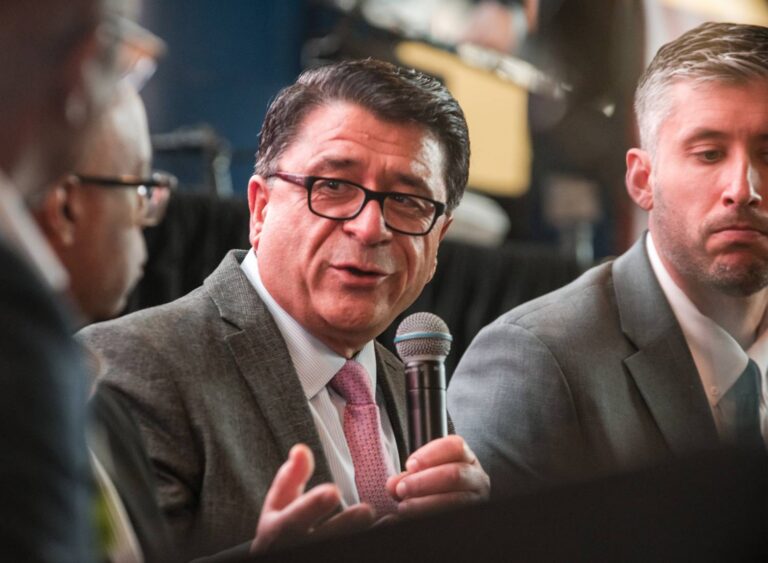
 January 2026 — Invest: sat down with Dan Kodsi, CEO of Royal Palm Companies – RPC Holdings, to discuss how he reads South Florida’s real estate cycles, what “achievable” housing looks like in today’s market, and why future-proof development starts with mobility. “You have to anticipate when you’re delivering the project, not when you’re building the project,” Kodsi said.
Join us at caa’s upcoming leadership summits! These premier events bring together hundreds of public and private sector leaders to discuss the challenges and opportunities for businesses and investors. Find the next summit in a city near you!
What are the key factors that drive your decision-making process when choosing new projects or investment opportunities?
Cycle-reading is the biggest driver. Development is a long game, and you can end up building in one market and delivering in another. I’ve developed in Miami and South Florida since 1991 and across other Florida markets since the late 1990s, and the lesson is consistent: don’t underwrite the deal to today’s mood. Underwrite it to the market you expect when the project opens.
In 2021, when interest rates were extremely low and condo launches were everywhere, we leaned into apartment projects instead. The view was that the market would flip, and by 2022 and 2023, higher rates and higher construction costs made many projects, especially high-rise projects, less feasible. That’s why we moved into lower-rise apartments and, in some cases, shifted activity to Central Florida, where a four-story wood-frame product with surface parking can often be delivered at a much lower cost than a comparable high-rise product in Miami.
That cost gap drives behavior. When you can deliver a larger unit for far less, people looking for affordability will move north, and Miami still needs a workforce that can afford to live here. At the same time, Miami has been adding higher-income residents and corporate relocations, which supports demand at the top end. We try to design to both realities: lower-rise rentals that can save 20% to 25% on construction costs versus high-rise, and smaller for-sale formats like micro-condos that create an entry point for buyers and investors.
The narrative about Miami only goes so far. We invest real dollars, so we rely on indicators and long-term thinking. Development is where you have to anticipate when you’re delivering the project, not when you’re building the project.
How do you ensure these projects align with community needs and maintain long-term value for residents and investors?
Mixed-use has to fit its location. In Miami’s urban core, the mix is different from what works in a suburban environment. One project we’re planning is a large mixed-use development on a 14-acre site in Uptown Aventura.
Aventura doesn’t have a traditional town center. The mall is an anchor, but the community also needs an outdoor, walkable place where residents can gather, sit at cafes, and spend time together. Our goal is to create a neighborhood, with a mix of apartments, retail, limited office, and residences for sale. We’re also exploring micro-condos, including options designed for short stays with hotel-style amenities, because that part of the region has lacked a strong lifestyle hotel offering.
To make it work for residents, you have to build places people actually use: shaded outdoor areas, circulation that’s comfortable in Miami’s heat, restaurants and entertainment features, multi-use spaces, a small park, and programming like farmers markets. If people choose to be there at night and on weekends, you’ve created real value. Long-term value comes from building an environment that strengthens community life, not just adding square footage.
We’re also paying attention to local priorities, including workforce and community initiatives. In Aventura, that means supporting programs like Hero Housing and contributing to broader civic needs, including the area’s new high school. When a project is aligned with what a city is trying to become, it’s more resilient across cycles.
How do you balance the needs of different market segments, and what factors determine how you approach each type of development?
We start with residential. The company was founded on residential, and every cycle I’ve lived through reinforces how important it is to understand the end user, whether that’s an owner or a renter. When we do mixed-use, the non-residential components are there to support the residential.
If we include a hotel, it’s because the brand, amenities, and lifestyle story help sell or lease the residences. If we include office or retail, it’s because that program activates the neighborhood and makes the residential more valuable. I’ve bought office buildings and shopping centers in distressed situations, but I’ve never built a pure office building or a stand-alone shopping center. Residential remains the lens that keeps us disciplined.
With increasing demand for smart and tech-integrated homes, how is RPC Holdings addressing the rise of digital and technological innovations in your real estate offerings?
Technology in the home matters, but I think the bigger shift is outside the home. People have talked about voice-activated houses for decades, and most residents still want a simple switch. There’s only so much smart-home tech that improves daily life before it adds friction, and many of the basics, like thermostats, are already programmable.
Where technology will reshape real estate is mobility and logistics. Miami’s street network hasn’t fundamentally changed in decades, and congestion has been real for a long time. Future communities need to plan for pickups, drop-offs, and circulation, whether that’s shuttles, rideshare, or autonomous vehicles. We’re already building that into our planning with designated nodes and clear wayfinding, similar to airport pickup systems.
Autonomous vehicles are one piece, and vertical mobility could be another. VTOL concepts and air-taxi models may connect major nodes like airports to neighborhoods, with ground transportation handling the last mile. Whether that’s two years away or ten, the direction is clear: real estate will increasingly be judged by how well it plugs into transportation systems, how safely it manages flows, and how it adapts as mobility changes.
Looking ahead, what are your top priorities for RPC? Are there any exciting projects you want to share?
We’re planning to launch three projects in 2026: the Aventura neighborhood, another project in downtown Miami, and a small luxury boutique project on the beach. Each one is designed around where demand is going and what costs look like.
The priority is delivering an accessible product. I’m not calling it affordable, but it has to be achievable. That means leaning into lower-rise luxury apartments when possible to manage construction costs, and designing for-sale units that are smaller so the overall price point is lower while still delivering quality.
We’re also revisiting how people actually live. We used to build larger two-bedroom units because people had bulky televisions, big media furniture, and more storage needs. Many residents today can live well with less space, and they’d rather pay for a good location, strong design, and amenities that fit their routines. In one project, we’re eliminating the formal dining room so we can give that square footage to the kitchen, where people naturally gather around a countertop.
So the focus is to stay disciplined on costs, design for real behavior, and keep building products that make sense not only for today, but for the cycle you’ll be delivering into.
Want more? Read the Invest: Miami report.