






Spotlight On: David Nelson, President, Catawba College
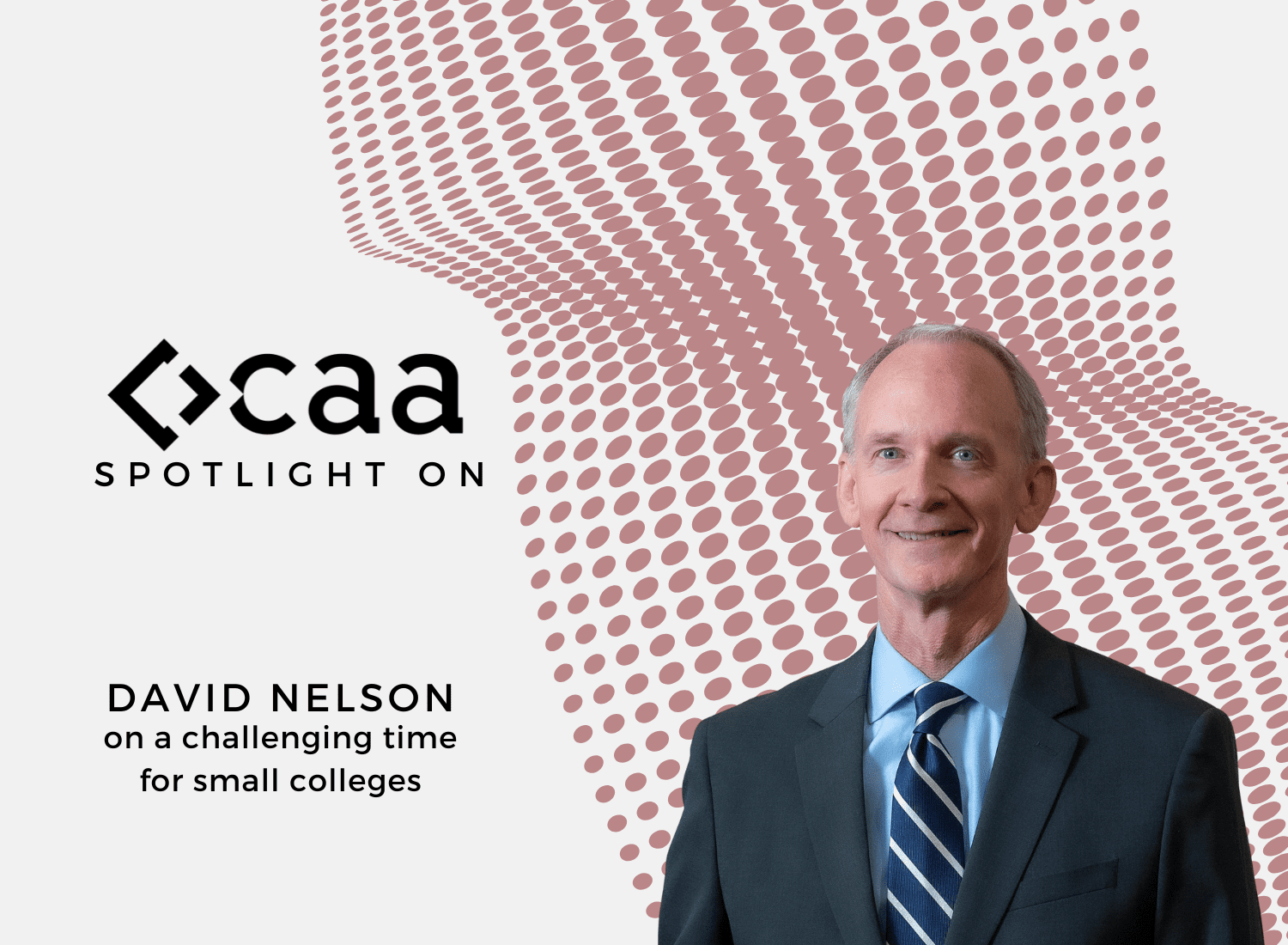 January 2025 — In an interview with Invest:, David Nelson, president of Catawba College, discussed the college’s success in achieving carbon neutrality seven years ahead of its goal, and its financial resilience after increasing its endowment from $66 million to over $600 million. “It has been a good year at Catawba College,” he said.
Reflecting on the past year, what have been the key milestones or achievements for Catawba College?
It has been a good year at Catawba College. Enrollment is up, and we just celebrated four consecutive years of enrollment growth. That is not something you see happening everywhere, but it has been the case for us. We are pleased with both the quantity and quality of applicants.
In addition to that, we have been attracting high-quality faculty and staff, which is a key part of our success. A college is only as good as its people, and we appreciate the commitment of those who work with our students every day.
We have also made significant progress improving our facilities. We completed around $35 million in campus upgrades over the past five years and are now commencing an additional $60 million worth of improvements.
Innovation has been another area of growth. About a year and a half ago, we achieved carbon neutrality, seven years ahead of our 2030 goal. This makes us the first campus in the Southeast, the first in North Carolina, and the 13th nationwide to reach that milestone. Environmental education and sustainability remains a core focus for us, transforming our campus into a living and learning laboratory for conservation and environmental stewardship.
We also opened the Graham Lab, a genomic sequencing lab at the North Carolina Research Campus in Kannapolis. It is unique because it offers undergraduate students the opportunity to engage in work that is typically reserved for graduate studies. Another exciting development is the launch of Dreamscape Learn, an education platform using immersive technology. We are the first college in the Southeast and the first of our size to implement this program. We are piloting it with students in Biology 101, using immersive technology to complement traditional labs created by Arizona State University. We plan to expand the use of Dreamscape across our curriculum so every Catawba student has access to learning in this modality.
Lastly, our financial situation has improved remarkably. Our endowment has grown from $66 million to over $600 million, and we are now debt-free. This growth includes two $200 million gifts and has allowed us to support students through scholarships and innovative programs. With an endowment of this size, we are among the top colleges in the Southeast in terms of financial stability.
How would you describe the higher education landscape, and what are some of the main challenges?
It is a challenging time for small colleges. The cost of education is substantial, and the scale of small colleges can make it difficult to manage operational budgets and fund infrastructure projects. Enrollment is also a challenge, given the declining demographics of traditional college-aged students.
The pandemic has added another layer of complexity, with many families questioning the value of a college education. It is a significant financial investment, and people want to be sure it is worth it. We have responded by staying true to our mission of providing a residential liberal arts education. While we offer select online programs, our primary focus remains in-person learning.
We also offer generous scholarships, which amount to an average of $28,000 per student annually, amounting to over $32 million in aid in this past academic year. This allows us to keep student debt low and make our education more accessible. A significant portion of our student body, 39%, is Pell-eligible, meaning they come from families in need of financial assistance. Enabling students to receive an exceptional education on these financial terms makes a Catawba education a genuine value.
One additional challenge we faced recently was the rollout of the new FAFSA (Free Application for Federal Student Aid), which aimed to simplify the financial aid process but ended up causing significant confusion for families. Some students with the greatest need found the new process difficult to navigate, leading to lower enrollment at many colleges. Fortunately, we did not experience that decline, but it remains a concern for the broader higher education landscape.
How do you envision Catawba College’s role in shaping the next generation of leaders and innovators in Charlotte and beyond?
We are committed to providing students with an exceptional education that integrates academic excellence, personal formation, and the exploration of vocation. Our faculty are experts in their fields, and they truly get to know students on a personal level. In addition to focusing on “what” students want to do, we ask them, “Who are you?” and “Who do you want to be?” This deeper level of self-reflection shapes their personal and professional development.
Exploring vocation at Catawba goes beyond preparing students for jobs. It involves helping them consider what they love doing and what they are skilled at, and where their loves and skills meet the world’s needs. We emphasize well-being, equity, and belonging – what we call “WEB” — so that our students are equipped to contribute positively to their communities and workplaces.
Innovation and leadership are also deeply intertwined in our approach. Humans are naturally curious, but sometimes that curiosity fades. College is a time to reignite that curiosity. We encourage students to take thoughtful risks because leaders in any field are often willing to step into uncertainty. At Catawba, failure is seen as part of the learning process, and students know they are supported when things do not go as planned.
We also build high-impact practices, such as study abroad programs, internships, and undergraduate research, into every student’s journey. These experiences are essential for developing adaptive, forward-thinking leaders. Our location near Charlotte also gives students access to valuable internships and connections with business leaders, further enriching their education.
What are your top priorities and goals for Catawba College in the coming years, and what legacy do you hope to leave behind?
We are in the second year of a 5-year strategic plan, which sets our aspirations toward a 10-year horizon to guide our progress. One of our primary goals is to become a truly student-ready campus. The world often tells young people that they need to be college-ready by the time they are 17 or 18 years old. But we are turning that idea on its head by asking ourselves how we, as a college, can be ready for our students.
When we admit a student, we are saying that we believe they have what it takes not just to succeed but to thrive here. We are committed to supporting them every step of the way, preparing them not only to make not only a good living but also to live a good life.
Another key priority is becoming the best small college in the country for sustainability. This is a real priority for us, and we believe Catawba can lead the way, especially in the Southeast. We are also focused on making this a great place to work for our faculty and staff. These individuals are the heart of the college, and we are implementing initiatives to help them grow personally and professionally while doing meaningful work.
Finally, raising awareness about Catawba College is a major priority. We recently launched a visibility campaign, starting in Charlotte and Raleigh, with ads on buses, billboards along I-85 and I-40, and more. My biggest concern is that there are students out there who would thrive at Catawba but they do not know we exist. We are working hard to change that and ensure that more students find their way here.
For more information, please visit: