







Spotlight On: David Ottati, President & CEO, AdventHealth West Florida Division
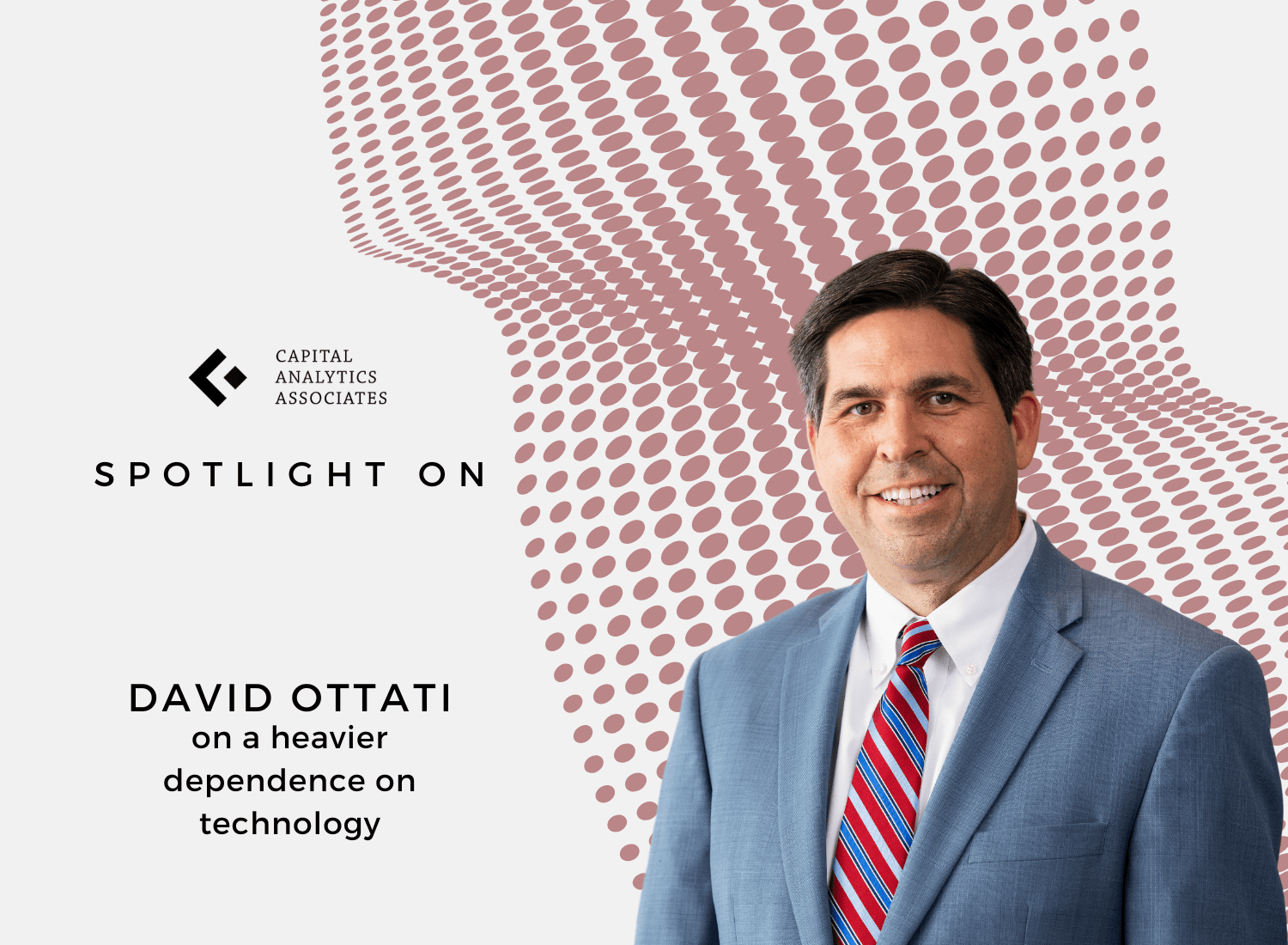 December 2024 — In an interview with Invest: David Ottati, president and CEO of AdventHealth’s West Florida Division, highlighted the launch of AdventHealth Riverview, and how the region’s first helicopter, AirStar 1, is enhancing emergency care.
What have been AdventHealth’s key achievements in Tampa Bay over the past year?
There have been several major accomplishments. First, our network of care has grown significantly, including our virtual offerings, which we’ve remodeled extensively to make our system easy to access and simple to use. For instance, our AdventHealth app is nearing 3 million users, with a 4.6-star rating, and improving access to care across primary and specialty care. We’ve also added over 100 new physicians and providers in the past year. Our network of ambulatory locations continues to grow, including rehab and imaging centers, our primary care pavilions and medical plazas. In the past year, we’ve opened two new freestanding (offsite) emergency departments. The biggest milestone, though, is the grand opening of our newest hospital, AdventHealth Riverview, after nearly four years of planning and construction.
How does the new helicopter service enhance your emergency response capabilities?
Our helicopter service, AdventHealth AirStar 1, is a vital addition to our emergency response capabilities that includes our ambulance fleet of more than 20 vehicles. Our network of care spans from Ocala down through the Tampa Bay region, and across Polk, Hardee, and Highlands Counties, so having a fast, reliable way to transport patients to specialized services is essential. Each mode of transportation, whether by ambulance or helicopter, plays a critical role because in emergencies, every second counts. With AdventHealth AirStar 1, we can move patients quickly between facilities, ensuring they reach the level of care they need, especially for time-sensitive conditions like stroke or trauma. It’s already being used frequently, providing another layer of high-quality, fast response that meets the demands of our growing patient population. This service helps us cover more ground and offer timely care across the region, which is invaluable in critical situations.

What trends are you seeing in patient care, and how is AdventHealth adapting?
A trend we are seeing is a heavier dependence on technology and we are heavily invested in AI. That’s why AdventHealth has developed a comprehensive AI roadmap, applying it across various areas. For example, we use ambient voice technology that helps document physician-patient conversations, allowing clinicians to focus more on patient interaction. AI also assists with medical imaging, serving as a “second set of eyes” for radiologists, which improves diagnostic accuracy. Additionally, AI-powered analytics help us identify patient risks, such as sepsis or falls, and guide our preventive measures.
We’re continuously investing in our systems, with nearly a billion dollars spent on enhancing both front-end and back-office technology. This allows us to mine data more effectively and improve the overall patient experience.
Also, stable staffing is essential to providing consistent, high-quality patient care because healthcare is shifting in several ways. First, planning our workforce talent pipeline needs are crucial, especially in competitive markets like Tampa Bay with low unemployment. We have approximately 18,000 employees in our division, so investing in their growth, training, and retention is a top priority for us.
What steps is AdventHealth taking to address social determinants of health and improve outcomes across diverse patient groups?
Within our organization, we’ve built a dashboard analyzing 108 clinical conditions across metrics like complication rates, mortality, and length of stay, then stratified by factors like ethnicity, gender, race, and insurance. This allows us to tailor our care plans to different patient segments.
For instance, we’ve learned that treatment strategies can differ between patient groups to achieve the best outcomes. For a Hispanic female with diabetes, we might approach treatment differently than we would for a young white male with the same condition. We’ve asked each hospital in our company to implement specific, tailored programs for their populations addressing social determinants of health. We now have over 65 initiatives aimed at improving health outcomes based on these stratified insights. It’s a new approach, but it’s already helping us deliver more personalized and effective care.
Our community partnerships also allow us to make a meaningful impact. For example, our collaboration with the American Heart Association has helped improve outcomes for cardiac events throughout the Tampa Bay area, and we’ve been teaching hands-only CPR to empower individuals with lifesaving skills.
Additionally, our AdventHealth Food is Health® program is tackling food insecurity in ‘food desert’ areas. In 2023 alone, we distributed tens of thousands of pounds of fresh produce to underserved communities, provided health and nutrition education through more than 40 multi-week class series, and reached 33 unique sites across seven counties. Through these efforts, we’re improving access to healthy foods and empowering families with knowledge that leads to better health outcomes. We are also partnered with organizations committed to addressing food insecurity, including Feeding Tampa Bay along with many other organizations across the Tampa Bay area.
With the influx of people moving to Florida and an aging population, how is AdventHealth preparing for these demographic changes?
As more people move to Florida and with an aging population, the demand for healthcare is rapidly increasing, and we are building care models that serve different patient segments to deliver a more personalized care experience. For example, individuals over the age of 65 utilize healthcare services 4-5 times more than patients under the age of 65. To meet this demand, we’ve segmented our primary care services into different models. This includes traditional primary care for those who prefer scheduled appointments, urgent care for on-demand visits, and specialized Medicare practices.
We also developed a Primary Care Plus model and a virtual care option, where wait times average under eight minutes for minor issues like earaches or flu symptoms. These models help us serve both younger populations seeking immediate access and older patients with more complex needs. We’re constantly adjusting to ensure we have the right level of access and care.
Healthcare costs continue to be a significant challenge. How is AdventHealth working to mitigate costs for patients?
Addressing costs is a top priority. We know the expenses associated with doctor visits, imaging, surgeries, and hospitalization can be overwhelming. To combat these costs, we’re streamlining our supply chain to reduce expenses, saving hundreds of millions of dollars annually. We’re also working to eliminate duplicative services, so if a patient goes from one provider to another, they don’t repeat unnecessary tests or paperwork. Our billion-dollar investment in technology, including $750 million for electronic health records, ensures patient information flows smoothly across providers and is easily accessible to the patient. This allows for efficient, cohesive care and adds extra accessibility for our patients. Additionally, we’ve set up our own distribution centers, which lets us manage inventory and cut out some of the middleman costs.
 What is your outlook for AdventHealth over the next two to three years, and what are your main priorities?
We’re feeling very optimistic about the future. AdventHealth is a major healthcare provider not just in Tampa Bay but across the state of Florida, and eight additional states across the country – we’re continuing to expand our brand of whole person care. Our partnerships with organizations like the Buccaneers and the Lightning strengthen our presence. Key priorities include maintaining a strong leadership team, high team member retention rates, and leveraging technology to enhance our extensive network of physicians and ambulatory access points. Our quality scores only continue to improve,, thanks to the hard work of our clinical teams and the technology investments we’ve made.
As a not-for-profit, faith-based organization, our mission is to Extend the Healing Ministry of Christ, which means focusing on comprehensive care, not just episodic care. We aim to be a holistic presence in our patients’ lives, connecting care across outpatient, inpatient, emergency, and virtual settings. AdventHealth’s presence is growing throughout Florida. I’d also like to recognize the dedication of our team — our workforce, leadership, physicians, and community partners. We receive valuable input through community boards and advisory positions, which helps us continuously improve. I’m excited about what’s to come and the positive direction in which we’re heading.
For more information, please visit: