






Spotlight On: Ivan Maldonado, Executive Director, Palm Tran
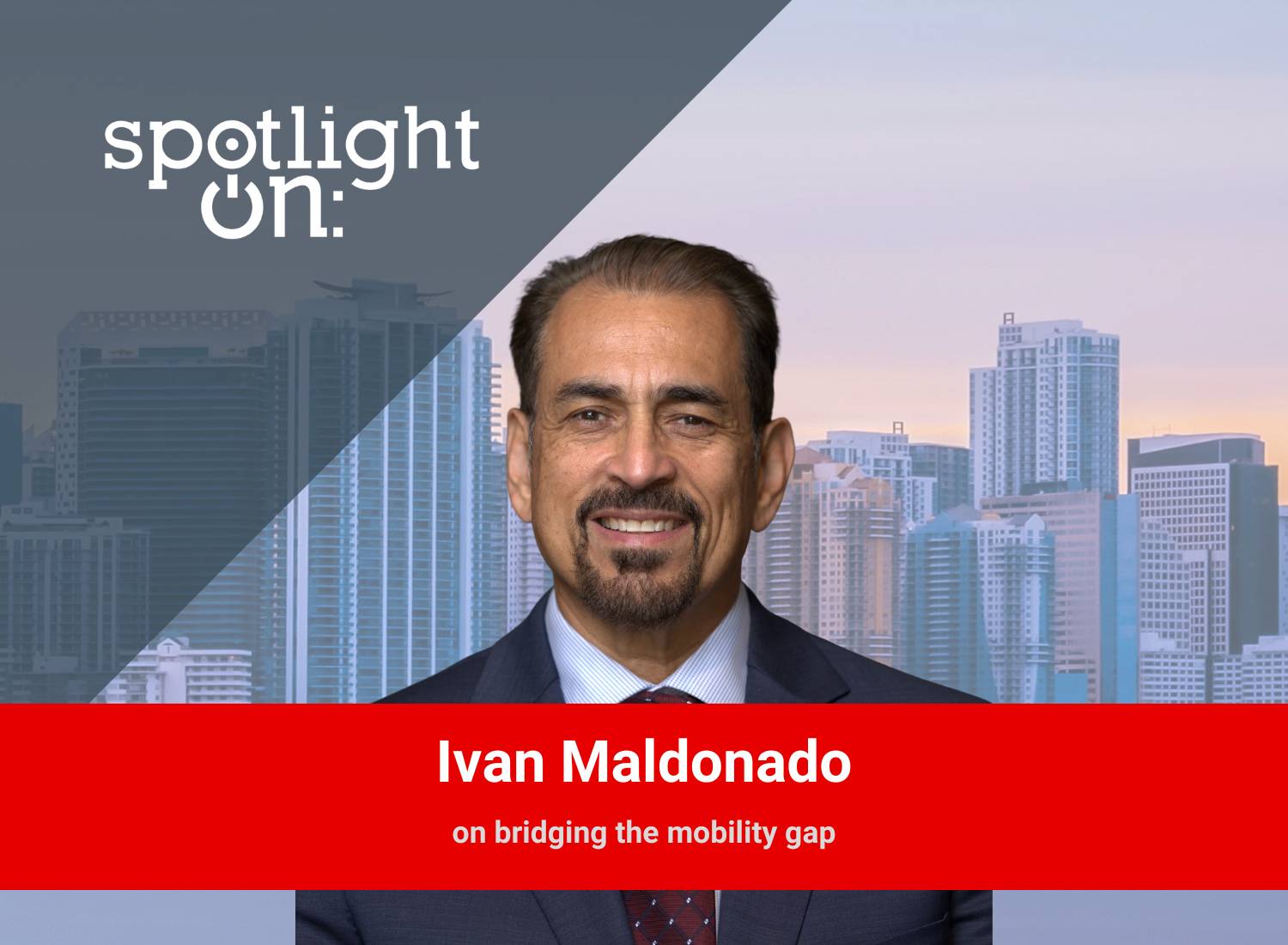 October 2025 — As South Florida continues to expand in industry scope and population size, companies and residents look to public transit to support the region’s transportation needs. In Palm Beach County, Palm Tran experienced year over year change in ridership of more than 1 million trips from 2023 to 2024. Meanwhile, Palm Tran is hard at work ensuring safety, reliability, and first and last mile mobility options for the thousands of daily users who rely on its services to move about the county. In an interview with Invest:, Executive Director Ivan Maldonado highlights recent successes for the transit system, the importance of first and last mile mobility options, and efforts to ensure safety and reliability for its users.
What have been the main developments and key highlights for Palm Tran in the past year?
It has been a very exciting year for me. A key development has been the implementation of our first- and last-mile travel network in relation to rideshare. In 2024, we launched the BusLink pilot program, which allows our users to use rideshare systems like Uber and Yellow Cab to complete their first and last mile transportation needs. Through this service we have provided close to 119,000 trips to customers in different zones. This has been a very successful program, and we are always evaluating ways to enhance it further and make sure it aligns with our fixed-route transportation options. We also launched the Port Saint Lucie Express service, providing riders with the opportunity to commute from Port Saint Lucie to West Palm Beach on weekdays, and connect to all of our routes, as well as Tri-Rail. This initiative was made possible through a successful partnership with the Florida Department of Transportation.
In addition, we are constantly marketing and conducting outreach in the community to promote transit and, as a result of all these efforts, we saw an increase in ridership of about 1.1 million trips from 2023 to 2024. This is a major accomplishment for our transit system.
What factors led to the increase of ridership year over year?
We regained many riders as part of post-COVID recovery; however, a significant portion of the increase can also be attributed to our efforts in marketing transit options, as well as the convenience, reliability, and safety of our services. We want people to be in tune with how reliable our services are and how they can actually save money. We are seeing this trend continue and anticipate surpassing nine million trips by the end of this year.
What efforts go into ensuring rider safety?
Palm Tran provides extensive training to all our bus operators and staff to ensure rider safety.
Training includes proper boarding and alighting of the passengers as well as continuous customer service and de-escalation techniques.
In addition, all Palm Tran buses are equipped with signage in three languages, and verbal announcements are made that share Palm Tran’s safety expectations.
Behind the scenes, Palm Tran continues its effort to ensure that the buses are maintained at peak performance. This can be credited to the men and women who work in our maintenance department, which is staffed 24/7.
How do you see transit systems growing in South Florida?
I see reliance on transportation growing as the lack of affordable housing increases. Residents without the means to buy a home near their workplace are moving farther away. Congestion and population growth are also issues. We have to ensure transportation options are available.
We transport close to 30,000 people daily. The upside is that public transportation in South Florida is inexpensive, reliable, and much needed. We have a master transportation plan that brings together more than 40 municipalities to identify transportation challenges. We look forward to being part of the solution in our county.
How can transit-oriented development help mitigate the transportation challenges in the region?
Transit-oriented development is critical to the success and vibrancy of any community. As the population grows and space becomes more limited, building more roads is not necessarily the answer. We must find ways to accommodate people in different communities, and that happens through transit-oriented development.
We believe in working closely with grassroots efforts, planning agencies, and developers to help plan transportation options for their constituents. This is key. In Europe, for example, transit-oriented development is part of everyday practice. It’s not about massive parking lots, but about creating places where people live, work, and play. It’s important to integrate transportation options with all the necessary amenities to build a vibrant community.
What is the overall goal for the region’s master transportation plan?
I believe one of the most important developments in transportation is the master transportation plan. It gives everyone a voice in shaping the transportation options available in our county. We hope people recognize the importance of transit so we can plan effectively for the near future.
We are also looking at enhancing service frequency on major corridors to move people more efficiently. We’re working closely with the Florida Department of Transportation to provide additional modes of transportation that meet customer needs. One example is our Go Glades program, a mobility-on-demand service that has been very successful. It allows riders to schedule trips through an app and connect to our fixed-route options.
We are working to expand and create more mobility-on-demand services. As people move westward, fixed-route options can get riders to and from a set route, but cannot always connect to other destinations in the west. Mobility on demand can bridge that gap, helping riders stay connected while maintaining a high level of independence.
For more information, please visit: